

Should You Wash Gym Clothes Immediately? Expert Advice Revealed
Should You Wash Gym Clothes Immediately
Most people know the feeling. You finish a sweaty workout, toss your gym clothes into your bag, and forget about them until laundry day. But is that a good idea? Should you wash gym clothes immediately after exercise, or is it okay to wait?
Many people are surprised to learn that how you handle your workout gear can impact not only the smell but also your health, your skin, and even the lifespan of your clothes. This article breaks down the science, gives you practical advice, and shares tips most people overlook.
Why Gym Clothes Get So Dirty
After a workout, your clothes are more than just damp. Sweat, bacteria, skin cells, and body oils mix together and soak into the fabric. Unlike regular clothing, gym clothes are designed to absorb moisture and stretch with your movements, which means they hold on to sweat and bacteria more tightly.
Moist, warm fabric creates a perfect place for bacteria to grow. This is why gym clothes can smell much worse than your regular t-shirt or jeans after a day of use. The longer you wait to wash them, the more bacteria multiply, making odors stronger and stains harder to remove.
The Hidden Dangers Of Not Washing Gym Clothes Quickly
Most people think leaving gym clothes unwashed is only a problem because of the smell. But there are several hidden risks:
- Bacterial growth: Sweat-soaked clothes become a breeding ground for bacteria. This can lead to skin irritation, acne, and even infections like folliculitis.
- Fungal infections: The damp, warm environment is perfect for fungi, which can cause athlete’s foot, ringworm, or jock itch if left unchecked.
- Permanent stains and odors: Sweat and oils can set into the fabric, making stains and smells difficult or impossible to remove after a few days.
- Fabric damage: The acid in sweat can break down synthetic fibers, causing your gym clothes to lose shape and elasticity faster.
Many beginners miss this: Even if your clothes look clean after drying, invisible bacteria and oils can still be present. This is why sometimes “clean” gym clothes start to smell as soon as you sweat in them again.
How Soon Should You Wash Gym Clothes?
Ideally, you should wash your gym clothes immediately after every use. This prevents bacteria and odor from building up. If that’s not possible, at least try to wash them within 24 hours.
Here’s a quick reference for different scenarios:
| Situation | Recommended Action | Why |
|---|---|---|
| After intense workout (heavy sweat) | Wash immediately | Prevents bacteria and odor buildup |
| Mild sweat or short session | Wash within 24 hours | Less bacteria, but still present |
| No sweat (yoga, stretching) | Can wait up to 2 uses | Minimal bacteria, but caution advised |
| Forgotten in gym bag | Wash as soon as possible | High risk of odor and bacteria |
What Happens If You Delay Washing?
Some people delay washing for convenience or to save water and energy. But waiting can create more problems than it solves.
Odor Becomes Embedded
The longer sweat and bacteria sit in the fabric, the harder it is to remove the smell. Some odors can become permanent if not washed out quickly. Even using strong detergents or hot water may not help.
Skin Health Risks
Old sweat and bacteria left on fabric can transfer back to your skin, increasing the risk of rashes, acne, and infections. If you have sensitive skin, this is especially important.
Damage To Clothes
Sweat contains salts and acids that can weaken elastic fibers and fade colors. This means your favorite leggings or performance shirts may lose their shape and look worn out much faster.
Laundry Becomes Harder
Old, dried sweat is much harder to clean. Sometimes, you may need to wash the same item twice or use special products to get rid of the smell. This can end up wasting more water, detergent, and time.

Credit: laundrydrop.co
How Washing Frequency Affects Gym Clothes Lifespan
There’s a common myth that frequent washing ruins gym clothes. In reality, not washing or washing incorrectly is much more damaging.
Washing Right Vs. Washing Wrong
| Washing Habit | Effect on Clothes |
|---|---|
| Wash immediately, gentle cycle, cold water | Removes bacteria, protects fibers, extends lifespan |
| Wash rarely, hot water, strong detergents | Breaks down fabric, fades colors, shortens lifespan |
| Leave in gym bag for days | Permanent odors, stains, attracts mold |
| Air dry after washing | Prevents shrinking, maintains elasticity |
Washing after each use with proper care (gentle detergent, cold water, no fabric softener) keeps gym clothes looking and smelling fresh. Skipping washes or using harsh products can make them wear out quicker.
The Science Of Sweat, Bacteria, And Odor
Understanding why gym clothes smell and get dirty helps you see why immediate washing is best.
What’s In Sweat?
Sweat is mostly water, but it also contains salt, urea, ammonia, and tiny amounts of fat and protein. When sweat soaks into clothes, these substances feed bacteria that live on your skin.
Why Does It Smell Worse Later?
Bacteria break down sweat molecules and produce smelly compounds. The longer sweat sits, the more time bacteria have to create strong odors. Even after drying, bacteria and their byproducts can stick to the fabric.
Synthetic Fabrics Hold Odor
Many gym clothes are made from synthetic materials like polyester or nylon. These materials don’t breathe as well as cotton, so sweat and bacteria get trapped. Synthetic fibers can hold on to smells much longer, which is why some gym shirts seem to stink even after washing.
Common Mistakes When Handling Dirty Gym Clothes
Many people make small mistakes that make gym clothes smell worse or wear out faster. Here are some common errors:
- Leaving clothes in a gym bag: The warm, dark, moist environment is perfect for bacteria and mold.
- Balling up wet clothes: This traps moisture, making it harder for the fabric to dry.
- Not airing out before washing: Clothes should be hung up to dry if you can’t wash them right away. This slows bacteria growth.
- Using too much detergent: Extra detergent can build up in fabric, trapping odors and residue.
- Washing with towels or heavy items: Gym clothes can get damaged or stretched when washed with rough materials.
- Using fabric softener: Softener leaves a coating that traps bacteria and odor in synthetic fibers.
Practical tip: If you can’t wash immediately, at least hang your clothes up to air out. Never leave them balled up or zipped inside a gym bag.
Is It Ever Okay To Re-wear Gym Clothes Without Washing?
Sometimes life gets busy and you might want to use gym clothes more than once before washing. Is this ever safe? It depends on several factors:
When It Might Be Okay
- You didn’t sweat much (light stretching, yoga)
- The clothes dried quickly and don’t smell
- The fabric is natural (cotton, bamboo) which breathes better
When It’s Risky
- Heavy sweat sessions (cardio, weights)
- You have sensitive skin or a history of skin problems
- Clothes are synthetic (polyester, nylon)
- You notice any smell
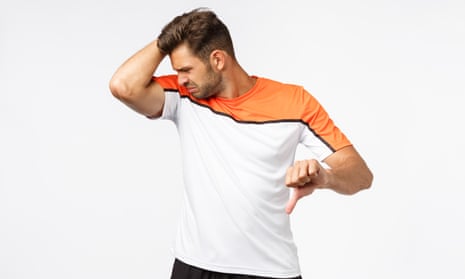
Most health experts advise against re-wearing sweaty clothes. Even if they seem dry, bacteria and sweat residue can remain. For items like socks and underwear, always wash after every use.
Credit: www.theguardian.com
How To Store Dirty Gym Clothes Before Washing
If you can’t wash your workout clothes right away, proper storage is key to preventing smells and bacteria.
Best Practices
- Hang up to dry: Use a hanger or drying rack. This slows bacteria growth and prevents mildew.
- Use a breathable bag: If you must carry dirty clothes home, use a mesh or cotton bag, not plastic.
- Keep separate from clean clothes: Don’t mix sweaty gear with other laundry, especially towels or bedding.
- Don’t leave in a car: Heat and humidity can make odors much worse.
What Not To Do
- Never seal damp clothes in a plastic bag for more than a few hours.
- Don’t put them in a laundry basket with dry clothes.
The Right Way To Wash Gym Clothes
Washing gym clothes properly makes a big difference in odor, cleanliness, and how long they last.
Step-by-step Guide
- Turn clothes inside out: This exposes the dirtiest parts to water and detergent.
- Pre-rinse if very sweaty: Rinse in cold water to remove excess sweat and bacteria.
- Use gentle detergent: Strong detergents can damage fibers and irritate skin.
- Wash in cold water: Hot water can break down elastic and fade colors.
- Skip fabric softener: It creates a coating that traps odor in synthetic fabrics.
- Air dry: Avoid using the dryer if possible. Heat damages elastic and can set odors.
- Wash separately: Keep gym clothes out of loads with towels or jeans to avoid friction and damage.
| Step | Why It Matters |
|---|---|
| Turn inside out | Removes sweat and bacteria better |
| Cold water wash | Protects fabric, saves energy |
| No fabric softener | Prevents odor trapping |
| Air dry | Preserves elasticity |
Extra Tips
- Add a cup of white vinegar to the rinse cycle for extra odor control.
- Wash clothes as soon as you get home, not just on laundry day.
- If you must use a dryer, choose low heat.
How Often Should You Wash Gym Accessories?
Clothes aren’t the only thing that needs cleaning. Accessories like towels, headbands, gloves, and shoes collect sweat and bacteria too.
- Towels: Wash after every use.
- Headbands and wristbands: Wash after every 1-2 uses.
- Gym bags: Wipe down weekly and wash fabric bags monthly.
- Shoes: Air out after every use, clean inside monthly.
Neglecting these items can lead to bad smells and germs spreading to clean clothes.
Does Washing Gym Clothes Immediately Save Time And Money?
Washing right away might seem like extra work, but it actually saves you time and money in the long run.
- Fewer repeat washes: Immediate washing removes sweat and bacteria, so you don’t need to double-wash.
- Longer-lasting clothes: Proper care means you replace gear less often.
- Less need for special products: If you wash quickly, you rarely need to buy odor removers or fabric refreshers.
Non-obvious insight: Many people waste money on expensive “sport detergents” when immediate washing with regular gentle detergent works just as well.
Environmental Impact: Is Frequent Washing Wasteful?
Some worry that washing clothes after every workout wastes water and energy. There are ways to keep clothes clean without harming the environment.
- Use cold water: Saves energy.
- Wash full loads: Don’t run the machine for just one or two items.
- Choose eco-friendly detergents: They break down better in nature.
- Air dry: No need for a dryer, and you save electricity.
Important tip: The environmental cost of washing is much less than the cost of replacing ruined clothes or treating skin infections.
Why Gym Clothes Smell Worse Than Regular Clothes
Many people wonder why gym clothes develop a much stronger odor than other clothing.
Synthetic Fabric Traps Odor
Most gym clothes are made from polyester or nylon. These fabrics are great for wicking moisture but also trap bacteria and sweat molecules inside their fibers. Cotton, on the other hand, absorbs sweat but releases odor more easily when washed.
Bacteria Thrive In Moisture
After exercise, gym clothes stay damp longer, especially if left in a bag. This dampness is perfect for bacteria, which multiply quickly and produce that strong “gym smell. ”
Detergent Build-up
Using too much detergent or the wrong kind can leave residue in clothes. This residue traps sweat and bacteria, making odor worse over time.
Real-world Examples
Let’s look at what happens in everyday situations:
- You finish a run and throw clothes in a plastic bag for the day: When you open the bag at night, the smell is overwhelming. Washing immediately would have stopped this.
- You leave clothes to dry before washing two days later: The clothes don’t smell as bad, but the odor is harder to remove, and stains may remain.
- You wash sweaty clothes with towels: Your towels start to smell, and gym clothes develop rough patches.
- You air out clothes before washing: They smell less, are easier to clean, and last longer.
Social And Psychological Factors
Dirty gym clothes can impact more than just your health and laundry routine.
- Embarrassment: Wearing smelly clothes can make you self-conscious at the gym.
- Motivation: Clean, fresh-smelling gear can make you more excited to work out.
- Confidence: Taking care of your clothes shows you care about your health and hygiene.
When Should You Wash Other Workout Items?
It’s not just shirts and shorts. Here’s how often to wash or clean common gym items:
- Sports bras: After every use
- Socks: After every use
- Yoga mats: Wipe after each use, deep clean weekly
- Weightlifting gloves: Wash weekly or after heavy use
- Shoes: Air out after each use, wash insoles monthly
Overlooked tip: Some accessories, like water bottles or headphones, also need regular cleaning to prevent bacteria buildup.
Can Odor And Bacteria Transfer To Other Clothes?
Absolutely. If you wash sweaty gym clothes with regular laundry, the bacteria and odor molecules can spread to other items. This is especially true for towels, which can hold on to smells. Always wash workout gear separately or with similarly dirty items.
Do All Types Of Gym Clothes Need Immediate Washing?
While most gym clothes should be washed right away, there are a few exceptions:
- Loose, natural-fiber shirts: May be safe to use twice if barely sweaty.
- Outer layers (hoodies, jackets): Can be washed less often if not in direct contact with skin.
- High-quality moisture-wicking gear: Still needs frequent washing, but may resist odor a bit longer.
No matter the fabric or fit, if you smell any odor or notice dampness, wash immediately.
Special Situations: Shared Gym Equipment And Hygiene
If you use shared gym equipment, it’s even more important to wash your clothes quickly. Bacteria and fungi can transfer from machines, mats, or benches to your clothing, then to your skin. Washing right away reduces your risk of picking up or spreading germs.
Should You Wash Clothes By Hand Or Machine?
Both options are possible, but machine washing is usually more thorough. Hand washing is better than nothing if you’re traveling or in a hurry. Always use cold water and mild detergent. Air dry, never wring out elastic fabrics, as this can damage them.
When To Replace Gym Clothes
Even with proper washing, gym clothes won’t last forever. Replace them if you notice:
- Persistent odor after washing
- Visible wear or thinning fabric
- Loss of stretch or support
Don’t wait for holes to appear—old, stretched-out gear can cause discomfort and even injuries.
Summary: Best Practices For Gym Clothes Hygiene
- Wash gym clothes immediately after every use whenever possible.
- Air out clothes if you can’t wash right away.
- Use cold water and gentle detergent.
- Never use fabric softener on performance fabrics.
- Air dry to extend clothes’ life.
- Store dirty clothes properly if delayed washing is necessary.
Taking these steps keeps your gear fresh, your skin healthy, and your clothes looking new.
Frequently Asked Questions
How Do I Get Rid Of Stubborn Odors In Gym Clothes?
Soak clothes in a solution of one part white vinegar to four parts cold water for 30 minutes before washing. Use a gentle detergent and avoid fabric softener. For extra-tough smells, add baking soda to the wash. Always air dry.
Can I Wash Gym Clothes With Other Laundry?
It’s best to wash gym clothes separately, especially if they’re very sweaty. Mixing with regular clothes can spread odor and bacteria. If you must combine loads, wash with other activewear, not towels or delicate fabrics.
What If I Forget My Gym Clothes In My Bag For A Few Days?
Remove them as soon as you remember. Rinse with cold water and wash with a strong, but gentle, detergent. You may need to wash twice. Always air out your gym bag after removing clothes.
Does The Type Of Detergent Matter For Gym Clothes?
Yes. Use a gentle or sport-specific detergent without fabric softeners. Some detergents are designed to remove sweat and bacteria from synthetic fabrics. Avoid using too much, as residue can trap odor.
Where Can I Learn More About Gym Hygiene And Laundry Science?
For more detailed scientific information on bacteria, sweat, and clothing care, visit the Wikipedia page on sportswear.
Proper care of gym clothes is more than a chore—it’s a part of your fitness journey. Clean clothes support a healthy body, save you money, and make every workout feel fresh. Don’t wait for laundry day; take care of your gear now for better workouts and a healthier you.

Credit: cleanavenuenyc.com
