

Should You Wash Gym Clothes After Every Workout? Essential Tips
Everyone who exercises asks the same question: Should you wash gym clothes after every workout? It sounds simple, but the answer affects your health, comfort, and even your wallet. Many gym-goers throw their workout gear into the laundry basket after each session. Others reuse them, hoping to save time or money. There are myths about sweat, bacteria, and odor, but also practical concerns about wearing out clothes and the cost of constant washing.
This article breaks down everything you need to know. You’ll learn how sweat, bacteria, and fabric type matter. We’ll dive into science, give real-world examples, and show what happens if you skip washing. You’ll see clear comparisons, learn about skin health, and understand laundry tips.
By the end, you’ll feel confident making your own smart decision about gym clothes care.
Why Sweat And Odor Matter
After a workout, your body produces sweat to cool itself. Sweat is mostly water, but it also contains salt, proteins, and bacteria from your skin. Gym clothes are designed to soak up sweat, but they don’t destroy it.
How Sweat Causes Odor
When sweat sits in fabric, it mixes with bacteria. This creates the smell most people notice after exercise. Synthetic fabrics, like polyester or spandex, are common in gym wear because they are light and stretchy. However, these materials often trap odor more than natural fibers like cotton.
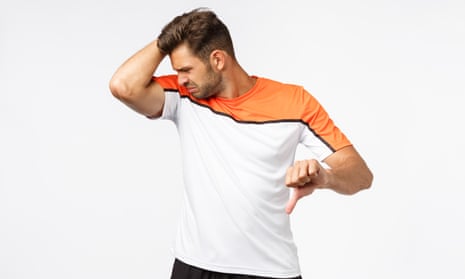
If you’ve ever left your workout shirt in your bag for a few hours, you know the smell can get much stronger. That’s because bacteria multiply quickly in warm, moist places. Even short workouts can leave enough sweat for bacteria to grow.
The next time you wear those clothes, any remaining sweat is “reactivated” by your body heat, making the smell worse.
Sweat And Skin Health
Sweaty clothes are a breeding ground for bacteria and fungi. Wearing them again without washing can cause:
- Body odor that gets stronger with each use
- Skin irritation or rashes
- Acne on the back, chest, or shoulders
- Fungal infections like athlete’s foot or ringworm
Some people are more sensitive than others. If your skin is prone to breakouts, reusing gym clothes may make it worse.
A less obvious effect is that tight clothes, like compression shorts or leggings, trap sweat against your skin for longer. This makes it even easier for bacteria and fungi to grow, especially in areas where skin rubs together. For people with sensitive skin, this can quickly lead to red patches, itchiness, or even open sores if not treated.
What Happens If You Skip Washing
You might think skipping the wash is harmless. But unwashed gym clothes can cause problems over time.
Bacteria Build-up
Every time you wear gym clothes, bacteria from your skin and environment stick to the fabric. When sweat and bacteria stay in the clothes, they multiply. This can make odors much worse and increase the risk of skin infections.
It’s easy to underestimate how much bacteria can collect. For example, studies have shown that after just one sweaty workout, there can be thousands of bacteria per square inch on your clothes. This number grows every time you reuse without washing.
Persistent Odor
Washing removes bacteria and sweat. If you skip the wash, the smell gets stronger. Over time, even washing may not fully remove the odor. This is called embedded odor.
This type of odor can be hard to get rid of, especially in synthetic clothes. Even after several washes, some people find their gear never smells truly fresh again. At this point, many athletes just throw the gear away.
Fabric Damage
Sweat contains salt and oils. If these stay on fabric, they can break down the fibers, making clothes wear out faster. Gym gear is not cheap, so constant skipping can cost you more in the long run.
You may notice your clothes losing shape or feeling rough. The elastic in waistbands and cuffs can become weak, causing your clothes to sag. Colors may also fade faster, and logos or patterns can peel off or crack.
Risks For Sensitive Skin
People with eczema, allergies, or sensitive skin have higher risk. Dirty gym clothes can cause flare-ups, itching, and redness. For some, this can lead to medical treatments or doctor visits.
People with chronic skin conditions often notice their problems get worse in hot months, when sweat and bacteria are more active. Even if you only have mild sensitivity, dirty clothes can make you uncomfortable for hours after your workout.
The Science Of Laundry: How Washing Removes Germs
Laundry is more than just cleaning dirt. It removes sweat, bacteria, oils, and even dead skin cells. Let’s see how.
The Role Of Water And Detergent
- Water dissolves and lifts dirt and sweat from fabric
- Detergent breaks down oils and kills bacteria
- Agitation (movement in the washer) helps remove particles
Modern detergents contain enzymes that break up sweat and body oils. These enzymes are especially important for gym clothes, which can have stubborn stains and smells. Without them, regular washing may not be enough.
Hot Vs. Cold Water
Hot water kills more germs, but not all gym clothes can handle high heat. Always check your label. Cold water is gentler and saves energy, but may not remove all bacteria.
For delicate fabrics, use cold water but wash more frequently. For tough, odor-prone items like socks, a warm or hot wash is best if the fabric allows. Some washing machines have a “sanitize” cycle—use this for extra protection, but not for delicate gear.
Drying
Drying clothes, especially in a dryer, also helps reduce bacteria. Sun drying adds extra benefit because UV rays kill germs.
If you can, hang your gym clothes outside in the sun after washing. Sunlight helps kill bacteria left behind and removes odors naturally. If you use a dryer, choose a low heat setting to avoid damaging elastic fibers.
Gym Clothes Fabrics: Which Ones Need More Washing?
Not all gym clothes are the same. The type of fabric affects how often you should wash them.
| Fabric Type | Odor Retention | Washing Frequency |
|---|---|---|
| Cotton | Low | After every workout |
| Polyester | High | After every workout |
| Spandex | Medium | After every workout |
| Wool blends | Medium | After every workout |
Synthetic fabrics trap more odor and bacteria. Cotton absorbs sweat but dries slowly. If you use clothes with moisture-wicking technology, they still need frequent washing because bacteria can hide between fibers.
Many people think wool blends can be worn more than once. While merino wool can resist odor better than polyester, it still collects sweat and skin cells. For any fabric, if it feels damp or smells, it needs washing.
A good tip: gym socks and underwear should always be washed after each use, no matter the fabric. These items touch the sweatiest areas and bacteria can grow rapidly.
How Often Should You Wash Gym Clothes?
The best practice is to wash gym clothes after every workout. This keeps them fresh, removes bacteria, and protects your skin.
Exceptions: When You Can Delay Washing
There are some rare cases when you might skip a wash:
- Low-intensity workouts (like stretching or yoga): If you sweat very little and clothes don’t smell, you can reuse once.
- Quick showers before dressing: If you shower before wearing gym clothes and sweat very little, you can reuse.
- Cold weather outdoor workouts: Sweat dries quickly, so odor is less.
- Short duration (under 15 minutes): If you barely sweat, you can delay washing.
But in most cases, washing after each workout is best. Even if there is no visible dirt, bacteria and sweat are still present.
Some people try the “sniff test” to decide if clothes are clean. This is risky, because odor does not always mean bacteria are gone. Invisible germs can remain, especially in armpits or groin areas. For best hygiene, make washing your default habit.
Impact On Skin Health And Hygiene
Washing gym clothes is not just about odor. It’s about your health.
Preventing Acne And Rashes
Sweaty fabric can block pores and cause acne. Washing removes oil and bacteria, stopping pimples and rashes.
If you notice breakouts in areas where your clothes fit tight, that’s a sign you need cleaner gear. Back acne (“bacne”) is common in those who reuse gym tops. Regular washing can clear up these skin problems for many people.
Avoiding Fungal Infections
Fungi love warm, wet environments. Dirty gym clothes increase risk of athlete’s foot, ringworm, and other infections.
This is especially true for items like socks, sports bras, or tight shorts. Fungal spores can survive in fabric, so reusing unwashed items increases your risk every time.
Protecting Sensitive Skin
For those with allergies or eczema, clean gym clothes reduce flare-ups. Dirty fabric can cause itching and redness.
If you already have skin issues, try using a gentle, fragrance-free detergent. Avoid dryer sheets, which can irritate some people. Always wash new gym clothes before first use to remove factory chemicals.
Cost And Environmental Impact
Washing gym clothes often uses water, electricity, and detergent. Some worry about cost and environmental harm.
Comparing Costs
Let’s compare the cost of frequent washing vs. replacing worn-out clothes.
| Scenario | Annual Laundry Cost | Annual Replacement Cost |
|---|---|---|
| Wash after every workout | $70 | $30 |
| Wash once a week | $20 | $90 |
Washing often is more expensive for laundry but saves money on buying new gym clothes. Skipping washes wears out fabric faster, costing more in replacements.
Many people do not realize that washing in full loads saves both money and energy. If you train often, consider buying enough gym clothes to fill a small load every few days. This balances hygiene and efficiency.
Environmental Tips
- Use cold water when possible
- Wash full loads to save water and energy
- Choose eco-friendly detergents
- Air dry when you can
These tips reduce impact without skipping necessary washes.
Another practical idea is to wear less gear when possible. For example, in hot weather, wear a tank top and shorts instead of extra layers. Fewer clothes mean fewer items to wash.
How To Wash Gym Clothes Properly
Many people wash gym clothes wrong, making odors worse or damaging fabric. Here’s how to do it right.
Step-by-step Guide
- Separate gym clothes from regular laundry. This keeps odors from spreading.
- Turn clothes inside out. Sweat and bacteria stay mostly on the inside.
- Use cold water for delicate fabrics; warm water for durable ones.
- Choose a sports detergent. Regular detergents may not remove all odor.
- Avoid fabric softeners. They can block moisture-wicking properties.
- Air dry or use low heat. High heat can damage elastic and synthetic fibers.
If you don’t have a sports detergent, add a small amount of white vinegar to the rinse cycle. It helps break down smells and bacteria.
Extra Tips
- Add white vinegar to the rinse cycle to kill odor.
- Use baking soda for stubborn smells.
- Don’t let gym clothes sit too long before washing. Bacteria multiply fast.
One non-obvious trick is to wash gym clothes as soon as you get home, not days later. The longer sweat and bacteria sit, the deeper they sink into the fabric.
Credit: www.theguardian.com
Common Myths About Washing Gym Clothes
Many gym-goers believe myths about cleaning their workout gear. Let’s clear up some confusion.
Myth 1: Sweat Is Sterile
Some think sweat is clean and doesn’t need washing. Sweat itself is mostly water, but it picks up bacteria from skin.
Even if you shower before exercise, your skin still has bacteria. Sweat provides the perfect environment for them to grow.
Myth 2: Odor Means Dirty, No Odor Means Clean
Odor is a sign of bacteria, but no smell doesn’t mean your clothes are clean. Bacteria and sweat may still be present.
Some bacteria are odorless but can still cause skin issues. Always wash, even if your clothes seem fine.
Myth 3: Air Drying Removes Germs
Air drying removes moisture, but it doesn’t kill all germs. Only washing removes bacteria and oils.
Drying in the sun is better than air drying indoors, but washing is always the first step.
Myth 4: Washing Wears Out Clothes Faster
Not washing leads to fabric breakdown from sweat and oils. Proper washing protects gym clothes.
Gentle cycles and low heat extend the life of your clothes. Skipping washes does more harm than careful cleaning.
Myth 5: You Can Use Regular Detergent
Sports detergents are better for removing tough odors. Regular detergents may not clean deeply enough.
If you don’t want to buy a sports detergent, pre-soak your clothes in water and baking soda before washing.
How Professional Athletes Handle Gym Clothes
Professional athletes sweat more and train harder, so their gear needs special care.
- Wash after every session: Most athletes have multiple sets and wash after each use.
- Use sports detergents: Removes deep-seated odor and bacteria.
- Dry with heat or sun: Ensures germs are killed.
- Replace frequently: If odor persists, gear is replaced.
Athletes know clean clothes help prevent skin issues and infections. They rarely reuse sweaty gear.
In some sports, like swimming or martial arts, athletes also rinse equipment with disinfectant. Cleanliness is part of their routine, not just for performance but for health.
Credit: sweat.com
Social And Psychological Impact
Wearing clean gym clothes affects more than health. It changes how you feel and how others see you.
Confidence And Comfort
Clean clothes feel good. They boost confidence and make workouts enjoyable. Dirty, smelly clothes can distract or embarrass you.
If you feel self-conscious, you may skip the gym or avoid group activities. Clean gear helps you focus on your workout instead of worrying about how you smell.
Respect In Shared Spaces
Gyms are public. Wearing dirty clothes can bother others. Clean gear shows respect for yourself and your workout community.
People are less likely to talk to or train with someone who smells bad. Fresh gym gear helps you fit in and enjoy your time at the gym.
Motivation
Fresh, clean clothes can motivate you to exercise. Feeling comfortable helps you focus on your goals.
Some people even pick out their favorite gear for important workouts. Treating your clothes well can be a small way to reward yourself.
How To Build A Gym Clothes Routine
A routine makes washing easier and keeps you healthy.
Practical Steps
- Buy enough gym clothes: Aim for at least three sets. This gives time for washing and drying.
- Set a laundry schedule: Wash after each workout or at the end of the day.
- Use a separate laundry basket: Keeps gym gear away from regular clothes.
- Prepare for travel: Bring extra sets and a laundry bag for trips.
Non-obvious Insight
Many people don’t realize that having enough gym clothes reduces stress. It avoids last-minute rushing and keeps hygiene easy.
You can also rotate your gear, wearing each set the same number of times. This helps all your clothes last longer and look better.
The Role Of Gym Bags And Accessories
Gym bags, towels, and accessories also need regular cleaning.
- Wash towels after every use: Towels absorb sweat and bacteria.
- Clean gym bags weekly: Wipe with disinfectant or wash if possible.
- Sanitize water bottles: Bacteria can grow inside.
Neglecting accessories can undo the benefits of clean gym clothes.
If you carry shoes in your gym bag, keep them in a separate, washable pouch. This prevents dirt and germs from spreading to your clothes.
Laundry Mistakes Beginners Make
Beginners often make errors when washing gym clothes.
Common Mistakes
- Washing with regular clothes spreads odor.
- Using too much detergent can leave residue.
- Forgetting to turn clothes inside out misses sweat spots.
- Letting clothes sit in the bag creates strong odor.
Non-obvious Insight
Most people don’t realize that overloading the washing machine reduces cleaning power. Clothes need space to move for dirt to wash away.
Another mistake is ignoring care labels. Some gym clothes need special handling—check before you wash, so you don’t ruin your gear.

Credit: www.womenshealthmag.com
Comparing Washing Frequency With Other Activities
You might wonder if gym clothes need more washing than other clothes.
| Activity | Clothing Type | Washing Frequency |
|---|---|---|
| Gym Workout | Activewear | After every session |
| Office Work | Dress Shirt | Every 2-3 wears |
| Casual Outing | T-shirt | Every 1-2 wears |
| Sleep | Pajamas | Every 3-4 wears |
Gym clothes have the highest washing needs because of sweat and bacteria.
This is why investing in more gym gear pays off. You avoid laundry emergencies and always have clean clothes ready.
Alternatives To Frequent Washing
Some look for ways to avoid washing gym clothes after every workout.
Quick Solutions
- Use antibacterial sprays: Temporarily reduces odor but doesn’t remove bacteria.
- Rinse gym clothes in water: Helps a little but doesn’t clean deeply.
- Freeze clothes: Freezing kills some bacteria but doesn’t remove sweat or oils.
Why These Aren’t Enough
These methods don’t remove bacteria or oils fully. Washing is always best for health and freshness.
For example, antibacterial sprays may cover up odor, but sweat and oils remain. After repeated use, your clothes will still develop stubborn smells and stains.
Expert Recommendations
Dermatologists, fitness coaches, and laundry experts agree: wash gym clothes after every workout.
- Protects skin
- Stops odor
- Extends clothing life
- Keeps gym environments safe
For more science-backed advice, see WebMD.
If you have specific skin problems or allergies, ask your doctor or dermatologist about the best laundry routine and products for you.
Frequently Asked Questions
Should I Wash Gym Clothes Even If I Didn’t Sweat Much?
Yes, even if you sweat little, bacteria and oils still get on your clothes. Washing removes invisible germs and keeps fabric fresh.
A single light workout may leave less sweat, but bacteria still transfer from your skin.
Can I Air Dry Gym Clothes To Avoid Washing?
Air drying removes moisture but doesn’t clean. It’s fine after washing, but not as a replacement for washing.
If you need to reuse quickly, at least rinse and dry your clothes before wearing again—but remember, this is not as good as a proper wash.
Is It Safe To Wash Gym Clothes With Regular Laundry?
It’s better to wash gym clothes separately. Mixing spreads odor and bacteria to other clothes.
If you must wash together, use hot water and a sports detergent, and avoid fabric softener.
How Do I Remove Stubborn Odors From Gym Clothes?
Add white vinegar or baking soda to the wash. Use sports detergents. If odor stays, wash again or soak before washing.
For very strong smells, soak clothes in a mixture of water and vinegar for 30 minutes before washing.
What Happens If I Keep Reusing Gym Clothes Without Washing?
Odor builds up, bacteria multiply, and fabric wears out. Skin issues and infections become more likely.
Even if you don’t notice a problem now, it can develop over time, especially with regular exercise.
Clean gym clothes are a sign of respect for your body and your gym community. Washing after every workout protects your health, your comfort, and your wallet. By following the steps and tips above, you can stay fresh, confident, and ready for every workout—without the worry of sweat, odor, or germs.
