

Should You Tuck in Shirt Business Casual: Style Rules Explained
Should You Tuck In Shirt Business Casual
Business casual is everywhere today, from offices to networking events. But it’s not always clear how to style your shirt: tucked in, or left untucked? This small detail can change your whole look and affect how others see you at work. Many people struggle with this choice, especially if they’re new to business casual dress codes or come from cultures where formal dress is more common. The answer depends on several factors, including shirt type, company culture, your body shape, and even the activity you’re doing. Let’s break down the details so you can make confident decisions about tucking in your shirt for business casual.
Understanding Business Casual
Business casual is a dress code that mixes formal and informal clothing. It’s less strict than traditional business attire, but it’s not as relaxed as casual wear. Usually, it means dress pants or chinos, a button-down or polo shirt, and closed-toe shoes. Jackets and ties are optional. Business casual can look different from one company to another, so it’s important to know your workplace rules.
Most offices want employees to look neat and professional, but comfortable. This balance means you have some freedom, but not total freedom. For men, shirts might be tucked or untucked. For women, blouses can be worn loose or tucked into skirts or pants.
It’s about looking polished without being overdressed.
Why Shirt Tucking Matters
The way you wear your shirt changes how you appear. A tucked-in shirt usually looks more formal and tidy. An untucked shirt can look relaxed, but sometimes sloppy if not done right. People often judge you by your clothes, especially in business settings. Managers may see a tucked shirt as a sign of respect, while untucked shirts can signal confidence or creativity.
Tucking your shirt also changes your body shape visually. It defines your waist and makes your outfit more structured. Untucked shirts hide the waistline and can make you look bigger or shorter, depending on your height and build. For some, an untucked shirt helps hide stomach area, but for others, it may look messy.

Credit: www.mrkoachman.com
Types Of Shirts: Which Should Be Tucked?
Not all shirts are meant to be tucked. Understanding the shirt type is the first step.
Dress Shirts
Dress shirts are usually designed to be tucked in. They have longer tails, which help them stay tucked. Wearing them untucked often makes them bunch up or hang too long. If your shirt reaches below your hips or covers most of your backside, it’s probably a dress shirt and should be tucked.
Casual Button-downs
Casual button-downs may have a shorter hem. Some brands design them to be worn untucked. If the shirt ends just at mid-hip, it’s likely safe to leave untucked. Brands like Untuckit specialize in shirts for untucked wear.
Polo Shirts
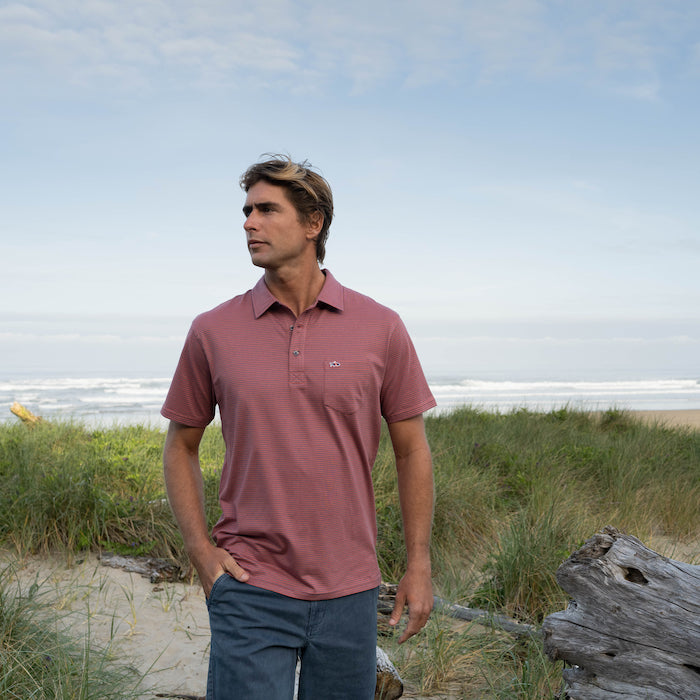
Polos can go either way. In strict business casual, tucking is preferred. But many workplaces allow polos untucked, as long as they fit well and look neat.
T-shirts
T-shirts are rarely appropriate for business casual unless your company is very relaxed. If allowed, tucking is not needed and can look strange.
Women's Blouses
Women’s blouses vary widely. Some are designed to be tucked; others look better untucked. Pay attention to fabric, shape, and length. Tailored blouses often look best tucked in, while flowy tops can stay out.
Key Factors: When To Tuck Your Shirt
Several things influence whether you should tuck in your shirt for business casual.
Company Culture
Some companies are more formal than others. Finance, law, and consulting firms usually expect shirts tucked in. Tech startups, creative agencies, and education often allow more flexibility. Ask your manager or check your company handbook for guidance.
Job Role
Your position matters. Managers, salespeople, and client-facing roles should lean formal—tuck in your shirt. If you’re in a creative or technical job, untucked may be fine.
Event Type
Are you at work, or going to a meeting? For important presentations, interviews, or networking events, tucking in shows professionalism. For regular office days, you might have more freedom.
Fit And Shirt Length
A shirt that’s too long will look sloppy untucked. A shirt that’s too short won’t stay tucked. The ideal untucked shirt ends just below your belt line, covering your waistband but not hanging low.
Personal Style
Some people prefer a sharp, structured look—tucked in. Others want a relaxed vibe—untucked. Choose what makes you feel confident, but remember the setting.
Pros And Cons: Tucked Vs Untucked
Here’s a comparison of the main advantages and disadvantages:
| Style | Pros | Cons |
|---|---|---|
| Tucked In |
|
|
| Untucked |
|
|
How To Tuck Your Shirt Properly
If you decide to tuck in, do it right. A poor tuck can ruin your look.
- Choose the right shirt: Dress shirts with longer tails are best for tucking.
- Wear proper pants: Pants should fit well at the waist. Loose pants make shirts slip out.
- Start with a flat tuck: Button your pants, then smooth the shirt down and tuck all around.
- Use the military tuck: Pinch each side of the shirt at the hip, fold excess fabric back, and then tuck. This reduces bunching.
- Add a belt: A belt helps hold everything in place and looks polished.
- Check in the mirror: Make sure the shirt is smooth and straight.
Common Mistakes
- Tucking in shirts that are too short (they untuck easily)
- Tucking in shirts not meant to be tucked (bulky hem)
- Not smoothing fabric (creates wrinkles)
- No belt (shirt slips out)
- Tucking over bulky pants (makes waist look large)
Untucked Shirts: How To Look Sharp
Wearing your shirt untucked can look great if you follow some rules.
- Choose shirts made for untucking: Shorter hem, straight cut, not too baggy.
- Match with slim pants: Chinos or dress pants with a fitted leg help balance the loose shirt.
- Mind the length: The shirt should not cover your backside fully, and should end around the belt line.
- Check fabric: Stiff fabrics hold shape. Very soft or thin fabrics may look wrinkled.
- Keep it clean: Iron or steam your shirt. Untucked shirts show wrinkles more.
Common Mistakes
- Wearing long dress shirts untucked (looks sloppy)
- Untucking shirts with curved hem (not designed for untucking)
- Untucking in formal meetings
- Mixing untucked shirts with loose pants (too casual)
Business Casual For Different Body Types
Your body shape affects how shirts look tucked or untucked.
Slim Or Athletic Build
- Tucked shirts highlight your waist and show your shape.
- Untucked shirts can look sharp if fitted, but avoid baggy styles.
Larger Build
- Untucked shirts can help conceal the waist, but only if they fit properly.
- Tucked shirts can draw attention to the stomach. Consider layering with a blazer.
Shorter Height
- Tucked shirts create a longer leg line, making you look taller.
- Untucked shirts may shorten the appearance, unless hem is just right.
Taller Height
- Both styles usually work. Just avoid shirts that are too short untucked.

Credit: www.reddit.com
Gender Differences: Men Vs Women
Business casual rules are slightly different for men and women.
Men
- Most men’s business shirts are designed to be tucked.
- Untucked shirts are accepted in creative roles or relaxed offices.
- Polo shirts and some button-downs can go untucked.
Women
- Blouses and tops may be tucked or untucked, depending on style.
- High-waisted pants or skirts look best with tucked-in tops.
- Longer, flowy tops are usually left untucked.
Business Casual By Region
Different countries have different business casual standards.
United States
- Tucked shirts are common, but untucked is accepted in tech and creative industries.
Europe
- More formal. Tucked shirts expected in most business settings.
Asia
- Often more formal, especially in finance and business. Tucked shirts preferred.
Australia And Canada
- Similar to US. Untucked is fine in creative fields.
Understanding local norms can help you avoid mistakes when visiting or working abroad.
Real-life Examples
Let’s look at some typical business casual scenarios:
- John, a sales manager, always tucks in his shirt for meetings. He says clients expect a sharp look.
- Sara, a designer, prefers untucked shirts at her creative agency. She feels more comfortable and the boss encourages relaxed dress.
- Carlos, a junior accountant, wore an untucked shirt to his first day at work. His supervisor told him to tuck it in for a more professional appearance.
- Lisa, in HR, switches between tucked and untucked depending on the day. For interviews, she tucks her blouse. For regular office days, she wears flowy tops untucked.
These stories show there’s no single rule. Context matters.
Data: What Do People Prefer?
Recent surveys show preferences on shirt tucking in business casual settings:
- About 68% of men in office jobs tuck in their shirts most days.
- Around 54% of women tuck in their blouses for formal meetings.
- In creative fields, 67% of employees leave shirts untucked.
- 82% of managers say tucked shirts look more professional.
These numbers suggest that while untucked shirts are gaining popularity, tucked shirts are still seen as more formal and are preferred by managers.
The Impact Of Shirt Tucking On Perception
How you tuck your shirt can affect how others see you.
- Tucked shirts are linked with professionalism, reliability, and attention to detail.
- Untucked shirts are often seen as creative, relaxed, or youthful.
- In interviews, a tucked shirt can make you look more serious about the job.
- In creative workplaces, untucked shirts may signal you fit the culture.
Small details matter. People notice your appearance and make judgments quickly.
Shirt Tucking And Age
Age can influence shirt tucking habits.
- Younger workers are more likely to leave shirts untucked.
- Older workers tend to tuck in, seeing it as traditional.
- Mixed-age offices often have mixed styles.
If you’re unsure, look around at your coworkers or ask your manager.
When Not To Tuck Your Shirt
There are times when untucked is best:
- Creative workplaces: If your team dresses relaxed, untucked fits in.
- Casual Fridays: Many companies allow untucked shirts on Fridays.
- Outdoor events: Untucked shirts are more comfortable.
- Work from home: If you’re on video calls, untucked is fine unless meeting clients.
When You Must Tuck In
Some situations demand a tucked shirt:
- Interviews: Always tuck in unless your company is very relaxed.
- Formal meetings: Presenting to clients or upper management.
- Business dinners: If others are dressed up, tuck your shirt.
- Company events: Especially if photos are taken.
Credit: fishhippie.com
Shirt Tucking: The Science Of First Impressions
Studies show first impressions are formed in seconds. Clothing is a major factor.
- People rate tucked-in shirts as more trustworthy.
- Untucked shirts are seen as friendly but less formal.
For important events, tucking in your shirt can help you make a positive impact.
Shirt Length And The Perfect Untucked Fit
A key detail is shirt length. Here’s how to spot shirts designed for untucking:
| Shirt Type | Ideal Hem Length | Best Style |
|---|---|---|
| Dress Shirt | Below hips | Tucked in |
| Casual Button-Down | Mid-hip | Untucked or tucked |
| Polo Shirt | Just below belt | Untucked or tucked |
| Women's Blouse | Varies | Tucked or untucked |
Shirts that are too long untucked can look messy. Shirts too short tucked will slip out.
Practical Tips For Business Casual Shirt Tucking
Here are some smart tips to help you decide and look your best:
- Check your company dress code: Always follow official guidelines.
- Test the look at home: Try both tucked and untucked in front of a mirror.
- Ask your manager: If unsure, get advice from someone senior.
- Choose shirts designed for your style: Brands now offer shirts for untucked wear.
- Invest in tailoring: A tailored shirt fits better and stays tucked.
- Avoid extremes: Don’t wear shirts that are too long or too short.
Shirt Tucking Mistakes To Avoid
Many beginners make mistakes. Here are some you can avoid:
- Tucking in shirts not meant to be tucked (bulky hem)
- Leaving dress shirts untucked (looks sloppy)
- Untucking in formal meetings
- Wearing untucked shirts with loose pants (too casual)
- Forgetting to iron shirts
- Not checking overall balance of outfit
The Role Of Accessories
Accessories like belts, watches, and shoes can affect your business casual look.
- Belts: Essential for tucked shirts. Match belt color to shoes.
- Watches: Simple watches look best.
- Shoes: Closed-toe dress shoes or loafers.
- Tie: Not required, but can add formality if needed.
Untucked shirts hide the belt, so choose pants with a clean waistband.
Shirt Tucking In Hybrid And Remote Work
With more remote work, dress codes have changed.
- On video calls, untucked shirts are fine unless meeting clients.
- For office days, tuck in if others do.
- Hybrid workers should follow office norms when in-person.
The Future Of Business Casual
Business casual is evolving. More companies allow untucked shirts, but tucked is still safest for formal events. Brands now offer shirts for untucked wear, making it easier to look sharp in both styles.
Non-obvious Insights
- Shirt hem shape matters: A straight hem is best for untucked. Curved hems are designed to be tucked in.
- Fabric thickness affects tucking: Thicker fabrics hold shape better when untucked. Thin fabrics may bunch up.
Many beginners miss these points. Checking hem shape and fabric thickness can help you avoid common mistakes.
Summary Table: When To Tuck Vs Untuck
Here’s a quick reference to help you decide:
| Situation | Tuck In | Untuck |
|---|---|---|
| Interview | Yes | No |
| Formal Meeting | Yes | No |
| Creative Workplace | No | Yes |
| Casual Friday | No | Yes |
| Client Presentation | Yes | No |
| Remote Work | No | Yes |
| Business Dinner | Yes | No |
| Everyday Office | Depends | Depends |
Making Your Decision
Deciding whether to tuck in your shirt for business casual is not a simple yes or no. You need to consider shirt type, company culture, your role, and your own style. If you’re ever unsure, tuck in your shirt for safety—especially in new environments.
As you get comfortable, you can experiment with untucked styles.
Remember, details matter. Fit, hem shape, and fabric can change how your shirt looks tucked or untucked. Your goal is to look neat, confident, and appropriate for your workplace.
If you want more guidance on business casual standards, the Business News Daily provides helpful overviews.
Frequently Asked Questions
What Types Of Shirts Can I Wear Untucked In Business Casual?
You can wear casual button-downs, polos, and some women’s blouses untucked if they’re designed for it. Check hem length and shape—a straight hem and mid-hip length are best.
Is It Okay To Wear A Dress Shirt Untucked?
Dress shirts are usually made to be tucked in. Wearing them untucked often looks sloppy because they’re longer and have curved hems.
How Do I Know If My Shirt Should Be Tucked?
Look at the shirt’s hem and length. If it’s long and curved, tuck it. If it’s short and straight, you can leave it untucked. Also, consider company culture and your role.
Can I Leave My Shirt Untucked For Interviews?
For most interviews, tuck in your shirt. It shows professionalism and respect. Only leave it untucked if you know the company is very relaxed and creative.
Does Tucking In My Shirt Make Me Look Slimmer?
Yes, tucking in can define your waist and make legs look longer. But it also shows your body shape, so choose shirts that fit well and pants that complement your build.
Business casual is all about balance. The choice to tuck or not tuck your shirt can help you express your style and fit your workplace, but always aim for a neat, confident look.
