

Shirt Graphic: The Complete Guide to Style, Trends, and Creating Your Own in 2026
Shirt graphics are everywhere. From the guy at your office with a cat DJing on his chest, to that one friend who wears a “Saturdays Are For Napping” tee, these designs speak louder than your morning coffee. But what makes a shirt graphic special?
Why are they so popular in 2026, and how can you create one that stands out in a sea of memes and motivational quotes?
Whether you want to rock the latest trends, design your own masterpiece, or just understand why people still wear shirts with pizza slices on them, this guide will give you everything you need. We’ll break down the history, the creative process, the business side, and even how to avoid ending up with a design that only your grandma finds funny (sorry, grandma).
Let’s dive into the world of shirt graphics—where art meets fabric, humor meets fashion, and everyone is one step away from starting their own “custom tee” side hustle.
What Is A Shirt Graphic?
A shirt graphic is a visual design, text, or image printed on a shirt. It can be bold, subtle, funny, or artistic. Some people wear shirt graphics to show off their personality. Others just like the feel of a soft shirt with a cool picture.
Today, shirt graphics are more than decoration. They’re a way to communicate—like emojis for your chest. Want to show love for your favorite band? There’s a shirt for that. Need to warn people you haven’t had coffee yet? There’s a shirt for that, too.
The History Of Shirt Graphics
Shirt graphics didn’t start with influencers. The first printed t-shirts appeared in the 1940s, when companies realized people would pay to wear their logos. Movie merch hit in the 1950s—think James Dean in “Rebel Without a Cause. ” By the 1970s, everyone from rock bands to protest movements was using t-shirts as billboards.
Fast-forward to 2026, and the shirt graphic has become a canvas for art, jokes, and self-expression. You can print anything: a famous painting, a digital artwork, or even your dog’s face (not recommended unless your dog signs off).
Why Are Shirt Graphics So Popular In 2026?
Several reasons explain the explosion of shirt graphics this year:
- Personalization is King: People love to stand out. Custom designs let them express what makes them unique, and online services make it easy.
- Social Media Influence: Instagram and TikTok trends can make a shirt design go viral overnight. Suddenly, everyone wants a “Potato Enthusiast” tee.
- Affordable Technology: Printing methods are cheaper and faster than ever. You don’t need a factory—just a good idea and a laptop.
- Eco-Friendly Options: Sustainable materials and inks attract environmentally aware buyers.
- Work From Home Fashion: With Zoom meetings, people want shirts that look good on camera but feel like pajamas.
Types Of Shirt Graphics
Not all shirt graphics are created equal. Here are the main types you’ll see in 2026:
- Text-Based Graphics: Slogans, quotes, puns, or bold single words. Example: “I’m Not a Morning Person.”
- Illustrations & Drawings: Hand-drawn art, cartoons, or digital illustrations.
- Photo Prints: High-quality images, sometimes with filters or effects.
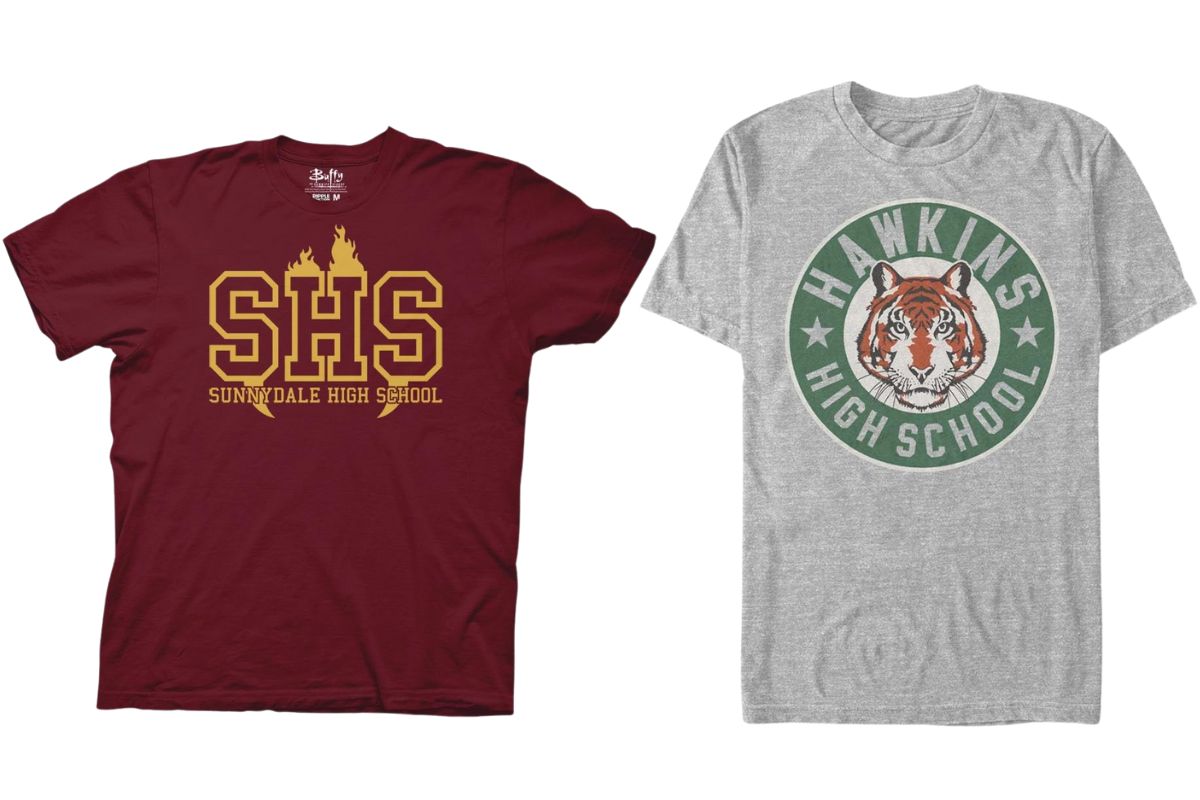
- Logos & Brands: Company logos, sports teams, or event names.
- All-Over Prints: Designs that cover the entire shirt, front and back.
- Minimalist Designs: Simple shapes or small images, often at the chest or pocket area.
- Parody & Meme Shirts: Internet jokes, mashups, or pop culture references.
Comparison Of Popular Shirt Graphic Types
Here’s a quick look at how the main types stack up:
| Type | Best For | Popularity in 2026 | Typical Audience |
|---|---|---|---|
| Text-Based | Quick laughs, statements | Very High | All ages |
| Illustrations | Art lovers, unique style | High | Teens, artists |
| Photo Prints | Realism, nostalgia | Medium | Young adults |
| Logos | Brand fans | High | Sports, brands |
| All-Over Prints | Bold style | Rising | Trendsetters |
Trends In Shirt Graphics For 2026
Fashion changes fast, but some trends are clear for 2026:
- Retro Vibes: Designs inspired by the 1990s or early 2000s—think bold colors, pixel art, and “vintage” cartoons.
- Eco-Themed Art: Graphics showing nature, recycling, or climate action.
- Interactive Designs: QR codes or AR (augmented reality) graphics that unlock digital content.
- Oversized Prints: Large graphics that spill over seams and sleeves.
- Personalized Cartoons: Custom cartoons based on the wearer’s selfie or pet photo.
- Typographic Art: Creative use of fonts, with letters as the main design.
- Glow-in-the-Dark Inks: For parties or night events.
One non-obvious insight: Subtle designs—like a tiny graphic hidden under the collar—are popular among introverts who want to “join in” without shouting their style.
How Shirt Graphics Are Made
Behind every great shirt graphic is a process, and often some spilled coffee. Let’s look at the main methods:
1. Screen Printing
This classic technique uses a mesh screen and ink. It’s best for large orders with simple designs.
Pros: Durable, vibrant colors
Cons: Not great for small batches or complex designs
2. Direct-to-garment (dtg) Printing
DTG uses a special printer to spray ink directly onto the shirt, like an inkjet for clothes.
Pros: Great for detailed designs, small runs
Cons: Can be pricey for big orders
3. Heat Transfer
Designs are printed on special paper and pressed onto the shirt with heat.
Pros: Good for photos, easy to set up
Cons: Can crack over time if washed poorly
4. Embroidery
Not technically a graphic, but many shirts use stitched text or images.
Pros: Durable, textured look
Cons: Limited colors, not for large images
5. Sublimation
This process uses heat to dye the shirt fibers. Best for polyester and all-over prints.
Pros: Long-lasting, vibrant
Cons: Only works on light-colored, synthetic shirts
Printing Techniques Comparison
Here’s a quick summary to help you compare:
| Method | Best For | Cost | Durability |
|---|---|---|---|
| Screen Printing | Bulk orders | Low per shirt | High |
| DTG | Detailed art | Medium/High | Medium |
| Heat Transfer | Photos, small runs | Low/Medium | Low/Medium |
| Embroidery | Logos, text | High | Very High |
| Sublimation | All-over prints | Medium | High |
Pro Tip: Many beginners pick the “cheapest” method, but forget about durability. A design that fades after two washes is not a good investment—even if it was $5.
Creating Your Own Shirt Graphic
So you want to make your own shirt graphic? Good news: it’s easier than ever in 2026. Here’s how to start:
Step 1: Find Your Idea
Ask yourself:
- What do I want to say?
- Who will wear this?
- Is it funny, serious, artsy, or weird?
Sometimes, the best ideas come from simple questions. One viral shirt just said, “Ask me about my dog. ” People did. The rest is history.
Step 2: Sketch Your Design
You don’t have to be Picasso. Even a rough doodle helps. Use a pencil and paper, or try a free app like Canva or Procreate.
Step 3: Choose Your Colors
Remember: Not all colors look good on all shirts. Light ink on dark shirts pops, but yellow on white might disappear (unless your goal is “invisible fashion”).
Step 4: Pick A Shirt Type
Do you want a classic t-shirt, long sleeve, tank top, or hoodie? Each has a different “feel. ” Hoodies are cozy, tanks are breezy, and t-shirts are… everywhere.
Step 5: Digitize Your Design
Scan your drawing or recreate it using graphic design software. Free programs like GIMP or paid ones like Adobe Illustrator are popular.
Step 6: Choose A Printing Method
Refer to the table above. If you’re making one shirt, DTG or heat transfer is best. For 100 shirts, screen printing is more affordable.
Step 7: Print And Test
Print your shirt and wear it. Wash it. If it survives both, congratulations—you’ve made a successful shirt graphic.
Step 8: Share Or Sell
Show your shirt to friends, or open an online store. In 2026, sites like Redbubble, Teespring, and Etsy make selling easy. Just don’t forget to take good photos (try to smile, or at least look less confused than a cat in a bathtub).
Non-obvious insight: Many new designers ignore the “feel” of the shirt. People notice rough fabric, itchy tags, and poor fit more than your clever graphic. Choose shirts that feel good to wear.
Common Mistakes In Shirt Graphics
Even experienced designers mess up sometimes. Here are errors to avoid:
- Too Much Text: People won’t read a paragraph on your shirt (unless they’re really bored in line).
- Tiny Details: Small images or thin lines can blur or fade, especially after washing.
- Ignoring Shirt Color: Some designs vanish on certain colors.
- Bad Placement: Graphics too high, low, or off-center look awkward.
- Low-Quality Images: Pixelated or blurry art looks unprofessional.
- Copying Others: It’s tempting, but copyright law (and your conscience) say no.
- Overcrowding: Sometimes less is more. Give your design “breathing room.”
Shirt Graphics And Fashion: How They Shape Trends
Shirt graphics don’t just follow trends—they create them. In 2026, brands use shirt graphics to launch new styles, musicians sell shirts to promote albums, and activists spread messages fast.
Fun fact: Some designers hide “Easter eggs” in their shirt graphics. Look closely—maybe that cat is holding a tiny pizza.
Shirt Graphics In Streetwear
Streetwear brands like Supreme and Off-White made graphic tees must-haves in the 2010s. Now, in 2026, even luxury brands use shirt graphics to reach younger buyers. The right shirt can turn anyone into a “walking billboard”—but cooler.
Shirt Graphics In Sports And Events
Sports teams use shirt graphics for fan gear, while events like music festivals create limited-edition shirts. These become collectibles, sometimes resold online for more than the original ticket (yes, really).
The Business Of Shirt Graphics
Selling shirt graphics is big business. In 2026, the global custom t-shirt market is worth over $10 billion, and growing.
How To Start Selling
You don’t need a warehouse. Many artists use “print-on-demand” services. You upload your design, they handle printing and shipping. You get a cut of the sale.
Popular platforms:
- Redbubble
- Teespring
- Etsy
- Amazon Merch
Marketing Tips
- Great Photos: People can’t feel your shirt online. Show front, back, and close-up views.
- Catchy Descriptions: Explain what makes your design special.
- Social Media: Share on Instagram, TikTok, or Pinterest.
- Collaborate: Team up with artists, musicians, or influencers.
Advanced tip: Niche designs often sell better than “everyone” designs. A shirt for “Left-Handed Drummers” might sell fewer units, but with less competition.
Credit: www.swagify.com
Shirt Graphics In Pop Culture
Some shirt graphics become icons—think of Che Guevara’s face, or “I ❤️ NY. ” In 2026, memes and viral moments appear on shirts within hours.
Example: When a politician made a funny mistake on live TV, shirt makers had designs online before the next news cycle. Some shirts sold out in minutes.
Celebrities, too, use shirt graphics to make statements. Whether it’s supporting a cause or just showing off their dog (dogs win again), fans follow quickly.
Sustainability And Shirt Graphics
Modern buyers care about the planet. Eco-friendly shirt graphics use:
- Organic cotton: Less water, fewer chemicals.
- Water-based inks: Safer for the environment.
- Recycled materials: Old shirts become new shirts—shirtception!
- Local production: Shorter shipping means less pollution.
If you want your shirt to be both stylish and sustainable, look for these materials. Some brands add QR codes that tell you about the shirt’s journey—from cotton field to closet.
Shirt Graphics For Business And Promotion
Shirt graphics aren’t just for personal style. Companies use them for:
- Uniforms: Create a team look.
- Promotional gifts: Free shirts at events.
- Branding: Get your logo seen.
- Employee rewards: “Employee of the Month” t-shirts are still a thing (sadly, no cash prize included).
A well-designed shirt can turn customers into walking ads. But remember: nobody likes a scratchy, ugly promo shirt. Quality matters!
The Psychology Of Shirt Graphics
Why do people love shirt graphics? Science has answers:
- Identity: People use shirts to show who they are (or want to be).
- Belonging: Wearing a band or sports shirt connects you with fans.
- Humor: Funny shirts make others smile (or groan).
- Conversation Starters: A good graphic can break the ice at parties.
Study: A 2026 survey found that 72% of people have bought a shirt just because they liked the graphic—even if they didn’t need another shirt (closets everywhere sigh in relief).
Credit: allriot.com
Shirt Graphics For Different Ages
Not all designs work for everyone. Here’s what’s hot by age group in 2026:
| Age Group | Popular Graphics | Style |
|---|---|---|
| Kids (5-12) | Cartoons, animals, fun text | Bright colors, big images |
| Teens (13-19) | Memes, bands, custom art | Trendy, bold, experimental |
| Adults (20-40) | Quotes, minimalist art, retro | Chic, modern, vintage |
| Older Adults (41+) | Classic art, hobbies, travel | Subtle, comfortable |
Shirt Graphics In The Digital Age
The internet changed shirt graphics forever. Now, you can:
- Design shirts online, with no art degree.
- Order custom shirts for your cat’s birthday party (don’t ask).
- Use AI to create graphics automatically.
Augmented reality is the next frontier. Some shirts unlock videos or games when scanned with a phone. In 2026, this technology is just getting started—but expect more “smart shirts” soon.

Credit: www.youtube.com
How To Care For Shirts With Graphics
A great shirt graphic is only as good as its care. Here’s how to keep your favorite tee looking fresh:
- Wash Inside Out: Protects the graphic from rubbing.
- Cold Water: Hot water can fade colors.
- Gentle Cycle: Less stress means longer life.
- Air Dry: Heat from dryers damages prints. Hang up your shirt (and look productive).
- No Bleach: It’s the enemy of colors and graphics.
- Iron Carefully: If you must iron, avoid the graphic.
Advanced tip: If your shirt starts to peel or crack, use a pressing cloth and a warm iron to “reset” the transfer. It won’t fix everything, but it helps.
The Future Of Shirt Graphics: 2026 And Beyond
What’s next for shirt graphics? A few predictions:
- AI-Generated Designs: In 2026, AI tools can create shirt graphics in seconds. You describe, it draws.
- Personalized Printing: Order a shirt that matches your mood, horoscope, or breakfast choice.
- Wearable Tech: Graphics that change color or pattern based on temperature or sunlight.
- More Sustainability: Expect bamboo shirts, natural dyes, and more transparency about sourcing.
But one thing stays the same: Shirt graphics remain a way for humans to have fun, share ideas, and sometimes make the world laugh.
Frequently Asked Questions
What Is The Best Material For Shirts With Graphics?
Cotton is the most popular choice. It’s soft, comfortable, and works well with most printing methods. For all-over prints or athletic wear, polyester is better. Look for organic cotton or blends for eco-friendly options.
How Can I Make Sure My Shirt Graphic Lasts?
Wash your shirt inside out, use cold water, and avoid dryers when possible. Don’t iron directly on the graphic, and never use bleach. Taking care of your shirt helps the design stay bright and crack-free.
Can I Use Any Image For My Shirt Graphic?
No—copyright laws protect most images. Make your own art, use royalty-free graphics, or get permission from the creator. Many websites offer free-to-use images, but always check the license.
How Can I Sell My Own Shirt Graphics In 2026?
Use print-on-demand platforms like Redbubble, Teespring, or Etsy. Upload your design, choose your shirt style, and set a price. Share your store on social media for more sales. Focus on unique designs and good marketing.
Where Can I Find Inspiration For Shirt Graphics?
Look everywhere: social media, art galleries, books, memes, even your own life. The best designs often come from simple, everyday ideas. For more inspiration, check out Wikipedia’s T-shirt page.
Wrapping Up
Shirt graphics in 2026 are more creative, personal, and fun than ever before. Whether you want to buy, design, or sell them, remember: A great shirt graphic is about more than ink and fabric. It’s a piece of personality, a slice of humor, or a statement for the world to see (or at least for your Zoom call).
So next time you pull on your favorite tee, remember—your shirt might be saying more than you think. And if you spill coffee on it, just call it “custom art. ” That’s the real shirt graphic spirit.
