

Running Outfit for Cold Weather: Stay Warm and Run Strong
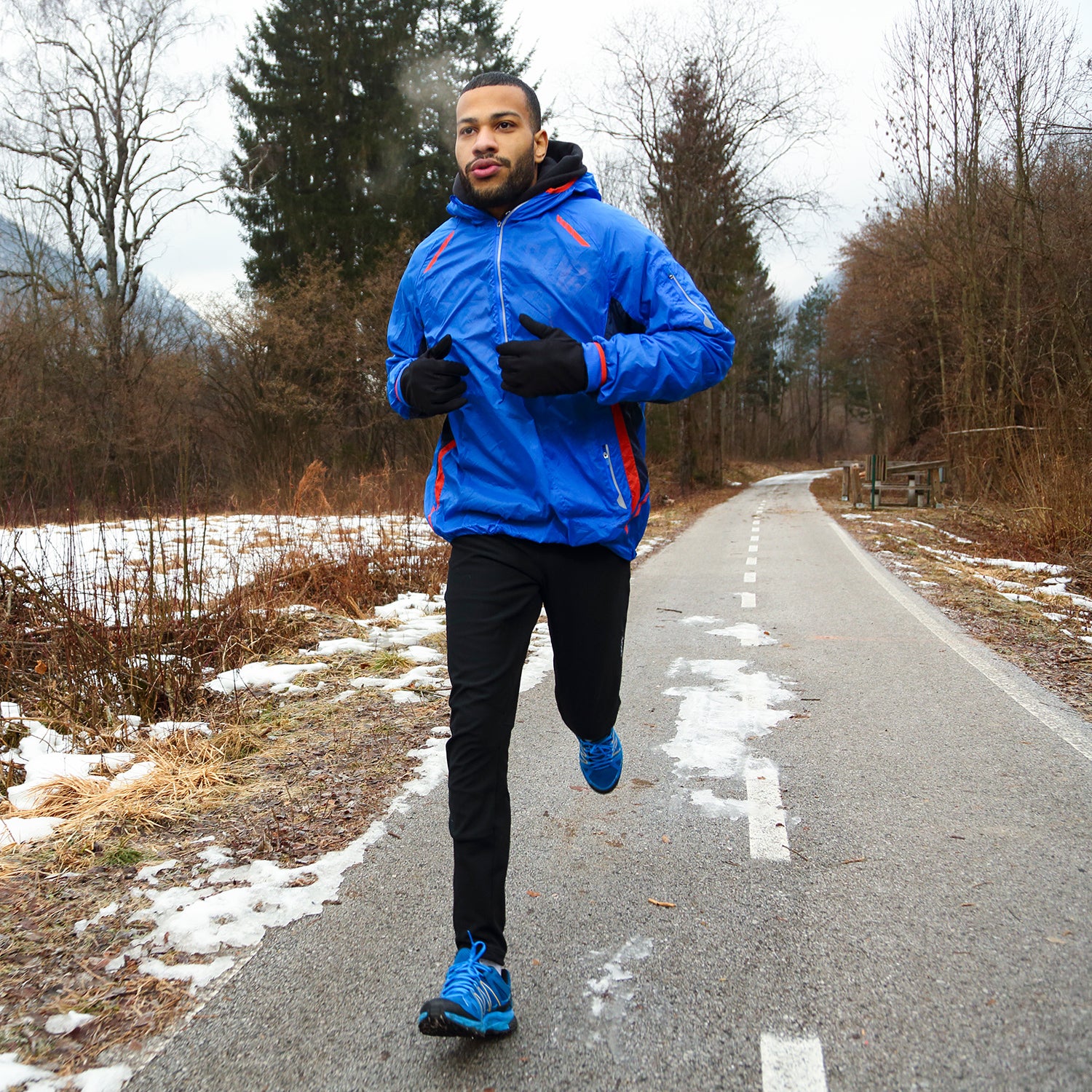
When the temperature drops, staying active can feel like a challenge. But with the right running outfit for cold weather, you can keep moving comfortably and safely.
Imagine stepping outside without shivering or feeling weighed down by bulky clothes. You want gear that keeps you warm, dry, and free to run your best. You’ll discover simple, practical tips to choose the perfect cold-weather running clothes. Ready to make your winter runs more enjoyable?
Let’s dive in and find out how to dress smartly for the chill.
Credit: www.healingwithhorsesranch.org
Choosing Base Layers
Choosing the right base layers is key for running in cold weather. Base layers sit next to your skin and help keep you warm. They also move sweat away from your body. This keeps you dry and comfortable during your run. Picking the correct base layers can make your cold-weather runs much better.
Materials That Keep You Warm
Wool is a popular choice because it keeps heat even when wet. Merino wool is soft and does not itch. Synthetic fabrics like polyester dry fast and wick moisture well. Avoid cotton as it holds sweat and makes you cold. Look for base layers with a mix of wool or synthetics for best warmth.
Fit And Comfort Tips
Base layers should fit snugly but not squeeze your body. Tight layers trap heat and help moisture move away. Loose layers may cause chafing and let cold air in. Choose a comfortable fit that allows easy movement. Check for flat seams to prevent skin irritation during your run.

Credit: everestkitchennc.com
Insulating Mid Layers
Choosing the right insulating mid layer is key for running in cold weather. This layer keeps your body warm by trapping heat. It fits between your base layer and outer shell. A good mid layer helps you stay comfortable without overheating. It also allows your skin to breathe during exercise.
Best Fabrics For Insulation
Wool is a popular fabric for mid layers. It keeps warmth even when wet and is soft on the skin. Fleece is another great choice. It is lightweight and dries quickly. Synthetic materials like polyester also work well. They provide warmth and wick away sweat. Look for fabrics that are breathable and flexible. Avoid heavy materials that restrict movement.
Layering Strategies For Flexibility
Start with a thin base layer to manage moisture. Add a mid layer that fits snugly but allows movement. Choose mid layers with zippers or vents for easy temperature control. You can remove or add layers as your body heats up. This approach helps you run longer without feeling too hot or cold. Always test your layers before heading out for a run.
Protective Outer Layers
Choosing the right outer layer is key for running in cold weather. This layer protects against wind, rain, and snow. It keeps the body warm and dry. A good outer layer helps maintain comfort during your run. Picking the right material and design matters most.
Windproof And Waterproof Options
Wind can chill the body quickly. Windproof jackets block cold air from reaching the skin. Waterproof materials stop rain and snow from soaking your clothes. Look for jackets with sealed seams to keep water out. Lightweight options allow easy movement while running. A jacket with a hood offers extra protection for your head and neck.
Breathability Considerations
Running makes you sweat, even in cold weather. Breathable fabrics let sweat escape. This prevents overheating and moisture buildup inside your jacket. Look for materials like Gore-Tex or similar membranes. These fabrics balance water resistance with air flow. Ventilation zippers under the arms help release excess heat. Breathability keeps you dry and comfortable on every run.
Cold Weather Running Accessories
Running in cold weather needs more than just warm clothes. Accessories help protect your hands, head, and feet. They keep you warm and comfortable. They also stop heat loss from key body parts. Choosing the right cold weather running accessories makes a big difference.
Gloves And Mittens
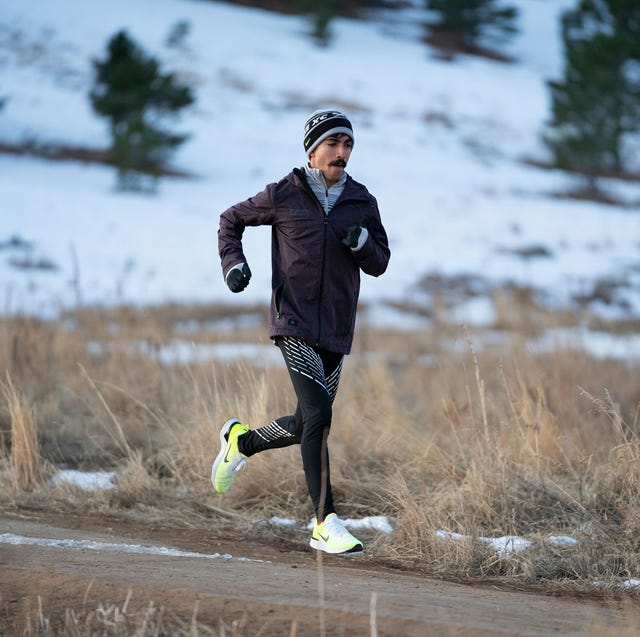
Gloves keep your fingers warm and flexible. Look for gloves made from windproof and moisture-wicking materials. Mittens trap more heat by keeping fingers together. Some runners prefer liners inside gloves for extra warmth. Make sure gloves fit well and do not block movement.
Headgear And Neck Warmers
Heat escapes quickly from your head. A warm hat or headband helps keep body heat in. Choose hats that cover ears for better protection. Neck warmers or buffs shield your neck and face from cold air. They are easy to adjust or remove as needed.
Socks And Footwear
Cold feet can end a run early. Wear socks made of wool or synthetic fibers to keep feet dry and warm. Avoid cotton socks because they hold moisture. Waterproof or insulated running shoes protect feet from snow and rain. Proper footwear improves comfort and safety on slippery roads.
Safety And Visibility Gear
Running in cold weather means shorter daylight and darker paths. Safety becomes a top priority. Visibility helps you stay seen by drivers and others. The right gear keeps you safe and confident. Bright colors and lights make a big difference. Let’s explore some key safety and visibility gear for cold runs.
Reflective Clothing
Reflective clothing shines when light hits it. It helps drivers spot you from far away. Look for jackets, vests, or pants with reflective strips. These strips work well in low light. Choose clothes that cover your arms and legs. This way, you stay visible from all sides. Reflective gear also adds a layer of warmth. Pick breathable fabrics to stay comfortable.
Lighting Options For Early Or Late Runs
Headlamps and clip-on lights brighten your path. They let you see and be seen. Headlamps keep your hands free. Clip-on lights attach to your clothes or shoes. Use red or white lights for better visibility. Some lights flash to catch attention. Choose lightweight and water-resistant options. Always charge your lights before running. Bright lights reduce the risk of accidents.
Tips For Staying Warm While Running
Running in cold weather can be tough without the right tips. Staying warm helps keep muscles safe and body strong. Small actions before, during, and after a run make a big difference. These tips help you enjoy running even in chilly weather.
Pre-run Warm-up Techniques
Warm-up prepares your body for cold outdoor runs. Start with light movements like walking or jogging in place. This raises your body temperature slowly. Stretch your muscles gently to reduce injury risk. Warm-up indoors to avoid cold shock before heading out. Spend 5 to 10 minutes warming up for better performance.
Managing Sweat And Moisture
Sweat can make you colder if it stays on your skin. Wear moisture-wicking clothes to pull sweat away. Avoid cotton because it holds moisture and chills you. Layer your clothing to trap heat but allow sweat to escape. Use breathable fabrics that dry quickly during your run.
Post-run Cooling And Recovery
After running, your body cools fast and can get cold quickly. Change out of wet clothes as soon as possible. Put on dry, warm layers to keep heat in. Drink warm fluids to help your body recover. A gentle stretch after changing clothes helps muscles relax.
Credit: www.healingwithhorsesranch.org
Frequently Asked Questions
What Is The Best Fabric For Cold Weather Running Outfits?
The best fabric is moisture-wicking polyester or merino wool. These fabrics keep you dry and warm by managing sweat effectively during cold runs.
How Should I Layer Clothes For Cold Weather Running?
Start with a moisture-wicking base layer, add an insulating middle layer, and finish with a windproof, breathable outer layer. This layering traps heat and protects against wind.
Are Thermal Running Tights Good For Cold Weather?
Yes, thermal tights provide insulation and retain warmth while allowing flexibility. They help keep your legs warm without overheating during cold runs.
Should I Wear Gloves And Hats While Running In Cold Weather?
Absolutely, gloves and hats prevent heat loss from extremities. They protect your hands and head, keeping you comfortable and reducing frostbite risk.
Conclusion
Cold weather running needs smart clothing choices. Dress in layers to stay warm and dry. Choose breathable fabrics to avoid sweat build-up. Don’t forget gloves and a hat for extra warmth. Good shoes with grip help prevent slips. Staying comfortable helps you enjoy every run.
Keep moving, stay safe, and feel good outside. Your body will thank you for proper gear. Running in cold weather can be fun and healthy. Just prepare well, and you’ll do great.
