

Rash Guards for Women A Practical Guide for Active Swimmers
Updated on: 2026-01-01
This guide explores rash guards for women and how to choose a comfortable, flattering, and long-lasting swim shirt for pool, surf, and sun. You will learn how fabric, fit, coverage, and durability work together to support movement and skin comfort. We also share fit tips, care advice, and a brief personal story to make the buying process kinder and easier. A short Q&A at the end answers common questions about sizing, UPF ratings, and when to wear these tops.
- Introduction Paragraph
- A Gentle Guide to rash guards for women
- Did You Know?
- Expert Tips
- Personal Anecdote
- Summary & Takeaways
- Q&A Section
- About the Author Section
Introduction Paragraph
Finding a swim shirt that feels good, moves with you, and holds up to sun, salt, or chlorine can be surprisingly simple with the right guidance. The goal is to enjoy the water with easy comfort—without tugging, overheating, or worrying about coverage. Whether you paddle, lap swim, or play with family on the shore, a thoughtful approach to fabric, fit, and details helps you feel calm and prepared.
A Gentle Guide to rash guards for women
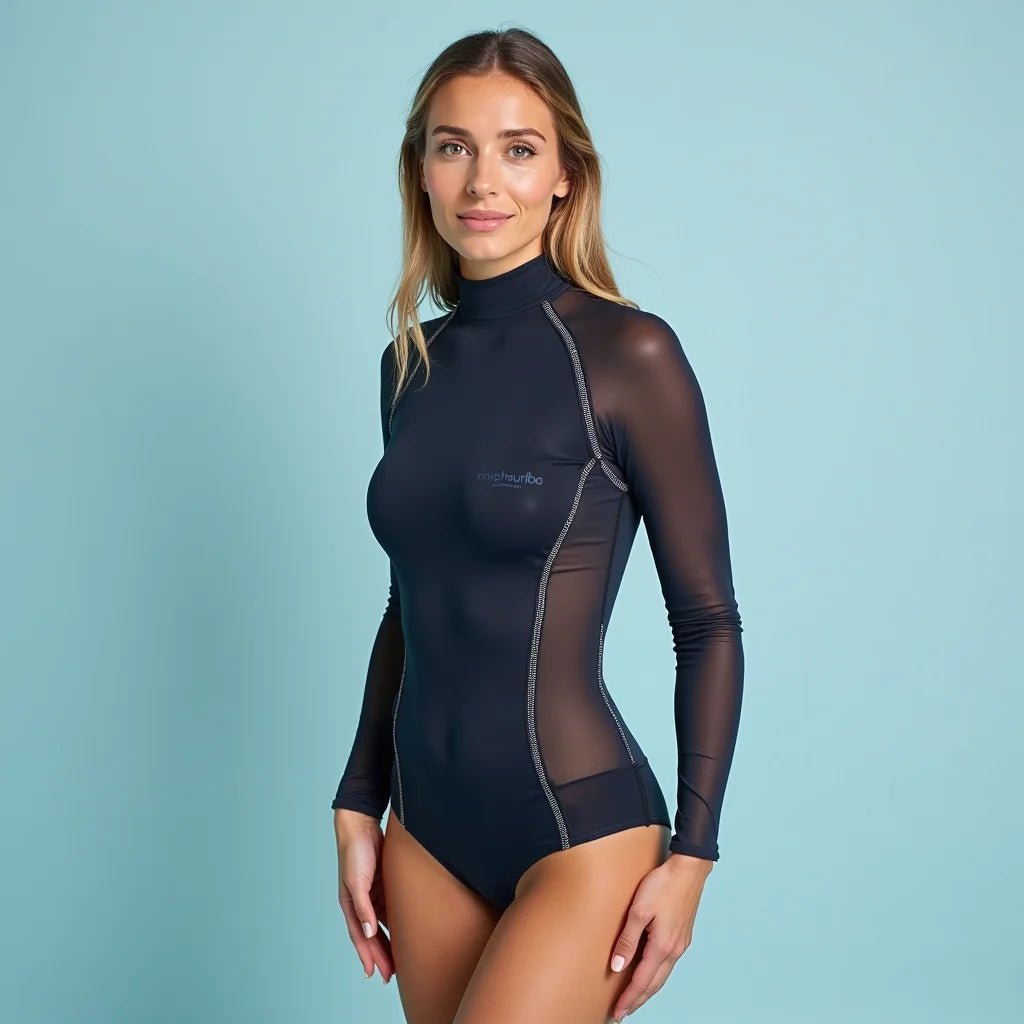
Start with fabric. A smooth blend of nylon or polyester with elastane (spandex) offers stretch and recovery, so your top returns to shape after reaching or twisting. For frequent pool use, chlorine-resilient polyester blends tend to last longer. For beach days and surfing, lightweight nylon blends feel silky and quick-drying. Many options include UPF-rated materials that help block UV rays; look for clearly stated ratings from reputable brands and care instructions that preserve those qualities.
Consider breathability and thickness. A midweight knit often balances modesty and airflow. If you prefer a lighter feel, choose a thinner knit with a dense, non-sheer finish. If you want warmth for dawn sessions or cooler water, a slightly thicker fabric (not neoprene, but a heavier knit) may feel reassuring without adding bulk.
Fit comes next. A streamlined, body-skimming cut reduces drag in water and prevents fabric from billowing. If you plan to layer a bikini or sports top underneath, allow gentle ease at the bust and shoulders. Shoulder mobility matters for paddling or strokes, so test range of motion by extending your arms forward and overhead. Flatlock or bonded seams help minimize rubbing; the smoother the interior, the kinder it feels on long days outside.
Coverage choices are personal. Long sleeves offer more arm coverage; short sleeves or cap sleeves feel cooler in mid-summer. Higher necklines can feel secure during active movement, while a crew neck or slight scoop may feel more relaxed. Hem length should sit at or just below your natural hip when dry. A curved or slightly longer back hem can help the top stay put during bends and reaches.
Closures and construction details add usability. A half-zip lets you vent heat and makes on-off easier when the fabric is damp. Wide, flexible cuffs reduce pressure on forearms. Some designs include internal grip prints at the hem to reduce riding up. Colorfast prints and solid dyes that are tested for fade resistance keep your top looking fresh after many washes.
Style and coordination can be simple and enjoyable. Solid colors pair easily with patterned bottoms and vice versa. If you prefer a streamlined look, match tones within a single palette—charcoal with slate, sand with cream, or navy with sky. For a playful touch, try contrast stitching or color-block panels that create gentle visual structure without feeling loud.
When it comes to responsible care, rinse your swim shirt in cool water after wear, then hand-wash or machine-wash on delicate in a garment bag. Mild detergent and air drying protect stretch yarns and keep the hand-feel soft. Avoid high heat when drying. These steps help maintain shape, color, and the integrity of any sun-blocking features.
If you are browsing options and want a simple starting point, you might find it helpful to explore styles to compare sleeve lengths, zips, and colors in one place. For a broader view of categories and fits, the shop collections page makes it easy to filter by size, color family, and activity.
Did You Know?
- Flatlock stitching places seam allowances side-by-side, helping reduce chafe during repetitive motion in water.
- Fabric density, knit structure, and color all influence how opaque and durable a swim shirt feels.
- Rinse after saltwater or pool sessions to remove deposits that can stress stretch fibers over time.
- Long sleeves can feel cooler than expected when the fabric is light and fast-drying, thanks to reduced direct sun on skin.
- Half-zip designs are helpful for quick changes and gentle ventilation between sessions.
Expert Tips
- Fit test while moving: circle your arms, reach forward, and rotate your torso. A good top stays aligned without digging or twisting.
- Check opacity in bright light to ensure confidence when wet. A denser knit often feels more secure.
- Prioritize seam comfort. Smooth, low-profile seams matter most at the underarm and side body.
- Choose color with care: darker shades may mask signs of wear longer; lighter tones can feel cooler in direct sun.
- Plan your base layer. If adding a bikini or sports bra, consider the neckline and strap positions to avoid pressure points.
- Care kindly: cold rinse, mild detergent, and air dry to preserve stretch and color.
Personal Anecdote
On a calm morning paddle, I wore an older, looser top that seemed fine on land. Once I started moving, it billowed and twisted, and I found myself tugging it back into place instead of enjoying the glide. The next time, I chose a smoother, closer fit with a half-zip and flat seams. The difference was immediate—I stayed focused on the water, felt less drag, and finished the paddle feeling comfortable and relaxed.
Summary & Takeaways
A considerate swim shirt balances stretch, coverage, and comfort so you can move without distraction. Focus on soft, resilient fabrics, smooth seams, a stable hem, and a sleeve length that suits your climate and activity. A few small details—like a half-zip, fade-resistant dye, and careful care—go a long way.
- Choose a fabric blend that fits your routine: polyester-rich for pool longevity, nylon-rich for a silky beach feel.
- Seek body-skimming cuts that allow full shoulder movement without compression.
- Confirm opacity and colorfastness for lasting confidence and style.
- Rinse promptly and air dry to help preserve stretch and appearance.
- When deciding among designs, it may help to compare options on a single page, such as the shop collections section.
If you prefer extra clarity on delivery timing or exchanges while you consider options, the shipping policy and returns policy pages may be helpful references as you plan your purchase.
Q&A Section
What size should I choose if I am between sizes?
A swim shirt should feel gently secure without restricting your shoulders or chest. If you plan active movement like paddling or surfing, a closer fit reduces drag and keeps fabric from shifting. If you prefer a relaxed feel for casual beach time, going slightly roomier can add comfort for layering. When in doubt, review garment measurements and consider your base layers to decide where you want the ease to be.
How do UPF ratings work on swim shirts?
UPF indicates how effectively fabric helps block UV rays. Higher numbers signal stronger protection under standardized testing. These ratings apply to the material—not your skin—and can be affected by wear, stretch, and wash routines. Following the care instructions supports the fabric’s performance over time.
Should I pick long-sleeve or short-sleeve?
It depends on your climate, sun exposure, and comfort preferences. Long sleeves offer more coverage and can feel surprisingly cool when the fabric is light and breathable. Short sleeves feel airy in peak heat and may be easier to layer under casual clothing. Many people keep both, using long sleeves for midday or longer sessions and short sleeves for quick dips.
What fabrics feel best in warm weather?
Lightweight knits with smooth yarns and balanced stretch tend to feel soft and quick-drying. Look for blends that emphasize breathability and moisture management. A half-zip can add welcome airflow during breaks between swims.
How can I reduce chafing during long sessions?
Choose tops with flatlock or bonded seams, especially at the underarm and side panels. A body-skimming fit helps fabric stay aligned with your movement. Rinsing salt and sand away after wear also helps the interior remain smooth.
About the Author Section
Ryver Greene
Ryver Greene is a content strategist who focuses on swimwear fit, fabric performance, and customer education. With a background in product storytelling for active apparel, Ryver enjoys translating technical details into kind, practical guidance. Thank you for reading—wishing you many calm, comfortable days by the water.
