

Rash Guard Vs T Shirt: Ultimate Comfort and Protection Showdown
Are you torn between choosing a rash guard or a T-shirt for your next outdoor adventure? Picking the right gear can make all the difference in comfort, protection, and performance.
Whether you're hitting the waves, going for a run, or just spending time in the sun, understanding the key differences will help you make the best choice for your needs. Keep reading to discover which option suits your lifestyle and why it matters more than you might think.
Material Differences
Understanding the material differences between a rash guard and a t-shirt helps choose the right gear. Both serve different purposes because of their fabric types and qualities. These differences affect comfort, protection, and performance during activities.
Fabric Composition
Rash guards usually contain polyester and spandex blends. This mix offers flexibility and a tight fit on the skin. T-shirts mostly use cotton or cotton blends. Cotton feels soft but can absorb water and become heavy.
Breathability And Moisture Wicking
Rash guards are designed to dry quickly and move sweat away from the body. This keeps the skin dry and cool during exercise. T-shirts absorb sweat, which can make them clingy and uncomfortable. They do not dry as fast as rash guards.
Durability And Stretch
Rash guards have strong, stretchy fabrics that resist tearing and damage. They hold their shape even after many uses and washes. T-shirts stretch less and wear out faster. They may lose shape or develop holes with rough use.

Credit: www.elitesports.com
Comfort Comparison
Comfort plays a big role in choosing between a rash guard and a t-shirt. Both have unique qualities that affect how they feel on your skin. This section compares their comfort based on fit, skin sensitivity, and temperature control.
Fit And Flexibility
Rash guards fit tightly to the body. They stretch with your movements and keep close contact with the skin. This makes them good for active sports or water activities.
T-shirts have a looser fit. They allow more air but can shift during motion. This may cause some discomfort during intense activities.
Chafing And Skin Sensitivity
Rash guards reduce chafing by staying smooth against the skin. They protect sensitive areas from rubbing and irritation. The fabric is soft and designed for comfort.
T-shirts may cause chafing in wet or rough conditions. Their seams and loose fit can irritate sensitive skin. Wet fabric can feel heavy and uncomfortable.
Temperature Regulation
Rash guards help keep your body temperature stable. They dry quickly and protect from sun exposure. This helps prevent overheating or chills.
T-shirts absorb sweat and can stay wet longer. This may make you feel cold or sticky. They offer less protection from the sun’s heat.
Protection Features
Protection features are key when choosing between a rash guard and a T-shirt. These clothes serve different purposes beyond style. Understanding their protection helps you pick the right one for your activities.
Both cover your skin, but their materials and design affect how well they protect. Let’s explore how they differ in UV protection, abrasion resistance, and defense against water and wind.
Uv Protection
Rash guards usually offer strong UV protection. They are made with fabrics that block harmful sun rays. Many have built-in UPF ratings to show how well they shield skin.
T-shirts provide some sun protection but less than rash guards. Their cotton or polyester fabric often allows more UV rays through. Dark-colored or tight-weave T-shirts offer better sun defense.
Abrasion Resistance
Rash guards excel at protecting skin from scrapes and rashes. Their stretchy, smooth fabric reduces friction during sports or water activities. This prevents skin irritation and injury.
T-shirts are less resistant to abrasion. They can wear out or tear easily when rubbed hard. Their looser fit and rougher material make them less ideal for rough conditions.
Water And Wind Defense
Rash guards dry quickly and keep you comfortable in water. Their fabric repels water and blocks wind better than regular T-shirts. This helps keep your body warm during water sports.
T-shirts absorb water and stay wet longer. They offer little wind protection and can make you feel cold after swimming. For water or windy environments, rash guards provide better defense.

Credit: www.clubedelutas.com.au
Use Case Scenarios
Choosing between a rash guard and a t-shirt depends on how you plan to use them. Each has strengths suited to different activities. Understanding the best use case helps you pick the right gear for comfort and protection.
Water Sports And Activities
Rash guards are perfect for water sports. They protect skin from sunburn and irritation caused by salt or sand. These shirts dry quickly and fit snugly, reducing drag in the water. T-shirts soak up water and become heavy, making swimming harder. For surfing, snorkeling, or paddleboarding, rash guards offer better comfort and safety.
Casual Wear And Exercise
T-shirts work well for casual wear and light exercise. They are soft and breathable, good for walking or gym workouts. Rash guards can feel tight and warm outside the water. For running or yoga, a t-shirt allows more airflow and comfort. Choose t-shirts for everyday use and easy movement.
Outdoor Adventures
Outdoor activities need clothing that protects from sun and insects. Rash guards provide extra coverage and block harmful UV rays. They also help prevent scratches from plants during hiking or climbing. T-shirts are less protective but more comfortable for cooler weather. Use rash guards for sunny or rough environments, and t-shirts for mild conditions.
Style And Design Options
The style and design of rash guards and t-shirts offer different choices for various tastes and needs. Both have unique looks that suit casual wear and sports activities. Understanding these differences helps you pick the right option for your wardrobe.
Color And Patterns
Rash guards often come in bright colors and bold patterns. They feature geometric shapes, stripes, or even tropical prints. These designs make them popular for water sports and outdoor fun. T-shirts provide a wider range of colors, from plain to graphic prints. You can find simple solid colors or shirts with logos and images. This variety fits everyday style and casual settings.
Fit Variations
Rash guards usually have a snug fit. This tight design protects skin and improves movement. They stretch well and stay close to the body. T-shirts come in many fits: slim, regular, or loose. This range allows more freedom and comfort for daily wear. The loose fit t-shirts give a relaxed look, while slim fits offer a modern style.
Layering Potential
Rash guards work well as base layers under wetsuits or jackets. Their thin fabric fits easily under other clothes. This makes them great for water sports and cold weather. T-shirts can also layer under sweaters or jackets. They add warmth and style without feeling tight. Layering t-shirts provides more outfit options for different seasons.
Cost And Value
Cost and value play a big role in choosing between a rash guard and a t-shirt. Both have different price points and benefits. Understanding their costs helps you decide what fits your budget and needs best. Let’s explore the price range, how long they last, and what makes them a good investment.
Price Range
T-shirts are usually cheaper than rash guards. You can find basic t-shirts at low prices in many stores. Rash guards often cost more because of their special materials. These materials protect skin from sun and water damage. The price depends on brand, fabric, and features like UV protection or quick-dry fabric.
Longevity And Maintenance
Rash guards last longer than regular t-shirts. They are made to resist stretching, fading, and damage from saltwater. T-shirts can wear out faster, especially when used in water sports. Rash guards need gentle washing to keep their quality. T-shirts are easier to wash but may lose shape and color quickly.
Overall Investment
Buying a rash guard means paying more upfront but getting more use. They protect your skin and stay in good shape longer. T-shirts cost less but might need replacing often. Think about how often you will use the item. For regular water activities, rash guards offer better value over time.
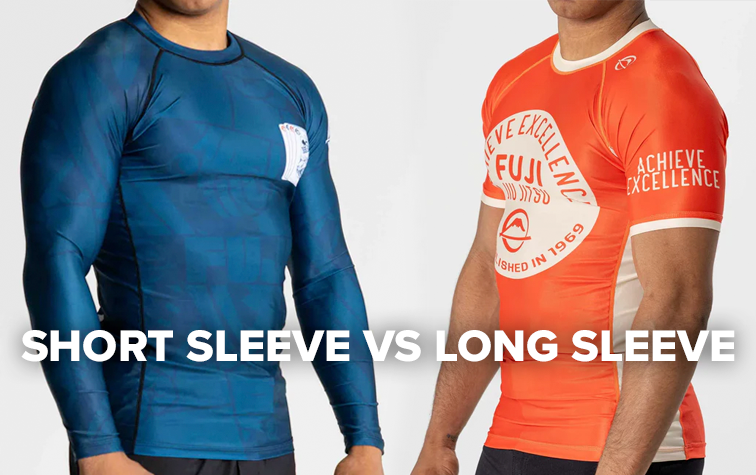
Credit: jiujitsu.com
Frequently Asked Questions
What Is The Main Difference Between Rash Guards And T-shirts?
Rash guards are designed for water sports, offering UV protection and quick drying. T-shirts are casual wear, made from cotton, and lack water resistance or UV protection.
Are Rash Guards Better Than T-shirts For Swimming?
Yes, rash guards are better for swimming. They provide a snug fit, reduce chafing, and dry quickly. T-shirts absorb water and become heavy when wet.
Can I Wear A Rash Guard Instead Of A T-shirt Daily?
You can wear rash guards daily, but they are less breathable than cotton t-shirts. Rash guards are better for active or outdoor use with sun protection.
Do Rash Guards Offer Uv Protection Unlike Regular T-shirts?
Yes, most rash guards have built-in UPF protection to block harmful UV rays. Regular t-shirts usually offer minimal or no UV protection.
Conclusion
Choosing between a rash guard and a T-shirt depends on your needs. Rash guards protect your skin from sun and surf. T-shirts offer comfort and casual style. Both have their place in your wardrobe. Think about your activity and weather before picking.
Wearing the right gear helps you stay safe and comfortable. Simple choices make your outdoor time better. Try each to see what fits you best. The right clothing makes all the difference.
