

Rash Guard Vs Swim Shirt: Ultimate Guide to Choose the Best Gear
Are you confused about whether to choose a rash guard or a swim shirt for your next water adventure? You’re not alone.
Both offer protection and style, but they serve different purposes that can affect your comfort and safety in the water. Imagine feeling fully protected from sunburn, irritation, and even jellyfish stings—all while staying cool and comfortable. Keep reading to discover which option suits your needs best and makes your time in the water more enjoyable than ever.
Credit: solidsurfhouse.com
Rash Guard Basics
Rash guards are special shirts made for water sports and outdoor activities. They protect your skin and keep you comfortable. Understanding the basics helps you choose the right one.
These shirts are different from regular swimwear. They offer more than just style. Knowing their material, design, and uses is important.
Material And Design
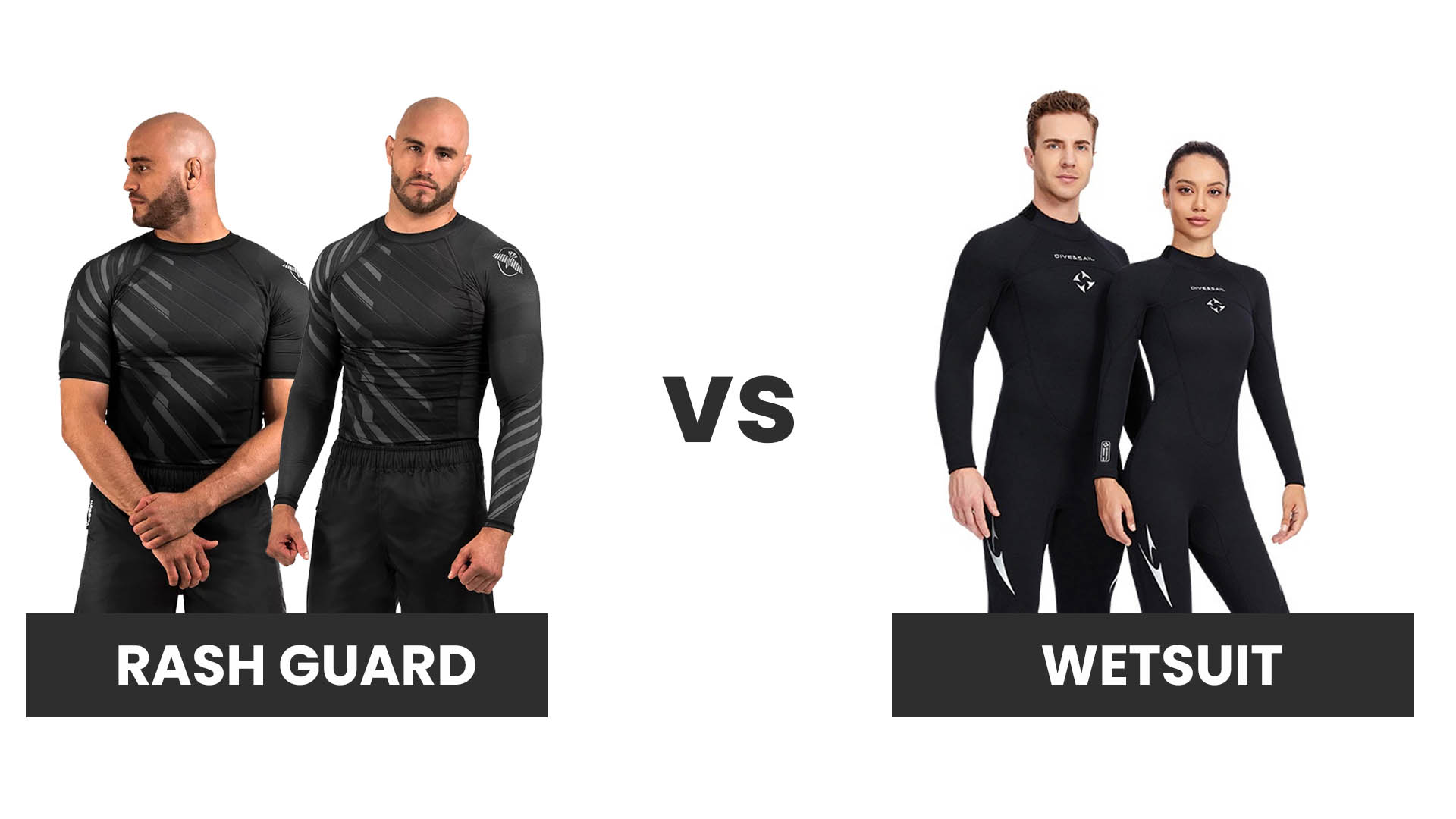
Rash guards are made from stretchy, quick-dry fabrics like nylon and spandex. These materials fit snugly to the body. This tight fit stops the shirt from moving too much in the water. The design often includes long sleeves and a high neck. This covers more skin from sun and irritation.
Protection Features
Rash guards protect against sunburn with built-in UV protection. They also prevent rashes caused by friction from surfboards or sand. The fabric blocks harmful UV rays effectively. Some have extra padding on the shoulders or chest for more safety.
Common Uses
People wear rash guards for surfing, swimming, snorkeling, and paddleboarding. They also use them for beach volleyball and other outdoor sports. Rash guards work well in both saltwater and freshwater. They help keep your skin safe and reduce irritation.
Swim Shirt Essentials
Swim shirts offer more than just style. They protect your skin and keep you comfortable in water. Knowing the essentials helps you pick the right swim shirt for your needs.
Fabric And Fit
Swim shirts use lightweight, quick-dry fabric. Common materials include polyester and nylon blends. The fit is snug but not tight. It should allow easy movement. Look for stretchy fabrics that fit close to your body. This reduces drag in the water.
Sun Protection
Swim shirts block harmful UV rays from the sun. Many have built-in UPF ratings. UPF 50+ offers excellent protection. Covering your skin reduces sunburn risk. It also lowers chances of long-term skin damage.
Typical Activities
Swim shirts suit many water activities. Great for swimming, surfing, and paddleboarding. Also useful for beach walking and snorkeling. They protect skin during long outdoor sessions. Swim shirts work well for kids and adults alike.
Comparing Comfort And Fit
Comfort and fit are key factors when choosing between a rash guard and a swim shirt. Both protect your skin but feel different on the body. Understanding these differences helps you pick the right option for your water activities.
Stretch And Flexibility
Rash guards are made from stretchy fabrics like spandex. This allows full movement without feeling tight. Swim shirts usually have less stretch and can feel looser. Rash guards hug the body, which helps reduce drag in the water.
Breathability
Swim shirts often use lightweight, breathable materials. They let air pass through easily, keeping you cool. Rash guards can feel warmer because they are thicker. Some rash guards include mesh panels to improve airflow.
Sizing Differences
Rash guards fit snugly and may need precise sizing. A tight fit is important for protection and comfort. Swim shirts have a relaxed fit and are easier to size. They offer more room and feel less restrictive.

Credit: www.youtube.com
Sun Protection And Safety
Protecting your skin from the sun is important when swimming or spending time outdoors. Both rash guards and swim shirts offer ways to reduce sun damage. Understanding their sun protection and safety features helps you pick the best option.
Sun protection goes beyond just blocking UV rays. It also means covering sensitive areas and adding safety elements for water activities. Let’s explore how rash guards and swim shirts compare in these areas.
Upf Ratings
UPF stands for Ultraviolet Protection Factor. It shows how well fabric blocks UV rays. Most rash guards and swim shirts have UPF ratings of 50+. This means they block 98% of UV rays. A high UPF rating lowers the chance of sunburn and skin damage.
Check the label to confirm the UPF rating. Not all swim shirts offer strong sun protection. Rash guards usually have better UPF because they are made for active water sports.
Coverage Areas
Rash guards often fit tighter and cover more skin. They usually protect the chest, back, arms, and shoulders. Some even have long sleeves and high necklines for extra coverage.
Swim shirts tend to have a looser fit. They cover the torso and sometimes the upper arms. The neck and lower arms may remain exposed to the sun. Consider your needs when choosing coverage.
Additional Safety Benefits
Rash guards help prevent rashes from surfboards or reef contact. They reduce skin irritation and cuts. Swim shirts offer similar protection but are less snug.
Both garments dry quickly, reducing chills after swimming. They can also add a layer of warmth in cool water. These features improve comfort and safety during water activities.
Durability And Maintenance
Durability and maintenance are key for choosing between a rash guard and a swim shirt. Both protect your skin, but their strength and care differ. Understanding these differences helps you pick the right one for long use.
Resistance To Wear
Rash guards often use thicker, stronger fabrics. They resist stretching and tearing well. Swim shirts are lighter and softer but may wear out faster. Frequent exposure to sun and water can weaken both. Rash guards suit rough activities better. Swim shirts work well for casual use.
Care Instructions
Rash guards need gentle washing in cold water. Avoid bleach or harsh detergents. Air drying extends their fabric life. Swim shirts also require cold water wash. They dry quickly but can shrink in hot dryers. Both should avoid ironing and dry cleaning. Proper care keeps colors bright and fabric intact.
Longevity
Rash guards usually last longer due to strong material. They keep shape and color for many seasons. Swim shirts may fade or lose fit sooner. Lifespan depends on use and care. More intense use lowers lifespan. Good maintenance helps both last longer.
Style And Appearance
Style and appearance play a big role in choosing between a rash guard and a swim shirt. Both offer protection, but their looks can change how you feel wearing them. These pieces are designed to fit well and look good on the water or at the beach. Your choice can reflect your personal taste and how you want to be seen.
Color Options
Rash guards come in many bright and bold colors. You can find neon, solid shades, and even pastels. Swim shirts often have more basic colors like blue, black, or white. Some brands offer swim shirts in soft tones that match many outfits. Color choice affects your mood and visibility in the water.
Patterns And Designs
Rash guards offer a wide variety of patterns. You can find stripes, tropical prints, and even camo designs. Swim shirts tend to have simpler patterns or none at all. Some swim shirts feature logos or small prints. Patterns add personality and make your swimwear stand out.
Versatility
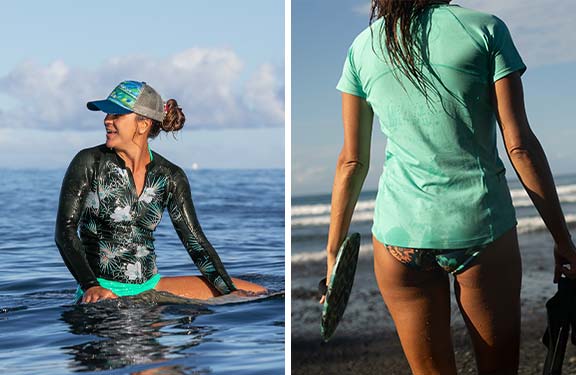
Swim shirts often look like regular T-shirts, so you can wear them off the beach. Rash guards have a sportier look, best for water activities. Swim shirts work well for casual walks or poolside. Rash guards fit better for surfing, diving, or paddleboarding. Choose based on where you want to wear them most.
Price And Value
Price and value play a big role in choosing between a rash guard and a swim shirt. Both offer protection and comfort in water activities. Yet, their costs and what you get for the price can differ. Understanding these differences helps you pick the best fit for your needs and budget.
Cost Comparison
Rash guards often cost more than swim shirts. This is because they use special materials for extra protection against sun and rashes. Swim shirts are usually simpler and cheaper. Prices for rash guards range from $20 to $60. Swim shirts may cost between $10 and $30. The price depends on brand, fabric, and features.
Quality Vs. Price
Higher price usually means better quality in rash guards. They last longer and protect better from sun and abrasions. Swim shirts may not last as long but are fine for casual use. Look at fabric thickness, stitching, and UV protection rating. These factors show if the price matches the quality. Cheap rash guards can wear out fast. Cheap swim shirts might not block enough sun.
Investment Tips
Buy a rash guard if you swim often or need strong sun protection. It is a good long-term investment. Choose a swim shirt for light water activities or short use. Check reviews and fabric details before buying. Spend a little more for better durability and comfort. Replace worn-out gear to keep safe and comfortable.
Choosing Based On Activity
Choosing the right gear depends on the activity you plan to do. Rash guards and swim shirts both protect your skin but serve different needs. Picking the best option helps you stay comfortable and safe in the water or outdoors.
Surfing And Water Sports
Rash guards are ideal for surfing and water sports. They fit tightly to prevent rashes from the board. Their quick-dry fabric keeps you warm and stops chafing. Swim shirts may feel loose and get in the way during active moves.
Casual Swimming
Swim shirts work well for casual swimming. They offer good sun protection and comfort. Their looser fit allows easy movement in the pool or beach. Rash guards might feel too tight or warm for relaxed swimming.
Outdoor Adventures
For hiking, kayaking, or beach walks, swim shirts are a smart choice. They protect from sunburn and dry fast after water contact. Rash guards suit more intense water activities but may be less comfortable on land. Consider your main activity before choosing your top.
User Reviews And Recommendations
User reviews and recommendations provide real insight into rash guards and swim shirts. They show what people like and dislike. This helps readers decide which option suits them best. Reviews often highlight comfort, fit, and durability. Recommendations come from users who have tested these products in real conditions.
Many users share their experiences online. This feedback helps others avoid common mistakes. It also points out the best features of each product. Knowing what experts and everyday users say can guide your choice.
Top Brands
Several brands lead the market for rash guards and swim shirts. They focus on quality and performance. Popular names include O'Neill, Rip Curl, and Quiksilver. These brands receive high praise for fabric and fit. Customers trust them for both casual and active use.
Other brands like Speedo and Columbia also get good reviews. They offer a variety of styles and sizes. Their products often include UV protection. Users feel safe wearing these brands under the sun.
Popular Models
Some models stand out for their features and comfort. The O'Neill Basic Skins Rash Guard is a favorite. It fits well and dries quickly. Another popular choice is the Speedo Swim Shirt. Users like its lightweight material and stretch.
The Columbia PFG Terminal Tackle Shirt also gets positive feedback. It offers sun protection and breathability. These models suit swimmers, surfers, and beachgoers alike. Many users praise their durability in water and sun.
Expert Tips
Experts suggest choosing rash guards with good UV protection. Look for fabrics rated UPF 50+. Fit matters too. Clothes should be snug but not tight. This prevents chafing and keeps you comfortable.
Washing instructions are important. Use mild detergents to keep the fabric strong. Avoid bleach or fabric softeners. Experts also advise buying from trusted sellers. This ensures authentic products and proper sizing.
Credit: www.titlenine.com
Frequently Asked Questions
What Is The Main Difference Between Rash Guards And Swim Shirts?
Rash guards are designed for protection against rashes and UV rays. Swim shirts primarily offer sun protection with a looser fit. Rash guards are tighter and made for active water sports, while swim shirts focus on casual wear and comfort.
Which Is Better For Sun Protection: Rash Guard Or Swim Shirt?
Both provide UV protection, but rash guards often have higher UPF ratings. Swim shirts protect well too, but rash guards fit snugly, reducing sun exposure more effectively. Choose based on your activity level and comfort preference.
Can Rash Guards Be Used As Swim Shirts?
Yes, rash guards can function as swim shirts since they offer sun protection and quick-drying materials. However, rash guards are tighter and designed for active sports, while swim shirts are looser and casual. Both serve well in water environments.
Are Swim Shirts Suitable For Water Sports Activities?
Swim shirts are comfortable and provide sun protection but lack the tight fit of rash guards. Rash guards are better for intense water sports due to their snug fit and rash prevention. Swim shirts suit casual swimming and beachwear better.
Conclusion
Choosing between a rash guard and a swim shirt depends on your needs. Rash guards fit tightly and protect well from surfboard rashes. Swim shirts offer looser comfort and good sun protection. Both help prevent sunburn and skin irritation. Think about your activity and style preferences.
Either option keeps you safe in the water. Stay comfortable and enjoy your time swimming or surfing. Simple choices can make a big difference outdoors.
