

Outfit for Running: Ultimate Guide to Boost Performance & Comfort
Choosing the right outfit for running can make all the difference in your performance and comfort. You want to feel free, confident, and ready to move without distractions.
But with so many options out there, how do you pick what works best for you? This guide will help you discover the perfect running outfit that matches your style, keeps you comfortable, and boosts your motivation every time you hit the road.
Keep reading to unlock simple tips that will change the way you run forever.
Choosing The Right Fabric
Choosing the right fabric for running clothes is very important. The fabric affects comfort, performance, and how your body feels during exercise. Picking the right material helps keep you dry and cool. It also makes moving easier and protects your skin. Let’s explore key fabric features that improve your running experience.
Benefits Of Moisture-wicking Materials
Moisture-wicking fabrics pull sweat away from your skin. This keeps you dry and stops chafing. These materials dry fast, so you stay comfortable longer. They help prevent skin irritation and rashes. Running in moisture-wicking clothes feels lighter and fresher.
Breathable Fabrics For Temperature Control
Breathable fabrics let air flow through the clothes. This helps cool your body during runs. Good airflow stops overheating and sweat buildup. Breathable materials keep your skin dry and prevent discomfort. They work well in both hot and cool weather.
Durability And Stretch Considerations
Durable fabrics resist tears and wear from running. Stretchy materials allow easy movement without restriction. These fabrics keep their shape even after many washes. Durable and stretchy clothes last longer and fit better. They support your body during every step and jump.

Credit: us.alpkit.com
Essential Running Tops
Choosing the right running top is important for comfort and performance. The right top helps you stay cool, dry, and safe during your run. Different styles suit different needs and weather conditions. Understanding these options makes your runs better and more enjoyable.
Sleeveless Vs Short Sleeve Options
Sleeveless tops offer great ventilation and freedom of movement. They are ideal for hot weather and intense workouts. Short sleeve tops provide a bit more coverage and sun protection. Both styles use lightweight, breathable fabrics to keep sweat away. Choose based on how much sun exposure and airflow you need.
Layering For Different Weather
Layering helps you adapt to changing weather during your run. Start with a moisture-wicking base layer to keep sweat off your skin. Add a light long sleeve or jacket for cooler temperatures. Choose layers that are easy to remove or add as you warm up or cool down. This keeps your body temperature just right.
Reflective Elements For Safety
Reflective details on running tops improve visibility in low light. They help drivers and others see you early. Look for tops with reflective strips or logos. This small feature can make a big difference in safety. Wear reflective clothing if you run at dawn, dusk, or night.
Selecting Running Bottoms
Choosing the right running bottoms is key for a good run. Your comfort and performance depend on this choice. Running bottoms come in different styles, each with its own benefits. Knowing what suits your needs helps you enjoy every run.
Shorts Vs Tights Vs Capris
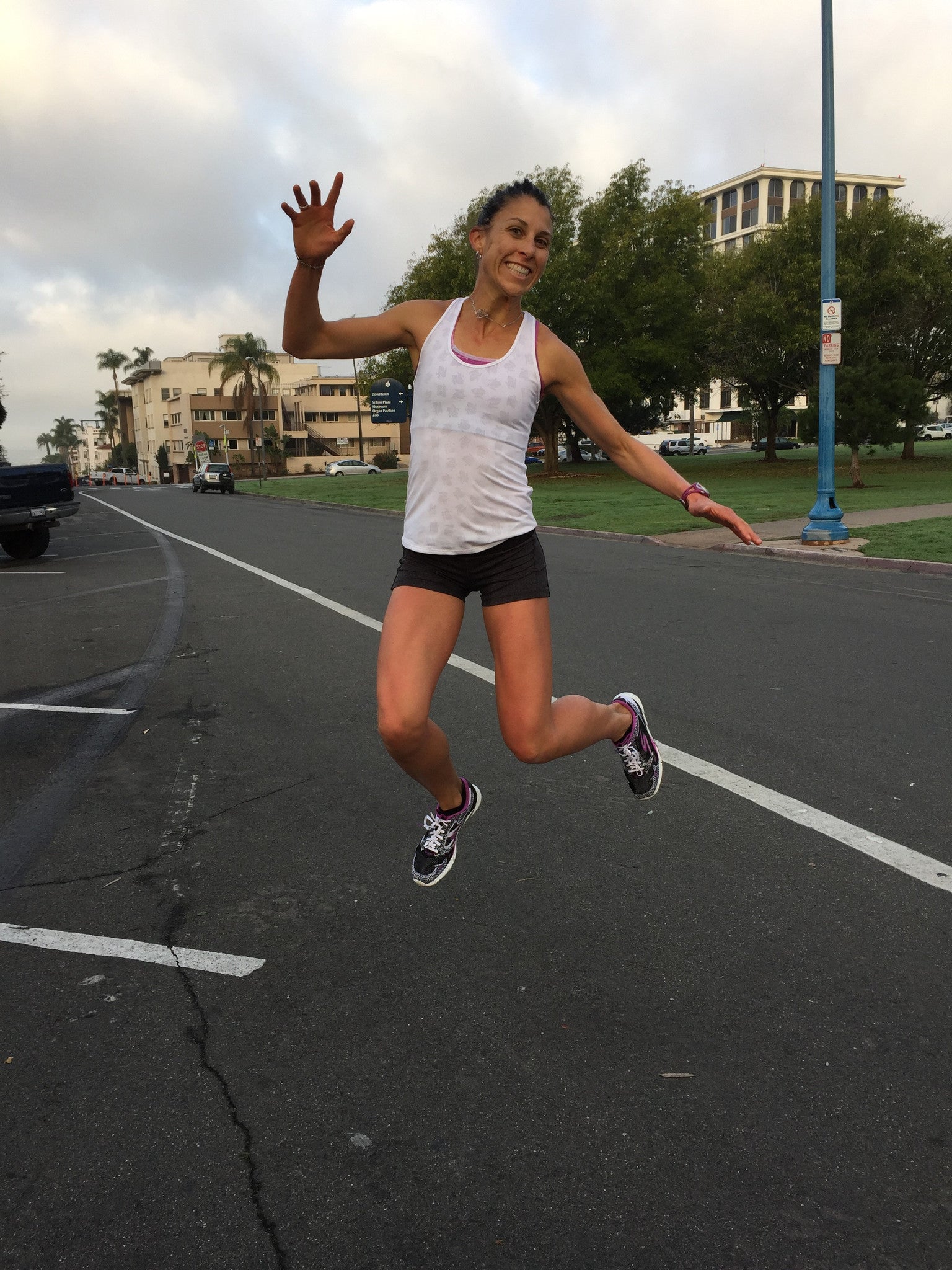
Running shorts are light and allow good air flow. They are great for hot days. Tights fit snugly and support muscles well. They keep you warm and reduce chafing. Capris sit between shorts and tights. They cover the knees and offer moderate warmth. Choose based on weather and comfort.
Compression Benefits
Compression running bottoms improve blood flow. They reduce muscle vibration and fatigue. This helps you run longer and recover faster. Many runners feel less soreness after runs. Compression gear also supports muscles and joints.
Pockets And Storage Features
Pockets add convenience to your running bottoms. Small pockets hold keys, cards, or gels. Some have zippers to keep items safe. Storage options help you stay hands-free. Choose running bottoms with pockets if you carry essentials.
Credit: www.runinrabbit.com
Choosing The Right Running Shoes
Choosing the right running shoes is key for comfort and injury prevention. The wrong shoes can cause pain and reduce performance. The right pair supports your feet and improves your run. Understanding your foot type helps find shoes that fit well. Cushioning and support vary between shoes, matching different needs. Knowing when to replace shoes keeps your feet safe and comfortable.
Matching Shoes To Foot Type
Your foot type affects the shoe you need. Flat feet need stability shoes to prevent overpronation. High arches need cushioned shoes for shock absorption. Neutral feet fit well with most running shoes. A simple test can show your foot type. Wet your foot and step on a paper. The shape of the print reveals your arch type.
Cushioning And Support Levels
Cushioning absorbs impact and protects your joints. More cushioning suits long-distance runners or those with joint pain. Support helps keep your foot aligned during running. Stability shoes offer firm support to prevent rolling of the foot. Minimalist shoes have less cushioning and support for natural foot movement. Choose based on comfort and the kind of running you do.
Shoe Lifespan And Replacement Tips
Running shoes lose cushioning and support over time. Most shoes last about 300 to 500 miles. Replace shoes if you feel new aches or pain. Worn soles reduce grip and increase injury risk. Check for worn areas on the sole and midsole. Keep track of miles or months since you bought them. Fresh shoes keep your feet protected and improve your run.
Accessories To Enhance Performance
Accessories can make a big difference in running performance. They help keep you comfortable and focused. Choosing the right accessories can prevent injury and boost endurance. Small additions to your outfit can improve your run.
Running Socks And Their Importance
Running socks protect your feet from blisters and chafing. They offer extra cushioning and support. Socks made from moisture-wicking fabric keep feet dry. Dry feet reduce the chance of infections. Good socks improve comfort on long runs.
Headwear And Sunglasses
Headwear shields your face from the sun and sweat. A lightweight hat or headband keeps sweat out of your eyes. Sunglasses protect your eyes from UV rays and wind. Choose sunglasses with a secure fit for running. They reduce glare and improve visibility.
Hydration Packs And Belts
Hydration packs and belts help you stay hydrated during runs. They carry water and small essentials like keys or snacks. Hydration belts sit comfortably around your waist. Packs offer more storage but stay stable on your back. Drinking water regularly prevents cramps and fatigue.
Dressing For Weather Conditions
Choosing the right clothes for running depends on the weather. The right outfit keeps you comfortable and safe. Different weather needs different clothing. Preparing well helps you enjoy your run more. Here are simple tips for running in various weather conditions.
Hot Weather Outfit Tips
Wear light and breathable clothes. Choose fabrics that let sweat dry quickly. A sleeveless shirt or tank top works well. Shorts help keep your legs cool. Use a hat or visor for sun protection. Sunglasses protect your eyes from glare. Don’t forget sunscreen on exposed skin. Light colors reflect sunlight and heat. Stay hydrated before and after your run.
Cold Weather Layering Strategies
Layering traps warm air close to your body. Start with a moisture-wicking base layer. Add an insulating middle layer for warmth. Top it with a windproof or waterproof jacket. Wear gloves and a hat to keep extremities warm. Choose thermal socks to protect your feet. Avoid cotton; it holds moisture and chills you. Remove layers if you get too hot. Dress in thin layers for easy adjustment.
Rain And Wind Protection
Wear a lightweight, waterproof jacket with ventilation. Breathable fabrics help sweat escape and keep you dry. Use a cap with a brim to keep rain off your face. Choose running shoes with good grip for slippery surfaces. Avoid cotton; it becomes heavy when wet. Consider a water-resistant phone holder or belt. Windproof layers block cold gusts. Adjust your pace to stay safe on wet roads.
Comfort And Fit Tips
Choosing the right outfit for running is key to feeling good and performing well. Comfort and fit matter a lot during every run. Clothes that fit well help prevent pain and distractions. This section shares simple tips to keep your running gear comfortable and suitable for your body.
Avoiding Chafing And Blisters
Chafing causes sore skin and discomfort. Wear clothes made from soft, moisture-wicking fabric. Avoid cotton as it stays wet and can cause rubbing. Use seamless or flat-seam designs to reduce friction. Apply anti-chafing balm on sensitive areas before running. Choose socks that fit snugly to stop blisters. Look for cushioned socks with no loose threads inside.
Proper Fit For Mobility
Running clothes should allow easy movement without tight spots. Select tops and bottoms that move with your body. Avoid overly baggy clothes that can catch on things. Check arm and leg length for a good fit. Stretch the fabric to test flexibility. Make sure waistbands are secure but not too tight. Proper fit helps maintain good running form and comfort.
Adjusting Outfit Based On Run Type
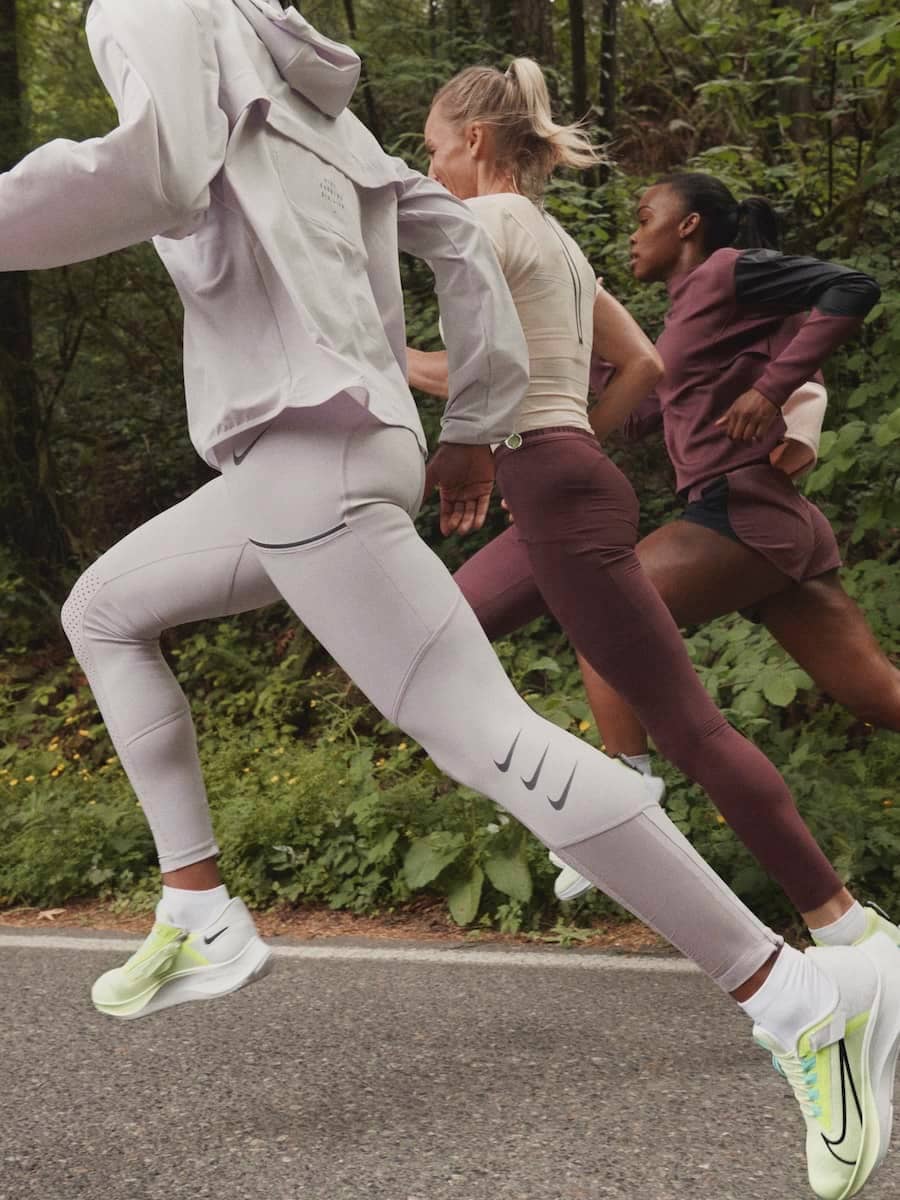
Short runs need lighter, breathable clothes. Longer runs require gear that supports muscles and controls sweat. For fast runs, wear tight-fitting, aerodynamic clothes. For slow runs, pick relaxed and soft fabrics. In cold weather, layer your outfit for warmth and easy removal. For hot days, choose light colors and ventilated materials. Adjust your running outfit based on distance, speed, and weather.
Credit: www.nike.com
Frequently Asked Questions
What Is The Best Fabric For Running Outfits?
The best fabrics for running outfits are moisture-wicking materials like polyester and nylon. They keep sweat away from the skin. These fabrics dry quickly and prevent chafing. Cotton is not recommended as it retains moisture and causes discomfort during runs.
How Should Running Shoes Fit For Comfort?
Running shoes should fit snugly but not too tight. There should be about a thumb’s width of space at the toe. Proper fit prevents blisters and injuries. Always try shoes on with running socks for the best fit and comfort.
Can Running Outfits Improve Performance?
Yes, running outfits can improve performance by enhancing comfort and reducing distractions. Lightweight, breathable materials help regulate body temperature. Proper gear supports muscle movement and reduces fatigue. Wearing the right outfit boosts confidence and motivation during runs.
What Accessories Complement A Running Outfit?
Essential running accessories include a good pair of running socks, a sweat-wicking hat, and sunglasses. Reflective gear improves visibility in low light. A lightweight running belt or hydration pack can also be useful for longer runs.
Conclusion
Choosing the right outfit helps you run better and feel good. Breathable clothes keep you cool and dry during your run. Proper shoes protect your feet and support your steps. Dress for the weather to stay safe and comfortable. Small details, like socks and hats, also make a difference.
Running is easier when your outfit fits well and moves with you. Enjoy your run and keep your outfit simple and smart.
