

New Tees: Fresh Styles to Upgrade Your Wardrobe Now
New Tees: The Complete Guide To Modern T-shirts
The simple T-shirt has become one of the most popular clothing items in the world. People wear tees for comfort, style, self-expression, and even as a canvas for art. Over time, new tees have evolved far beyond the basic white shirt.
Today, you can find endless designs, fabrics, fits, and features. With so many choices, it’s easy to feel lost when searching for the perfect T-shirt. This guide will help you understand everything about new tees, from choosing the right fit to exploring the latest trends and innovations.
What Makes A Tee “new”?
A new tee is more than just a recently purchased T-shirt. It means a shirt that brings something fresh—maybe a unique design, a new type of fabric, or a modern cut. Often, new tees use advanced printing techniques, eco-friendly materials, or creative graphics.
They might focus on comfort, performance, or sustainability. Some brands release limited editions that fans collect. Others focus on technology, like moisture-wicking or UV protection.
New tees are all about innovation and offering wearers something they haven’t seen or felt before. This can mean:
- Updated fits (like oversized, cropped, or tailored)
- Sustainable materials (organic cotton, bamboo, recycled fibers)
- Tech features (anti-odor, cooling, sun protection)
- Bold graphics and artistic prints
- Collaborations with artists or brands
Understanding these features helps you make better choices when you want to add a fresh tee to your wardrobe.
Key Features Of Modern Tees
Modern tees come with a variety of features that set them apart from older, classic styles. Knowing what’s available can help you find the best tee for your needs.
1. Fabric Innovations
Today’s tees use more than just regular cotton. You’ll see:
- Organic cotton: Grown without harmful chemicals, softer and gentler on skin.
- Bamboo: Naturally breathable and antibacterial.
- Modal: Smooth, lightweight, and resistant to shrinking.
- Polyester blends: Add stretch and moisture-wicking properties.
- Recycled materials: Reduce environmental impact.
Each fabric offers a unique feel. For example, bamboo tees are perfect for sensitive skin, while polyester blends work well for sports.
2. Fit And Cut
Modern tees offer many shapes:
- Slim fit: Closer to the body, stylish but not tight.
- Relaxed fit: Looser, for a casual look.
- Oversized: Extra room, often with dropped shoulders.
- Cropped: Shorter length, popular for streetwear.
- Boxy cut: Straight sides, gives a modern look.
Choosing the right fit depends on your style and comfort preferences.
3. Printing Techniques
Printing has come a long way. New tees may use:
- Screen printing: Bright, long-lasting colors.
- Direct-to-garment (DTG): Photorealistic images, great for custom designs.
- Sublimation: All-over prints, no fading or cracking.
- Embroidery: Adds texture and a premium feel.
Advanced techniques allow for more creative and durable designs.
4. Performance Features
Some new tees are designed for activity, including:
- Moisture-wicking: Keeps you dry during exercise.
- Anti-odor: Treated to resist sweat smells.
- UV protection: Shields your skin from the sun.
- Stretch fabrics: Move easily with your body.
These features are helpful for athletes, outdoor lovers, or anyone who wants extra comfort.
Popular Types Of New Tees
There are many categories of tees, each serving different needs and styles.
1. Graphic Tees
These shirts feature images, logos, or text. They’re perfect for self-expression. Popular themes include music bands, movies, art, and social statements. Some collectors seek limited-edition graphic tees from famous designers or brands.
2. Plain Tees
Sometimes, simple is best. Plain tees, often in solid colors, are wardrobe basics. They go well with everything and can be dressed up or down. Many brands focus on making the “perfect plain tee” with better fabric and fit.
3. Performance Tees
These are made for sports or active use. They often use polyester blends, are lightweight, and have features like moisture-wicking or mesh panels for airflow. Runners, gym lovers, and hikers favor these tees.
4. Designer And Premium Tees
Luxury brands create tees with special details—like embroidery, unusual cuts, or unique prints. The fabric quality is higher, and the prices are too. These tees often become fashion statements.
5. Sustainable Tees
Eco-friendly tees use organic or recycled materials and ethical production. They appeal to people who care about the planet. Some brands even use biodegradable packaging.
6. Tech-enhanced Tees
Some tees use technology, such as built-in odor control, cooling fibers, or even sensors to track health metrics. This niche is growing as people want clothing that does more.
How To Choose The Right New Tee
Picking the right tee can be tricky. Here’s what to consider:
1. Purpose
Ask yourself: Why do you want this tee? For daily wear, sports, a night out, or a statement? Your answer will narrow down your choices.
2. Fit And Comfort
Comfort is key. Try different fits—slim, relaxed, or oversized. Make sure the shoulders line up and the length suits your body.
3. Fabric
Think about the weather and your skin. Cotton is soft and breathable for everyday use. Synthetic blends are better for sports. Bamboo and modal are good for sensitive skin.
4. Style
Do you prefer bold graphics or a simple look? Classic colors or something bright? Your tee should reflect your personality.
5. Quality
Check the stitching, print quality, and feel of the fabric. High-quality tees last longer and look better over time.
6. Price
Prices vary a lot. Expensive doesn’t always mean better. Compare features and materials before paying more.

Credit: shop.msg.com
Comparing Popular Tee Brands
Different brands focus on different strengths. Here’s a quick look at how some well-known names compare in the world of new tees:
| Brand | Material | Fit Options | Price Range | Key Feature |
|---|---|---|---|---|
| Uniqlo | Supima Cotton, Blends | Slim, Regular, Relaxed | Low to Mid | Affordable basics |
| Nike | Polyester, Dri-FIT | Regular, Athletic | Mid | Performance fabrics |
| Everlane | Organic Cotton | Slim, Relaxed | Mid | Sustainable focus |
| Off-White | Cotton, Blends | Oversized | High | Designer graphics |
| Patagonia | Recycled Polyester, Cotton | Regular | Mid to High | Eco-friendly |
Each brand puts its own spin on tees, so choosing depends on your needs and budget.
Trends In New Tees
Fashion changes quickly, and so do T-shirts. Here are some trends shaping the world of new tees right now:
1. Oversized And Boxy Fits
More people are choosing oversized or boxy tees for their relaxed look and comfort. These styles work well in streetwear and can be layered with other pieces.
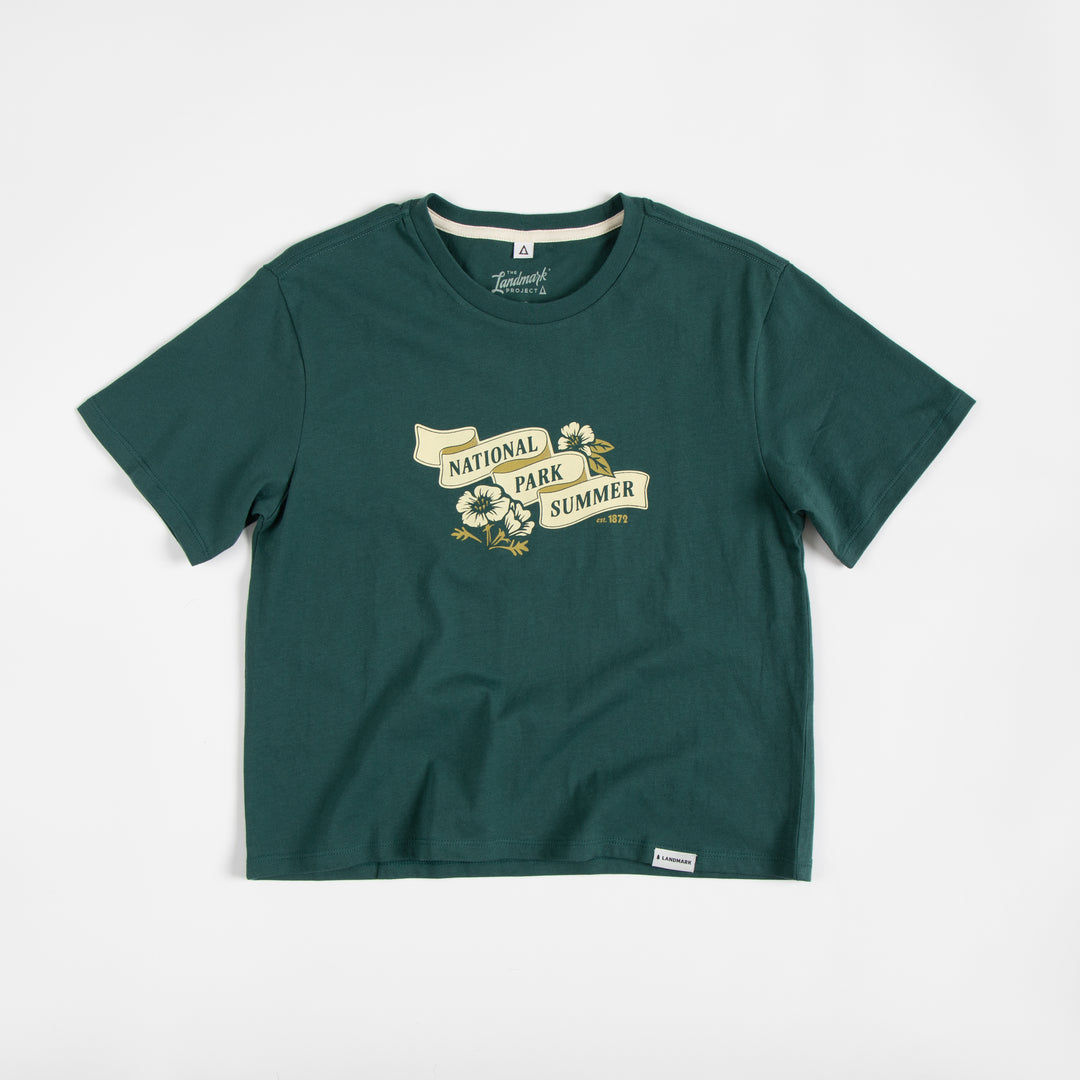
2. Vintage And Retro Prints
Designs inspired by past decades are popular. Think old band logos, faded colors, and retro graphics. These tees add personality and nostalgia.
3. Sustainable Choices
Eco-friendly tees are in demand. Brands are using recycled or organic materials and transparent supply chains to attract conscious shoppers.
4. Custom And Personalized Tees
People love tees that show their identity. Custom printing lets you add your own art, slogans, or photos. Small brands and online shops make this easy.
5. Tech Fabrics
Performance features like moisture-wicking, anti-odor, and UV protection are becoming standard, even in casual tees.
Credit: thelandmarkproject.com
The Role Of Tees In Fashion And Culture
Tees are more than just clothing—they’re a way to communicate. People use tees to:
- Share beliefs or support causes
- Show off favorite bands, movies, or sports teams
- Make fashion statements
- Collect limited editions as art
Some tees become icons, like the “I ♥ NY” shirt or band tees from famous concerts. Even luxury brands use tees to reach more people and stay current.
Caring For Your New Tees
To keep your new tee looking great, care is important. Here’s how to make them last longer:
- Wash in cold water: Helps prevent shrinking and fading.
- Turn inside out: Protects prints and colors.
- Avoid harsh detergents: Use mild soap for delicate fabrics.
- Air dry: Machine drying can damage fibers and cause shrinking.
- Store flat or folded: Hanging can stretch out the neck.
These simple tips extend the life of your favorite shirts and keep them looking fresh.
How New Tees Are Made
Understanding the process helps you appreciate what goes into a modern tee.
1. Sourcing Materials
Brands start by choosing materials—cotton, bamboo, recycled polyester, etc. Sustainable brands focus on organic or recycled sources.
2. Spinning And Knitting
Fibers are spun into yarn, then knitted into fabric. The type of knit (like jersey or rib) affects the feel and stretch.
3. Cutting And Sewing
Fabric is cut into shapes and sewn together. High-quality brands use careful stitching and strong seams.
4. Printing And Embellishment
Designs are added using screen printing, DTG, embroidery, or other methods. Some shirts get extra touches like patches or appliques.
5. Quality Control
Finished tees are checked for flaws and tested for colorfastness and durability.
6. Packaging And Shipping
Sustainable brands use recycled or biodegradable packaging. Some even skip extra wrapping to reduce waste.
Table: Comparing Tee Fabrics
To help you pick the right tee, here’s a look at common fabrics and their properties.
| Fabric | Feel | Breathability | Eco-Friendliness | Durability |
|---|---|---|---|---|
| Cotton | Soft, Natural | High | Medium | Good |
| Organic Cotton | Softer, Hypoallergenic | High | High | Good |
| Bamboo | Silky, Smooth | Very High | High | Average |
| Polyester | Smooth, Slight Stretch | Medium | Low | Very Good |
| Modal | Very Soft | High | Medium | Average |
| Recycled Fibers | Varies | Varies | Very High | Good |
Each fabric has pros and cons. For example, polyester is very durable but less eco-friendly, while bamboo is very soft but may not last as long.

Credit: shop.mcny.org
Common Mistakes When Buying New Tees
Even experienced shoppers make mistakes. Watch out for these:
- Ignoring fit: A tee that’s too tight or loose won’t look or feel right.
- Choosing style over comfort: Some trendy cuts look good but aren’t practical for daily wear.
- Not checking fabric content: Some blends can irritate skin or feel hot in warm weather.
- Falling for fast fashion: Cheap tees can wear out quickly, costing more in the long run.
- Skipping care instructions: Washing or drying the wrong way can ruin a good tee.
Being aware of these mistakes helps you find tees you’ll enjoy for a long time.
The Future Of Tees
The T-shirt world keeps changing. Here are some trends and innovations to watch:
1. Smart Tees
Soon, more tees may include technology, such as built-in sensors to track your health, monitor hydration, or even connect to your phone. These are just starting but could become common.
2. Even Greener Materials
Scientists are working on new fabrics made from algae, hemp, or lab-grown fibers. These offer comfort and less environmental impact.
3. On-demand Printing
More brands now offer tees printed only after you order, reducing waste and allowing endless customization.
4. Improved Recycling
Brands are developing ways to recycle old tees into new ones, closing the loop and fighting clothing waste.
Table: Common Tee Printing Methods
Printing is important for style and durability. Here’s a look at popular methods:
| Method | Best For | Pros | Cons |
|---|---|---|---|
| Screen Printing | Bold colors, large batches | Durable, vibrant | Not good for complex images |
| DTG | Custom, detailed designs | Photorealistic, no setup | Less durable, higher cost |
| Sublimation | All-over prints | No cracking, full coverage | Only works on light polyester |
| Embroidery | Logos, small details | Textured, premium look | Not for large areas |
Knowing the method helps you understand how your tee will look and last.
Non-obvious Insights For Tee Shoppers
Here are two tips that many beginners miss:
- Check the neck shape and stitching: Small differences—like a slightly wider crew neck or reinforced seams—can change comfort and durability.
- Think about layering: If you wear tees under shirts or jackets, choose lighter fabrics and slimmer fits. For standalone wear, heavier or textured tees stand out more.
Also, consider how your laundry routine fits with your tee choices. Some materials need special care, which can add effort or cost over time.
Where To Buy The Best New Tees
You can find new tees in many places:
- Brand stores: For the latest releases and guaranteed quality.
- Online shops: Huge variety and easy comparison.
- Boutiques: Unique, limited-edition, or local designs.
- Department stores: Good for basics and sales.
- Vintage shops: For rare or retro finds.
Online shopping offers the most choices, but always check size guides and return policies. For more on T-shirt history and culture, visit the T-shirt Wikipedia page.
Frequently Asked Questions
What Is The Best Fabric For A T-shirt?
The best fabric depends on your needs. Organic cotton is soft and breathable for daily wear. Polyester blends are good for sports. Bamboo is soft and good for sensitive skin. Each has its own strengths.
How Do I Know If A Tee Will Fit Me Well?
Check the shoulder seams, overall length, and fit type (slim, regular, relaxed). Try tees on when possible. If shopping online, look for size charts and customer reviews.
Are Expensive Tees Worth The Price?
Sometimes. High-quality tees use better fabrics and construction, so they last longer and feel better. But brand name alone doesn’t always mean better quality. Compare materials and stitching.
How Can I Make My Tees Last Longer?
Wash in cold water, turn inside out, avoid dryers, and use gentle detergent. Store folded to avoid stretching the neck and shoulders.
What Is The Difference Between Screen Printing And Dtg?
Screen printing uses layers of ink for bright, durable colors. DTG (Direct-to-Garment) prints images directly on the shirt, which allows for more detail but may fade faster. Choose based on the design and how you’ll wear the shirt.
New tees bring endless possibilities for style, comfort, and self-expression. With the right knowledge, you can pick shirts that fit your life and values—whether you want something simple, sporty, or bold. The world of tees is always growing, so there’s always a new favorite waiting for you.
