

Mens Summer Shirts Work: Stay Cool and Professional All Season
Mens Summer Shirts Work
When summer arrives, many men find themselves searching for the perfect shirts to wear at work. Office temperatures rise, commutes get hotter, and the wrong choice can leave you feeling sticky and uncomfortable. But it is not just about staying cool—workplaces still expect a professional look. How do you balance comfort and style during the hottest months? This guide answers that question, helping you pick men’s summer shirts that keep you looking sharp and feeling fresh all day.
Summer workwear can be confusing. Some men try to dress down too much, while others suffer in heavy shirts just to look formal. The good news: you don’t have to choose between feeling cool and looking professional. With the right choices, you can stay comfortable and meet office expectations—even on the hottest days. This article explains how, with clear examples and practical advice.
Why Summer Work Shirts Matter
Choosing the right shirt for summer isn’t just about style. It affects how you feel, how you work, and even how you’re seen by others. Sweat stains, wrinkles, or a shirt that clings in the wrong places can make you look less professional.
On the other hand, a well-chosen shirt can boost your confidence and performance.
Consider these insights:
- Workplace temperature can go up to 80°F or more, especially in older buildings or during commutes. Even with air conditioning, some offices have “hot spots” near windows or far from vents.
- Over 60% of office workers say that discomfort from heat affects their focus and mood. Feeling hot and sweaty distracts you, and can even make you more irritable.
- The right fabrics and fits can lower your body temperature by several degrees compared to synthetic or heavy materials. This difference can be the line between a productive day and a sluggish one.
Comfort is not a luxury—it’s essential for productivity. When you feel comfortable, you move better, think more clearly, and interact with coworkers more confidently. People notice when you look put-together, even in summer. The right shirt can help you stand out for the right reasons.
Key Factors When Choosing Men’s Summer Work Shirts
Not all shirts are created equal. For summer, some choices matter much more than others. If you get these basics right, everything else becomes easier.
Fabric
Fabric is the most critical choice for summer shirts. The wrong material traps heat and sweat, while the right one wicks moisture and allows airflow. You’ll be surprised how much difference fabric makes—two shirts can look similar, but feel completely different.
- Cotton: Breathable and absorbs sweat well. Look for lighter weaves like poplin or broadcloth. Oxford cloth is usually too heavy for summer, unless blended.
- Linen: Exceptionally airy and cool, though it wrinkles more easily. Pure linen feels crisp and can last for years if cared for.
- Blends: Cotton-linen or cotton-polyester blends can balance comfort and wrinkle-resistance. Blends often look sharper after many hours of wear.
- Performance fabrics: Some brands offer special moisture-wicking, fast-drying fabrics. These are great if you sweat a lot or have a long commute. They also resist odor, which is helpful during long days.
Example: If you have sensitive skin, natural fibers like cotton and linen are usually more comfortable. Performance fabrics sometimes cause irritation, so always try them before buying many.
Fit
A slim fit may look sharp, but in summer, it can feel restrictive and show sweat. A classic fit or a gently tapered shirt allows more airflow. In hot weather, a little extra space can make a big difference.
- Shirts that cling to your back or underarms can make sweat more visible.
- Too-loose shirts look sloppy, especially at work.
- Modern “athletic fit” shirts give space in the chest and shoulders, but still look tidy.
Non-obvious insight: Try lifting your arms and sitting down when trying on shirts. Some fabrics feel fine standing up but get tight and sticky when you move.
Color
Light colors reflect heat, while dark colors absorb it. Choose white, pale blue, light gray, or pastel shades for a cooler feel. Light colors also hide sweat better than dark ones.
- Subtle patterns or textures, like micro-checks or tiny dots, can also help mask sweat.
- Avoid bold prints unless your office is very casual.
Sleeve Length
Short sleeves are not always office-appropriate, but if your workplace is casual, they can be a great option. Otherwise, look for long-sleeve shirts made from lightweight materials.
- Rolling up long sleeves is a good compromise in semi-formal offices.
- Some shirts have extra buttons or tabs to keep rolled sleeves neat.
Collar Type
A stiff collar may feel hot and uncomfortable. Consider soft collars or button-downs for a relaxed, breathable fit.
- Button-down collars tend to keep their shape without being too formal.
- Spread collars look sharp but can feel bulky in summer unless made from light fabric.
Easy Care
Summer can mean more laundry. Wrinkle-free or easy-iron fabrics save time and keep you looking neat. This is especially important if you travel for work or need to wash shirts often.
- Avoid shirts that require dry cleaning unless absolutely necessary.
- Machine-washable options are easier to care for and more practical for daily wear.
Extra tip: Some shirt brands now use anti-odor or stain-resistant coatings. These can be helpful, but always check that the fabric still feels soft and breathable.
Types Of Men’s Summer Work Shirts
Let’s explore the best types of shirts for men to wear in the office during the summer.
1. Classic Cotton Dress Shirts
These are a staple in many wardrobes. Look for lightweight versions:
- Poplin: Thin, smooth, and crisp. Feels cool on the skin. Works for both formal and business-casual settings.
- Broadcloth: Slightly heavier than poplin, but still suitable for summer. The weave is tight but thin, helping with breathability.
A white or light blue cotton shirt works for almost any office. For more variety, try pale lavender, mint, or subtle patterns. You can wear these shirts with or without a tie, making them versatile.
Extra example: If you sweat a lot, choose a shirt with a slightly textured weave, which can help reduce the look of sweat marks compared to very smooth fabrics.
2. Linen Shirts
Linen is the king of summer fabrics. It’s naturally cool and breathable. Linen shirts may wrinkle easily, but a slightly relaxed look is normal for summer.
- Pure linen shirts feel crisp at first but soften after a few washes.
- Linen is ideal for hot, humid climates or offices with poor air conditioning.
Practical tip: For formal offices, try a cotton-linen blend, which looks sharper and wrinkles less. You can also find linen shirts with hidden buttons or structured collars for a more polished look.
Non-obvious insight: A light steam or spritz of water can quickly refresh wrinkled linen before a meeting.
3. Performance And Technical Shirts
Some brands offer performance shirts that wick moisture, dry quickly, and resist odor. They often look like regular office shirts but feel much cooler.
Ideal for: Long commutes, humid climates, or men who sweat more. These shirts are also good if you need to go straight from work to another event, as they stay fresh longer.
- Look for ones labeled “dress shirt” or “office shirt”—some performance shirts are made for hiking or sports and look too casual.
- Brands like Mizzen+Main and Ministry of Supply are known for these fabrics.
Practical tip: If you travel for work, performance shirts pack well and resist wrinkling, making them ideal for business trips.
4. Polo Shirts
If your office is business casual, a polo can work. Choose polos made from pique cotton or technical blends. Avoid heavy, thick polos—they can trap heat.
A polo with a collar still looks professional, especially in neutral colors. For the sharpest look, make sure the sleeves fit close to your arms and the shirt length allows you to wear it untucked without looking sloppy.
- Some polos have mesh panels or vents for extra breathability.
- Avoid large logos for a more professional appearance.
5. Short Sleeve Button-downs
Short-sleeve shirts are more acceptable in creative, tech, or casual environments. They offer more airflow, and modern designs look smart when tucked in.
Tip: Avoid baggy short sleeves. A trim fit at the arm looks neater. Look for shirts with a slightly curved hem for a modern, untucked look.
- Short-sleeve shirts in linen or cotton blends are best for very hot days.
- Patterns like micro-check or subtle stripes add interest without being too loud.
6. Seersucker Shirts
Seersucker is a puckered cotton fabric that sits away from the skin, letting air flow. It’s a classic summer choice in the US South and is now popular in modern offices.
- The texture hides wrinkles and sweat.
- Seersucker shirts often come in light colors and subtle stripes.
Extra tip: Seersucker is also great for travel—it packs easily and needs little ironing.
7. Chambray Shirts
Chambray looks like denim but is lighter and cooler. A pale blue chambray shirt can be a stylish, cool alternative to classic dress shirts.
- It works well in business casual offices, especially paired with chinos or light trousers.
- Chambray is softer than oxford cloth and breathes better than denim.
Practical note: Avoid dark indigo chambray for summer. Light blue or even off-white is more seasonally appropriate.
Comparing Popular Summer Shirt Fabrics
The following table summarizes how key shirt fabrics perform for summer workwear:
| Fabric | Breathability | Wrinkle Resistance | Moisture Wicking | Office Suitability |
|---|---|---|---|---|
| Cotton | High | Medium | Medium | High |
| Linen | Very High | Low | High | Medium |
| Cotton-Linen Blend | High | Medium | High | High |
| Technical/Performance | High | High | Very High | High |
| Chambray | Medium | Medium | Medium | Medium |
| Seersucker | Very High | Medium | Medium | Medium |
Not-so-obvious tip: Performance shirts sometimes look too sporty for formal offices. Choose ones with classic styling—no chest zippers or bold logos. If in doubt, stick with simple, traditional details and colors.
Styling Summer Shirts For Work
How you style your shirt can make a big difference in comfort and professionalism. Even the best shirt can look wrong if paired poorly or worn in the wrong way.
Tucking In Vs. Untucked
In most offices, tucking in your shirt looks more professional. However, some business casual workplaces now accept untucked shirts if they are designed to be worn that way.
Rule of thumb: If the shirt hem is straight and hits near the middle of your zipper, it’s made to be untucked. If the hem curves and is longer, tuck it in. Shirts designed to be untucked often have a slightly shorter length to avoid looking sloppy.
Practical example: If you’re unsure, check the brand’s website—many now label shirts as “untuckable” or “tuck-in only.”
Pairing With Pants
Lightweight shirts pair best with cotton chinos, linen trousers, or lightweight wool pants. Stay away from heavy denim or thick wool slacks.
- Light-colored shirts look great with medium or dark trousers for contrast.
- If your office allows, try pants in light gray, tan, or even olive for a summer feel.
- Avoid shorts unless your workplace is extremely casual.
Non-obvious tip: Linen-blend pants can be cooler than jeans and don’t wrinkle as much as pure linen.
Layering
If your office has strong air conditioning, keep a light blazer or unstructured jacket handy. Choose unlined or half-lined jackets for breathability. Avoid jackets with heavy shoulder pads or full linings.
- A lightweight cardigan can also work if blazers feel too formal.
- Neutral colors like navy or light gray match most summer shirts.
Accessories
- Leather belts in lighter shades (tan, gray) feel more summery than black.
- Loafers or suede shoes keep things cool and stylish.
- Skip heavy ties and go for knit or cotton ties if needed.
- Light socks or no-show socks can keep your feet cooler.
Extra example: A fabric or canvas watch strap feels cooler than metal in hot weather.
Pattern Choices
- Stripes and small checks help hide sweat marks better than plain solid colors.
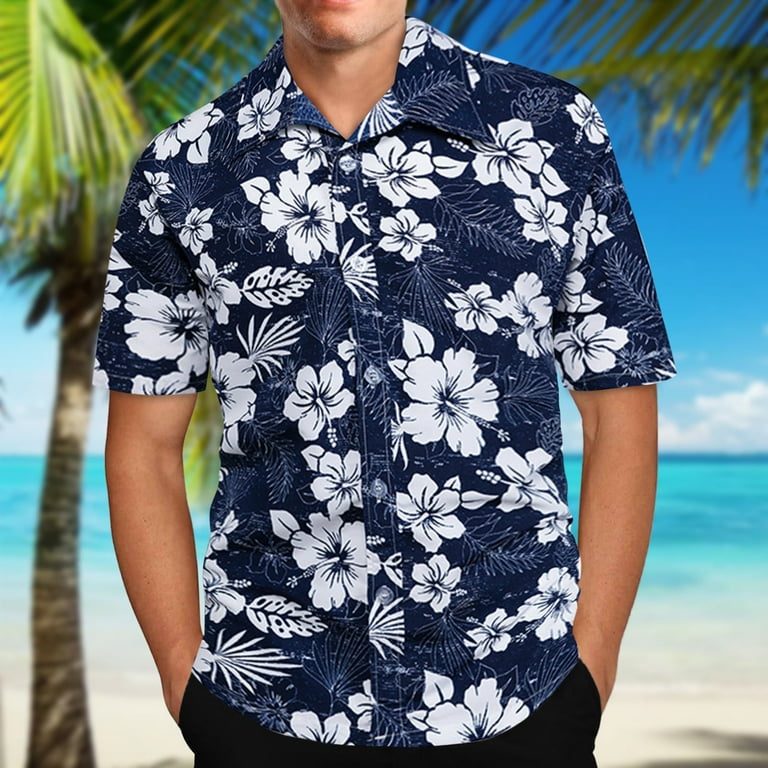
- Avoid large, bold prints unless your office is very casual.
- Subtle, fine patterns add interest without making you look flashy.
Style tip: If you want to experiment, try a small floral or geometric print in a muted color—just keep the rest of your outfit simple.
Common Mistakes To Avoid
Even with the best intentions, it’s easy to get summer work shirts wrong.
- Choosing 100% polyester: It may claim to be “breathable,” but often traps heat. Classic polyester is best avoided unless blended with natural fibers.
- Wearing see-through shirts: Some white shirts are too thin. Always check in natural light.
- Ignoring fit: Oversized shirts look sloppy. Shirts that are too tight show sweat and restrict movement.
- Not considering your commute: If you walk or bike, choose moisture-wicking fabrics. Cotton alone may not dry quickly.
- Forgetting to check care labels: Summer often means more washing. Easy-care fabrics save time.
Practical insight: Always wash new shirts before the first wear. Factory finishes can reduce breathability. This simple step can make a shirt feel less stiff and more comfortable from day one.
Extra mistake: Wearing the wrong undershirt. Thick cotton undershirts trap heat. Choose a thin, moisture-wicking option or skip it if possible.
Caring For Summer Work Shirts
Summer shirts need more frequent washing, but the right care keeps them looking good.
Washing
- Use cold water to prevent shrinking and fading.
- Wash similar colors together.
- Avoid heavy detergents for linen or light cotton.
- If possible, use a gentle or delicate cycle to reduce wear on thin fabrics.
Non-obvious tip: For sweat stains, pretreat with a mix of water and baking soda before washing.
Drying
- Air dry when possible—heat from dryers can damage fibers.
- For cotton or blends, a short tumble on low heat can reduce wrinkles.
- Avoid hanging shirts in direct sunlight for long periods, as this can fade colors.
Ironing
- Iron shirts while slightly damp for best results.
- Use a steamer for linen shirts to avoid shiny marks.
- If you’re in a rush, hanging a shirt in the bathroom while you shower can help loosen light wrinkles.
Storing
- Hang shirts on wide, sturdy hangers.
- For travel, roll shirts instead of folding to reduce creases.
- Store shirts in a cool, dry place to avoid mildew, especially if you sweat heavily.
Extra tip: Cedar blocks or lavender sachets in your closet can keep shirts fresh and deter insects.
Top Brands For Men’s Summer Work Shirts
Many brands offer great options for summer office wear. Here is a comparison of a few popular choices:
| Brand | Best For | Price Range | Notable Features |
|---|---|---|---|
| Uniqlo | Affordable basics | $25–$50 | Airism tech, easy care |
| Brooks Brothers | Classic office wear | $60–$120 | Non-iron cotton, traditional fits |
| J.Crew | Smart casual styles | $50–$90 | Linen-cotton blends, summer patterns |
| Bonobos | Variety of fits | $70–$130 | Performance dress shirts, modern colors |
| Charles Tyrwhitt | Value for money | $40–$80 | Wrinkle-free options, wide size range |
| L.L.Bean | Durability | $40–$70 | Seersucker and technical fabrics |
Non-obvious insight: Some smaller brands focus on eco-friendly summer shirts using organic cotton or recycled materials. These can be softer and more breathable than you expect. Brands like Outerknown and Pact are worth checking if sustainability matters to you.
Extra tip: Department stores often have seasonal sales at the start and end of summer—this is a good time to buy high-quality shirts at lower prices.
Credit: www.walmart.com
The Business Dress Code And Summer Shirts
Office dress codes often decide what you can wear. Here’s how to match your summer shirt to your workplace:
Formal (traditional Business)
- Stick to long-sleeve cotton or cotton-blend dress shirts in white, blue, or pale colors.
- Avoid visible undershirts—choose a v-neck or thin tank if needed.
- Linen can work, but pick a blend with cotton for a smoother finish.
- Cufflinks and tie bars should be kept simple and light.
Example: In law firms or finance, even in summer, avoid short sleeves and bold patterns.
Business Casual
- More options: Polo shirts, short-sleeve button-downs, patterned shirts.
- Light, subtle patterns or pastel shades add variety.
- Chambray and seersucker are often acceptable.
- Sleeves can be rolled up neatly, especially in creative agencies or marketing roles.
Tip: If your office shifts to “summer dress code,” always ask what that really means before wearing polos or untucked shirts.
Creative Or Tech Offices
- Wider range: Lightweight denim, bold patterns, even untucked styles.
- Expression is encouraged, but keep shirts neat and free of large logos.
- You can try fun prints, but balance with neutral pants and shoes.
Tip: When in doubt, look at what your manager or team leader wears on hot days. If you’re new, it’s safer to dress a bit more formally at first.
Extra insight: Some offices relax dress codes only on certain days (“casual Fridays”), so be aware of daily expectations.
How To Stay Cool And Fresh All Day
A good shirt helps, but a few habits can make summer at work more comfortable.
- Shower before work and use an antiperspirant. Look for long-lasting formulas.
- Keep a spare shirt in your desk for emergencies. This can save your day if you spill something or sweat unexpectedly.
- Use body wipes or a damp washcloth at midday if needed. Many men keep travel packs in their bag during summer.
- Open a window or use a small desk fan where possible.
- Drink plenty of water—dehydration makes sweating worse.
- Avoid caffeine and spicy foods at lunch if you notice they make you sweat more.
Insider tip: Undershirts made from technical fabrics (not regular cotton) can absorb sweat and keep outer shirts looking dry. Brands like Thompson Tee and Uniqlo Airism offer good options.
Non-obvious tip: Avoid wearing cologne or aftershave directly on your shirt, as it can stain or make sweat smells worse.

Credit: regalgentleman.com
Sustainable And Ethical Summer Shirts
Many men want to shop responsibly. Summer shirts are now available from brands focusing on sustainable materials and fair labor.
- Organic cotton uses less water and fewer chemicals.
- Recycled polyester or blends can offer performance features with less environmental impact.
- Fair Trade certifications ensure workers are treated well.
- Some brands use natural dyes, which are less harsh on fabrics and the environment.
Look for certifications on labels or shop from trusted retailers. For more, see Fairtrade International.
Extra tip: Sustainable shirts often feel softer because they avoid harsh finishing chemicals.
Non-obvious insight: Buying fewer, higher-quality shirts that last longer is one of the best ways to reduce your environmental impact.
Adapting To Extreme Heat
Some regions experience heat waves where normal shirts might not be enough. If you live or work in these conditions:
- Choose the lightest fabrics possible—pure linen or technical blends.
- Wear very light colors and avoid layering.
- Keep a cooling towel handy for breaks.
- Change shirts during the day if needed. Many men keep a spare in a desk drawer or car.
- Consider open-weave knits or mesh panels for airflow (if your office allows).
- Use portable fans or cooling sprays if your workplace is not air-conditioned.
Practical example: In cities like Houston or Mumbai, it’s common to keep a clean shirt at work and change after arriving.
Non-obvious tip: If you have to wear a suit, choose an unlined or half-lined summer suit and a moisture-wicking shirt underneath.

Credit: pawlowskamedia.pl
Frequently Asked Questions
What Is The Coolest Fabric For Men’s Summer Work Shirts?
Linen is usually the coolest fabric because it lets air flow easily. Cotton-linen blends are also very cool and wrinkle less. For long commutes or very hot offices, technical performance shirts with moisture-wicking can be even better.
Example: For sensitive skin, try organic cotton or bamboo blends—they can feel even cooler than regular cotton.
Can I Wear Short-sleeve Shirts At Work?
It depends on your office dress code. Many business casual or creative workplaces allow short-sleeve button-downs or polos. In formal offices, long sleeves are still the standard, but you can roll up sleeves if it’s allowed.
Tip: Always check your company handbook or ask HR if you’re unsure.
How Do I Stop Sweat Stains From Showing?
Choose shirts in light colors or with patterns to hide sweat. Look for moisture-wicking fabrics, and wear a technical undershirt. Avoid very tight shirts, which can make sweating worse.
Practical example: Some brands sell shirts with extra layers in the armpits to stop stains from showing.
How Often Should I Wash Summer Work Shirts?
Wash after each wear, especially if you sweat. Light fabrics can be hand-washed and air-dried to save time. Always follow the care label for best results.
Tip: Air out shirts after wearing, even if you don’t wash them right away—this stops odors from setting in.
Are Synthetic Fabrics Good For Summer Work Shirts?
Not all synthetics are equal. Classic polyester can trap heat, but new performance fabrics are designed to keep you cool and dry. Choose those labeled as “breathable” and “moisture-wicking,” but avoid ones that feel plastic-like.
Non-obvious insight: Some synthetic shirts build up static electricity, especially in dry offices. Use a fabric softener or anti-static spray if this happens.
Final Thoughts
Finding the right men’s summer shirts for work can transform hot, uncomfortable days into cool, productive ones. By focusing on the right fabrics, fits, and styles, you can meet your office’s dress code without sacrificing comfort. Remember to consider your office culture, how much you move during the day, and your personal style. With these tips, you’ll stay sharp and sweat-free all summer long.
Take the time to try different fabrics and fits until you find what works best for you. It’s worth investing in a few high-quality shirts rather than many cheap ones. And don’t forget: good care and smart styling make even simple shirts look and feel better.
Stay cool, stay confident, and make summer your most comfortable season at work yet.
