

Men's Business Casual Outfit Ideas: Look Sharp Every Day
Men’s Business Casual Outfit Ideas
Business casual is one of the most confusing dress codes for men. Many workplaces use the term, but few explain what it really means. It’s not formal, but it’s not too relaxed either. If you want to look smart, feel comfortable, and fit in at work, finding the right balance is important.
This guide will help you understand business casual, show outfit combinations, and share practical advice so you can build a wardrobe that works for many situations. Whether you’re new to office life or just want to upgrade your style, you’ll find useful ideas here.
What Is Business Casual For Men?
Business casual is a dress code used in many modern offices. It combines professional style with some comfort and flexibility. Unlike formal business attire, you don’t need a suit and tie every day. But you shouldn’t wear jeans and sneakers either.
A typical business casual outfit includes:
- Dress shirts (button-down, collared)
- Chinos or dress pants
- Blazers (optional)
- Leather shoes (loafers, oxfords, brogues)
- Minimal accessories
The goal is to look neat, polished, and approachable. You should be ready for meetings, but also comfortable for daily tasks. Managers and colleagues notice how you dress, so business casual helps you create a good impression without looking stiff or overdressed.
Sometimes, business casual can include a bit of personal style. For example, you might add a pocket square, a patterned shirt, or colorful socks if your office feels modern. The key is to balance these touches so you don’t look too relaxed or too bold.
Key Differences: Business Casual Vs. Formal Business
Let’s compare the two styles to understand the boundaries:
| Item | Business Casual | Formal Business |
|---|---|---|
| Jacket | Optional blazer or sport coat | Mandatory suit jacket |
| Shirt | Button-down, collared, sometimes patterned | Plain dress shirt (usually white or light color) |
| Pants | Chinos, dress pants, sometimes dark jeans | Suit pants (matching jacket) |
| Shoes | Leather loafers, oxfords, brogues | Formal oxfords or dress shoes |
| Tie | Optional | Required |
Many offices allow flexibility, but knowing these differences helps you avoid mistakes. If you’re unsure, ask your HR or manager. Some offices may call their dress code “business casual” but expect a jacket every day. Others may accept dark jeans or even sneakers if they are clean and simple.
Pay attention to how managers dress—this gives you clues about what’s really expected.
Essential Pieces For Business Casual Wardrobe
Building a smart business casual wardrobe doesn’t require many items. Focus on quality, fit, and versatility. Here are the must-have pieces:
1. Dress Shirts
A classic button-down shirt is the foundation. Choose solid colors like white, light blue, and pale pink. Patterns (stripes, checks) are fine if they’re subtle.
- Fabric: Cotton or cotton blends
- Fit: Slim or regular, avoid baggy shirts
- Collar: Standard or button-down
Tip: Avoid shirts with flashy prints or loud colors.
Long-sleeve shirts are usually best, even in summer, as they look more professional. If you work in a very relaxed office, sometimes a short-sleeve button-down is fine, but check first. High-quality shirts last longer and look sharper after washing.
If you sweat a lot, look for moisture-wicking fabrics or undershirts. This small detail keeps you looking fresh all day, especially during stressful meetings.
2. Chinos And Dress Pants
Chinos are the business casual hero. They’re comfortable, stylish, and come in many colors. Dress pants (wool or blends) are more formal but still fit the code.
- Colors: Navy, gray, beige, olive
- Fit: Straight or slim, not too tight or loose
- Length: Hem should touch your shoes
Chinos are easy to care for and don’t wrinkle as much as dress pants. For a modern look, pick chinos with a little stretch. If you need to move around a lot at work, stretch fabric makes a big difference.
If your budget is limited, start with navy and beige. These colors match almost any shirt or shoe. Add gray or olive when you want more variety.
3. Blazers And Sport Coats
A blazer adds structure and polish. It’s not required, but it’s useful for meetings or presentations.
- Fabric: Cotton, wool, or blends
- Colors: Navy, charcoal, or earth tones
- Fit: Shoulders fit snug, sleeves end at wrist bone
Tip: Avoid suit jackets unless the workplace is more formal.
Blazers are more relaxed than suit jackets. They often have softer shoulders and less structure, which fits the business casual look. You can wear a blazer with chinos for a smart but not stiff outfit.
For summer, try unlined cotton blazers—they are lighter and cooler. In cold weather, a wool blazer adds warmth and style.
4. Shoes
Shoes are often overlooked but make a big difference.
- Types: Loafers, brogues, oxfords, derbies
- Colors: Brown, black, tan
- Material: Leather (avoid sneakers)
Tip: Keep shoes clean and polished. Scuffed shoes can ruin your look.
Choose shoes that are comfortable for walking. If you commute by train or bus, you may walk a lot during the day. Leather shoes with cushioned soles help prevent foot pain.
Suede shoes are acceptable in some offices, especially in fall and winter, but require extra care. Use a suede brush and spray to protect them from stains.
5. Belts
A leather belt in black or brown is essential. Match it with your shoes for a coordinated look.
A belt pulls the outfit together and prevents your shirt from coming untucked. Some men invest in reversible belts (brown on one side, black on the other) to save money and closet space.
6. Accessories
Keep accessories simple:
- Watch: Classic, not too flashy
- Socks: Solid colors or subtle patterns
- Bag: Leather briefcase or messenger bag
Avoid hats, large jewelry, or anything that stands out too much.
A simple pocket square adds style to a blazer without looking too formal. Choose neutral or muted colors for a professional look.
Socks are often ignored, but they matter. Match your socks to your pants or shoes. If you want to add personality, try small patterns or classic stripes.
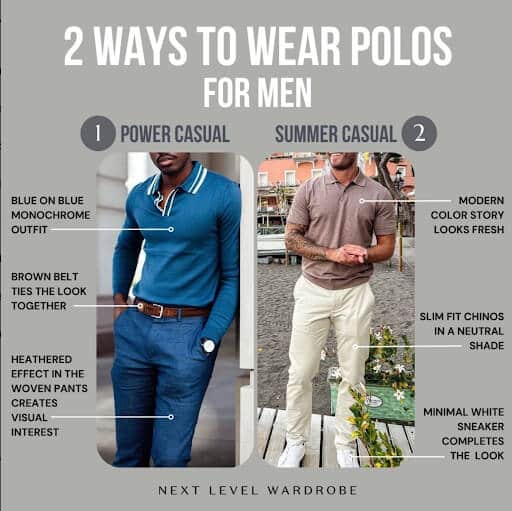
Credit: nextlevelwardrobe.com
Outfit Combinations For Different Situations
Now let’s look at practical outfit ideas for various workplace scenarios. Each option balances style, comfort, and professionalism.
Everyday Office Outfit
For most days, you want something that’s easy, comfortable, and polished.
- Light blue button-down shirt
- Navy chinos
- Brown leather loafers
- Matching brown belt
- Classic watch
This look is timeless and works in almost any office.
You can swap the shirt for white or light gray for variety. If your office is cool, add a lightweight sweater over the shirt. Layering keeps you comfortable as temperatures change during the day.
Meeting Day
When you have a presentation or important meeting, add a blazer to your usual outfit.
- White dress shirt
- Charcoal blazer
- Gray dress pants
- Black brogues
- Black leather belt
A blazer instantly makes you look more authoritative.
If you want to stand out a bit more, add a pocket square or a subtle patterned tie. The goal is to show you made extra effort without looking overdressed.
Casual Friday
Many offices relax the dress code on Fridays. You can add a bit of personality.
- Patterned button-down shirt (checks or stripes)
- Khaki chinos
- Tan loafers
- Brown belt
Avoid jeans unless your company allows them.
If you’re allowed to wear jeans, pick dark, well-fitted ones with no rips or fading. Pair with a smart shirt and shoes, never sneakers or t-shirts.
After-work Social
If you’re heading to a dinner or drinks after work, keep your outfit smart but comfortable.
- Pale pink dress shirt
- Navy chinos
- Navy blazer (optional)
- Brown loafers
This combination works for both office and social settings.
Try rolling up your sleeves after work for a more relaxed look. A smart casual watch or subtle bracelet adds a touch of personality.
Creative Workplaces
Some jobs (design, tech, marketing) allow more flexibility. You can try:
- Olive chinos
- White button-down shirt
- Patterned socks
- Leather sneakers (if allowed)
Check your company’s policy before wearing sneakers.
Creative offices often encourage personal style, but don’t go too far. Avoid loud prints or very casual items. A cardigan or bomber jacket can be a good alternative to a blazer if your office culture is relaxed.
Seasonal Business Casual Styles
Different seasons require different fabrics and colors. Here’s how to adjust your business casual outfits year-round.
Spring
- Lightweight cotton shirts
- Pastel or light colors
- Chinos in beige or light gray
- Loafers or brogues
Spring is a great time to add lighter colors and experiment with new shades. If your office is air-conditioned, keep a sweater or light blazer handy.
Summer
- Linen shirts (breathable)
- Short-sleeve button-downs (if allowed)
- Light-colored chinos or dress shorts (some offices)
- No-show socks
Tip: Avoid shorts unless HR says they’re okay.
Stick with light fabrics like linen or cotton blends. Avoid dark colors, which absorb heat. If you sweat easily, bring an extra shirt to work.
Fall
- Earth-tone shirts (olive, burgundy)
- Wool or heavier cotton chinos
- Sport coat in tweed or wool
Layering is key in fall. Try a lightweight sweater under your blazer. Add a scarf for style and warmth when commuting.
Winter
- Layer with sweaters (crew neck or v-neck)
- Dark dress pants (charcoal, navy)
- Leather boots
- Overcoat for outdoor walks
Try a merino wool sweater—it’s warm but not bulky. Wear an overcoat that’s long enough to cover your blazer. Keep gloves and a scarf in your bag for unexpected cold days.
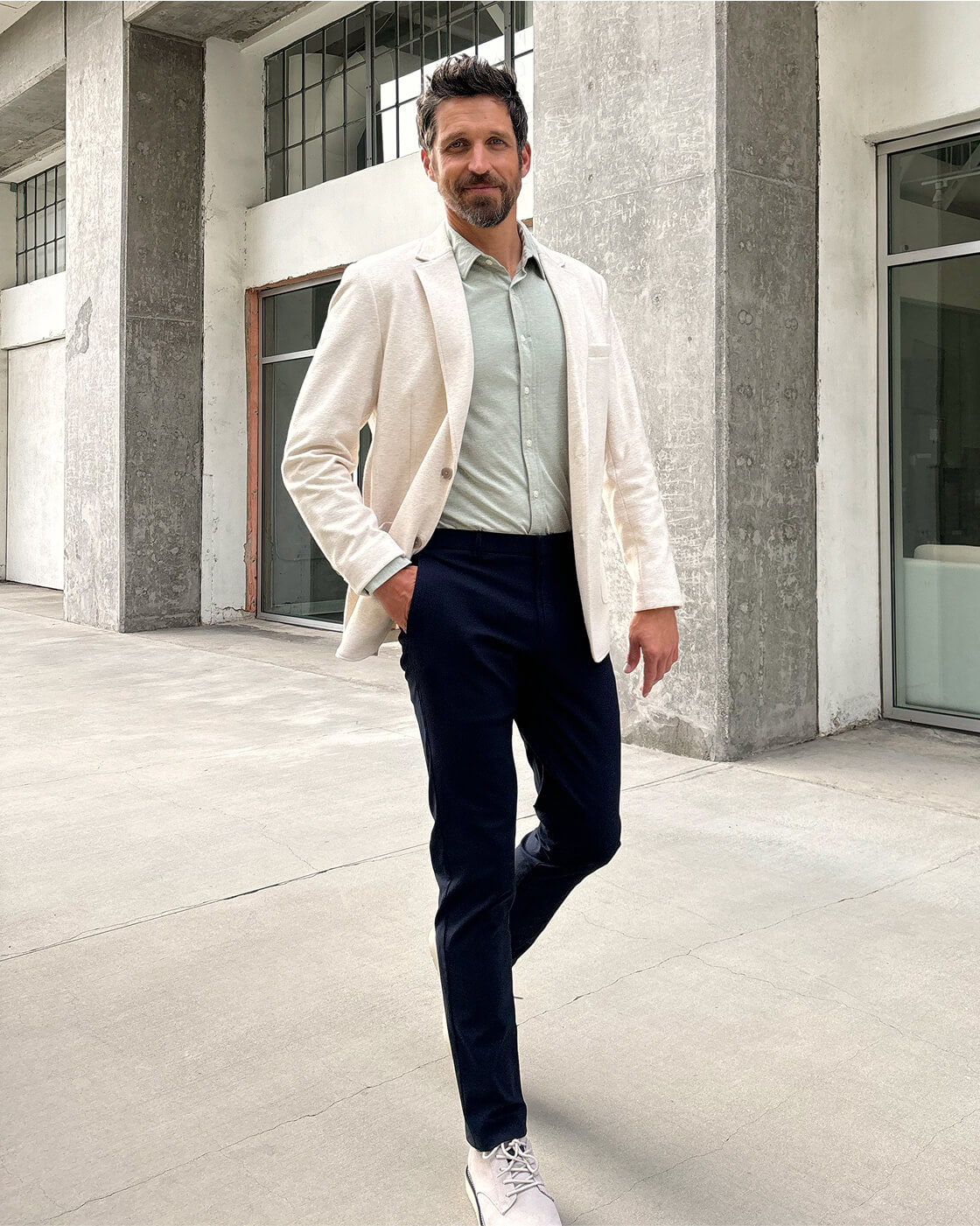
Credit: www.stitchfix.com
Fit And Comfort: Why They Matter Most
Many men focus on style or brand, but fit is the most important factor. Even the best clothes look bad if they don’t fit your body.
- Shoulders: Seams should line up with your shoulder bones.
- Sleeves: End at your wrist bone.
- Waist: Pants should sit comfortably, not tight or loose.
- Length: Shirt tails should tuck in easily.
A well-fitted outfit looks more expensive and professional. If you’re unsure, visit a tailor for adjustments. This is a secret many stylish men use.
Comfort is also crucial. You’ll spend all day in these clothes. Choose breathable fabrics and avoid anything that restricts movement. Many brands now use stretch fabrics for chinos and shirts.
Don’t ignore how you feel in your outfit. If you’re uncomfortable, it shows in your body language. Try sitting, standing, and reaching when you try on new clothes. If you feel restricted, size up or pick a different cut.
One non-obvious tip: Many men buy shirts with sleeves that are too long. This makes the arms look sloppy and causes bunching at the wrists. Get sleeves shortened if needed.
Another detail: If your pants are too long, they’ll bunch up at the ankles and make you look shorter. A tailor can hem them quickly and cheaply.
Common Business Casual Mistakes
Even experienced professionals make mistakes with business casual. Here are the most frequent errors—and how to avoid them.
- Wearing sneakers: Only wear them if your office allows.
- Untucked shirts: Always tuck in your shirt unless it’s a short-sleeve with a designed hem.
- Bright colors or prints: Keep colors subtle; avoid neon or cartoon prints.
- Wrinkled clothes: Iron or steam your outfit. Creases look unprofessional.
- Poor shoe care: Clean and polish your shoes regularly.
- Ignoring accessories: A belt and watch complete your look.
- Over-accessorizing: Keep it simple. One watch, one belt, no flashy jewelry.
Another mistake: Wearing athletic socks with dress shoes. This looks unprofessional and feels uncomfortable. Always choose dress socks in a color that matches your pants.
One more: Wearing clothes that are too tight or too loose. Clothes that fit well make you look slimmer and more confident.
Business Casual For Different Body Types
Not every man has the same body shape. Choosing the right clothes can help you look your best.
Slim Build
- Choose slim-fit shirts and pants.
- Avoid baggy or oversized items.
- Layer with blazers or sweaters for more structure.
Patterns and textures can add visual interest and make you look less thin. Try checks, subtle stripes, or heavier fabrics.
Athletic Build
- Fitted shirts with a bit of stretch.
- Pants with room in the thighs but tapered at the ankle.
- Avoid skinny fits—they can look too tight.
Look for brands that offer “athletic fit” or “tailored fit” options. These give extra room in the chest and shoulders but taper at the waist.
Larger Build
- Look for regular fit shirts and pants.
- Avoid tight collars or cuffs.
- Dark colors are slimming.
Vertical stripes can help elongate your frame. Avoid shiny fabrics, which make you look bigger. Choose structured blazers that define your shoulders.
Tip: Visit a tailor for custom adjustments. Small changes make a big impact.
Budgeting For Business Casual
You don’t need to spend a fortune for good business casual style. Focus on quality over quantity. Buy versatile pieces that mix and match.
| Item | Budget Range | Tip |
|---|---|---|
| Dress Shirt | $20–$80 | Buy two classic colors first |
| Chinos | $25–$90 | Choose neutral colors |
| Blazer | $60–$200 | One navy blazer covers many occasions |
| Shoes | $50–$180 | Invest in quality leather |
| Belt | $15–$50 | Match with shoe color |
For reference, a survey from Statista found that the average American male spends about $120 per year on work clothing. But buying better quality can reduce long-term costs.
Shop sales or outlet stores to save money. Thrift stores sometimes have high-quality dress shirts and blazers at a fraction of the price.
Buy one new item each month instead of everything at once. This allows you to build your wardrobe slowly and avoid large upfront costs.
Advanced Business Casual Tips
If you want to stand out, use these advanced strategies:
- Layer with a sweater or vest for extra polish.
- Add a pocket square to your blazer (but keep it simple).
- Try subtle patterns: Windowpane, houndstooth, or pinstripe.
- Mix textures: Cotton shirt with wool pants or tweed blazer.
- Use color blocking—combine two solid colors for a bold but professional look.
One non-obvious tip: Many men ignore sock choice. A patterned or colored sock can add personality without breaking the dress code. Just keep it subtle.
Another insight: If you work in a large company, notice what managers wear. This tells you the “real” dress code.
Don’t be afraid to use layers for function and style. For example, a lightweight vest under a blazer adds warmth and interest without bulk. Or, try a thin cardigan over your shirt for a smart, modern look.
You can also add personality with ties, even if they’re not required. A knit tie or textured tie can make your outfit more interesting without being too formal.
Business Casual Outfit Examples
Here are three ready-to-wear combinations that fit almost any office:
- Classic Professional
- White button-down shirt
- Navy chinos
- Brown leather loafers
- Navy blazer
- Modern Relaxed
- Light gray dress shirt
- Olive chinos
- Tan brogues
- Patterned socks
- Creative Casual
- Burgundy check shirt
- Charcoal dress pants
- Black leather loafers
- Casual watch
Try swapping out individual pieces to create more combinations. For example, wear the light gray shirt from the Modern Relaxed look with navy chinos and brown shoes for a new outfit. With just a few shirts and pants, you can create a week’s worth of different looks.
Business Casual For Remote Workers
Remote work has changed dress codes. Many men now wear business casual for video calls. Here’s how to adapt:
- Wear a collared shirt for calls (even with casual pants).
- Avoid bright colors—camera picks up strong tones.
- Keep hair and face groomed.
- Use good lighting so your outfit looks neat.
Many remote professionals skip shoes, but wearing them can boost confidence.
Try to keep a blazer or sweater nearby for surprise calls with clients or managers. Good posture and a tidy background also help you appear more professional.
One tip: Avoid heavy patterns or stripes, as they can look strange on camera. Stick with solid colors or very subtle patterns for the best video appearance.
Sustainable Business Casual Choices
As people care more about the environment, sustainable clothing is important. Look for brands using organic cotton, recycled materials, and ethical labor practices.
- Choose fewer, higher-quality pieces.
- Repair clothes instead of replacing.
- Donate or recycle old items.
You can find more about sustainable business attire at Green America.
Buying secondhand or vintage blazers is a smart way to save money and reduce waste. Consider local tailors who can repair or update older clothes.
Washing clothes less often (and in cold water) saves energy and keeps fabrics in better shape. Hang dry shirts and pants when possible to extend their lifespan.

Credit: www.nilds.gov.ng
Business Casual In Different Cultures
Dress codes change worldwide. In the US, business casual is common. In Europe, it’s often more formal. In Asia, modesty and neatness are important.
- US: Chinos, button-downs, loafers
- UK: Dark dress pants, structured shirts
- Japan: Simple, neat shirts, no loud colors
If you travel for work, check local customs before packing.
In some cultures, showing tattoos or wearing bright colors is not appropriate at work. Always cover tattoos unless you know it’s accepted. Keep jewelry minimal—especially in conservative countries.
If you work with international teams, ask your colleagues for advice about dress expectations. This shows respect and helps you avoid mistakes.
How To Transition From Business Casual To Formal
Sometimes you need to upgrade your outfit quickly. Here’s how:
- Add a blazer or suit jacket.
- Wear a tie (choose subtle patterns).
- Switch to formal dress shoes.
- Replace chinos with dress pants.
Keep a blazer and tie in your office for emergencies.
A white pocket square is an easy way to make your blazer look more formal. Swap your casual watch for a classic dress watch if you have one.
If you wear facial hair, make sure it’s neatly trimmed before important meetings.
Caring For Your Business Casual Clothes
Proper care keeps your wardrobe fresh and professional:
- Wash shirts in cold water to prevent shrinking.
- Hang pants and shirts to avoid wrinkles.
- Polish shoes monthly.
- Store belts flat, not rolled.
A steamer is a great tool for quick wrinkle removal.
Don’t over-dry your clothes—this wears out fabrics and makes colors fade. Use a gentle cycle and mild detergent for dress shirts.
If you sweat a lot, rotate your shirts so each one gets a rest. This helps them last longer.
Frequently Asked Questions
What Is Not Allowed In Business Casual?
Avoid jeans, graphic tees, sneakers (unless permitted), shorts, and flip-flops. Clothes should be neat, pressed, and not too casual.
Can I Wear Jeans For Business Casual?
Dark, well-fitted jeans may be allowed in some offices, but check your company policy. Never wear ripped or faded jeans.
Are Polo Shirts Considered Business Casual?
Polo shirts are sometimes accepted, especially in relaxed workplaces. Choose high-quality fabric and avoid logos.
Should I Tuck In My Shirt?
Yes, for button-down shirts and dress shirts. If wearing a polo or short-sleeve shirt, follow the hem design and company guidelines.
How Many Business Casual Outfits Do I Need?
Aim for at least five shirts, three pairs of pants, and one blazer. This gives you enough combinations for a week.
Closing Thoughts
Business casual is more than just a dress code—it’s a way to show professionalism and confidence while staying comfortable. By choosing the right pieces, focusing on fit, and understanding your workplace, you can create outfits that work for any situation.
Remember, simple and classic is always better than bold and risky. With these ideas and tips, you’ll be ready to look your best every day.
If you want more inspiration, observe what successful colleagues wear and adapt your style. Building a business casual wardrobe is a journey, but every step can make you feel more confident and respected at work.
The most important thing? Be comfortable, be neat, and be yourself—within your workplace’s guidelines. With time, you’ll find your own style and maybe even inspire others to raise their standards, too.
