

Men's Business Casual Clothes Near Me: Top Local Style Picks
Men’s Business Casual Clothes Near Me
Finding the right business casual clothes for men can be challenging, especially when you want to look professional and feel comfortable. Many men struggle to balance style, practicality, and affordability. Shopping locally offers benefits like trying clothes before buying, getting advice from sales staff, and supporting local businesses. But it’s not always clear where to start, what to look for, or how to put together a sharp business casual outfit. This guide will help you navigate the world of men’s business casual clothes near you, covering the essentials, shopping strategies, common mistakes, and local options. Whether you’re new to business casual or looking to upgrade your wardrobe, you’ll find actionable advice and insights to make your shopping experience easier and more rewarding.
What Is Business Casual For Men?
Business casual is a dress code often seen in offices and professional environments. It’s more relaxed than formal business attire but still polished. The goal is to appear professional without wearing a full suit and tie. But what does business casual really mean?
The answer depends on your company, local culture, and personal taste. At its core, business casual combines comfort and style.
Typical items in men’s business casual wardrobes include:
- Dress shirts
- Chinos or dress pants
- Polo shirts
- Blazers or sports jackets
- Sweaters
- Leather shoes or loafers
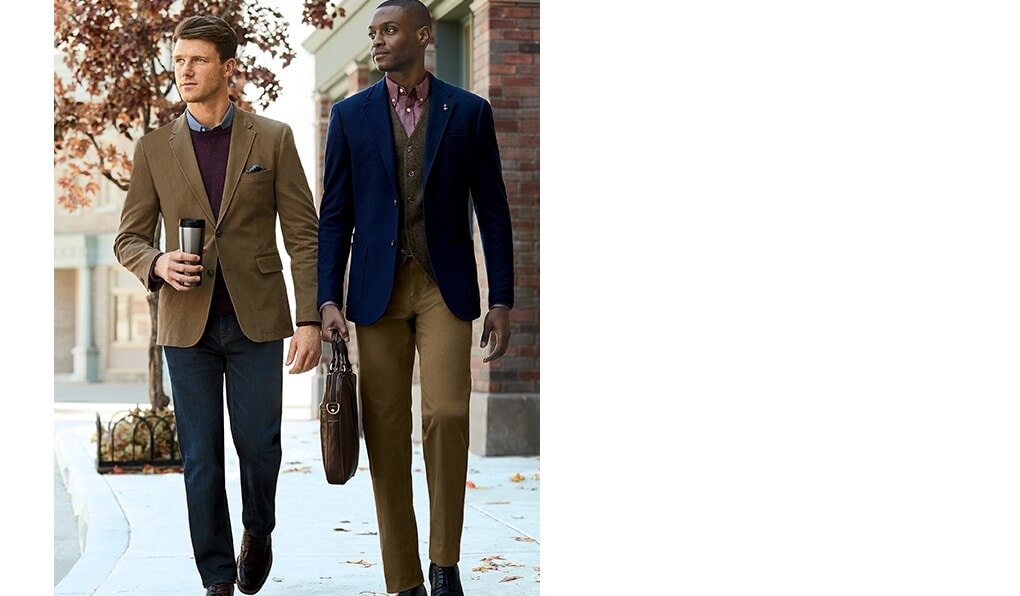
You can mix and match these pieces for different looks. For example, pairing a crisp dress shirt with chinos and loafers creates a classic business casual style. Adding a blazer elevates the look, while a sweater brings a more relaxed vibe.
Some companies allow jeans, but they should be dark, clean, and free of rips. Avoid shorts, athletic wear, and graphic tees. Business casual is about looking neat and approachable.
Local Shopping Options For Men’s Business Casual Clothes
When searching for “men’s business casual clothes near me,” you’ll find different types of stores. Each offers unique benefits. Here are the main categories:
Department Stores
Large department stores often carry a wide selection of business casual clothes. You’ll find brands like Tommy Hilfiger, Ralph Lauren, and Calvin Klein. These stores offer dress shirts, pants, blazers, and shoes. Sales staff can help with sizing and style advice.
Popular department store examples include:
- Macy’s
- Nordstrom
- Dillard’s
- JCPenney
These stores usually have frequent sales, loyalty programs, and easy returns.
Men’s Specialty Shops
Specialty shops focus on men’s clothing and often provide personalized service. Staff can help you build a wardrobe, offer tailoring, and suggest outfit combinations. Brands are often higher-end, and the store experience is more tailored.
Examples:
- Men’s Wearhouse
- Brooks Brothers
- Jos. A. Bank
Specialty shops are ideal for those looking for expert advice or custom fits.
Local Boutiques
Boutiques are smaller stores that may carry unique brands or local designers. You’ll find clothes not available in big chain stores. Boutiques usually have knowledgeable staff who understand current trends and local styles.
Shopping at a boutique can help you stand out with less common pieces. Prices are often higher, but quality is typically excellent.
Big-box Retailers
Stores like Target, Walmart, and Kohl’s offer affordable business casual options. You’ll find basics like polos, chinos, and sweaters. The selection may be limited, but prices are budget-friendly. These stores are good for stocking up on essentials.
Outlet Stores
Outlet stores offer discounted prices on name-brand clothing. You can get quality business casual pieces for less. Outlets are located outside major cities and often require a drive, but the savings can be significant.
Popular outlets:
- Nike Factory Store
- Banana Republic Factory Store
- Gap Outlet
Thrift Stores And Secondhand Shops
Don’t overlook thrift stores. You can find gently used dress shirts, pants, and blazers at a fraction of the cost. Look for stores like Goodwill, Salvation Army, or local charity shops. Thrift shopping requires patience, but you may discover high-quality pieces.
Key Items For A Business Casual Wardrobe
Building a business casual wardrobe starts with the basics. Here are the must-have items:
1. Dress Shirts
Choose solid colors or subtle patterns. White, light blue, and pale pink are versatile. Avoid loud prints. Cotton and blends are comfortable.
2. Chinos Or Dress Pants
Navy, gray, and khaki chinos match with most shirts. Dress pants are slightly more formal. Look for a slim or straight fit.
3. Polos
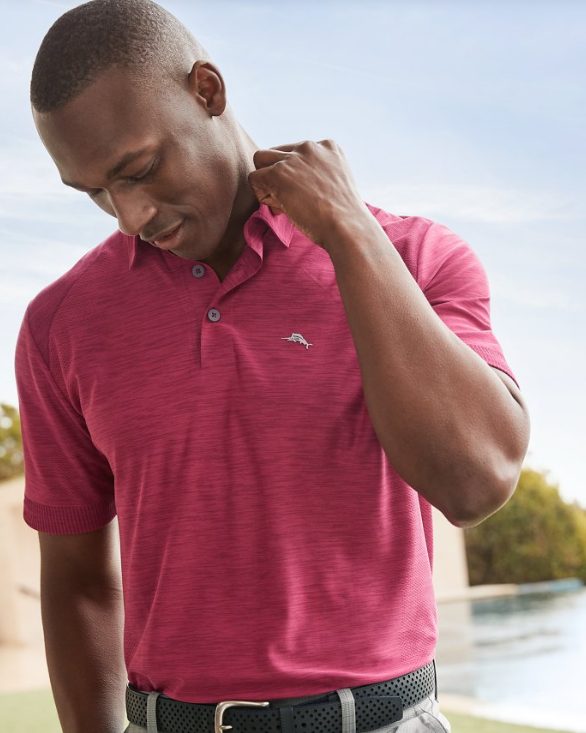
Polos are a business casual staple. Pick neutral colors. Ensure the fit is not too tight or too loose.
4. Blazers Or Sports Jackets
A blazer adds sophistication. Navy and gray are popular choices. Sports jackets offer more texture and color.
5. Sweaters
V-neck or crew neck sweaters work well over shirts. Wool or cotton blends are comfortable and breathable.
6. Leather Shoes Or Loafers
Brown or black leather shoes are classic. Loafers are comfortable and stylish. Avoid sneakers unless your workplace allows them.
7. Belts
Match your belt with your shoes for a polished look.
8. Accessories
Simple watches and discreet socks complete the outfit. Avoid flashy jewelry.
Comparison Table: Dress Shirts Vs. Polos Vs. Sweaters
Here’s a quick look at how these items compare for business casual:
| Item | Formality | Comfort | Pairing Options | Price Range |
|---|---|---|---|---|
| Dress Shirt | High | Moderate | Pants, Blazer, Sweater | $25–$70 |
| Polo | Medium | High | Pants, Chinos | $15–$40 |
| Sweater | Medium | High | Shirt, Polo | $20–$60 |
How To Choose The Right Business Casual Clothes Locally
Shopping locally has advantages, but you need a plan to get the best results. Here’s how to make smart choices:
1. Check Store Inventory Online
Many stores list their inventory online. Before visiting, browse their website to see what’s available. This saves time and ensures you don’t miss out on popular items.
2. Know Your Measurements
Knowing your size helps you avoid returns and disappointment. Measure your chest, waist, inseam, and neck. Most stores have sizing charts.
3. Try Before You Buy
Fit is crucial in business casual. Try clothes on to check comfort and appearance. Move around, sit, and stand to see how the clothes feel. Don’t settle for a poor fit.
4. Ask For Staff Advice
Sales staff can help with fit, style, and color choices. Many stores offer tailoring services. If you’re unsure, ask for recommendations.
5. Compare Prices
Check prices at different stores. Department stores often run sales, while outlets offer discounts year-round. Don’t forget to factor in tailoring costs.
6. Look For Quality
Quality matters more than quantity. Inspect stitching, fabric, and buttons. Good quality clothes last longer and look better. Avoid buying items that feel flimsy or poorly made.
7. Think About Versatility
Choose items you can mix and match. A navy blazer pairs with most pants and shirts. Neutral colors make it easier to create new outfits.
Business Casual Outfit Examples
Putting together a business casual outfit is easier when you have examples. Here are a few combinations to inspire you:
- Dress shirt + chinos + leather loafers
A classic look for meetings or presentations.
- Polo + khaki pants + brown belt
Comfortable and relaxed for everyday office wear.
- Sweater over dress shirt + navy pants + black shoes
Ideal for cooler weather.
- Blazer + dress shirt + gray pants + simple watch
Great for client visits or special events.
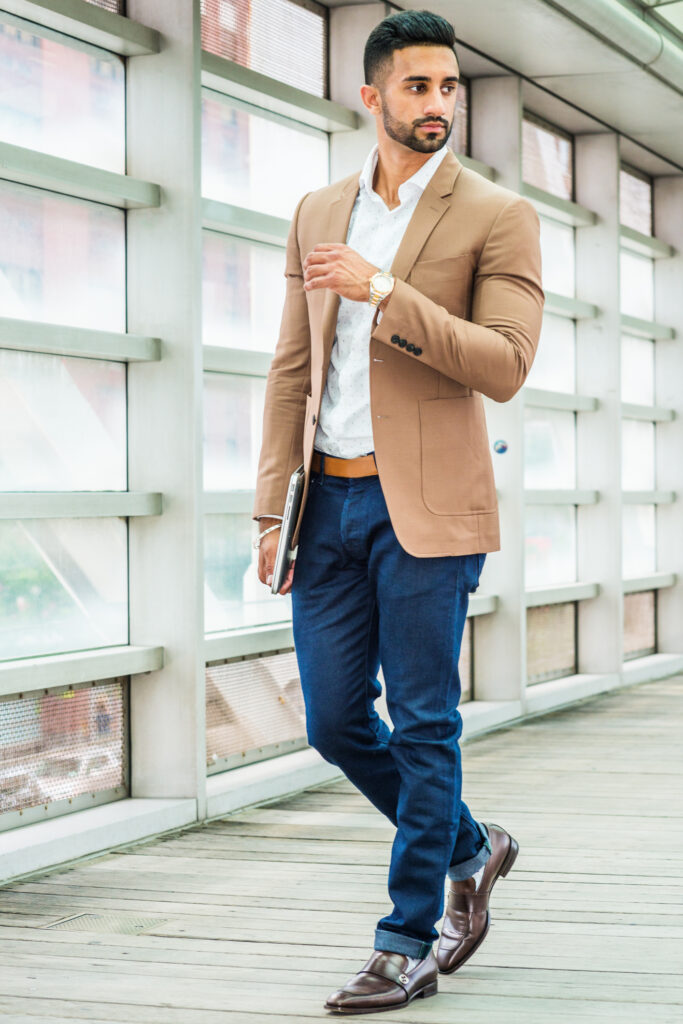
- Patterned shirt + dark jeans + loafers
For casual Fridays (if allowed).
Comparison Table: Outfit Combinations And Occasions
| Outfit | Occasion | Comfort Level | Style Impact |
|---|---|---|---|
| Dress Shirt + Chinos + Loafers | Meeting | Medium | Classic |
| Polo + Khaki Pants + Belt | Daily Work | High | Relaxed |
| Sweater + Shirt + Navy Pants | Cold Weather | High | Modern |
| Blazer + Dress Shirt + Gray Pants | Special Event | Medium | Elegant |
| Patterned Shirt + Dark Jeans + Loafers | Casual Friday | High | Trendy |
Common Mistakes When Shopping For Business Casual Clothes Locally
Many men make mistakes when building a business casual wardrobe. Avoid these pitfalls:
1. Buying Clothes That Don’t Fit
Fit is the most important factor. Don’t buy shirts or pants that are too loose or too tight. A good fit looks sharp and feels comfortable.
2. Ignoring Fabric Quality
Low-quality fabrics wrinkle easily and don’t last. Choose cotton, wool, or blends with good construction.
3. Overlooking Tailoring
Off-the-rack clothes rarely fit perfectly. Tailoring small adjustments makes a big difference.
4. Choosing Loud Colors Or Patterns
Business casual is not about flashy style. Stick to neutral colors and subtle patterns.
5. Not Checking Store Return Policies
Always check the store’s return policy, especially if you’re unsure about size or style.
6. Buying Too Many Trendy Pieces
Trends change quickly. Invest in timeless basics first.
Practical Tips For Shopping Business Casual Clothes Near You
Here are some practical tips to make your shopping experience easier and more effective:
- Visit stores during off-peak hours to get personalized attention from staff.
- Take photos of outfits you like in stores to remember combinations.
- Set a budget before shopping to avoid overspending.
- Wear shoes similar to those you’ll use at work for accurate fitting.
- Try layering shirts and sweaters in-store to see how they look together.
- Ask about loyalty programs for discounts and rewards.
- Bring a friend or family member for second opinions.
Data Table: Average Prices For Business Casual Items By Store Type
| Store Type | Dress Shirt | Chinos | Polo | Sweater | Blazer |
|---|---|---|---|---|---|
| Department Store | $40 | $35 | $25 | $45 | $120 |
| Specialty Shop | $60 | $55 | $35 | $65 | $180 |
| Big-Box Retailer | $25 | $20 | $15 | $30 | $80 |
| Outlet Store | $30 | $25 | $20 | $35 | $100 |
| Thrift Shop | $8 | $7 | $5 | $10 | $20 |
How To Build A Business Casual Wardrobe On A Budget
If you’re on a tight budget, you can still create a great business casual wardrobe. Here’s how:
1. Start With Essentials
Buy a few key items first:
- 2–3 dress shirts
- 2 pairs of chinos
- 1–2 polos
- 1 pair of leather shoes
This covers most situations.
2. Shop Sales And Clearance
Look for deals at department stores and outlets. Shopping during end-of-season sales can save you up to 50%.
3. Visit Thrift Stores
Thrift shops offer high-quality pieces for low prices. Focus on basics like shirts and pants.
4. Prioritize Neutral Colors
Neutral colors match more outfits, so you need fewer pieces.
5. Invest In Tailoring
Spend a little on tailoring to make cheap clothes look expensive. Hem pants, adjust shirts, and shorten sleeves.
6. Avoid Fast Fashion
Fast fashion is tempting for its low prices, but quality is often poor. Choose better brands when possible.
Credit: www.josbank.com
Understanding Local Style And Culture
Business casual varies by region and company. Some cities prefer classic styles, while others are more relaxed. Observe what colleagues wear and adjust your wardrobe accordingly. If you’re new to an area, visit local stores and ask staff about popular styles.
For example:
- In urban areas, business casual may include blazers and slim-fit pants.
- In smaller towns, polos and khakis are common.
- In creative industries, you may see patterned shirts and trendy shoes.
Ask about dress codes before buying new clothes. This saves money and ensures you fit in.
Non-obvious Insights For Business Casual Shopping
Many beginners overlook these points:
- Alteration services: Some stores offer free or discounted tailoring for purchases. This turns an average piece into a perfect fit.
- Fabric care: Choose clothes that are easy to wash and iron. Avoid dry-clean-only items for daily wear.
- Layering flexibility: Pick shirts and sweaters that work both alone and together. This maximizes outfit options.
- Seasonal fabrics: Lightweight cotton is best for summer, while wool blends suit winter. Choose fabrics based on your climate.
Credit: petersclothiers.com
Benefits Of Shopping Locally For Business Casual Clothes
Local shopping has several advantages:
- Immediate access: Try on clothes and take them home the same day.
- Personalized service: Staff can recommend outfits, offer fitting, and answer questions.
- Supporting local businesses: Your purchase supports jobs in your community.
- Easy returns and exchanges: No waiting for shipping or dealing with online forms.
- Discovering unique styles: Local boutiques may carry brands not found online.
How To Find Men’s Business Casual Clothes Stores Near You
If you’re unsure where to shop, use these strategies:
- Search online for “men’s business casual clothes near me.”
- Use store locator tools on department store and brand websites.
- Check Google Maps for nearby men’s clothing shops.
- Ask colleagues or friends for recommendations.
- Visit malls, shopping centers, or outlet locations.
Many stores have online booking for appointments or personal shopping sessions.
For more ideas on finding local stores, check out the Nordstrom Store Locator.
Credit: www.libins.com
Frequently Asked Questions
What Is Considered Business Casual For Men?
Business casual includes dress shirts, chinos or dress pants, polos, blazers, sweaters, and leather shoes. Avoid jeans with rips, shorts, athletic wear, and graphic tees.
How Do I Know If A Store Near Me Sells Business Casual Clothes?
Check the store’s website or call ahead. Department stores, men’s specialty shops, and boutiques usually carry business casual items. Look for dress shirts, chinos, and blazers in the store.
What Should I Look For In A Business Casual Dress Shirt?
Choose shirts with solid colors or subtle patterns. Look for quality fabrics like cotton or blends. Make sure the fit is comfortable but not baggy. Check the collar and cuffs for durability.
Are Thrift Stores Good For Business Casual Clothes?
Yes, thrift stores can offer high-quality business casual items at low prices. Focus on basics like shirts, pants, and blazers. Be patient and inspect items for wear and tear.
Should I Get My Business Casual Clothes Tailored?
Tailoring improves fit and appearance. Most off-the-rack clothes need small adjustments. Invest in tailoring for shirts and pants to look polished and professional.
Final Thoughts
Finding men’s business casual clothes near you doesn’t have to be stressful. Start by understanding what business casual means for your workplace. Visit local stores to try clothes, get advice, and build a versatile wardrobe. Focus on fit, quality, and timeless style. Avoid common mistakes like buying poorly fitting clothes or following short-lived trends. Use practical strategies to shop smart, whether you’re on a budget or looking for premium brands. With the right approach, you’ll look professional, feel comfortable, and make a great impression every day.
