

Jersey Vs Shirt: Key Differences Every Sports Fan Should Know
Jersey Vs Shirt: What’s The Real Difference?
When you walk into a sports shop or browse online, it’s easy to feel confused about the difference between a jersey and a shirt. The two words are used a lot in sports, fashion, and even daily life. But what do they really mean? Are they the same thing with different names, or do they serve different purposes? Understanding the distinctions can help you make better choices—whether you’re buying for your favorite team, looking for casual clothes, or designing custom apparel.
This guide will take you deep into the world of jerseys and shirts. You’ll learn their unique features, uses, and how they have evolved. You’ll find out how to choose the right one for your needs. Plus, you’ll discover surprising facts that even many sports fans and fashion lovers don’t know.
By the end, you’ll have a clear view of jerseys vs shirts and never make the common mistakes people often do.
What Is A Jersey?
The word jersey often brings up images of athletes on the field, wearing colorful tops with numbers and sponsor logos. But there’s more to jerseys than just sports. Let’s break down what makes a jersey unique.
Origins And Meaning
A jersey was originally a knitted garment from the island of Jersey, located between England and France. The material was warm and stretchy, making it popular for fishermen. Over time, the word “jersey” started to mean any knitted shirt used for sports. Today, when people say “jersey,” they usually mean a special top worn by athletes, or a fashion item inspired by sportswear.
Key Features Of A Jersey
- Material: Most jerseys are made from synthetic fibers like polyester. This material is light, durable, and helps wick sweat away from the skin.
- Design: Jerseys often have bold colors, team logos, player names, and numbers. The design makes it easy to identify teams and players on the field.
- Fit: Athletic jerseys are usually loose enough for movement but not so baggy that they get in the way.
- Ventilation: Modern jerseys have mesh panels or small holes to allow air flow. This keeps athletes cooler during games.
- Functionality: Jerseys are built for performance. They must survive heavy use, lots of washing, and rough play.
Main Types Of Jerseys
- Sports Jerseys: Worn during games by players. Each sport has its own style (football, basketball, baseball, etc. ).
- Replica Jerseys: Made for fans. They look similar to real player jerseys but may use cheaper materials.
- Fashion Jerseys: Inspired by sports but designed for everyday wear. These may have unique prints or styles.
Common Uses
- Playing sports (professional and amateur)
- Supporting a team as a fan
- Fashion statement
- Collectibles and memorabilia
Examples
- A soccer player’s number 10 jersey
- A fan wearing a replica basketball jersey to a game
- A streetwear brand releasing a limited-edition fashion jersey
What Is A Shirt?
The word shirt is much broader and includes many types of tops for men, women, and children. While jerseys are a kind of shirt, not all shirts are jerseys. Let’s look at what sets shirts apart.
Origins And Meaning
The shirt is one of the oldest and most basic items of clothing in human history. Traditionally, it means a garment with sleeves, worn on the upper body, and usually buttoned down the front. Today, “shirt” can mean everything from a formal dress shirt to a simple T-shirt.
Key Features Of A Shirt
- Material: Shirts are made from many materials—cotton, linen, polyester, silk, blends, and more. The material depends on the style and use.
- Design: Shirts can be plain, printed, patterned, or embroidered. They can be casual or formal.
- Fit: The fit varies widely. Some shirts are fitted for a sharp look, others loose for comfort.
- Sleeves: Shirts can be long-sleeved, short-sleeved, or sleeveless.
- Fastenings: Many shirts have buttons, but not all. Some pull over the head (like T-shirts).
Main Types Of Shirts
- Dress Shirts: Worn with suits or business attire. Usually have collars and cuffs.
- T-Shirts: Casual, collarless, and often with short sleeves.
- Polo Shirts: Have collars and a few buttons at the neck. Popular for sports and casual wear.
- Casual Shirts: Button-downs with patterns like plaid or stripes.
- Henleys: Collarless, with a buttoned placket at the front.
Common Uses
- Office and business wear
- Everyday casual clothing
- School uniforms
- Special occasions (weddings, parties)
- Sleepwear (pajama shirts)
Examples
- A white cotton dress shirt for work
- A graphic T-shirt with a music band logo
- A short-sleeve polo shirt for golf
Jersey Vs Shirt: Key Differences
It’s easy to mix up jerseys and shirts, especially when some shirts look sporty and some jerseys are worn as casual clothes. Here’s how they really compare.
| Aspect | Jersey | Shirt |
|---|---|---|
| Purpose | Sports, team identification, performance | General clothing, casual or formal |
| Material | Synthetic (polyester, mesh) | Cotton, blends, linen, silk, polyester |
| Design | Team logos, numbers, bold colors | Plain, patterned, wide range of styles |
| Fit | Sporty, allows movement | Varies: fitted, loose, tailored |
| Use Case | Sports, fandom, fashion | Daily wear, work, special occasions |
In-depth Look At Differences
1. Purpose And Identity
A jersey is often tied to a team, club, or sport. When you wear a team’s jersey, you’re showing support, or you’re part of the team. In contrast, a shirt is about style, comfort, or dress code. A shirt doesn’t usually show group identity unless it’s a uniform.
2. Material And Comfort
Jerseys are designed for sweating, running, and rough play. The material must be breathable and strong. Shirts, however, are made for many environments—hot, cold, formal, or relaxed. A cotton shirt might be perfect for a summer day, while a jersey would work best for a soccer match.
3. Design And Customization
Jerseys usually have bold graphics, numbers, and sponsor logos. Shirts may have subtle patterns, stripes, or simple colors. You can add your name to a jersey, but shirts are rarely personalized unless for uniforms.
4. Social Meaning
Wearing a jersey can be a statement—about your favorite player, team, or city. It’s also a way to connect with other fans. A shirt is more about personal style or fitting in with a dress code.
5. Care And Durability
Jerseys must survive mud, grass stains, and frequent washing. Many are machine-washable and quick-drying. Shirts may need ironing, especially dress shirts, and can be more delicate.
Common Misconceptions
Many people, especially those new to sports or Western fashion, confuse jerseys and shirts. Here are some mistakes to avoid:
- Believing all jerseys are for athletes. Many jerseys are made for fans and are not suitable for actual play.
- Thinking “jersey” means any shirt with a number. True jerseys are designed for sport and often have extra features.
- Assuming shirts can be worn for any occasion. Some shirts (like T-shirts) are too casual for work or formal events.
- Not realizing that some “fashion jerseys” are not accepted in sports or official team settings.
When Should You Choose A Jersey?
Picking the right top depends on your needs. Here’s when a jersey makes sense:
- Playing Sports: If you’re joining a team or playing a match, a jersey will keep you cool and help others identify you.
- Cheering for a Team: Wearing a replica jersey to a game shows your support and helps build community.
- Street Fashion: Many brands now make fashion jerseys for casual wear. These can be trendy and comfortable.
- Memorabilia: Collectors often buy special edition or signed jerseys as keepsakes.
Pro Tip
Not all jerseys are made equal. Some “replica” jerseys use lower-quality materials. If you plan to use it for sport, check if it’s “authentic” or “game-ready. ”
When Should You Choose A Shirt?
A shirt is almost always a safe option, but the type of shirt matters. Here’s when to go for a shirt:
- Professional Settings: A dress shirt is a must for job interviews, business meetings, or formal events.
- Everyday Casual: T-shirts, polos, and button-downs work for daily life, errands, or casual outings.
- Special Occasions: Weddings, parties, or family gatherings often call for a neat, well-fitted shirt.
- School or Uniforms: Many schools and jobs require specific shirts as uniforms.
Pro Tip
Look for shirts made from natural fibers like cotton or linen for hot weather. For cooler climates, blends or flannel keep you warm.
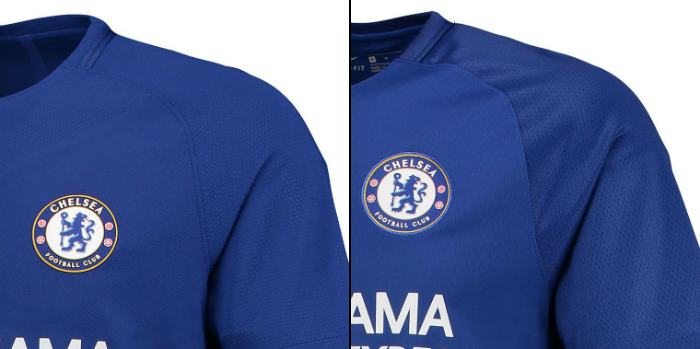
Credit: championsleagueshirts.com
How Jerseys And Shirts Have Evolved
The line between jerseys and shirts is not as clear as it once was. Here’s how both have changed:
Jerseys
- Materials have improved: Modern jerseys use advanced fabrics that are lighter, more breathable, and can stretch better.
- Customization: Fans can order jerseys with their name, favorite number, or special designs.
- Fashion Influence: Designers use jersey styles for non-sport clothing. These “fashion jerseys” can be seen on runways and in streetwear.
- Sustainability: Some sports brands now make jerseys from recycled materials, reducing waste.
Shirts
- Style Variety: From classic white shirts to colorful prints, the shirt market is huge.
- Performance Shirts: Some shirts now use moisture-wicking or wrinkle-resistant fabrics, borrowing from sportswear.
- Gender Neutral: Many shirts are designed to fit all body types, not just men or women.
- Technology Integration: Some shirts have built-in UV protection, anti-odor treatments, or even smart sensors for health tracking.
Case Studies: Real Life Examples
Sports Event
Imagine you are playing in a local football league. The team gives you a jersey with your number and sponsor logo. The fabric is light and helps you stay cool. You wash it often, but it stays in good shape.
During the match, everyone can tell who is on which team because of the colors and numbers.
Office Party
You’re invited to an office party. You choose a crisp, light blue button-down shirt. It looks smart and fits the dress code. You feel comfortable, and the shirt matches your trousers and blazer. If you wore a jersey instead, it might look out of place.
Street Fashion
A new fashion brand releases a limited-edition jersey inspired by old-school basketball designs. It’s not made for sports but for style. You pair it with jeans and sneakers for a trendy, casual look. People notice the bold graphics and unique design.
Common Mistake
A beginner joins a running group and wears a regular cotton T-shirt. After a few kilometers, the shirt is soaked in sweat and feels heavy. The other runners wear lightweight jerseys that stay dry and comfortable. The beginner learns that the right top can make a big difference.
Choosing The Right Jersey Or Shirt
You might think picking a top is simple, but a few smart tips can help you avoid disappointment.
For Jerseys
- Check the sport: Football, basketball, baseball, and cycling jerseys are all different. Make sure you get the right style.
- Fit matters: Try it on if possible. Some jerseys are “player fit” (tight) while others are “fan fit” (looser).
- Material check: Look for moisture-wicking and quick-dry features if you plan to play sports.
- Authentic vs Replica: Decide if you want a real, game-quality jersey or a cheaper replica for casual wear.
For Shirts
- Occasion: Is it for work, a party, or daily use? Pick accordingly.
- Size and fit: A shirt that fits well will always look better.
- Fabric: Consider climate and comfort. Cotton is breathable, polyester is easy to care for.
- Care instructions: Some shirts need ironing, others are wash-and-wear.
Myths About Jerseys And Shirts
Many people believe things about jerseys and shirts that aren’t true. Here are a few myths:
- Myth: Jerseys are always expensive.
Truth: Many affordable replicas exist. Only authentic or limited-edition jerseys are costly.
- Myth: Shirts are old-fashioned.
Truth: Modern shirts come in many trendy styles, from streetwear to high fashion.
- Myth: You can wear a jersey anywhere.
Truth: Jerseys are not suitable for formal events or some workplaces.
- Myth: All jerseys are uncomfortable.
Truth: Modern fabrics are designed for comfort and movement.
How To Style Jerseys And Shirts
Combining jerseys or shirts with the right clothes can make your outfit stand out.
Styling Jerseys
- Casual: Pair a jersey with jeans or shorts and sneakers for a laid-back look.
- Layering: Wear a jersey over a long-sleeve T-shirt for style and warmth.
- Streetwear: Add a cap, chain, or sporty accessories.
- Avoid: Wearing jerseys with formal pants or shoes—they rarely match.
Styling Shirts
- Office: Tuck a dress shirt into tailored trousers and add a blazer.
- Smart-casual: Wear a button-down shirt with chinos and loafers.
- Casual: T-shirts go well with almost anything—jeans, shorts, or joggers.
- Layering: Open a casual shirt over a T-shirt for a relaxed style.
Environmental Impact
The materials used for jerseys and shirts can affect the environment.
- Jerseys: Many use synthetic fibers, which are made from oil and can take a long time to break down. However, new lines use recycled plastic bottles or eco-friendly materials.
- Shirts: Cotton is natural but uses a lot of water to grow. Polyester shirts have similar environmental issues to jerseys. Choosing organic or recycled options helps reduce your impact.
For more details about sustainable clothing, check out Sustainable Fashion on Wikipedia.
Fun Facts You Probably Didn’t Know
- The first sports jerseys were made by hand and often from wool, making them heavy and hot.
- Some rare vintage jerseys have sold at auctions for hundreds of thousands of dollars.
- The number and color of a jersey can have special meanings in different sports. For example, in cycling, a yellow jersey often means the race leader.
- In some countries, the word “jersey” means a sweater, not a sports top.
- Shirts with button-down collars were originally made for polo players to keep their collars from flapping in the wind.
Expert Tips For Buyers
- Always check the return policy before buying online. Sizes can vary between brands.
- If you want to wear a jersey for sport, avoid “fan” versions. They may not last or feel comfortable during play.
- For shirts, invest in a few classic styles (white, blue, striped) that can be mixed and matched.
- Wash sports jerseys inside out to protect prints and numbers.
- Don’t be fooled by cheap knock-offs. Look for official tags if authenticity matters to you.

Credit: thebearhouse.com
How To Care For Jerseys And Shirts
Jerseys
- Wash in cold water with similar colors.
- Avoid fabric softener; it can damage performance fabrics.
- Hang dry if possible to prevent shrinking or fading.
- Don’t iron over numbers or logos.
Shirts
- Read the label—some need gentle washing or dry cleaning.
- Iron dress shirts while slightly damp for best results.
- Use a garment steamer for delicate fabrics.
- Store shirts on hangers to prevent wrinkles.
The Future Of Jerseys And Shirts
Fashion and sportswear continue to influence each other. Expect to see more:
- High-tech fabrics that keep you cool, dry, and even track your health.
- Eco-friendly materials and production methods.
- Customization options for both jerseys and shirts.
- Blurring lines between sportswear and everyday fashion.
Frequently Asked Questions
What Is The Main Difference Between A Jersey And A Shirt?
A jersey is usually made for sports, with special materials and team identification like logos and numbers. A shirt is a general term for many types of upper-body clothing, both formal and casual, and is not always linked to sports or teams.
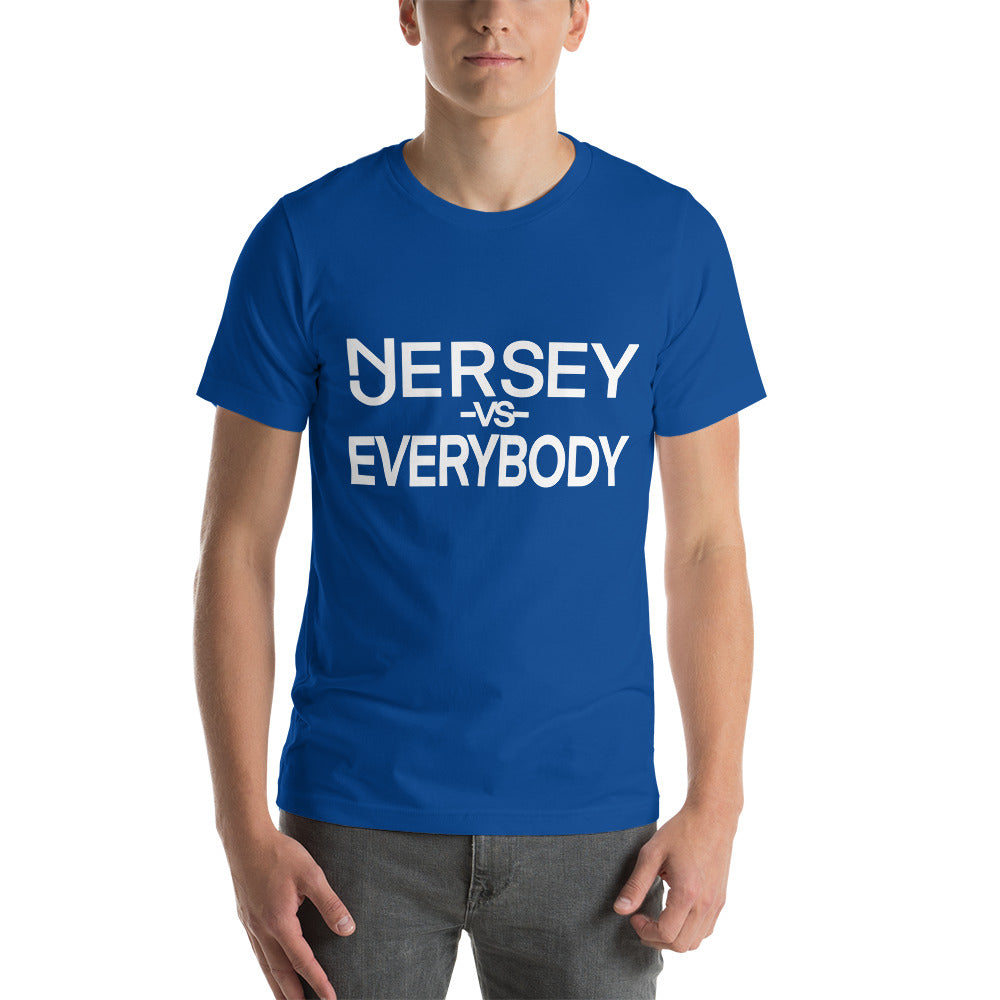
Credit: theofficialnj.com
Can I Wear A Jersey As Everyday Clothing?
Yes, many people wear fashion jerseys as part of streetwear or casual outfits. However, jerseys are less common in formal settings or workplaces unless it’s a special team day.
Are Jerseys And T-shirts The Same?
No, a jersey is a specific type of sports top made from performance materials, usually with numbers and graphics. A T-shirt is a simple, collarless shirt made from cotton or blends, and is not meant for sports performance.
How Do I Know If A Jersey Is Authentic?
Authentic jerseys are usually sold by official team stores or licensed retailers. They use better materials, have official logos, and often come with special tags or certificates. Replica or fan jerseys are cheaper but may not have the same quality.
What Is The Best Fabric For A Shirt In Hot Weather?
For hot weather, cotton or linen shirts are best because they are breathable and absorb sweat. Avoid heavy synthetic fabrics unless they are designed to wick moisture away from the body.
Choosing between a jersey and a shirt can seem tricky, but once you know the real differences, you can select the best option for every situation. Whether you’re hitting the field, heading to work, or expressing your style, understanding what makes each unique will help you feel confident and comfortable.
