

Is Rash Guard Supposed to Be Tight? Ultimate Fit Guide Revealed
Have you ever wondered if your rash guard is supposed to fit like a second skin or if a looser fit works just as well? Choosing the right fit isn’t just about comfort—it can impact your performance, protection, and overall experience.
If you’ve felt unsure whether your rash guard should hug your body or give you some breathing room, you’re not alone. Keep reading to discover the simple truth about rash guard fit and how getting it right can make all the difference for your next surf session, workout, or outdoor adventure.
Purpose Of Rash Guards
Rash guards are special shirts designed for water sports and outdoor activities. They protect your skin and keep you comfortable. Wearing a rash guard has many benefits beyond just style. Understanding their purpose helps you choose the right fit and material.
Rash guards are made to protect, block sun rays, and help control body temperature. Each feature plays a key role in keeping you safe and comfortable during your activities.
Protection Against Rashes And Abrasions
Rash guards shield your skin from rubbing against surfboards, sand, or rough surfaces. This reduces irritation and painful rashes. The tight fit helps the fabric stay close to your skin, stopping friction. It also protects against jellyfish stings and minor scrapes. Wearing one lowers the chance of skin damage during sports.
Uv Protection Benefits
Many rash guards block harmful UV rays from the sun. This helps prevent sunburn and skin damage. The fabric acts like a barrier, reducing direct sun exposure. This is important for long hours outdoors. You can avoid applying heavy sunscreen on covered areas, making it easier to stay protected.
Thermal Regulation
Rash guards help keep your body warm in cool water. The tight fit traps a thin layer of water close to your skin. Your body heats this water, creating a warm shield. It also helps wick sweat away when the weather is hot. This keeps you cool and dry, improving comfort during activity.

Credit: karlinstrategic.com
Why Fit Matters
The fit of a rash guard plays a key role in how well it works. A rash guard that fits right offers benefits beyond just looking good. It affects comfort, performance, and safety during activities. Understanding why fit matters can help you choose the best rash guard for your needs.
Comfort During Movement
A rash guard should move with your body without feeling tight or loose. Too tight can restrict your motion and make you uncomfortable. Too loose can cause the fabric to bunch up or shift. The right fit lets you stretch, twist, and bend freely. Comfort helps you focus on your activity, not your gear.
Performance Enhancement
A well-fitted rash guard reduces drag in the water and keeps your muscles warm. This can improve your speed and endurance. It also helps wick away sweat and dries quickly. A good fit supports your body and keeps you feeling fresh longer. This can boost your overall performance.
Safety Considerations
A rash guard that fits properly protects your skin from rashes and sunburn. Loose fabric can catch on equipment or surfaces, causing accidents. A snug fit stays close to your skin, reducing irritation. It also helps prevent injuries by providing light compression and support.
Ideal Rash Guard Fit
The ideal rash guard fit balances comfort and function. It should feel close to the skin without causing pain or limiting movement. A proper fit helps protect from sun, rashes, and abrasions during water activities. Choosing the right fit enhances performance and keeps you comfortable.
Snug But Not Restrictive
The rash guard must be snug to stay in place. It should not flap or ride up during activity. Avoid tightness that cuts off circulation or causes discomfort. You want a fit that moves with your body without feeling squeezed. A light compression fit works best.
Length And Coverage
The rash guard should cover your torso fully. It should extend past the waistline to avoid skin exposure. Make sure it is long enough to tuck into shorts or pants. Proper length prevents the rash guard from lifting during movement.
Sleeve Fit And Mobility
Sleeves should fit close but allow easy arm movement. Avoid sleeves that are too tight or loose at the wrists. The rash guard sleeves must not restrict paddling, swimming, or stretching. A flexible fit helps maintain full mobility.
Effects Of A Too Tight Rash Guard
Wearing a rash guard that is too tight can cause several problems. It may seem like a good fit at first, but tight rash guards affect your comfort and performance. This section explains the main effects of a rash guard that fits too snugly.
Restricted Movement
A rash guard that is too tight limits how much you can move. Stretching your arms or bending your body feels harder. This restriction can reduce your performance in sports or water activities. Your muscles might feel squeezed, which makes moving less natural.
Discomfort And Chafing
Tight rash guards press hard against your skin. This constant pressure can cause discomfort during long wear. The fabric rubbing on your skin leads to chafing, which is painful. Over time, skin irritation may develop, making your experience unpleasant.
Breathability Issues
Tight rash guards reduce airflow around your body. Less air means more sweat and heat build-up. This can make you feel hot and sticky, especially during intense activities. Poor breathability also increases the risk of skin problems like rashes and itching.
Effects Of A Loose Rash Guard
A loose rash guard can cause several problems during water activities. It may seem comfortable at first but can affect performance and protection. Wearing a rash guard that fits well is important for safety and comfort.
Reduced Protection
A loose rash guard does not stay close to the skin. This reduces its ability to protect against sunburn and rashes. Sand and saltwater can get underneath, causing irritation. Bugs and small cuts become more likely too.
Increased Drag In Water
Water gets trapped inside a loose rash guard. This creates extra resistance while swimming or surfing. The loose fabric slows down your movement. Swimming or paddling becomes harder and more tiring.
Potential For Riding Up
A rash guard that is too loose can move around a lot. It may ride up during activity, exposing your skin. This can cause discomfort and distraction. Constantly adjusting the rash guard interrupts your focus.
Choosing The Right Size
Choosing the right size for a rash guard is key to comfort and performance. A proper fit protects your skin and lets you move freely. Too tight can restrict movement. Too loose might cause chafing or drag in the water. Understanding how to pick the right size helps you enjoy your activity without discomfort.
Measuring For Fit
Start by measuring your chest, waist, and hips with a soft tape. Measure over your body, not clothes. Compare these numbers to the size chart of the rash guard brand. Check the length of sleeves and torso too. Accurate measurements prevent buying a rash guard that is too big or too small.
Considering Material Stretch
Rash guards often contain stretchy materials like spandex or elastane. These fabrics allow the shirt to hug your body snugly. The stretch also helps the rash guard return to its shape after moving. Expect a close fit but not one that feels tight or uncomfortable. Stretch varies by brand and fabric blend.
Brand Size Variations
Sizes can differ between brands. A medium in one brand may fit like a small in another. Always check the specific size guide for each brand before buying. Read customer reviews for insight on fit and sizing. This step avoids surprises and ensures you get the right rash guard size every time.
Fit Tips For Different Activities
Choosing the right fit for a rash guard depends on the activity. Each sport demands different comfort and movement. Wearing a rash guard that fits well helps protect your skin and improves performance. The fit should balance snugness and flexibility. Below are fit tips for various activities.
Surfing Fit Guidelines
Surf rash guards should fit tight but not restrict movement. They protect against sun and board rash. The fabric must stretch with your body during paddling and riding waves. Loose rash guards can cause drag and flap in the wind. Aim for a close fit around the chest and arms.
Bjj And Grappling Considerations
For Brazilian Jiu-Jitsu and grappling, rash guards must be very tight. This prevents opponents from grabbing loose fabric. The material should hug your skin and move with every twist. Avoid any bagginess to reduce chafing and skin irritation. Compression fit helps support muscles during intense sessions.
Swimming And Triathlon Uses
Swim rash guards need to be streamlined and snug. They reduce water resistance and keep your muscles warm. The fit should be tight enough to stay in place but comfortable for long swims. Triathlon rash guards also offer sun protection and quick drying. Choose a fit that allows smooth arm movement.
Material And Fit Relationship
The fit of a rash guard depends heavily on its material. Different fabrics change how tight or loose the rash guard feels. The right fit gives comfort and full movement during water sports. Choosing the right fabric helps you find the best balance between snug and flexible.
Understanding how material affects fit can guide your choice. Each fabric type offers unique stretch, thickness, and durability. These factors affect how the rash guard hugs your body and lasts over time.
Neoprene Vs Polyester Rash Guards
Neoprene rash guards are thicker and less stretchy. They feel tighter because the material is dense. Neoprene keeps you warm and protects against cold water. Polyester rash guards are thinner and more flexible. They fit snug but allow more movement. Polyester dries faster and suits warmer climates better.
Impact Of Fabric Thickness
Thicker fabrics feel tighter on the skin. They provide more protection but less breathability. Thin fabrics fit closer and move easily with your body. Thickness affects how the rash guard stretches and adapts to your shape. Choose thickness based on your activity and comfort needs.
Durability And Stretch Over Time
Rash guards stretch with use but can lose shape over time. Durable fabrics resist stretching and keep their fit longer. Less durable materials may become loose and saggy. Proper care helps maintain the rash guard’s tightness and performance. Check fabric quality to ensure long-lasting fit and support.
Common Fit Mistakes To Avoid
Choosing the right fit for your rash guard is important. Many people make common mistakes that affect comfort and performance. Avoid these errors to get the best fit for your needs.
Choosing Based On Size Alone
Many pick rash guards by size numbers only. This can cause problems like being too tight or too loose. Sizes vary between brands. Always check the size chart and try different options if possible.
Ignoring Mobility Needs
A rash guard must allow easy movement. Some choose tight fits that limit arm and shoulder mobility. This makes training or surfing hard and uncomfortable. Pick a fit that stretches with your body.
Overlooking Shrinkage After Wash
Rash guards can shrink after washing. Buying a very tight one might make it too small later. Look for fabric details and washing instructions. Choose a size with a little room for shrinkage.
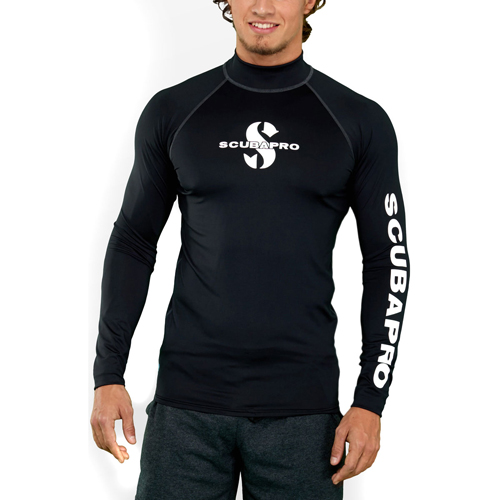
Credit: www.scuba.com
Credit: www.reddit.com
Frequently Asked Questions
Is A Rash Guard Supposed To Fit Tightly?
Yes, rash guards are designed to fit snugly. A tight fit prevents chafing and keeps the fabric close to your skin for protection.
Can A Loose Rash Guard Still Protect Skin?
A loose rash guard offers less protection. It may cause irritation and won't effectively block sun or abrasions.
Why Do Rash Guards Feel Tight On The Skin?
Rash guards use stretchy materials that compress muscles. This tightness improves movement, reduces friction, and provides UV protection.
Should Rash Guards Be Uncomfortable When Tight?
No, a rash guard should feel snug but comfortable. It should not restrict breathing or movement during activities.
Conclusion
A rash guard should fit snugly but not squeeze your body. It protects your skin and helps you move easily. Too tight feels uncomfortable and limits breathing. Too loose may cause chafing or shift during activity. Choose the right size for comfort and safety.
Remember, comfort is key for better performance. Wear it confidently and enjoy your sport.
