

Is It Okay to Wear Gym Clothes Twice? The Surprising Truth
Is It Okay To Wear Gym Clothes Twice
Everyone who works out often has faced this question: Is it okay to wear gym clothes twice before washing them? Maybe you forgot to do laundry. Maybe you simply want to save time, water, or energy. Or maybe your favorite leggings are just too comfortable to wear only once. But is it safe, healthy, or socially acceptable? The answer is not as simple as yes or no. It depends on the type of exercise, how much you sweat, your skin health, the material of your clothes, and even the weather. This article explores every important detail you need to consider before putting on yesterday’s workout top again. You’ll learn how gym clothes really get dirty, when you can re-wear them safely, and when you should toss them straight into the wash. If you want practical advice, surprising facts, and answers to common myths, keep reading.
Why People Want To Wear Gym Clothes Twice
People have different reasons for wanting to wear their workout clothes more than once. Some are practical, while others are based on habit or lifestyle.
- Laundry Convenience: Washing clothes after every workout can feel exhausting, especially if you exercise daily. Re-wearing gym clothes reduces laundry loads, saving both time and energy.
- Saving Water and Energy: Each laundry cycle uses water, detergent, and electricity. Wearing gym clothes twice can be an eco-friendly choice for those concerned about the environment.
- Clothing Longevity: Washing clothes too often can wear out the fabric, especially stretchy materials like spandex and elastane. Fewer washes may help your favorite leggings or shirts last longer.
- Busy Schedules: Not everyone has time to do laundry several times a week. For busy professionals or parents, re-wearing gym clothes can be a practical solution.
- Minimal Odor or Sweat: After a light workout or a short walk, clothes may not feel dirty or smell bad. Some people think it’s fine to wear them again if there’s no obvious odor.
Understanding these reasons helps us look at the real risks and benefits of wearing workout clothes twice.
What Happens When You Sweat In Gym Clothes
To decide if it’s okay to re-wear gym clothes, you need to understand what happens to them during exercise. Sweat is not just water; it also contains salts, oils, bacteria, and sometimes traces of urine or ammonia. When you sweat, your clothes absorb all these substances. Here’s what happens after a workout:
- Moisture gets trapped in the fabric, creating a damp environment.
- Bacteria from your skin transfer to your clothes. They thrive in warm, moist places.
- Odors develop as bacteria break down sweat and oils.
- Fungi like yeast can also grow if the fabric stays wet for too long.
Some materials, like synthetic fabrics (polyester, nylon), are especially good at holding on to bacteria and odor. Natural fibers like cotton can absorb sweat but may feel heavy and take longer to dry.
Non-obvious insight: Even if your clothes look clean, they may have a high amount of bacteria after just one wear. Studies show that bacteria multiply quickly on sweaty clothes, especially in the armpit and groin areas.
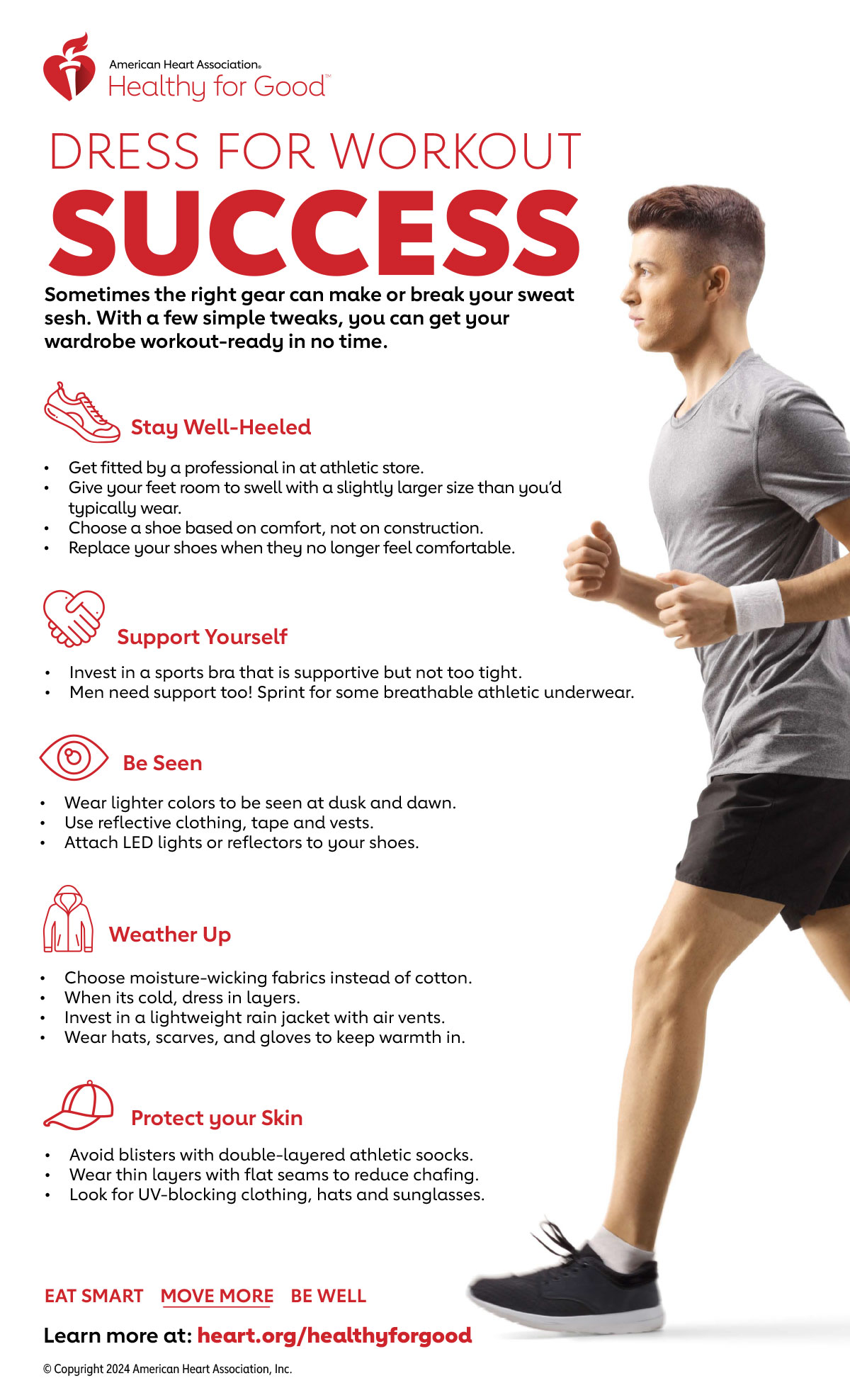
Credit: www.heart.org
Factors That Affect Whether You Can Re-wear Gym Clothes
There’s no one-size-fits-all answer. The safety and comfort of re-wearing your workout gear depend on several factors.
Type Of Exercise
- Low-intensity workouts (like yoga, stretching, or walking): Clothes may get only slightly sweaty and may be safe to wear twice if aired out well.
- High-intensity workouts (like running, HIIT, or spinning): These cause heavy sweating, so clothes will be much dirtier and riskier to re-wear.
- Outdoor vs. indoor exercise: Outdoor workouts can expose clothes to more dirt, pollen, or pollution.
Amount You Sweat
Everyone sweats differently. People who sweat more will have dirtier clothes after a workout. If you sweat a lot, it’s best not to re-wear gym clothes.
Skin Sensitivity And Health
If you have sensitive skin, eczema, or are prone to body acne, wearing dirty gym clothes increases your risk of breakouts or irritation. Bacteria and sweat can block pores and trigger skin problems.
Fabric Material
Some materials are better at handling sweat and bacteria:
- Synthetic fabrics: Quick-drying but can trap bacteria and smell.
- Cotton: Absorbs sweat but dries slowly.
- Antimicrobial fabrics: Some sportswear brands use special treatments to reduce bacteria growth.
Weather Conditions
Hot, humid weather makes you sweat more, so clothes get dirtier and grow bacteria faster. In cool, dry climates, you may sweat less and your clothes may dry out faster.
How Long You Wore The Clothes
A 20-minute walk is different from a two-hour gym session. Short, light workouts might not make your clothes very dirty.
How Quickly You Remove And Air Out Clothes
Taking clothes off right after your workout and hanging them in a well-ventilated area helps them dry and reduces bacteria growth.
Non-obvious insight: It’s not just the workout that matters—how you handle your gym clothes after exercise can make a big difference in cleanliness.
Risks Of Wearing Gym Clothes Twice
While it can seem harmless, there are real risks to wearing unwashed workout clothes again.
Skin Problems
- Body acne: Sweat, oil, and bacteria can clog pores, especially on the back, chest, and shoulders.
- Rashes and irritation: Tight, dirty clothes rub against the skin and cause chafing or rashes.
- Fungal infections: Moist, dirty clothes can encourage athlete’s foot, jock itch, or yeast infections.
Odor Problems
Sweaty clothes often smell worse the second time you wear them. This can be embarrassing in public places or group classes.
Spreading Germs
Bacteria and fungi from your skin can multiply in damp clothes. Wearing them again gives these germs another chance to touch your skin or spread to others.
Allergic Reactions
Some people are allergic to bacteria or mold that can grow in damp, dirty clothes. This can cause itchiness, redness, or hives.
Social Impressions
Wearing visibly sweaty or smelly clothes can make a negative impression on others in the gym or at work.
When Is It Usually Safe To Wear Gym Clothes Twice?
There are times when re-wearing gym clothes is less risky. Here are situations where it’s generally considered okay:
- Light Workouts: If you did a gentle yoga session, a casual walk, or light stretching with minimal sweat, your clothes may still be clean enough for a second use.
- Short Duration: Wearing clothes for less than 30 minutes, especially if you didn’t sweat much, usually doesn’t make them dirty enough to require immediate washing.
- Quick Drying and Airing: If you hang your clothes up right after your workout and they dry completely, bacteria and mold are less likely to grow.
- Antimicrobial Fabrics: Special sportswear that fights bacteria can stay fresher longer and may be safe to wear twice.
- No Odor or Visible Dirt: If your clothes don’t smell and look clean, they are less likely to cause problems.
Pro tip: Always trust your nose and eyes. If your gym clothes smell or look dirty, don’t wear them again.
When You Shouldn’t Wear Gym Clothes Twice
There are times when you should always wash your workout gear after just one use:
- High-Sweat Workouts: After intense exercise, such as cardio, hot yoga, or heavy weightlifting, clothes are soaked with sweat and bacteria.
- Skin Problems or Infections: If you have acne, eczema, or any skin infection, wearing dirty clothes can make it worse or slow healing.
- Hot and Humid Weather: In these conditions, bacteria and fungus grow fast on wet clothes.
- Shared Equipment or Mats: If you’re exercising in a public gym or using shared mats, clean clothes help avoid spreading germs.
- Underwear or Socks: Never re-wear underwear or socks. These areas collect the most sweat and bacteria and should always be washed after each use.
Credit: www.theguardian.com
Which Gym Clothes Are Safe To Re-wear?
Not all workout clothes are created equal. Some items can be re-worn, while others should be washed every time.
| Clothing Item | Re-wear Safe? | Why? |
|---|---|---|
| Sports bras | No | Close to skin, collects sweat and bacteria |
| Leggings/shorts | Sometimes | Depends on sweat level and material |
| T-shirts/tops | Sometimes | Light sweat may allow re-wear; heavy sweat, wash every time |
| Jackets/outer layers | Often | Usually don't touch sweat as much |
| Socks | No | High bacteria risk, always wash |
| Underwear | No | Direct contact with sweat and bacteria |
As a rule, anything that touches your armpits, groin, or feet should be washed after each use. Outer layers may be re-worn more safely.
How To Safely Re-wear Gym Clothes
If you decide to wear your workout gear twice, follow these tips to stay healthy and comfortable:
Air Out Immediately
Remove your gym clothes as soon as possible after exercise. Hang them in a well-ventilated area, not in a gym bag or laundry basket. This helps them dry quickly and stops bacteria from growing.
Check For Odor And Stains
Before re-wearing, smell and inspect your clothes. If they smell bad or have visible stains, wash them.
Rotate Your Outfits
Don’t wear the same set of clothes two days in a row. Give them time to air out between uses.
Use Antimicrobial Sportswear
Some brands make clothes with antimicrobial treatments that reduce bacteria and odors. These can stay fresher longer and are better for re-wearing.
Spot Clean If Needed
If only one area is dirty, wipe it clean and let the clothes dry. This is not a substitute for washing but can help in emergencies.
Avoid Using Dryer Sheets Or Heavy Fragrances
Covering up odors with sprays or sheets does not remove bacteria. It only masks the smell.
Store Clothes Properly
Keep used gym clothes in a breathable bag if you can’t wash them right away. Avoid plastic bags, which trap moisture.
Practical tip: Consider buying extra sets of workout clothes so you always have a clean option ready.
What The Science Says About Re-wearing Gym Clothes
Research gives us some clear answers. One study found that synthetic workout clothes can harbor up to 1,000 times more bacteria than cotton. Another study showed that Staphylococcus and other bacteria grow quickly on sweaty clothes, especially around the armpits and groin.
A key point: Odor is often a sign of bacterial growth. If your clothes smell, bacteria are likely multiplying. But clothes can also be covered in bacteria even if they don’t smell, so don’t rely on your nose alone.
Scientists also warn that re-wearing sweaty gym clothes can increase your risk of folliculitis (inflamed hair follicles), fungal infections, and even MRSA if you have open cuts or wounds.
Still, most healthy people will not develop serious infections from re-wearing gym clothes once in a while, especially after light exercise. But if you have broken skin, weak immunity, or skin problems, you should wash your clothes after every use.
If you want to read more about bacteria on clothes, you can check this Wikipedia article on bacterial colonization.
How Different Fabrics Affect Re-wearability
The type of fabric your gym clothes are made from makes a big difference in how safe and comfortable it is to wear them twice.
| Fabric | Dries Fast? | Holds Odor? | Re-wear Safe? |
|---|---|---|---|
| Polyester | Yes | High | Sometimes |
| Nylon | Yes | Medium | Sometimes |
| Cotton | No | Low | Rarely |
| Merino wool | Yes | Low | Often |
| Antimicrobial blends | Yes | Very Low | Often |
Merino wool and antimicrobial blends are good choices if you want the option to re-wear without washing. These materials naturally resist odor and bacteria.

Credit: webstories.theguardian.com
Common Myths About Wearing Gym Clothes Twice
Many people believe things about gym clothes that just aren’t true. Let’s clear up some common myths:
- Myth: Sweat is clean, so it’s safe to re-wear sweaty clothes.
- Sweat contains bacteria, oils, and sometimes even fungi. Wearing sweaty clothes again can increase your risk of skin problems.
- Myth: If my clothes don’t smell, they’re clean.
- Odor is a sign of bacteria, but some bacteria don’t smell. Visibly clean clothes can still have germs.
- Myth: Spraying deodorant or perfume on dirty clothes makes them safe.
- Covering up smell doesn’t kill bacteria or remove sweat.
- Myth: All fabrics are the same.
- Some fabrics hold bacteria and odor more than others. Synthetics like polyester are the worst for odor.
- Myth: Wearing gym clothes twice is always unhealthy.
- Lightly worn, well-aired clothes may be safe to re-wear for some people and workouts.
How To Reduce Laundry Without Health Risks
If you want to cut down on how often you wash your gym clothes but stay safe, try these strategies:
- Wear moisture-wicking and antimicrobial fabrics. These resist bacteria and odor, so they last longer between washes.
- Shower immediately after workouts. Clean skin means fewer bacteria on your clothes.
- Rotate your gear. Don’t wear the same set multiple days in a row.
- Use a sports wash detergent. These are designed to remove sweat and bacteria better than regular detergent.
- Hang clothes to dry right away. This stops bacteria from multiplying.
Social And Gym Etiquette
Re-wearing gym clothes is not just about hygiene. It’s also about respect for others. Here’s what you should remember:
- Group Classes: Always wear fresh clothes to group workouts, yoga studios, or fitness classes. Others will notice if you smell or look sweaty.
- Gym Equipment: If you use shared machines or mats, clean clothes help keep everything sanitary.
- Locker Rooms: Don’t leave damp, used clothes in shared spaces.
Non-obvious insight: Even if you’re comfortable re-wearing your own clothes, other people may not appreciate the smell or germs. When in doubt, choose fresh clothes.
Signs Your Gym Clothes Should Be Washed
If you notice any of these, it’s time for a wash:
- Bad odor, even after airing out
- Sticky or greasy feeling fabric
- Visible sweat stains or discoloration
- Itching, rash, or irritation after wearing
- Clothes feel damp or heavy
Don’t risk your health or comfort just to avoid doing laundry.
How Often Fitness Professionals Wash Their Gym Clothes
Fitness trainers, yoga instructors, and athletes often have strict rules about their workout clothes. Most wash their tops, underwear, and socks after every use. Some may wear outer layers or jackets multiple times, but only if they didn’t sweat much.
A survey of gym-goers found that over 80% wash their gym shirts and leggings after every workout, but only 30% wash their jackets each time.
This shows that even fitness professionals avoid re-wearing clothes that touch sweat-prone areas, but may reuse outer layers.
Best Practices For Gym Clothing Hygiene
Here’s a summary of the best ways to keep your gym clothes safe and fresh:
- Wash everything that touches sweat or skin after each use
- Air out used clothes right away
- Choose odor-resistant, quick-drying fabrics
- Never re-wear socks, underwear, or sports bras
- Rotate outfits to avoid wearing the same clothes two days in a row
- Use a sports detergent for deeper cleaning
- Store clean and dirty clothes separately
Following these habits can keep you comfortable, confident, and healthy.
Frequently Asked Questions
Can You Wear Gym Clothes Twice In A Row?
You can sometimes wear gym clothes twice, especially after a light, low-sweat workout, if you air them out well and they don’t smell. But for intense exercise or if you sweat a lot, it’s best to wash them after each use.
Is It Safe To Wear Leggings Or Shorts More Than Once?
If your workout was short and you didn’t sweat much, leggings or shorts made from odor-resistant fabrics may be safe to wear again. Always check for odor and stains first. Wash them after heavy workouts.
What Happens If You Keep Re-wearing Unwashed Gym Clothes?
Wearing dirty gym clothes again and again can cause body acne, rashes, fungal infections, and bad odor. Bacteria and fungi multiply in sweaty fabrics, making skin problems more likely.
Are There Any Gym Clothes You Should Never Re-wear?
Yes, never re-wear underwear, socks, or sports bras. These touch the sweatiest areas and collect the most bacteria, so they should be washed after every use.
How Can You Make Gym Clothes Last Longer Without Washing Every Time?
Choose quick-drying, antimicrobial fabrics, air clothes out right after use, and rotate your outfits. This helps your clothes stay fresher longer, but you still need to wash items that touch sweat and skin after each workout.
Choosing to wear gym clothes twice depends on the type of workout, your body, your clothes, and your hygiene habits. If you sweat little and use odor-resistant materials, you may get away with it sometimes. But for most people and workouts, fresh, clean clothes are the healthiest and most comfortable choice. If in doubt, wash it out—your skin and your gym mates will thank you.
