

Is It Okay to Reuse Gym Clothes? What You Need to Know
Is It Okay To Reuse Gym Clothes
Many people who work out regularly face a simple question: Is it okay to reuse gym clothes without washing them after every session? With busy lifestyles, laundry can feel like a chore. Also, gym clothes are often made from special fabrics that dry quickly and claim to resist odors. So, is it really bad to wear your workout shirt or leggings again? Or is it just a matter of personal comfort? Let's look deeper at the science, hygiene, practical factors, and real-life habits around reusing gym clothes so you can make the best choice for your health and routine.
The Science Behind Sweat, Bacteria, And Odor
When you exercise, your body cools itself by sweating. Sweat itself is mostly water, with small amounts of salt and other minerals. The real issue starts when bacteria on your skin and clothing feed on this sweat. As they break down sweat, they produce byproducts that cause the classic "gym smell."
Some key facts:
- Sweat is not smelly by itself. The odor comes from bacteria.
- Clothes trap bacteria and sweat. Tight or synthetic gym clothes, which are common for workouts, can hold more moisture and heat, giving bacteria a better place to grow.
- Odor-resistant fabrics can slow down bacteria growth, but they cannot stop it completely.
Several studies have found that bacteria multiply rapidly in sweaty fabrics, especially those made from synthetic materials like polyester. For example, one research project showed that bacteria grew faster on polyester than on cotton, leading to stronger odors.
Health Risks Of Reusing Gym Clothes
Reusing workout clothes can seem harmless, but it comes with certain risks. Here are some ways bacteria and sweat buildup can cause problems:
- Skin irritation
- Tight, dirty clothes can rub against your skin, causing redness or even rashes.
- Acne and folliculitis
- Pores can get clogged with sweat and bacteria, leading to breakouts, especially on the back, chest, and shoulders.
- Fungal infections
- Warm, damp clothes are the perfect environment for fungi like yeast. This can lead to infections such as ringworm or athlete's foot.
- Body odor
- Even if you can't smell yourself, others likely can. Odors tend to linger and become stronger with each reuse.
Not everyone will have these problems, but the risk increases each time you reuse unwashed gym clothes, especially if you sweat a lot or have sensitive skin.
Factors That Affect Whether You Can Reuse Gym Clothes
Not all workouts, clothes, or bodies are the same. The following factors play a big role in whether it’s safe or acceptable for you to reuse gym clothes:
How Much You Sweat
If you only did a light stretch or yoga session and hardly broke a sweat, your clothes are less likely to be loaded with bacteria. On the other hand, a high-intensity spin class or a long run will leave clothes much more damp and bacteria-friendly.
Type Of Workout
- Low-intensity (yoga, stretching, walking): Less sweat, usually safer to reuse.
- High-intensity (HIIT, running, cycling): More sweat, higher risk if reused.
Fabric Material
Some fabrics are better at resisting odor and drying quickly.
| Fabric | Odor Resistance | Drying Speed |
|---|---|---|
| Cotton | Low | Slow |
| Polyester | Medium | Fast |
| Merino wool | High | Medium |
| Bamboo | Medium | Medium |
Synthetic fabrics, while drying faster, can hold onto odors. Natural fibers like merino wool are better at fighting bacteria and odor.
Personal Hygiene And Skin Sensitivity
People with sensitive skin or a history of skin problems should be especially careful. If you are prone to acne, eczema, or infections, reusing gym clothes is riskier.
How You Store Used Clothes
Leaving sweaty clothes in a gym bag or car creates a warm, humid environment—perfect for bacteria and fungi. Hanging clothes to air out can help, but it doesn’t sanitize them.
Frequency Of Workouts
If you exercise every day, reusing clothes increases your exposure to bacteria and sweat, raising the risks over time.
What The Experts And Studies Say
Dermatologists and fitness experts mostly agree: It’s best to wash gym clothes after each use, especially for items that get very sweaty. This advice is not just about smell, but also about skin health and preventing infections.
A survey found that about one in three gym-goers sometimes reuse workout clothes, mainly for convenience. However, doctors warn that doing so regularly can lead to skin problems.
A study published in the Journal of Athletic Training found that athletes who reused their training clothes without washing them had a higher rate of skin infections than those who wore freshly laundered gear.
When Is It Okay To Reuse Gym Clothes?
There are some situations where reusing gym clothes is less risky. Consider these points before wearing your clothes again:
- Minimal or no sweat: If your workout was very light and your clothes are dry and odor-free, you can probably wear them one more time.
- Short time between uses: If you plan to work out again within a few hours, and the clothes haven’t been stored in a closed, warm place, the risk is lower.
- Good air drying: Hanging your clothes in a well-ventilated space helps reduce bacteria, though it doesn’t eliminate them.
- High-quality, odor-resistant fabrics: Clothes made from merino wool or treated synthetics are less likely to smell and harbor bacteria.
But, even in these cases, underwear and socks should never be reused without washing. These items are in close contact with sweat and bacteria-prone areas.
When You Should Never Reuse Gym Clothes
Some situations make it a bad idea to reuse gym clothes, no matter what:
- If clothes are damp or smell bad: Bacteria and fungi are already thriving.
- After intense workouts: More sweat means more bacteria.
- If you have open cuts or skin conditions: The risk of infection goes up.
- If you used communal equipment or mats: More chance of picking up germs from others.
- If someone in your home is sick: Dirty clothes can carry germs.
Credit: gympluscoffee.com
The Role Of Fabric: Why Material Matters
The material of your gym clothes can make a big difference in odor and hygiene.
Synthetic Fabrics
Many gym clothes are made from polyester or blends. These are light and dry quickly, but they also tend to hold onto odors. Bacteria can cling to the fibers, making washing important.
Natural Fibers
Cotton is soft but absorbs a lot of sweat and dries slowly, often leading to a musty smell if not washed quickly.
Merino wool is a favorite among serious athletes. It resists odor well and can sometimes be worn a few times before washing, as long as you let it dry completely between uses.
Treated Fabrics
Some brands use antimicrobial treatments to slow bacteria growth. This can help, but it doesn’t make clothes immune to odor or contamination.
Real-world Habits: How People Actually Handle Gym Clothes
Surveys and gym locker room observations show a wide range of habits:
- Some people wash every item after each use, no matter what.
- Others reuse leggings or shorts, but always change socks and underwear.
- A small group reuses everything, including shirts and bras, for several workouts.
- Many people leave sweaty clothes in a gym bag for hours, which increases the risk of bacteria and odor.
One non-obvious insight: Many people who reuse gym clothes notice more skin irritation during hot and humid weather, as bacteria multiply faster in these conditions.
How To Reduce Risks If You Reuse Gym Clothes
If you decide to reuse your gym clothes, there are ways to lower your risk of odor and infection:
- Let clothes dry completely before wearing them again. Hanging them in sunlight is best.
- Avoid storing dirty clothes in bags or closed spaces. This traps moisture and heat.
- Spot clean or rinse clothes under water if you can’t wash them fully.
- Use odor-neutralizing sprays designed for athletic wear.
- Choose odor-resistant fabrics, such as merino wool or treated synthetics.
- Pay attention to your skin. If you notice irritation, wash more often.
A second insight: Changing into fresh clothes right after your workout—even if you reuse later—can help prevent skin problems and reduce odor.
Gym Clothes By Category: What Can Be Reused?
Not all gym clothes are equal when it comes to reuse. Here’s a closer look at each type:
Tops (t-shirts, Tanks)
- Light sweat: May be worn once more, if fully dry and not smelly.
- Heavy sweat or visible stains: Wash after each use.
Bottoms (shorts, Leggings)
- Light activity: Can sometimes be reused, especially with odor-resistant fabric.
- Intense workouts: Wash after each use.
Sports Bras
- Direct contact with sweat-prone areas: Should be washed after every use.
Socks And Underwear
- Never reuse without washing. These are high-risk for bacteria and fungi.
Outer Layers (jackets, Hoodies)
- Usually safe to reuse if worn over other clothes and not sweaty.
Here’s a quick comparison:
| Item | Reuse Acceptable? | Notes |
|---|---|---|
| Tops | Sometimes | Only if little sweat and no odor |
| Bottoms | Sometimes | Depends on activity level and fabric |
| Sports Bras | No | Wash after every use |
| Socks/Underwear | No | Never reuse without washing |
| Outer Layers | Yes | If not sweaty or dirty |
Laundry Tips For Gym Clothes
To keep your workout gear in the best shape and avoid odor, try these laundry tips:
- Wash in cold water to protect fabric and color.
- Avoid fabric softeners, which can block moisture-wicking abilities.
- Use a sports-specific detergent for tough odors.
- Air dry instead of using a dryer, to prevent shrinking and damage.
- Turn clothes inside out before washing, to better remove sweat and bacteria.
Another useful strategy: Soak especially smelly clothes in a vinegar-water mix before washing to neutralize odors.
Environmental Impact: Washing Vs. Reusing
Some people worry about the environmental cost of washing gym clothes after every use. Washing uses water and energy, and synthetic fabrics can shed microplastics.
Is it better for the planet to reuse clothes sometimes? There’s a balance to consider:
- Washing less can save resources.
- But wearing dirty clothes increases the need to replace them sooner, as bacteria and sweat break down fibers.
If you want to reduce your impact, try:
- Choosing high-quality, odor-resistant fabrics that need less frequent washing.
- Washing full loads instead of single items.
- Air drying instead of using a dryer.
Social Factors: Consideration For Others
Wearing reused gym clothes can affect not just you, but also those around you. Many people are sensitive to body odor, and gyms are close spaces. It's respectful to keep your workout gear clean, especially if you work out with others or in a public gym.
Gym etiquette tip: If you notice any smell from your clothes, it's time to wash them.
Myths And Misconceptions
Myth: Sweat Is Dirty, So All Gym Clothes Must Be Washed Every Time.
Truth: Sweat is mostly clean water, but bacteria and skin oils are the problem. For light workouts, immediate washing is less critical, but it’s still safest.
Myth: You Can Kill Odor By Just Spraying Deodorant On Your Clothes.
Truth: Deodorants mask smells but don’t remove bacteria. They can even mix with sweat and make odors worse over time.
Myth: Airing Out Clothes Is As Good As Washing.
Truth: Air drying reduces moisture but does not remove bacteria or oils.
Myth: If You Can’t Smell Your Clothes, They’re Clean.
Truth: Odor is just one sign. Bacteria and fungi can be present even if you don’t notice a smell.

Credit: www.amazon.com
Non-obvious Insights Beginners Miss
- Bacteria multiply even faster in humid climates or during hot weather. In these conditions, reusing gym clothes becomes riskier, even for light workouts.
- Odor-resistant fabrics don’t mean bacteria-proof. Even the best materials need regular washing to prevent skin issues and breakdown of the fabric.
- Spot cleaning is not a substitute for washing. It helps in emergencies but doesn't remove all bacteria or oils.
How To Tell If It’s Time To Wash Your Gym Clothes
If you are unsure, check for these signs:
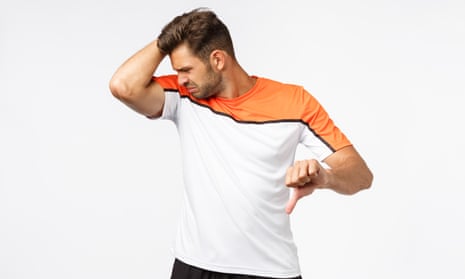
- Smell: Any hint of odor means bacteria are present.
- Feel: If the fabric feels stiff, sticky, or damp, it’s time to wash.
- Appearance: Visible stains or discoloration are clear signals.
- Skin reaction: New rashes, itching, or breakouts mean your clothes are too dirty.
Credit: www.theguardian.com
Alternatives To Reusing Gym Clothes
If you want to avoid daily laundry but still stay fresh, consider these options:
- Buy extra sets of workout clothes so you can rotate between washes.
- Choose quick-drying, odor-resistant fabrics that make laundry day easier.
- Use gym towels or liners to reduce sweat contact with your clothes.
- Plan your workouts so you can wear the same clothes for similar low-intensity sessions in a row.
The Final Takeaway
So, is it okay to reuse gym clothes? For short, light workouts with little sweat, and if your clothes smell and feel fresh, you can sometimes wear them again. But for most people, especially after intense workouts, it’s safer and more hygienic to wash your gym clothes after every use. Pay special attention to items like socks, underwear, and sports bras—these should always be washed before reuse.
If you decide to reuse, dry your clothes well, check them for odor, and watch your skin for any irritation. Using high-quality, odor-resistant fabrics can help, but nothing replaces regular washing for keeping you healthy, comfortable, and confident at the gym.
For more on keeping your workout gear clean and healthy, you can find helpful guidelines at CDC: Cleaning and Sanitizing Clothing.
Frequently Asked Questions
How Many Times Can I Wear Gym Clothes Before Washing?
Most experts recommend washing gym clothes after every use, especially after heavy sweating. For light workouts, you might wear tops or bottoms one more time if they are completely dry and odor-free, but socks, underwear, and sports bras should always be washed.
Can I Reuse Gym Clothes If I Didn’t Sweat Much?
If you barely sweated and your clothes are dry and fresh, you can reuse them once. Always check for any odor or stains before wearing again.
Is It Safe To Reuse Socks Or Underwear For Workouts?
No. Socks and underwear collect the most sweat and bacteria. Reusing them increases your risk of fungal and bacterial infections, even after a light workout.
Do Odor-resistant Gym Clothes Need Less Washing?
Odor-resistant fabrics can help slow bacteria growth and keep clothes fresher longer, but they still need regular washing to prevent skin problems and fabric damage.
Will Reusing Gym Clothes Cause Acne Or Rashes?
Wearing dirty gym clothes can clog pores and trap bacteria, leading to acne and skin irritation, especially if you have sensitive skin. Always wash your gear if you notice any skin issues.
