

Is It Ok to Wear Gym Gloves? Pros, Cons, and Expert Advice
Is It Ok To Wear Gym Gloves
Stepping into the gym, you might notice some people lifting weights with their bare hands while others wear gloves. It’s a simple choice, but it sparks a lot of debate. Some believe gym gloves are essential for protection and better grip, while others think they limit your progress or make your hands weak. If you’re wondering whether you should wear gym gloves or not, you’re not alone. This question is important for beginners and experienced lifters alike.
Choosing whether to wear gym gloves is not just about style or habit. It involves understanding your own goals, the science behind grip and safety, and even your comfort level. This guide explores all aspects of wearing gym gloves so you can make an informed choice.
You’ll learn about the real benefits, the drawbacks, and the things most people don’t consider. By the end, you’ll know exactly whether gym gloves fit your workout routine—and why.
What Are Gym Gloves?
Gym gloves are protective handwear designed for weight training, calisthenics, and other fitness activities. They usually cover the palm and fingers, and sometimes the wrist. You’ll find several types:
- Full-finger gloves: Cover the whole hand, offering maximum protection.
- Half-finger gloves: Leave fingertips free for better feel and grip.
- Wrist-wrap gloves: Include a strap for extra wrist support.
- Minimalist grips: Cover only the palm, giving a “barely there” feel.
Materials vary, with common options like leather, synthetic fabrics, neoprene, or a mix. Some gloves have padding, while others focus on thinness for sensitivity. People wear gym gloves for different reasons, from protecting their skin to improving grip on sweaty bars.
The Main Reasons People Wear Gym Gloves
Many gym users choose gloves for practical reasons. Here’s a closer look at why:
- Grip Improvement: Sweaty hands make holding weights harder and more dangerous. Gloves with textured palms increase friction, making it easier to keep hold of dumbbells or pull-up bars.
- Hand Protection: Frequent lifting causes calluses, blisters, and sometimes cuts. Gloves act as a barrier, reducing direct contact and minimizing skin damage.
- Wrist Support: Gloves with built-in wrist wraps help stabilize the wrist, especially during heavy lifts like bench presses or overhead presses.
- Comfort: Some people find the rough knurling on bars uncomfortable. Padded gloves add a layer between your skin and the equipment.
- Confidence: For beginners, gloves can help you feel more secure, especially when handling slippery or heavy weights.
What surprises many is that the psychological boost from wearing gloves is as real as the physical benefits. If you feel more confident, you’re more likely to push your limits safely.
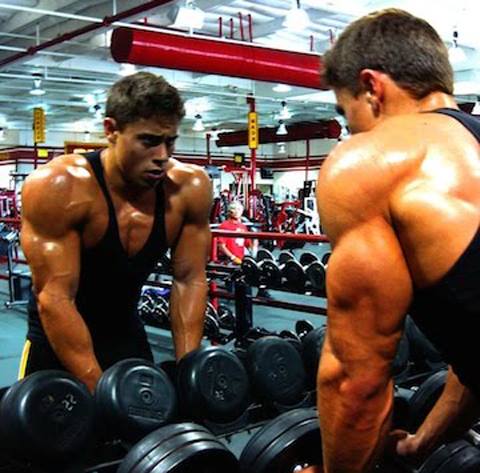
Credit: www.gympaws.com
The Arguments Against Wearing Gym Gloves
While gloves offer clear advantages, critics point out real downsides:
- Weaker Grip Strength: Gloves create a layer between your hand and the bar, which can reduce the amount of force your fingers develop. Over time, this might slow down grip strength gains.
- Bar Feel: Advanced lifters often rely on “feeling” the bar to adjust their technique. Thick gloves can dull this sense, making it harder to learn proper form for lifts like deadlifts.
- Poor Fit and Slippage: Low-quality or badly-fitted gloves can bunch up, causing awkward shifts and even making it easier for a bar to slip.
- Hygiene Issues: Gloves absorb sweat. If not cleaned regularly, they can develop odor or bacteria, leading to skin problems.
- Equipment Restrictions: Some gyms, especially those focused on Olympic lifting or powerlifting, discourage gloves because they change the way you grip the bar.
Many of these issues come down to personal preference and training style. Some people switch between using gloves and going barehanded, depending on the exercise.
Who Should Consider Wearing Gym Gloves?
Not everyone benefits from gym gloves in the same way. Here’s a breakdown of who might find them especially useful:
Beginners
People new to weight training often struggle with grip or get calluses quickly. Gloves help ease the transition, letting you focus on technique instead of discomfort.
People With Sensitive Skin
If you have soft or easily irritated skin, gloves can prevent painful blisters, cuts, or skin tears. This is especially important for those doing high-rep exercises or using rough bars.
Individuals With Sweaty Hands
Some people naturally sweat more, making it hard to keep a strong grip. Gloves with moisture-wicking material can reduce slippage and improve safety.
Those With Wrist Problems
If you have a history of wrist injuries, gloves with built-in wraps can provide extra stability. This reduces the chance of re-injury during pushing or pressing movements.
Outdoor Exercisers
If you use outdoor pull-up bars or park equipment, gloves protect against rust, splinters, or extreme temperatures.
When Gloves Are Not A Good Idea
There are situations where wearing gym gloves might not be the best choice:
- Grip Strength Training: If your goal is to build maximum grip strength, training without gloves often works better. Bare hands must adapt to the bar, engaging small muscles in your hands and forearms.
- Technique Learning: When mastering lifts that require precise bar control (like deadlifts or cleans), gloves can interfere with your “feel.”
- Competitive Lifting: In official powerlifting or Olympic lifting competitions, gloves are not allowed. Training barehanded helps you prepare for real events.
- Wet or Poorly Fitted Gloves: If gloves are soaked with sweat or do not fit properly, they can do more harm than good.
Common Myths About Gym Gloves
Many people have strong opinions about gloves, but not all beliefs are true. Let’s clear up a few myths:
“gloves Make Your Hands Weak”
It’s true that gloves reduce direct work for your grip, but they don’t make your hands “weak. ” You can still train grip strength with other exercises (like farmer’s walks or fat grips) even if you wear gloves for certain lifts.
“calluses Are Bad”
Some lifters avoid gloves because they see calluses as a badge of honor. In reality, mild calluses protect the skin. It’s severe tearing or blisters that you want to avoid. Gloves prevent extreme damage but don’t eliminate natural callus formation completely.
“gloves Are Only For Beginners”
While many new lifters use gloves, experienced athletes sometimes wear them too—especially for high-volume training, injury recovery, or outdoor workouts.
“all Gloves Are The Same”
Gloves differ widely in fit, padding, material, and features. A poor-quality glove can cause more problems than it solves, while a well-designed glove can enhance performance and comfort.
How Gym Gloves Affect Different Types Of Workouts
The impact of gym gloves varies depending on your training style. Here’s how they fit into different routines:
Weightlifting
For basic weight training, gloves protect your hands and improve grip, especially for pressing movements (bench press, shoulder press). However, for heavy pulling exercises (like deadlifts), many prefer bare hands for a stronger connection to the bar.
Crossfit And Functional Training
Many CrossFit athletes wear minimalist gloves or palm grips for pull-ups, kettlebell swings, and rope climbs. These activities often cause blisters, so gloves prevent injuries without sacrificing too much grip.
Bodyweight Training
In calisthenics, gloves can help with exercises like muscle-ups, dips, or levers—especially on rough or outdoor bars. However, some advanced athletes avoid gloves to build tougher hands and better grip.
Powerlifting
Most powerlifters train without gloves to maximize grip and comply with competition rules. Some, though, use wrist wraps or chalk instead of gloves for support and friction.
General Fitness
If your workouts involve machines, cable work, or light free weights, gloves mainly add comfort and hygiene.
The Science Behind Grip, Skin, And Safety
Understanding the science of grip and skin protection helps you make smarter choices. When you lift weights, your hand’s friction against the bar provides the grip. Sweat reduces this friction, making slippage more likely.
Calluses form as your skin adapts to pressure and friction. They aren’t harmful, but if they tear, it hurts and disrupts your training. Gloves reduce friction, lowering the risk of tears and blisters.
However, gloves also increase the diameter of the bar in your hand. This can make it harder to “wrap” your fingers completely, reducing grip strength on heavy lifts. That’s why some people use liquid chalk or wrist straps instead.
A study published in the Journal of Strength and Conditioning Research found that grip aids (like gloves or straps) can improve endurance for some exercises but may slightly reduce the maximum force you can apply.
Comparing Gloves, Chalk, And Bare Hands
Choosing between gloves, chalk, or just going barehanded depends on your goals and personal preference. Here’s a quick comparison:
| Option | Grip | Protection | Comfort | Best For |
|---|---|---|---|---|
| Gym Gloves | Good | High | High | General training, sensitive skin |
| Chalk | Excellent | Low | Medium | Heavy lifts, grip training |
| Bare Hands | Depends on sweat | Low | Varies | Advanced lifters, technique work |
How To Choose The Right Gym Gloves
If you decide gym gloves are right for you, picking the correct type matters. Here’s what to consider:
1. Fit And Comfort
A glove should fit snugly without being too tight. Loose gloves cause bunching and blisters. Try on different sizes, if possible, and make a fist to check for comfort.
2. Material
- Leather: Durable, molds to your hand over time, offers great grip.
- Synthetic: Lighter and often more breathable, but may wear out faster.
- Neoprene: Good for sweat absorption and comfort.
3. Padding
Too much padding can reduce grip feel. Choose minimal padding for barbell work, more for dumbbells or machines.
4. Wrist Support
If you have weak wrists, gloves with built-in wraps provide extra stability. For pure grip needs, skip the extra bulk.
5. Breathability
Look for mesh panels or moisture-wicking materials to prevent sweat buildup.
6. Easy Removal
Some gloves have finger loops or tabs to help you pull them off easily—especially useful after a sweaty session.
7. Durability
Check seams, stitching, and palm material. High-quality gloves cost more but last longer.
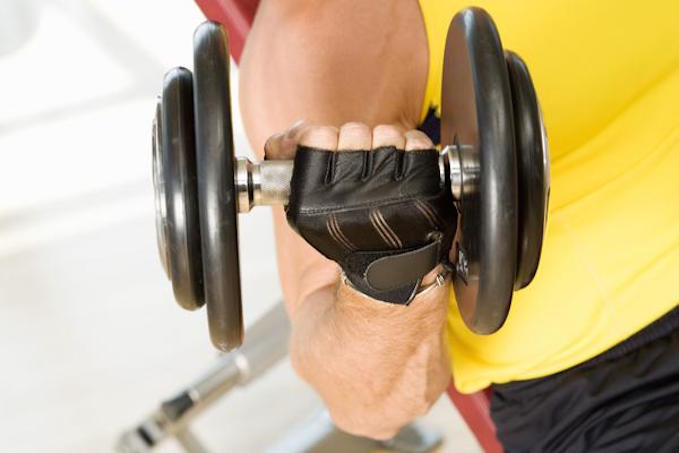
Credit: caliberstrong.com
How To Care For Gym Gloves
Many people overlook glove care, leading to smelly or unhygienic gear. Here are some practical tips:
- Air Dry After Use: Hang gloves in a ventilated area, not in your gym bag.
- Wash Regularly: Check the manufacturer’s instructions. Most synthetic gloves can be hand-washed with mild soap.
- Avoid Heat: Don’t dry gloves in a dryer; heat can damage material and shrink fit.
- Use Disinfectant Spray: For extra hygiene, use a sports gear spray between washes.
Neglecting glove care is a common mistake. Dirty gloves can cause skin rashes or infections, especially if you have small cuts.
Mistakes To Avoid When Using Gym Gloves
Even experienced lifters make errors with gloves. Watch for these pitfalls:
- Choosing Cheap Gloves: Low-quality gloves wear out fast and can cause discomfort.
- Ignoring Fit: Gloves that are too loose or tight can create blisters or reduce grip.
- Never Cleaning Gloves: Sweat and bacteria build up quickly. Wash gloves at least once a week.
- Relying on Gloves for All Grip Work: Use gloves for comfort, but train grip strength separately (like with farmer’s carries).
- Using the Same Gloves for All Exercises: Switch to bare hands for deadlifts or heavy pulls to maximize grip development.
Real-world Examples: When Gloves Make A Difference
To see how gloves matter, consider these scenarios:
- Case 1: Beginner Avoids Blisters
Emily, new to lifting, felt pain on her hands after her first few sessions. Switching to gloves let her focus on learning form without worrying about torn skin.
- Case 2: Outdoor Calisthenics Enthusiast
Mark trains on metal bars in the park. Gloves protect his hands from rust and rough surfaces, letting him train year-round.
- Case 3: Powerlifter Prepares for Competition
Sarah does most lifts barehanded but uses gloves during volume accessory work to avoid overuse injuries and skin tears.
These cases show that the decision to use gloves depends on your workout environment, goals, and comfort.
Expert Opinions On Gym Gloves
Fitness professionals are divided on gloves, but many offer practical advice:
- Personal trainers: Recommend gloves for those with sensitive skin or when learning new lifts.
- Strength coaches: Encourage bare hands for heavy lifts to build true grip strength, but see no harm in gloves for lighter or high-rep exercises.
- Physical therapists: Suggest gloves for people with skin conditions, arthritis, or certain injuries.
One non-obvious insight: Even some advanced lifters use gloves during “deload” weeks or injury recovery to reduce hand stress.
Alternatives To Gym Gloves
If you’re not sold on gloves, there are other options:
- Lifting straps: Help with grip on heavy pulls but don’t protect the skin.
- Liquid chalk: Reduces sweat and boosts grip, but some gyms don’t allow it.
- Hand care routines: Filing calluses and moisturizing helps prevent tears and keeps skin healthy.
Some people even rotate between gloves and these alternatives based on the day’s workout.
Data: Gym Glove Usage Trends
Surveys from popular fitness communities show that glove usage varies by experience level and training style. Here’s a summary:
| User Type | % Who Wear Gloves | Typical Reason |
|---|---|---|
| Beginners | 70% | Comfort, skin protection |
| Intermediate | 45% | Callus prevention, grip |
| Advanced/Competitive | 15% | Injury recovery, volume training |
Notice that glove use drops as experience increases, but never disappears completely.
How To Transition Away From Gloves (if Needed)
If you want to stop using gloves, do it gradually:
- Reduce glove use: Start by removing gloves for warm-ups or lighter sets.
- Strengthen your grip: Add exercises like dead hangs, fat grips, or pinch holds.
- Care for your skin: File down thick calluses and moisturize to prevent cracks.
- Listen to your body: If you get blisters, take a break or use gloves temporarily.
This approach helps your hands adapt without unnecessary pain.
Cultural And Social Views On Gym Gloves
In some gym cultures, gloves are seen as a sign of inexperience; in others, they’re a smart tool for anyone. There’s no universal “rule. ” The best approach is to focus on your own needs and not worry about others’ opinions.
Interestingly, in outdoor fitness communities, gloves are almost universal due to environmental factors. In bodybuilding circles, gloves are common for accessory work. The idea that “real lifters never use gloves” is mostly a myth.

Credit: www.menshealth.com
Final Thoughts: Should You Wear Gym Gloves?
The answer isn’t black and white. Wearing gym gloves is fine if they help you train better, stay comfortable, or avoid injuries. Just be aware of their limits and don’t rely on them for every lift. If your goals require a strong, “bare” grip (like in competitive lifting), practice without gloves sometimes.
For most people, gym gloves are a useful tool—not a sign of weakness. They can help you get more from your workouts, especially as a beginner or if you have skin concerns. The key is to choose quality gloves, care for them, and use them wisely.
If you want more on the science of exercise gear and grip, you can check resources like Wikipedia’s weight training page.
Frequently Asked Questions
Are Gym Gloves Necessary For All Exercises?
No, gym gloves are not necessary for every exercise. They’re most useful for lifts that cause friction or require grip support, like pull-ups or high-rep dumbbell work. For some exercises, especially those that train grip strength, it’s better to go without gloves.
Can Gym Gloves Prevent Calluses Completely?
Gym gloves reduce the risk of calluses and blisters but don’t eliminate them entirely. Some friction still reaches your skin, especially with heavy or repetitive lifting.
How Often Should I Clean My Gym Gloves?
You should clean gym gloves at least once a week, or more often if you sweat heavily. Regular washing prevents odor, bacteria buildup, and skin irritation.
Do Gym Gloves Affect My Lifting Performance?
Gloves can affect performance. They may improve comfort and grip for some exercises but can reduce grip strength and “bar feel” for others. The impact depends on glove fit, material, and your training style.
What’s Better: Gloves Or Chalk?
Gloves and chalk serve different needs. Chalk increases grip without padding, ideal for heavy lifts. Gloves add comfort and protection, better for high-rep or machine work. Some lifters use both for different exercises.
