

Is It Necessary to Wear Workout Clothes for Effective Exercise?
Is It Necessary To Wear Workout Clothes?
Choosing what to wear when exercising might seem like a simple decision. Yet, it raises a question many people wonder about: Is it necessary to wear workout clothes? Some believe you can exercise in anything comfortable, while others say special sportswear is a must. This topic goes deeper than fashion. It touches health, safety, performance, and even motivation. If you’re starting your fitness journey or just curious, understanding the real reasons behind workout clothing will help you make smarter choices.
Let’s explore the facts, bust some myths, and see what really matters when it comes to gym gear. Whether you exercise at home, outside, or in a gym, this guide will give you clear answers—without the jargon.
What Are Workout Clothes?
Before deciding if you need them, it’s important to understand what workout clothes actually are. Workout clothes are specially designed garments meant for physical activity. Common types include:
- Moisture-wicking shirts and tops
- Breathable shorts, tights, or leggings
- Sports bras
- Compression wear
- Athletic socks
- Training shoes
These clothes use technical fabrics, smart stitching, and specific shapes. The goal is to make movement easier, keep your body comfortable, and sometimes even help prevent injuries.
The Science Behind Workout Clothes
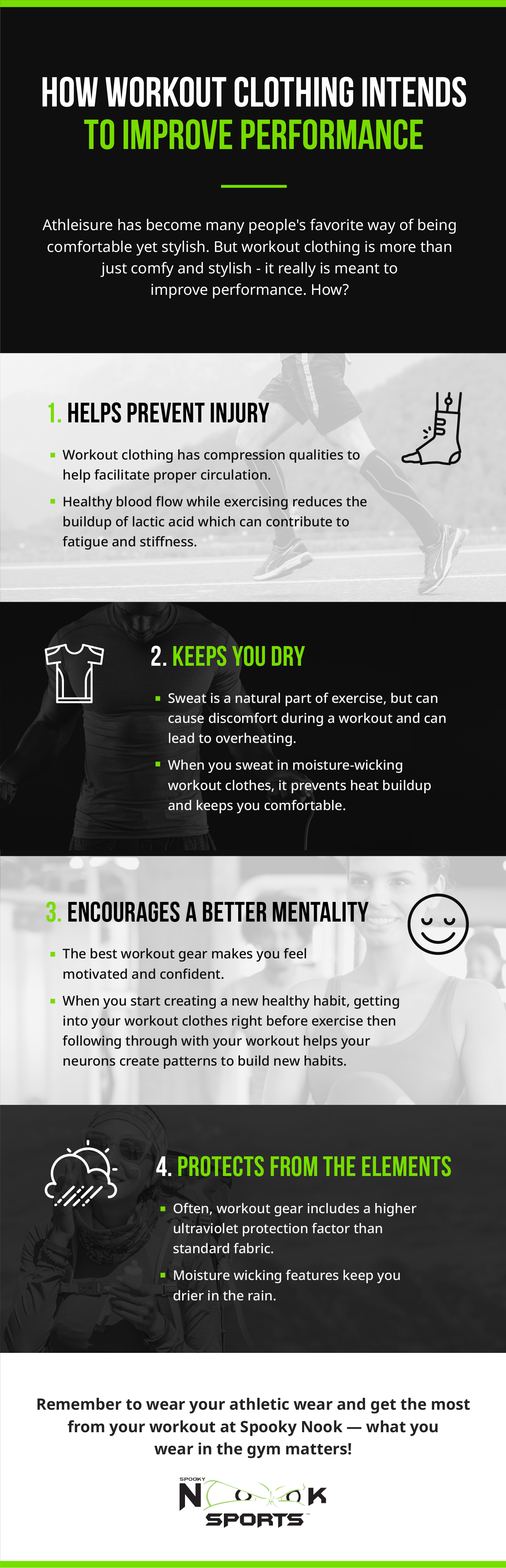
Modern workout clothes are not just about looking sporty. They use advanced materials and design for real reasons:
- Moisture-wicking fabrics: These draw sweat away from your skin, helping you stay dry and cool.
- Breathability: Mesh panels or ventilated fabrics allow air to flow, reducing overheating.
- Stretch and flexibility: Many athletic clothes use spandex or elastane, allowing for a full range of motion without tearing or discomfort.
- Compression: Some clothing gives gentle pressure, which may improve blood flow and muscle support.
A study published in the *Journal of Sports Sciences* showed that moisture-wicking clothes helped athletes regulate temperature better and reduced the risk of skin irritation. Another research found that compression wear can improve muscle recovery after exercise.
Benefits Of Wearing Workout Clothes
Choosing the right outfit for exercise offers more than style. Here are the top benefits:
1. Better Comfort
Workout clothes are designed to fit the body well without restricting movement. They reduce the risk of chafing or pinching, which can happen with regular clothing during intense activity. Clothes that are too tight or loose can distract you and even ruin your focus.
2. Improved Performance
Performance might not be the first thing you think about. But the right gear can help. For example, runners wearing moisture-wicking shirts often feel lighter and less weighed down by sweat. Cyclists in aerodynamic clothes experience less wind resistance. Even gym-goers notice that stretchy clothes let them squat, lift, or stretch more freely.
3. Enhanced Safety
Safety is a key but often ignored benefit. Proper shoes and clothes support your joints and muscles. For activities like running, shoes with the right cushioning reduce the impact on your knees. Compression clothes can offer extra support to muscles, which may help prevent strains.
4. Temperature Regulation
Workout clothes help your body handle hot or cold conditions. In hot weather, breathable fabrics help cool you down. In cold conditions, layered athletic wear traps warmth while still letting sweat escape. This balance reduces the risk of overheating or hypothermia.
5. Hygiene And Skin Health
Sweat and bacteria can build up during exercise. Workout clothes are often made with antimicrobial treatments that fight odor and reduce the risk of skin infections. Regular cotton clothes, when sweaty, stay damp and may cause rashes or acne.
6. Boosted Motivation
Wearing dedicated workout gear can put you in a “ready to exercise” mindset. It signals to your brain that it’s time to move, not relax. Some studies even show that people feel more confident and motivated when they wear sportswear.
7. Social And Psychological Factors
Feeling good about your appearance can improve your mood and self-esteem. This “look good, feel good” effect is real for many people. In group workout settings, appropriate attire also helps you fit in and avoid feeling out of place.
Can You Work Out In Regular Clothes?
Some people exercise in regular clothes—like T-shirts, jeans, or pajamas—especially at home. For light stretching or gentle yoga, this might be fine. But for moderate to intense activities, regular clothes have downsides:
- Cotton absorbs sweat but doesn’t dry quickly, leaving you wet and sticky.
- Jeans and non-stretch fabrics can limit your movement.
- Everyday bras or underwear do not offer enough support.
- Loose or baggy clothes may catch on equipment or get in the way.
While it’s possible to work out in regular clothes, you may experience more discomfort and risk. Over time, this can reduce your enjoyment and even lead you to skip workouts.
Comparing Workout Clothes And Regular Clothes
To see the real differences, look at this side-by-side comparison:
| Feature | Workout Clothes | Regular Clothes |
|---|---|---|
| Moisture Management | Excellent, dries quickly | Poor, stays damp |
| Flexibility | High, allows full range of motion | Limited, may restrict movement |
| Support | Designed for muscles/joints | Minimal to none |
| Durability | High, built for frequent washing | Lower, wears out faster |
| Odor Control | Often antimicrobial | No special treatment |
| Safety | Prevents accidents, offers protection | May cause accidents or discomfort |
When Are Workout Clothes Essential?
There are situations when proper workout attire is not just helpful, but necessary:
1. High-intensity Activities
For running, HIIT, cycling, or sports like basketball, the right clothing prevents overheating, chafing, and injury. These activities involve lots of movement and sweating, making technical fabrics essential.
2. Gym And Group Classes
Most gyms have rules about attire for hygiene and safety. Baggy or non-athletic clothing can get caught in machines. Some classes also require specific shoes or support gear.
3. Outdoor Workouts
If you’re exercising outside, the weather matters. Cold, wind, rain, or sun exposure demand clothing that protects your skin and regulates temperature. UV-protective sportswear can also shield you from sunburn.
4. Activities Requiring Special Support
Yoga, Pilates, or dance require stretchy, fitted clothes. High-impact sports need supportive bras and shoes to protect joints and muscles.
When Are Workout Clothes Optional?
There are times when workout clothes might not be strictly necessary:
- Light stretching at home
- Gentle walking
- Meditation or breathing exercises
For these, comfort is more important than performance. Just make sure your clothes don’t restrict movement or cause overheating.
The Risks Of Not Wearing Workout Clothes
Skipping proper workout gear isn’t just about being sweaty. Here are some risks to consider:
1. Skin Irritation And Infections
Sweaty cotton clothes trap moisture, creating a breeding ground for bacteria. This can lead to rashes, fungal infections, or body acne. Antimicrobial sportswear helps reduce these risks.
2. Poor Support And Injuries
Lack of support from regular clothes or shoes can strain muscles and joints. This is especially true for activities involving running or jumping.
3. Reduced Motivation
Wearing the wrong clothes can make you uncomfortable or self-conscious. Over time, this lowers your desire to exercise.
4. Safety Hazards
Loose clothing may catch on equipment, leading to accidents. Shoes without grip can cause slips and falls.
Credit: muscletorque.shop
Cost Vs. Value: Are Workout Clothes Worth It?
Some people worry about the cost of athletic wear. It’s true: high-tech brands can be expensive. However, you don’t need the most expensive gear to get benefits. Many affordable options offer good moisture control, stretch, and support.
In the long term, investing in a few quality pieces pays off:
- Clothes last longer and look better after many washes.
- You reduce the risk of injury and discomfort.
- You might even save money by exercising more regularly and staying healthy.
How To Choose The Right Workout Clothes
If you decide to invest in workout clothes, here’s how to choose wisely:
1. Focus On Fabric
Look for moisture-wicking and breathable materials. Avoid heavy cotton for intense workouts.
2. Get The Right Fit
Clothes should fit close but not too tight. You should be able to move freely without excess fabric.
3. Prioritize Support
For high-impact activities, choose supportive bras and shoes. Socks should cushion your feet and prevent blisters.
4. Think About Safety
Reflective strips are helpful for outdoor exercise in low light. Shoes should have proper grip.
5. Layer For The Weather
Choose layers that you can add or remove as your body warms up or cools down.
6. Check Care Instructions
Some athletic wear needs gentle washing or air drying. Make sure you’re willing to care for your clothes properly.
Real Stories: What People Experience
Hearing from real people gives a different perspective. For example, Maria, a beginner runner, started in regular cotton T-shirts. She often felt heavy and uncomfortable after just 15 minutes. After switching to moisture-wicking tops, she noticed she could run longer and stay comfortable.
Another example is Sam, who did yoga in loose pajamas at home. He found his pants often got tangled and distracted him from his poses. When he tried fitted yoga pants, his movements were smoother and he enjoyed his sessions more.
These stories show that the right clothing can remove distractions and help you focus on your workout.
Myths About Workout Clothes
Let’s clear up some common misunderstandings:
1. “workout Clothes Are Just For Looks.”
While style is a bonus, the main purpose is functionality—comfort, support, and safety.
2. “any T-shirt Is Fine For The Gym.”
Regular shirts hold sweat and can cause chafing. Athletic shirts dry faster and help regulate temperature.
- “You have to spend a lot to get good workout gear.”
Many budget-friendly brands offer high-quality, technical clothes.
4. “workout Clothes Make You Lose Weight Faster.”
Sweat does not equal fat loss. Special fabrics help with comfort, not weight loss.
Recognizing these myths helps you make better decisions and avoid marketing hype.
Environmental Impact Of Workout Clothes
An often-overlooked topic is the environmental impact of sportswear. Many athletic clothes use synthetic fibers like polyester or nylon, which are not biodegradable. However, several brands now offer recycled or eco-friendly lines. When shopping, look for sustainable materials and brands that use ethical production practices.
Washing synthetic workout clothes can release microplastics into water systems. Using a garment bag and washing less often (only when necessary) can help reduce this effect.
How Workout Clothes Evolved
Workout clothes have changed a lot over time. In the past, people exercised in whatever they had—sometimes even in formal clothes! As sports and fitness grew more popular, clothing brands started to research the needs of athletes. This led to innovations like spandex, mesh panels, and moisture-wicking technology.
Today, the options are endless: from basic T-shirts to high-tech smart fabrics that track your heart rate. This evolution shows how seriously the industry takes comfort and performance.
Credit: www.spookynooksports.com
Gym Dress Codes And Social Norms
Most gyms have dress codes for safety, hygiene, and comfort. Wearing open-toed shoes, jeans, or street clothes is often not allowed. Even if you work out at home, wearing the right clothes can help you mentally “switch” into exercise mode.
In group fitness or sports settings, wearing similar gear helps create a sense of community and belonging. It also signals respect for the activity and others participating.
Common Mistakes Beginners Make
If you’re new to fitness, it’s easy to make mistakes with workout attire:
1. Wearing Cotton For Cardio
Cotton gets heavy and uncomfortable when wet. Choose technical fabrics.
2. Ignoring Footwear
Using old or improper shoes can lead to injury. Invest in sport-specific shoes if possible.
3. Choosing The Wrong Size
Clothes that are too tight restrict movement, while too loose can be dangerous.
4. Forgetting About Weather
Dress in layers for outdoor exercise. Don’t underestimate cold or heat.
5. Not Washing Workout Clothes Properly
Follow care instructions to avoid damage and odors.
Avoiding these mistakes makes your workout experience much better.
Credit: www.refinery29.com
Workout Clothes And Confidence
There is a psychological impact to wearing dedicated exercise clothing. A study on enclothed cognition found that what we wear influences our behavior and mindset. When you put on workout clothes, you may feel more focused, energetic, and confident. This small change can make it easier to stick to your routine, especially on days when motivation is low.
Should Children Wear Workout Clothes?
Children and teens benefit from proper sportswear during physical activities. It helps them move freely, stay safe, and avoid skin problems. For school sports, active play, or organized teams, comfortable and supportive clothing is key. Avoid dressing kids in tight jeans or heavy fabrics for playtime.
What About Home Workouts?
Many people prefer exercising at home, where nobody sees them. Even then, wearing proper workout clothes can help you:
- Move with less restriction
- Feel more “in the zone”
- Avoid skin irritation
Changing into workout gear, even at home, creates a clear break between rest and activity.
Gender-specific Considerations
Men and women have different needs when it comes to athletic wear:
- Women: Sports bras are crucial for comfort and protection. Leggings or tights often offer more support than loose pants.
- Men: Compression shorts can prevent chafing during running or cycling. Breathable shirts reduce sweat buildup.
Choosing the right fit for your body type helps avoid discomfort and distractions.
Workout Clothes For Different Activities
Every activity has its own clothing needs. Here’s a quick comparison:
| Activity | Key Clothing Features | Examples |
|---|---|---|
| Running | Lightweight, moisture-wicking, reflective | Running shirts, shorts, running shoes |
| Yoga | Stretchy, fitted, comfortable | Yoga pants, fitted tops, bare feet or yoga socks |
| Weightlifting | Flexible, supportive, non-slip shoes | Compression shirts, gym shorts, trainers |
| Cycling | Padded shorts, snug fit, breathable | Cycling bibs, jerseys, cycling shoes |
| Swimming | Quick-drying, streamlined | Swimsuits, swim caps, goggles |
| Team Sports | Durable, sweat-wicking, team colors | Jerseys, shorts, cleats |
Wearing the right clothes for your chosen activity enhances your performance and enjoyment.
Practical Tips For Beginners
If you’re just starting, here are some tips:
- Start with one or two outfits. You don’t need a full wardrobe.
- Wash workout clothes after each use to prevent odor and bacteria.
- Replace shoes every few hundred kilometers or when they lose support.
- Try before you buy. Move around in the store to check for comfort.
- Don’t be afraid to mix and match brands for the best fit.
Non-obvious Insights Most Beginners Miss
1. Socks Matter More Than You Think:
Many people ignore socks, but athletic socks prevent blisters and improve comfort. Thin, cheap socks can cause foot pain or even lead to infection after long workouts.
2. Your Clothes Affect Your Workout Duration:
If your clothing gets uncomfortable after a short time, you’re more likely to cut your workout short. Investing in proper gear can help you stick to your fitness plan longer.
Alternatives To Traditional Workout Clothes
If you don’t want to buy new clothes, look for alternatives:
- Old but stretchy sportswear you already own
- Outdoor hiking gear (which often has similar features)
- Simple, plain T-shirts made from synthetic blends
Just make sure these options are comfortable, supportive, and allow you to move freely.
The Final Word
So, is it necessary to wear workout clothes? The answer depends on your activity, goals, and comfort. For light, gentle exercise, any comfortable clothing may work. But for most workouts—especially those that make you sweat, move a lot, or use equipment—dedicated workout clothes offer clear advantages. They protect your skin, support your body, help you perform better, and even make exercise more enjoyable.
If you’re serious about your health and fitness, investing in the right clothes is a smart step. You don’t need to buy the most expensive brands. Focus on comfort, fit, and function. Your body—and your motivation—will thank you.
For more information about sportswear technology and its impact, you can visit this Wikipedia page on Sportswear.
Frequently Asked Questions
What Happens If I Exercise In Regular Clothes?
Exercising in regular clothes can cause discomfort, limit your movement, and increase the risk of skin irritation or injury. You may also feel less motivated and enjoy your workout less.
Are Expensive Workout Clothes Better?
Not always. While some high-end brands use advanced materials, many affordable options offer good support and comfort. Focus on fit and fabric, not just the price tag.
Can I Wear Workout Clothes All Day?
You can, but it’s not recommended to wear sweaty workout clothes for long periods. Change after exercising to avoid skin problems and odor.
What Should I Look For In Workout Clothes?
Look for moisture-wicking, breathable fabrics, good fit, and appropriate support for your activity. Make sure the clothes allow free movement and feel comfortable.
Do Workout Clothes Help You Lose Weight?
No, workout clothes do not directly help you lose weight. They make exercise more comfortable and enjoyable, which might help you stick to your fitness routine, but the clothes themselves don’t burn calories.
