

Is It Necessary to Wear Workout Clothes for Effective Exercise?
Is It Necessary To Wear Workout Clothes
Many people ask if special workout clothes are truly needed for exercise. Some see fitness fashion everywhere and feel pressure to buy the latest activewear. Others wonder if an old t-shirt and shorts are enough for the gym, running, or yoga.
The answer is not as simple as “yes” or “no. ” The right clothing can make a difference, but not always in ways you might expect. Let's explore what really matters when choosing clothes for working out, what science and experience say, and how to make the best decision for your needs and goals.
What Are Workout Clothes, Really?
Workout clothes are designed for physical activity. Most brands use fabrics that stretch, breathe, and manage sweat. Common examples include:
- Compression leggings or shorts
- Sports bras
- Moisture-wicking t-shirts
- Athletic socks
- Running shoes or cross-trainers
These clothes look different from everyday wear. But the key is not just how they look. It’s about what they do for your body during movement.
Special workout clothes are made to handle physical stress and repetitive movement. For instance, seams are often placed to avoid rubbing on high-friction areas. Waistbands are wider and more secure to prevent slipping during squats or jumps. Even simple details like tagless labels matter—no one wants an itchy tag bothering them during a workout.
There are also specific items for certain sports. Cyclists wear padded shorts for long rides. Swimmers use suits that reduce water drag. Runners often choose tops with mesh panels for better airflow. If you train outdoors, you might notice workout clothes with UV protection or reflective strips for safety in low light.
Another insight: The best workout clothes are designed to support your body's natural movement. This means they stretch in the right places and don't bunch up or slide down. Over time, you may not even notice these design choices—but you would definitely notice if they were missing.
How Clothes Affect Your Workout
Comfort And Range Of Motion
If your clothes are too tight or too loose, they can distract you or even stop you from moving properly. Imagine trying to do squats in jeans or running in a stiff cotton shirt. Workout clothes are usually designed to let you move freely. This means you can do lunges, stretches, and jumps without fighting your clothing.
It’s not just about the big movements, either. Small things matter—like whether your shorts ride up as you run, or if your sleeves get in the way when you reach overhead. These little annoyances can break your focus and reduce your workout quality.
Good workout clothes stay in place and move with you, so you can concentrate on your form and effort.
For activities like yoga or pilates, stretchy, close-fitting clothes prevent the fabric from getting tangled or blocking your view of your body’s alignment. In sports like basketball or soccer, lightweight and flexible gear helps you react quickly without feeling weighed down.
Sweat Control And Temperature
Exercise makes you sweat. Moisture-wicking fabrics pull sweat away from your skin. This keeps you drier and helps prevent chafing or irritation. Cotton, in contrast, holds moisture and can feel heavy or cold after a while.
Proper sweat control is not just about comfort. Staying dry also helps regulate your body temperature. If you overheat, your performance can drop and you might even feel dizzy. In cold weather, sweat trapped in cotton can make you chill faster, increasing the risk of muscle cramps or strains.
Another detail: Sweat-wicking fabrics also dry quickly, which is helpful if you’re doing multiple workouts or don’t have time to do laundry after every session. In hot climates, light-colored, breathable shirts reduce sun absorption and overheating. In cold conditions, layering technical fabrics traps warmth but still lets moisture escape.
Safety And Injury Prevention
Well-fitted shoes and clothing can lower the risk of blisters, muscle strains, or even falls. For example, running in worn-out shoes or slippery socks can cause accidents. Compression gear can also help support muscles and joints, though the benefits are debated.
One insight most beginners miss: Poorly chosen clothes can lead to subtle, long-term problems. For instance, seams in the wrong place or rough fabrics can cause friction burns or even skin infections if you exercise often.
Loose pants can also catch on equipment, and oversized tops may block your view when lifting weights. Clothing that fits well can make certain movements safer and smoother. For high-impact sports, extra padding or support can protect vulnerable joints and tissues.
Besides, footwear is often overlooked. Many injuries, from shin splints to knee pain, can be traced back to shoes that don’t fit or support your movement style. Socks designed for sports often have extra cushioning and arch support, making a real difference over time.
Motivation And Mindset
Wearing workout clothes can signal to your brain that it’s time to move. This is known as “enclothed cognition.” Studies show that when people dress for a certain role, their performance and mindset can change. Putting on gym gear may make you feel more prepared, confident, and motivated to exercise.
The psychological effect is stronger than most people think. Even on days when you don’t feel like exercising, changing into workout gear can make it easier to start. For some, it becomes a ritual that marks the transition from daily life to exercise mode.
Another detail: When you invest in workout clothes, you may feel more committed to using them. This can help build a regular exercise habit. It’s not just about looking good for others—feeling good in your clothes can be a big motivator.
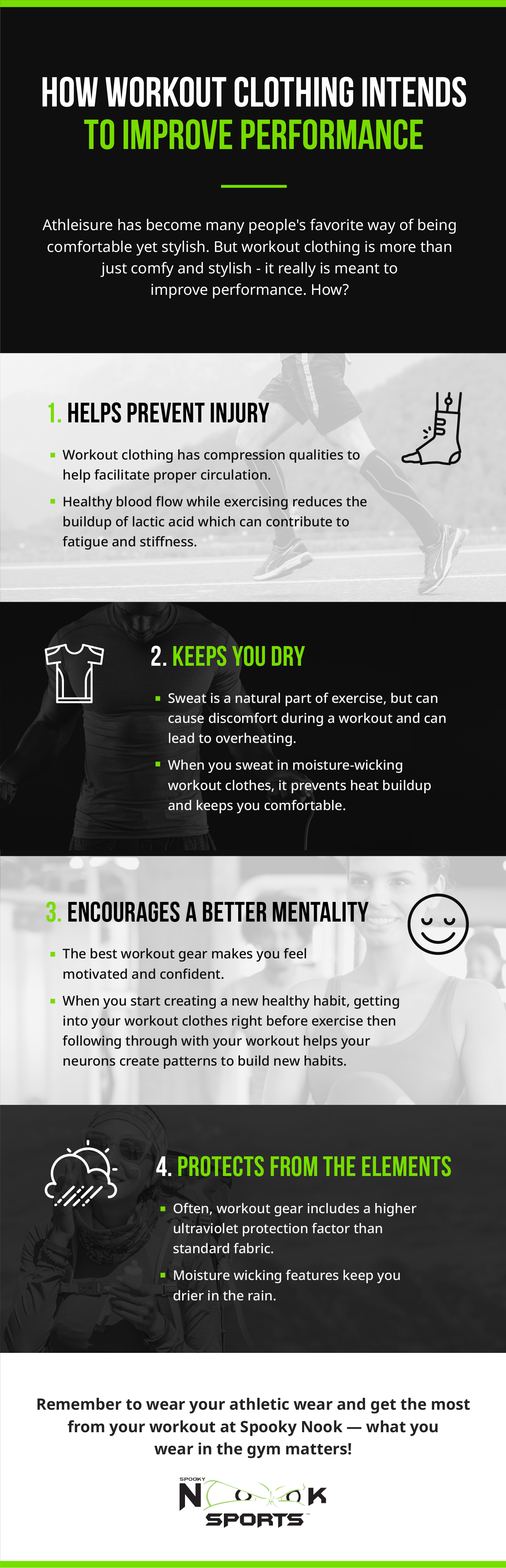
Credit: www.spookynooksports.com
Science Behind Athletic Apparel
Many sports brands claim that their clothes improve performance. Some of these claims are based on real research, while others are more about marketing. Here’s what science tells us:
- Moisture-wicking fabric: Keeps skin drier and reduces risk of rashes.
- Compression wear: May help with muscle soreness after exercise, but doesn’t necessarily boost strength or speed.
- Footwear design: Good shoes are proven to reduce injuries, especially in running and court sports.
A study published in the “Journal of Strength and Conditioning Research” showed that people wearing compression gear experienced less muscle soreness after activity. However, there was little difference in their actual performance compared to regular clothing.
Other studies have looked at psychological benefits. Participants wearing specific athletic gear often feel more competent and are more likely to push themselves harder. This effect was noticed in both team sports and solo activities, suggesting that the clothes themselves can influence how we perform.
Temperature regulation is another area where science supports workout clothes. For example, research shows that runners in technical shirts have more stable body temperatures and less dehydration than those in cotton shirts. This can make workouts safer and more enjoyable, especially in extreme conditions.
However, not all claims hold up. Clothing alone won’t turn you into an elite athlete. But the right gear can remove barriers and allow you to train more effectively.
Everyday Clothes Vs. Workout Clothes
Some people wonder: Can’t I just wear what I already have? Sometimes, yes. But it depends on the activity, your body, and your goals.
| Clothing Type | Best For | Possible Issues |
|---|---|---|
| Regular T-shirt & Shorts | Light walking, stretching | Gets heavy with sweat, may chafe |
| Jeans & Casual Top | Short walks, errands | Restricts movement, not breathable |
| Moisture-wicking Activewear | Running, gym, sports | Can be expensive |
| Compression Wear | High-impact sports, recovery | Not always comfortable |
If you’re just starting or doing simple home workouts, you might do fine in regular, comfortable clothes. But for more intense or frequent exercise, investing in good workout gear can help.
Also, consider how your clothing holds up over time. Frequent washing can stretch out cotton and cause fading. Athletic fabrics are made to handle more wear and tear. Over months, you may actually save money by investing in a few quality pieces rather than replacing basic clothes often.
Benefits Of Wearing Workout Clothes
1. Improved Performance
Proper gear supports your body. Shoes with the right cushioning, shirts that don’t cling with sweat, and flexible leggings can all help you focus on your workout, not your discomfort.
Even small improvements in comfort can add up over weeks and months. If you can move better and stay focused, you’re more likely to keep progressing.
2. Injury Prevention
The right clothes can prevent common injuries. For example, a sports bra provides support to protect breast tissue during high-impact activity. Athletic socks can prevent blisters. Shoes with good grip can stop you from slipping.
Wearing the wrong clothes can also make it harder to notice warning signs of injury. Tight or rough fabrics may mask skin irritation or bruising until it gets worse. Athletic gear is designed to keep your skin healthy and alert you to problems sooner.
3. Hygiene
Workout clothes are made to handle sweat and bacteria. They wash and dry quickly, reducing the chance of odor and infections. Ordinary clothes are not built for this, and can become smelly or even wear out faster.
Antimicrobial fabrics are now common in sportswear. These help prevent the growth of bacteria that cause odors. Also, quick-drying gear is less likely to develop mold or mildew if you forget your clothes in your bag or locker for a few hours.
4. Confidence And Motivation
Feeling good in your clothes can make you more likely to exercise. Many people find that wearing gym clothes puts them in the right mindset. This is a real effect, not just marketing.
People who are new to fitness sometimes feel awkward in the gym. Good workout clothes can help you blend in and feel less self-conscious. This makes it easier to focus on your workout, not on what others might be thinking.
5. Social And Cultural Reasons
In gyms, studios, or classes, workout clothes are often the norm. Wearing them can help you feel comfortable and fit in. Some facilities even have dress codes for hygiene and safety.
If you participate in team sports, matching gear can also boost team spirit and identity. Plus, certain clothes—like swim caps or cycling helmets—are required for safety or competition.
When You Might Not Need Special Workout Clothes
While there are clear benefits, it’s also true that workout clothes are not always essential. Here are some cases where you can skip the fancy gear:
- Short, low-intensity workouts at home
- Gentle yoga or stretching
- Walking in moderate weather
If you’re on a budget, focus first on comfortable, clean clothing that lets you move. Shoes are usually the most important item to invest in.
An extra insight: For people with sensitive skin or allergies, natural fabrics (like bamboo or merino wool) may work better than synthetics. You can find basic items in these materials without buying high-end brands.
How To Choose Workout Clothes
Not all activewear is equal. Here’s what matters most:
Fabric Choice
Look for moisture-wicking and breathable materials. Synthetic blends like polyester or nylon are common. Some natural fabrics, like bamboo, are also used.
Avoid 100% cotton for sweaty workouts. Cotton holds moisture, which can lead to chafing and discomfort.
Some fabrics now offer added features like odor resistance, UV blocking, or even built-in cooling technology. If you exercise outside or in hot gyms, these features can make a big difference.
Fit
Your clothes should let you move easily but not be so loose they catch on equipment. Try to squat, stretch, and lift your arms when trying on new gear.
It’s a good idea to move around in the fitting room—don’t just stand still. Make sure nothing digs in, rides up, or slips down when you move.
Support And Protection
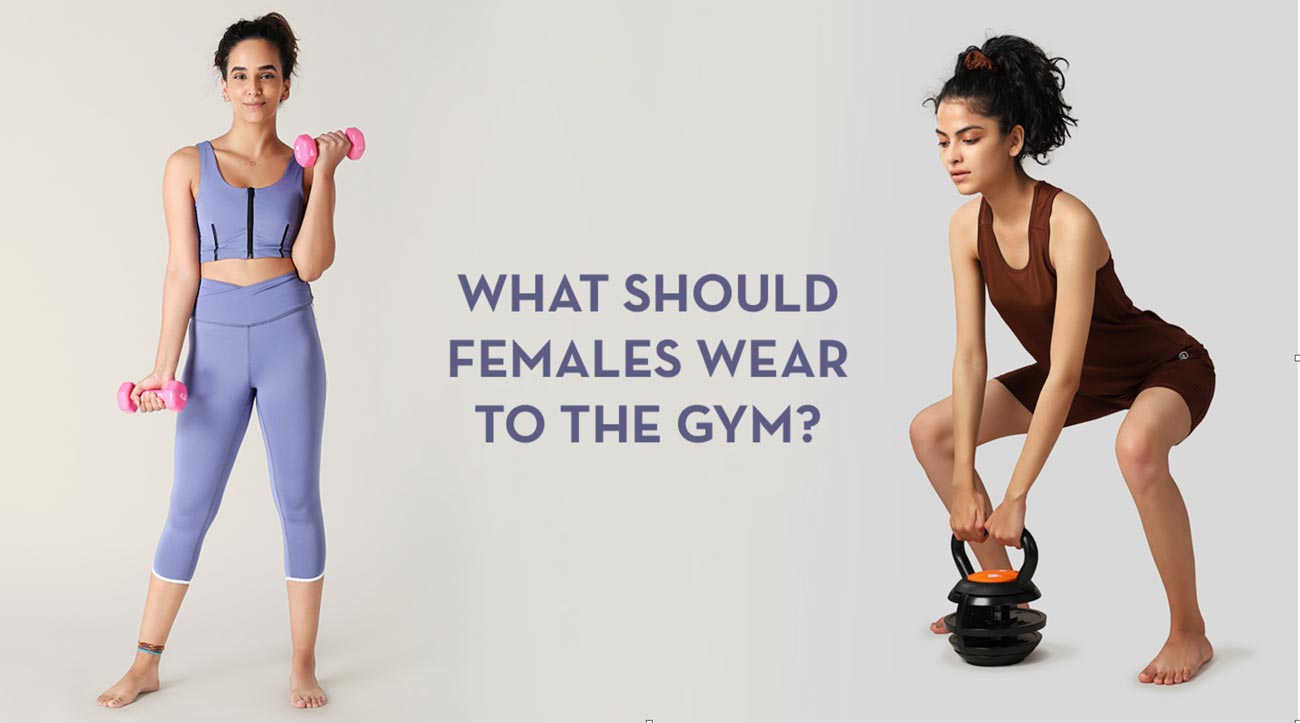
Women should consider a good sports bra for almost any activity. For running or jumping, this is very important.
For outdoor workouts, consider clothes with UV protection, wind resistance, or reflective strips for safety.
People with joint issues may want compression sleeves or braces. If you exercise on rough surfaces, longer pants or sleeves can protect your skin from scrapes.
Durability
Cheap clothes may seem fine at first, but poor stitching or thin fabrics can wear out quickly. Check seams and stretch the fabric a bit to see if it holds its shape.
Some workout clothes come with reinforced knees, elbows, or double stitching in high-stress areas. These details help your gear last longer, especially if you work out often.
Budget
You don’t need the most expensive brands. Focus on what you need for your activity. For example, runners need good shoes, but might use basic shorts and shirts. Yoga fans may want leggings that stay put during poses.
Look for sales or outlet stores if you need to save money. Sometimes, last year’s styles are much cheaper but work just as well.
Style And Personal Preference
If you feel good in your clothes, you’ll be more likely to stick with exercise. Choose colors and styles that you enjoy, but don’t sacrifice function.
Remember: Style is personal. Some people prefer simple, basic colors; others feel energized by bright prints. There’s no wrong choice if it helps you stay active.
Common Mistakes When Choosing Workout Clothes
- Prioritizing looks over function: Trendy clothes may look good but not perform well.
- Ignoring fit: Clothes that are too tight or loose can distract or even be unsafe.
- Wearing old shoes: Shoes lose support with use, even if they look fine.
- Skipping support: Not wearing a sports bra or proper socks can lead to pain or injury.
- Forgetting about weather: Not dressing for the temperature can make workouts uncomfortable or unsafe.
Other mistakes include buying too many pieces at once—start with basics and see what you really use. Also, not all “athletic” gear is made for exercise; some fashion brands use the look but skip the functional details.
Gender And Age Differences In Workout Clothing Needs
Women
Women often need extra support for the chest and hips. Sports bras are almost always recommended. Leggings or shorts with a proper fit prevent chafing.
Pregnant women or those returning after childbirth may need extra support or high-rise waistbands. Post-mastectomy sports bras are available for those who need them.
Men
Men may need extra support for the groin. Compression shorts can help. Breathable fabrics are important for sweat management.
Some men prefer looser shorts for certain activities, but fitted options are better for cycling or running to avoid chafing.
Children
Kids need clothes that are easy to move in and can handle rough play. Clothes should be easy to put on and take off.
Look for reinforced knees and elbows, adjustable waistbands, and bright colors for safety. Avoid drawstrings or loose parts that can catch on equipment.
Older Adults
Seniors may prefer looser fits, easy fastenings, and extra warmth. Shoes with good grip are especially important.
Non-slip socks are helpful for group classes. Some athletic shoes are made with Velcro or slip-on designs for those with limited mobility.
Special Considerations For Different Activities
| Activity | Recommended Clothing | Why It Matters |
|---|---|---|
| Running | Moisture-wicking shirt, shorts, running shoes | Reduces chafing, supports feet |
| Yoga/Pilates | Stretchy leggings, fitted top | Allows free movement, prevents slips |
| Weightlifting | Compression shorts, breathable shirt | Supports muscles, keeps cool |
| Cycling | Padded shorts, fitted jersey | Reduces friction, increases comfort |
| Swimming | Swimsuit or trunks | Reduces drag, safe in water |
| Hiking | Layered clothing, hiking boots | Handles changing weather, protects feet |
If you participate in multiple activities, look for versatile pieces. For example, some leggings work for running, yoga, and hiking. Shoes, however, should match the activity—running shoes aren’t ideal for lifting weights, and hiking boots aren’t made for sprints.
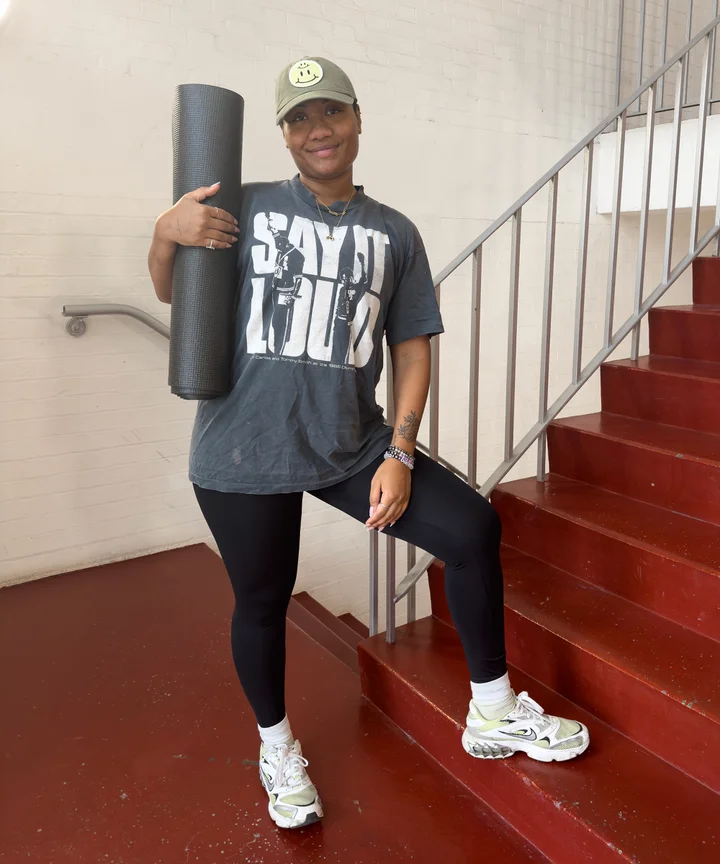
Credit: www.refinery29.com
Environmental Impact Of Workout Clothes
Many workout clothes are made from synthetic materials that do not break down easily. Washing these clothes can also release microplastics into water systems. Some companies now offer recycled or eco-friendly options. If the environment is important to you, look for brands that use sustainable materials and ethical production.
An extra tip: Wash synthetic clothes in a garment bag to catch microfibers. Air-drying also reduces energy use and extends the life of your gear.
Choosing fewer, high-quality pieces is better for the planet than buying lots of cheap, low-quality gear. Some brands now offer take-back programs to recycle old athletic wear.
Laundry And Care Tips For Workout Clothes
- Wash workout clothes separately from towels and jeans to avoid damage.
- Use cold water and mild detergent to preserve fabric.
- Hang dry if possible, as high heat can break down stretchy fibers.
- Avoid fabric softeners, which can block the fabric’s ability to wick moisture.
A common mistake is leaving sweaty clothes in a bag for hours. This can cause odor and bacteria growth that is hard to remove.
If your clothes develop stubborn smells, try soaking them in a mixture of water and vinegar before washing. There are also special sports detergents designed to remove bacteria and body oils.
Don’t iron workout clothes; high heat can damage elastic fibers. Also, check labels—some fabrics last longer if washed inside out.
Social Pressure And “gym Fashion”
It’s easy to feel pressure to look a certain way at the gym or in fitness classes. Social media can make it seem like high-end brands are required. Remember, the main goal is your health and performance, not impressing others. If you feel good and can move freely, you’re already wearing the right thing.
A helpful perspective: Most people at the gym are focused on their own workouts, not judging others. Wearing functional, clean clothes is always acceptable.
If you feel anxious about gym fashion, start with basic, neutral pieces. Over time, you might add a few items in colors or styles you like. The key is to feel comfortable and confident, not pressured.
Real-life Examples: Does It Really Matter?
- Case 1: Jane started running in cotton shirts and old sneakers. She noticed blisters and heavy sweat, which made her stop running early. After switching to moisture-wicking tops and running shoes, she felt more comfortable and ran longer.
- Case 2: Sam does yoga at home in pajamas. He feels fine, but during group classes, loose pants get in the way of some poses. Fitted leggings improve his practice.
- Case 3: Maria works out daily and finds that synthetic clothes start to smell even after washing. She learns to air-dry her clothes and uses a sports-specific detergent, solving the issue.
One insight many beginners miss: Laundry habits can be as important as the clothes themselves for staying comfortable and healthy.
Another subtle example: David joined a cycling group and wore regular shorts at first. He found that rides over 10 miles left him sore. After trying padded cycling shorts, he noticed a big improvement in comfort and was able to join longer rides.
The Bottom Line: Is It Necessary?
So, is it necessary to wear workout clothes? The answer depends on your activity, body, and goals. For low-intensity, short workouts, comfortable regular clothes may work fine. For frequent, intense, or group workouts, proper workout clothes offer real advantages in comfort, safety, and motivation.
Remember, good shoes are the most important investment for almost any activity. After that, focus on fit, sweat control, and support for your needs. Don’t let fashion or social media pressure guide your choices. Make decisions based on what helps you move, feel good, and stay safe.
The most important thing is to find what works for you. Try different options, pay attention to how your body feels, and adjust as needed. Over time, you’ll learn what makes your workouts more enjoyable and effective.
Frequently Asked Questions
Is It Okay To Work Out In Jeans Or Casual Clothes?
You can do light activities in casual clothes, but jeans restrict movement and can cause discomfort or skin irritation during exercise. For anything more active, choose clothes that stretch and breathe.
How Often Should I Replace My Workout Clothes?
Replace athletic shoes every 300-500 miles of use or when they lose support. Clothing should be replaced if it becomes stretched out, thin, or smelly even after washing.
Do I Need Expensive Brands For Good Workout Clothes?
No. Many affordable brands offer high-quality, functional gear. Focus on fit, fabric, and comfort rather than logo or trend.
Are There Risks To Not Wearing Workout Clothes?
Yes. Risks include chafing, blisters, overheating, or restricted movement. Proper clothing helps lower these risks, especially for longer or more intense workouts.
Where Can I Learn More About Choosing The Right Workout Gear?
You can find more information and research on exercise clothing and safety at the Mayo Clinic.
No matter what you wear, the most important thing is to keep moving. Choose what works for your body and your lifestyle, and enjoy your fitness journey.
Credit: kicaactive.com
