

Is It Necessary to Wear Workout Clothes? Benefits Explained
Is It Necessary To Wear Workout Clothes
When you walk into a gym or see people running in the park, one thing stands out: almost everyone wears workout clothes. But is it really necessary to wear special clothes when you exercise? Or can you just use your regular t-shirt and shorts? Many people ask this question, especially if they are new to fitness or trying to start a simple home workout routine. The answer is not as straightforward as it seems. The right clothing can change your experience, but it is not always required in every situation. Let's look at the reasons behind workout clothes, their benefits, when they matter, and when you can skip them.
What Are Workout Clothes?
Workout clothes are not just any comfortable clothes. They are made especially for physical activity. Common examples include:
- Moisture-wicking shirts and tops
- Stretchy leggings or shorts
- Sports bras
- Athletic socks
- Supportive shoes
These items are designed with special fabrics and features to help your body move freely and stay comfortable while you sweat. Most workout clothes use materials like polyester, nylon, or blends that help pull sweat away from your skin. This is different from regular cotton shirts or jeans, which can get heavy and uncomfortable when wet.
The Main Purposes Of Workout Clothes
It’s easy to think that workout clothes are just about looking good, but they play several important roles:
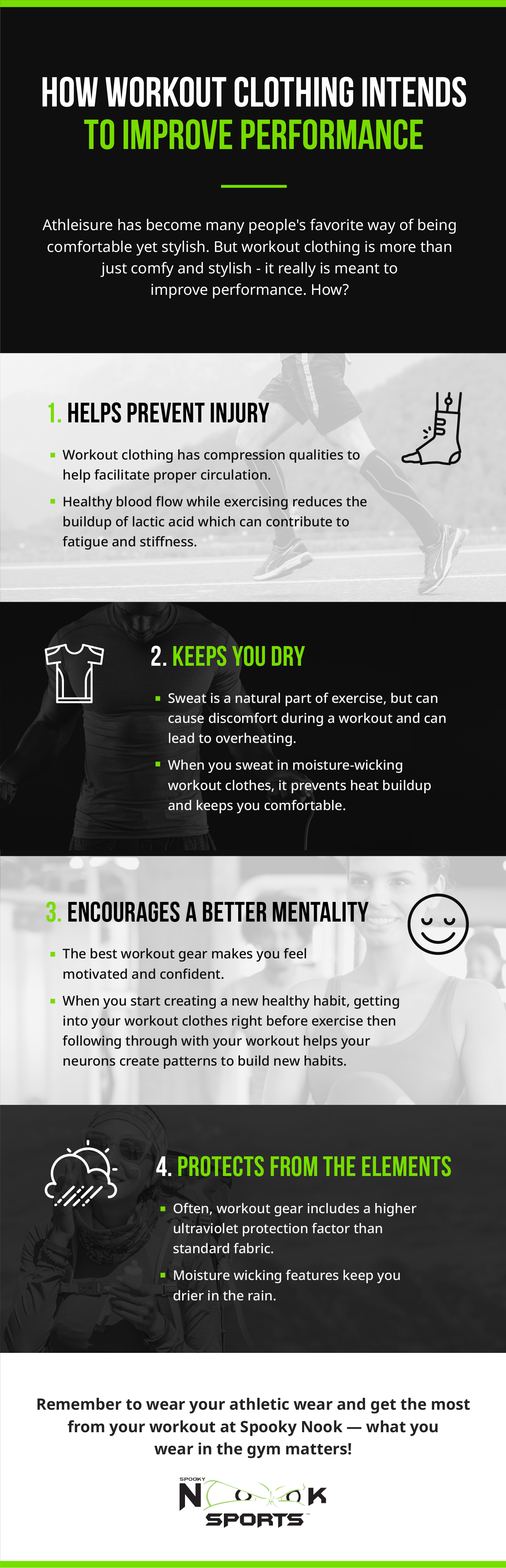
- Comfort – Workout clothes are made for movement, so they do not pinch, ride up, or restrict your body. For example, running shorts have split sides for better stride.
- Moisture Management – Fabrics like polyester and spandex pull sweat from your skin, so you stay dry and avoid rashes.
- Temperature Control – Some clothes keep you cool in hot weather or warm in cold weather.
- Support – Sports bras, compression shirts, and certain socks provide support to reduce muscle fatigue or injuries.
- Safety – Reflective stripes for evening runners or non-slip socks for yoga can help prevent accidents.
- Hygiene – Workout clothes are easy to wash and dry, which helps prevent bad smells and bacterial growth.
Wearing the right clothing lets you focus on your exercise, not on adjusting your outfit or feeling uncomfortable.
Does Science Support Wearing Workout Clothes?
There is real evidence that workout clothes can help your performance and comfort. Research shows that moisture-wicking fabrics lower the risk of skin problems and overheating. One study found that runners wearing sweat-wicking shirts felt cooler and less tired than those wearing cotton. Another study on compression garments showed a small reduction in muscle soreness after intense exercise.
However, science also says that for some light activities, the benefit may be small. For example, if you are just stretching or walking gently, regular clothes may be enough. The key is to match your clothing to your activity.
Benefits Of Wearing Workout Clothes
You might wonder, “If I can move in my old t-shirt, why change?” Here are several ways that proper workout clothes can boost your exercise routine:
Better Movement
Workout clothes are designed to stretch with your body. For example, yoga pants allow for deep bends and stretches without tearing. Running shorts are cut to let your legs move freely.
Improved Sweat Management
Sweat is a big part of exercise. Moisture-wicking fabrics keep sweat off your skin, which helps prevent chafing and rashes. This is especially important for activities like running, cycling, or high-intensity workouts.
Reduced Injury Risk
Clothes like compression tops or sports bras offer support. This can protect muscles and joints from strain. Good shoes protect your feet and knees.
Confidence And Motivation
Many people feel more motivated in proper workout gear. It puts you in the right mindset. Studies suggest that when you dress for exercise, you are more likely to stick with your routine.
Hygiene
Workout clothes dry quickly and do not hold on to sweat or bacteria like regular cotton. This reduces bad smells and skin infections.
Credit: www.spookynooksports.com
When Workout Clothes Are Most Important
Workout clothes matter more in some situations than others. Here’s when they really make a difference:
High-intensity Exercise
If you are doing activities like running, HIIT, CrossFit, or team sports, sweat-wicking and supportive clothes are essential. You will sweat a lot, and your body needs to move easily.
Outdoor Workouts
Weather is a big factor. For running in hot weather, lightweight, breathable shirts help you stay cool. In cold weather, thermal layers and windproof jackets keep you warm.
Group Classes
If you join a yoga, Pilates, or dance class, special clothes help you move and fit in. Some classes even require certain clothes for safety or hygiene.
Activities Requiring Special Shoes
Running, cycling, or basketball need the right shoes to protect your feet and joints. Using normal shoes can cause injuries.
Long Workouts
For hikes or marathons, comfort and moisture control are critical. Chafing or blisters can ruin your experience.
When You Can Skip Workout Clothes
Not every situation needs special gear. Here’s when you can use regular clothes:
- Short, low-intensity workouts – Gentle stretching, walking, or light home workouts can be done in comfortable, loose clothes.
- Trying out a new activity – If you are unsure about a sport, you can start with what you have before buying new clothes.
- Home exercise – When privacy is not an issue, you can use old t-shirts or shorts.
- Budget reasons – If you cannot afford workout gear right away, focus on movement rather than style.
Just make sure your clothes let you move easily and do not hold sweat.
Comparing Workout Clothes With Regular Clothes
Let’s see how workout clothes and regular clothes perform side by side for exercise.
| Feature | Workout Clothes | Regular Clothes |
|---|---|---|
| Moisture-wicking | Yes | No |
| Stretch & Fit | High | Low |
| Support | Good (e.g., sports bras) | Poor |
| Durability | Made for movement | May rip or wear out |
| Odor Control | Better | Worse |
| Style | Designed for activity | Casual or formal |
This comparison shows that while you can use regular clothes sometimes, workout clothes have clear advantages, especially for more intense or longer sessions.
How To Choose The Right Workout Clothes
If you decide to buy workout clothes, what should you look for? Here are the most important factors:
Fit
Your clothes should be snug but not tight. Loose clothes can catch on equipment or get in the way. Try to move and stretch when trying on new items.
Fabric
Look for moisture-wicking materials like polyester, nylon, or blends. Avoid heavy cotton for sweaty workouts, as it gets wet and heavy.
Support
Women should consider a good sports bra. For running or jumping, this makes a big difference. Compression shorts or tops help some people with muscle support.
Weather
Choose clothes that match the temperature. In hot weather, wear light, breathable clothes. In cold weather, use layers that you can remove as you warm up.
Activity Type
Some sports need special gear. For example, cycling shorts have padding, while yoga pants are seamless for comfort during poses.
Budget
Good workout clothes can be found at many price points. Try to buy one or two key items, like a good shirt and shoes, then add more as needed.
Style And Color
Pick colors and styles you like. If you feel good in your clothes, you may be more motivated to exercise.
Common Mistakes When Choosing Workout Clothes
Many beginners make errors when picking their workout clothes. Here are a few to avoid:
- Choosing style over function – Fancy clothes that look good but do not fit or stretch will make you uncomfortable.
- Wearing cotton for sweaty workouts – Cotton holds sweat and can cause rashes.
- Ignoring support needs – Skipping a sports bra or proper shoes can cause injury.
- Buying too tight or too loose – Clothes should fit well, not squeeze or hang.
- Not testing movement – Always stretch and move in the clothes before buying to make sure they work for your activity.
How Workout Clothes Impact Performance And Safety
Proper workout clothes do more than look good – they can make exercise safer and more effective. Here are some ways they help:
Injury Prevention
Good shoes with arch support lower the risk of knee and foot problems. Compression socks may reduce swelling. Sports bras protect breast tissue during jumping or running.
Temperature Regulation
Thermal leggings or tops keep you warm in cold weather, while breathable shirts cool you in the heat. Overheating or chilling can make exercise dangerous.
Visibility
Reflective strips on running jackets or vests make you more visible to cars at night or in low light. This is a key safety feature for outdoor exercise.
Equipment Use
Certain sports, like cycling or climbing, need clothes that do not get caught in gear. Yoga pants are seamless to prevent irritation during poses on the mat.
Psychological Benefits: The “enclothed Cognition” Effect
Research shows that what you wear can affect how you feel and act. This is called enclothed cognition. If you put on running shoes and a workout shirt, you may feel more like an athlete and push yourself harder. This boost in confidence and focus can help you stay consistent with your exercise routine.
Workout Clothes And Body Image
Some people worry that gym clothes are tight or show too much skin. It is important to remember:
- Choose clothes you feel comfortable in. Loose shirts and long shorts are fine if they help you focus.
- Many brands now offer modest workout clothes with more coverage.
- The most important thing is to move and stay healthy, not to follow trends.
If you feel self-conscious, remember that most people at the gym are focused on their own workout, not your outfit.
Special Cases: When Workout Clothes Are Essential
Some activities require special clothing for safety, hygiene, or rules:
Swimming
You need a swimsuit made from materials that dry quickly and do not drag in the water. Street clothes are not allowed in pools for safety and hygiene.
Team Sports
Uniforms help teams identify each other. Special shoes and gear are often required for safety.
Martial Arts
Outfits like gis or doboks are designed for movement and tradition. Regular clothes can tear or get in the way.
Cycling
Padded shorts and fitted tops prevent chafing and help with long rides.
Sustainability And Eco-friendly Workout Clothes
Many people now want to buy eco-friendly workout clothes. These are made from recycled materials or use less water and energy. Brands are offering shirts made from recycled bottles or organic cotton. Choosing sustainable options helps the environment, but still gives the same benefits for your workout.
Workout Clothes For Different Body Types
Everyone’s body is different. Brands now make workout clothes for all shapes and sizes. Here’s what to keep in mind:
- Look for brands with a wide size range.
- Try different styles to see what fits your body best.
- High-waisted leggings or longer tops may help some people feel more comfortable.
- Shoes should be chosen based on your foot shape and support needs.
How To Care For Workout Clothes
To keep your workout clothes working well, wash them properly:
- Wash in cool water to protect the fabric.
- Avoid fabric softener, which can block moisture-wicking ability.
- Hang dry when possible to prevent shrinking.
- Wash after every use to remove bacteria and sweat.
Good care makes your clothes last longer and keeps them fresh.
Cost Vs. Value: Are Workout Clothes Worth It?
Workout clothes can be expensive, but you do not need to buy the most expensive brands. Focus on value:
- Buy one or two high-quality items, like a moisture-wicking shirt and good shoes.
- Add more as your routine grows.
- Check for sales or discount brands that offer similar performance to big names.
Remember, the best workout clothes are the ones you will actually wear often.
The Social Side: Do You Need Workout Clothes To Fit In?
Some people worry about “gym fashion” and feeling out of place. The truth is, most gyms welcome everyone. You do not need to wear the latest styles. Focus on comfort, safety, and what makes you want to exercise. If you feel good, you will look good.
Cultural And Modesty Considerations
In some cultures or personal beliefs, modesty is important. You can find loose-fitting workout clothes, long-sleeve shirts, or hijabs designed for exercise. These let you work out while respecting your values. The fitness industry is becoming more inclusive, so you have more choices than ever.
Children And Workout Clothes
Kids need comfortable, flexible clothes for sports and play. Athletic gear for children is made to stretch, absorb sweat, and protect their growing bodies. For school sports, proper gear is often required for safety.
Credit: kicaactive.com
Home Vs. Gym: Does The Setting Matter?
Your choice of workout clothes may depend on where you exercise:
- At home: Comfort is key. Old t-shirts and shorts are fine for most activities.
- At the gym: Supportive, sweat-wicking clothes help you stay comfortable and hygienic.
- Outdoors: Consider weather, safety (visibility), and sun protection.
Real-world Examples: What Do People Actually Wear?
Different activities have different clothing needs. Here are some real-life examples:
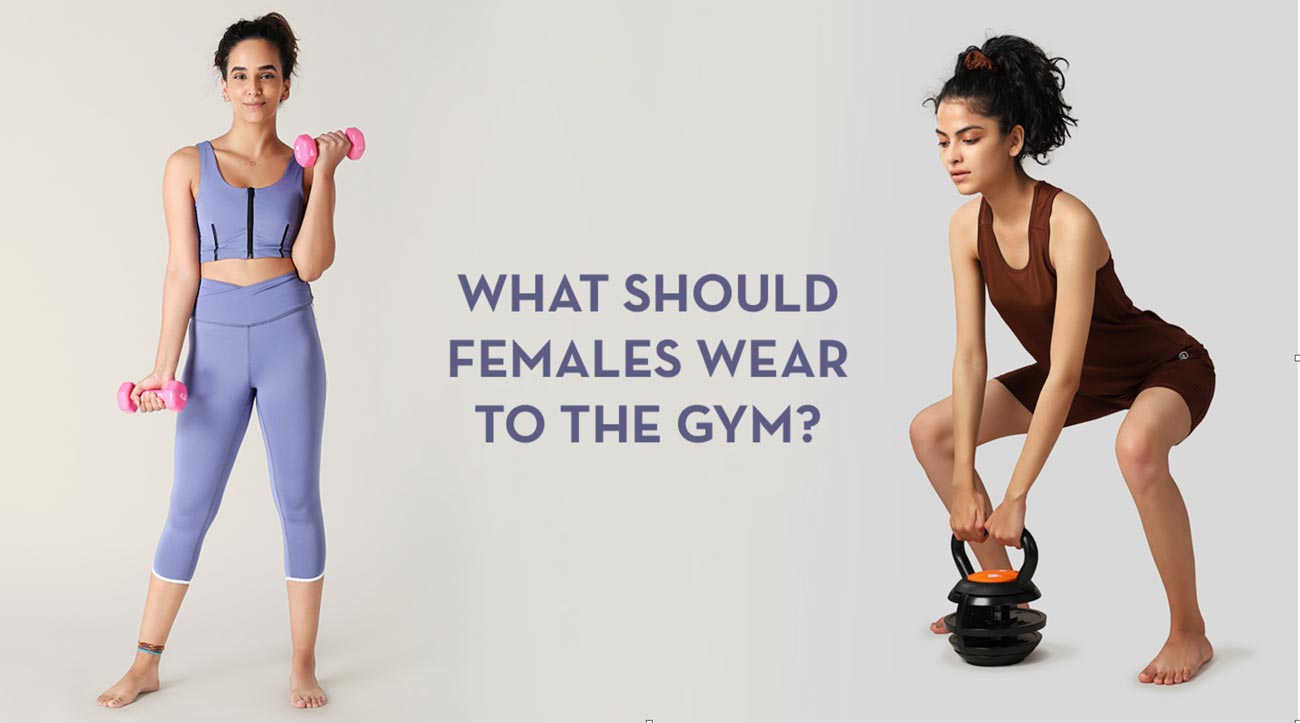
- Yoga: Stretchy leggings, fitted tops, bare feet or grip socks.
- Running: Moisture-wicking t-shirt, running shorts, running shoes, sports bra.
- Weightlifting: Tank top or t-shirt, shorts or leggings, flat shoes.
- Cycling: Padded shorts, fitted jersey, cycling shoes.
- Swimming: Swimsuit, cap, goggles.
Each activity has its own requirements, and you can adjust based on your comfort.
Workout Clothes And Technology
New fabrics use antimicrobial treatments to stop bacteria growth and odor. Some shirts have UV protection for outdoor exercise. Others use smart fabrics that change with your body temperature. These features add value but are not always necessary for beginners.
How To Start If You’re New
If you are just starting exercise, do not worry about buying everything at once. Begin with:
- One moisture-wicking shirt
- Comfortable shorts or leggings
- Supportive shoes
As you learn what you like, add more specialized items. This saves money and helps you avoid buying things you never use.
Insights Beginners Often Miss
- Fit matters more than brand. Many people think expensive gear is always better, but a good fit is more important for comfort and safety.
- Layering is key. For outdoor exercise, learn to layer clothes. Start with a moisture-wicking base, then add warmth or wind protection as needed.
- Try before you buy. Move, stretch, and even squat in the fitting room. Clothes may feel different during real exercise.
- Don’t skip socks. Athletic socks can prevent blisters and foot pain, something beginners often overlook.
- Wash often. Dirty workout clothes can cause skin problems. Always wash after sweaty sessions.
Should You Always Wear Workout Clothes?
The answer depends on your activity, comfort, and goals. For high-intensity, sweaty, or outdoor workouts, special clothes are worth it. For gentle, short, or at-home routines, use what you have as long as you can move freely. The most important thing is to make exercise a regular habit, not to worry about fashion.
If you want more details about the science behind sports clothing, you can check this Wikipedia article.
Credit: www.refinery29.com
Frequently Asked Questions
What Is The Most Important Piece Of Workout Clothing?
Shoes are often the most important because they protect your feet, absorb shock, and prevent injuries. For women, a good sports bra is also essential for support.
Can I Use Cotton Clothes For Exercise?
Cotton is okay for short or gentle workouts, but it holds sweat and can cause chafing. For longer or more intense sessions, choose moisture-wicking fabrics.
Are Expensive Workout Clothes Better?
Not always. The most important things are fit, comfort, and function. Many affordable brands offer high-quality workout gear.
How Many Sets Of Workout Clothes Do I Need?
Start with 2–3 sets if you exercise regularly. This gives you time to wash and dry them between workouts.
Can Workout Clothes Help With Weight Loss Or Muscle Gain?
Workout clothes do not directly affect weight loss or muscle gain. However, comfortable and supportive clothing can help you move better, avoid injuries, and stay motivated to exercise often.
The bottom line: workout clothes are helpful, but not always required. Use what makes you feel good and lets you move freely. The best gear is the one that keeps you coming back for more exercise.
