

Is It Business Casual to Wear Shorts? Dress Code Explained
Is It Business Casual To Wear Shorts
Some dress codes can feel confusing, especially when the weather gets warmer or you work in a relaxed office. Many people wonder, “Is it business casual to wear shorts? ” The answer isn’t as simple as yes or no. It depends on your industry, your workplace culture, and even the type of shorts you choose.
Understanding what business casual really means—and how shorts fit into it—can help you avoid mistakes and feel confident in your outfit choices. Let’s explore the details, look at real examples, and see how shorts can fit (or not fit) into a business casual wardrobe.
What Does Business Casual Really Mean?
Business casual is a common dress code in offices, but its meaning can change from one place to another. In general, business casual means looking professional but not as formal as wearing a suit and tie. For men, business casual often includes slacks, collared shirts, and closed-toe shoes. For women, it might mean skirts, blouses, and flats or heels.
The idea is to look neat, polished, and ready for work, but also comfortable. Business casual is often about balance: you’re not dressing for a fancy event, but you’re also not showing up in gym clothes or pajamas. The goal is to appear approachable and professional.
But here’s where it gets tricky. What counts as “casual” can depend on location, company culture, and even the season. For example, some tech companies allow jeans and t-shirts, while banks or law firms stick to more traditional outfits. This flexibility is both helpful and confusing—especially when you start thinking about shorts.
The Place Of Shorts In Traditional Business Casual
In most offices, shorts have never been part of the standard business casual look. Historically, business casual has been about covering legs with slacks, chinos, or skirts. Shorts were seen as too casual or informal for work.
Why? Shorts are often linked to leisure—think about weekend wear, beaches, or sports. They signal relaxation, not professionalism. In many industries, showing bare legs was considered inappropriate or unprofessional. This view has roots in tradition, but also in how people expect business attire to look.
However, times are changing. Some companies, especially in creative or tech fields, are becoming more relaxed about dress codes. In some climates, especially hot ones, shorts are becoming more acceptable. Still, many workplaces see shorts as a step too far for business casual.
Factors That Decide If Shorts Are Business Casual
Whether shorts are business casual depends on several factors. Let’s break them down:
- Industry Standards
- Traditional fields (finance, law, government) rarely allow shorts. Creative industries (design, tech, advertising) are often more relaxed.
- Company Culture
- Some companies have written dress codes. Others rely on unwritten rules and what managers wear.
- Climate and Location
- In hot regions, some offices make exceptions for shorts. Coastal cities and tropical areas sometimes allow more casual wear.
- Type of Shorts
- Tailored shorts look very different from athletic or denim shorts. The style, material, and fit matter a lot.
- Gender Differences
- Some workplaces allow women to wear dress shorts or culottes, but not men. It’s important to check what’s considered “normal” for each gender.
Let’s look at each factor in more detail.
Industry Standards
Most traditional industries stick to strict dress codes. For example, banks, law firms, and government offices expect employees to wear slacks or skirts. Shorts are usually not allowed, no matter the weather.
Creative fields like advertising, media, or tech often have more relaxed standards. In these places, shorts might be allowed—especially for certain roles or during summer. Even so, not all creative offices accept shorts, and they may have rules about when and how you wear them.
Company Culture
Some companies are very clear about what you can wear. They might have a dress code handbook or policy. Others rely on what managers and senior staff wear. If you see the boss wearing shorts, you can probably wear them too.
But be careful: sometimes, only certain people can wear shorts (like founders or senior staff), while others are expected to dress more formally. It’s wise to ask HR or observe what most people wear before making your decision.
Climate And Location
If you work in a hot climate, like Florida, California, or Hawaii, shorts might be more common. Some offices make exceptions during heatwaves or have “summer Fridays” when the dress code relaxes. In cooler regions, shorts are rare—even in casual workplaces.
Type Of Shorts
Not all shorts are equal. Here’s a quick comparison:
| Type of Shorts | Business Casual? | Notes |
|---|---|---|
| Tailored shorts | Sometimes | Must be knee-length, neat, and made of formal fabric |
| Chino shorts | Rarely | Casual, but can look smart if styled well |
| Denim shorts | No | Too casual for most offices |
| Athletic shorts | No | Only for gym or sports |
| Bermuda shorts | Sometimes | Accepted in some casual workplaces if styled smartly |
Tailored shorts, made from formal fabrics, are sometimes allowed. Shorts should be at least knee-length, fit well, and look polished. Avoid shorts with loud prints, rips, or very short lengths.
Gender Differences
Women sometimes have more options for business casual shorts. Dress shorts or culottes are accepted in some offices. Men usually have fewer choices—shorts for men are often seen as too casual unless the office is very relaxed.
Dress Codes: Written Vs. Unwritten Rules
Every workplace has a dress code, even if it’s not written down. Written dress codes are clear: they tell you what to wear and what not to wear. Unwritten rules are about observing what others do.
If your company has a dress code policy, read it carefully. Some policies list shorts as acceptable, especially for women. Others ban shorts completely. If there’s no written policy, observe senior staff and ask HR or your manager. Sometimes, dress codes change with the season or special events.
Unwritten rules can be tricky. You might see someone wearing shorts, but that doesn’t mean it’s okay for everyone. In some offices, only certain employees (like tech staff or creative teams) can dress more casually. In others, shorts are allowed for everyone during summer.
How Shorts Can Fit Into Business Casual
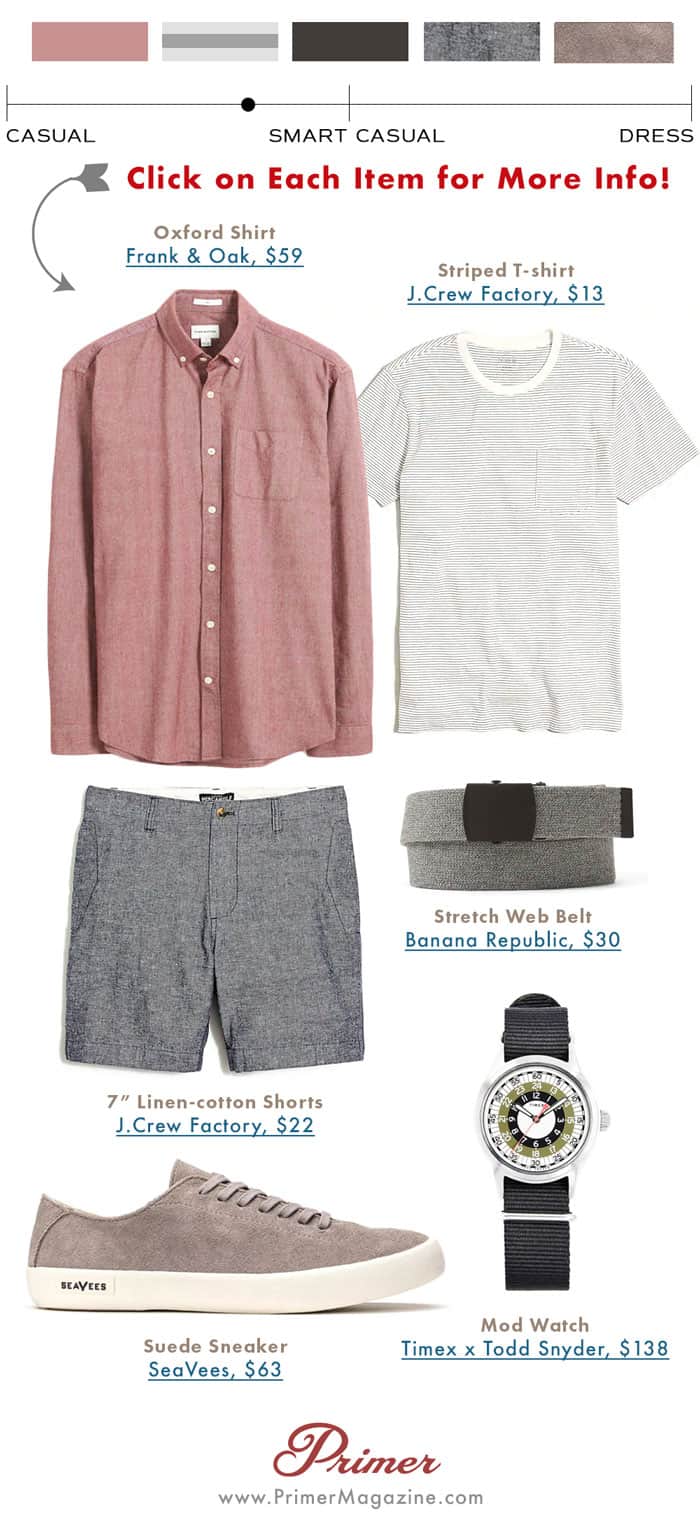
If your workplace allows shorts, there are ways to make them look professional and business casual. Here’s how:
- Choose tailored shorts: Avoid baggy, ripped, or very short styles. Pick shorts made from formal fabrics like cotton, linen, or wool blends.
- Stick to neutral colors: Black, navy, gray, or beige look more professional than bright colors or bold prints.
- Pair with smart tops: Wear a collared shirt, blouse, or blazer. Avoid t-shirts or tank tops.
- Wear dress shoes: Loafers, oxfords, or flats are best. Avoid sneakers, sandals, or flip-flops.
- Keep accessories simple: A belt, watch, or simple jewelry can add polish.
Here’s an example outfit for men:
- Knee-length tailored shorts in navy
- White button-up shirt
- Brown leather belt
- Black dress shoes
For women:
- High-waisted tailored shorts in beige
- Light blue blouse
- Simple necklace
- Nude flats
Pros And Cons Of Wearing Shorts To Work
Wearing shorts can feel comfortable, but there are risks. Here are some pros and cons:
Pros
- Comfort: Shorts are cooler and more comfortable in hot weather.
- Freedom: If allowed, shorts can help you express your style.
- Trend: Some offices are becoming more relaxed, and shorts can fit in.
Cons
- Perception: Shorts can look unprofessional in many offices.
- Dress code risk: You could break the rules and face warnings.
- Limited acceptance: Most workplaces still don’t accept shorts.

Credit: www.tascperformance.com
Real-life Examples: Shorts In Different Industries
Let’s look at how different industries handle shorts in business casual settings.
Tech Companies
Many tech companies are famous for relaxed dress codes. Employees wear jeans, t-shirts, and sometimes shorts. But even in these offices, shorts are not always accepted as business casual. Some roles (like client-facing jobs) require more formal outfits.
Creative Agencies
Design studios and advertising agencies often allow more creativity in dress. Shorts might be allowed, especially during summer. Still, they expect shorts to be tailored and styled smartly.
Finance And Law
Banks, financial firms, and law offices rarely allow shorts. Business casual means slacks, skirts, or dresses—not shorts. Wearing shorts in these settings can hurt your professional image.
Retail And Hospitality
Some retail jobs, especially in upscale stores, allow dress shorts for women. Men usually wear slacks or chinos. In hospitality (like hotels), shorts are rare except for certain roles (like pool staff).
Education
Teachers in some schools can wear shorts during summer, but usually only in elementary or casual settings. College professors and administrators stick to traditional business casual.
Common Mistakes When Wearing Shorts To Work
If you’re thinking about wearing shorts to work, avoid these mistakes:
- Choosing the wrong style: Athletic or denim shorts are never business casual.
- Going too short: Shorts should reach at least the knee.
- Ignoring company culture: Always check what others wear.
- Skipping grooming: Make sure your legs are clean and neat.
- Pairing with casual tops: Avoid t-shirts or tank tops.
Credit: www.primermagazine.com
How To Ask If Shorts Are Allowed
If you’re not sure, it’s best to ask. Here’s how:
- Talk to HR: “Are shorts allowed as part of business casual?”
- Ask your manager: “What’s the policy on shorts during hot weather?”
- Observe what others wear: Look for patterns and exceptions.
It’s better to ask than to guess. Some companies allow shorts only on certain days, or only for specific roles.
How Shorts Compare To Other Business Casual Options
Let’s compare shorts with other common business casual choices:
| Option | Professional Look | Comfort | Acceptance in Offices |
|---|---|---|---|
| Slacks | High | Medium | Very High |
| Skirts | High | Medium | High |
| Dress shorts | Medium | High | Low |
| Jeans | Low | High | Medium |
| Chinos | High | Medium | High |
Slacks and chinos are always safe for business casual. Dress shorts offer comfort but are rarely accepted. Jeans are comfortable, but some offices don’t accept them as business casual.

Credit: www.reddit.com
Practical Tips For Styling Shorts In A Business Casual Way
If your office allows shorts, here are practical tips to style them well:
- Pick shorts made from formal materials (cotton, wool, linen)
- Choose shorts with a tailored fit—not baggy or tight
- Avoid loud prints or flashy colors
- Pair shorts with a belt for a polished look
- Tuck in your shirt or blouse
- Add a blazer or cardigan if needed
- Wear closed-toe shoes
- Keep jewelry and accessories simple
- Make sure your shorts are clean and wrinkle-free
One non-obvious tip: Always check how your shorts look when sitting. Shorts can ride up, and what looks fine standing may not look professional when seated.
Another insight: Pay attention to leg grooming. Even if your shorts are formal, untidy legs can make the outfit look unprofessional. For men, consider trimming leg hair if it’s very noticeable; for women, smooth skin and moisturized legs help.
Why Some Offices Still Ban Shorts
Many companies stick to traditional dress codes for a reason. Here’s why:
- Client perception: Shorts can make clients feel the office is too casual.
- Professional image: Traditional outfits signal seriousness and reliability.
- Equality: Dress codes can help everyone look similar, reducing distractions.
- Risk of misuse: If shorts are allowed, some people might wear styles that are too casual.
Some companies fear that allowing shorts will lead to confusion about what’s appropriate. They prefer clear rules to avoid problems.
Business Casual Trends: Are Shorts Becoming More Accepted?
There’s a trend toward more relaxed dress codes, especially in creative and tech industries. Some companies now allow shorts during hot weather, or for certain roles. However, most offices still don’t accept shorts as standard business casual.
Surveys show that only a small percentage of offices allow shorts. According to a poll by a leading HR site, less than 5% of companies list shorts as acceptable for business casual. More companies are considering changes, but tradition is strong.
Remote work has also changed dress codes. People working from home often wear shorts, but when returning to the office, most switch back to slacks or skirts.
How To Stay Safe: Alternatives To Shorts
If you want comfort but aren’t sure about shorts, try these alternatives:
- Lightweight slacks: Choose breathable fabrics like linen or cotton.
- Culottes or wide-leg pants: These offer airflow and comfort.
- Midi skirts: Longer skirts are cool and accepted in most offices.
- Dress capris: Some offices allow capri pants, which are cooler than full-length slacks.
These options balance comfort and professionalism. You can look business casual without risking dress code violations.
What Managers And Hr Look For
Managers and HR often focus on:
- Neatness: Is the outfit tidy and clean?
- Professionalism: Does the outfit signal respect for the workplace?
- Consistency: Are all employees following the same rules?
- Safety: Shorts can expose skin, which is a concern in some workplaces (like factories).
If you want to wear shorts, make sure they meet these standards. Even if shorts are allowed, sloppy or casual shorts can break the spirit of business casual.
Comparing Business Casual Dress Codes Across Countries
Dress codes can change a lot depending on where you work. Here’s a look at how shorts fit into business casual in different countries:
| Country | Shorts Accepted? | Typical Dress Code |
|---|---|---|
| United States | Rarely | Slacks, skirts, blouses, collared shirts |
| Australia | Sometimes | Tailored shorts in hot areas, otherwise slacks or skirts |
| United Kingdom | No | Formal business casual, no shorts |
| Singapore | Sometimes | Light fabrics, some offices allow shorts |
| Brazil | Sometimes | Dress shorts in creative industries, otherwise slacks |
As you see, climate and culture can affect the rules. In some hot countries, shorts are more accepted—but still rare in formal offices.
Shorts In Hybrid And Remote Work
Remote work has made dress codes more relaxed. Many people wear shorts at home, even during video calls. But when returning to the office, most companies still expect traditional business casual outfits.
Hybrid work sometimes allows “dress-down days” or casual Fridays, when shorts might be accepted. Even so, check the rules before wearing shorts on these days.
What To Do If You Want More Casual Options
If you want your office to accept shorts, here’s what you can do:
- Talk to HR about updating the dress code
- Suggest “summer Fridays” or casual days
- Show examples of professional shorts outfits
- Ask for feedback from managers and colleagues
Sometimes, dress codes change when enough employees ask. But remember, change takes time.
Frequently Asked Questions
Can Men Wear Shorts As Business Casual?
Usually, men cannot wear shorts as business casual. Some relaxed offices allow tailored shorts, but most expect slacks or chinos. Always check your company’s policy.
Are Dress Shorts Different From Casual Shorts?
Yes. Dress shorts are made from formal fabrics, have a tailored fit, and are often knee-length. Casual shorts (like denim or athletic styles) are too informal for business casual.
Can Women Wear Shorts In Business Casual Settings?
Some offices allow women to wear dress shorts or culottes as part of business casual. Rules vary, so check your company policy and observe what others wear.
What Happens If I Wear Shorts And Break The Dress Code?
You might be asked to change, receive a warning, or face discipline. Dress codes are meant to keep workplaces professional. It’s best to ask before wearing shorts.
Where Can I Find Examples Of Professional Shorts Outfits?
You can find inspiration and guidance from HR sites and fashion blogs. For workplace dress codes, see Society for Human Resource Management for official advice.
Business casual is always changing, but shorts remain a tricky option. Knowing your workplace, the industry, and the right style can help you make smart choices.
Shorts can offer comfort and style, but they’re rarely accepted as business casual in most offices. If your company allows them, choose tailored, knee-length shorts and pair them with smart tops and shoes. When in doubt, stick to slacks, skirts, or other safe options.
Dress codes are about respect and professionalism. With the right approach, you can stay comfortable and confident—no matter what you wear.
