

Is It Business Casual Now? Decoding Modern Workplace Style
Is It Business Casual Now
The world of work is changing fast. For many people, “business casual” is now the common dress code. Offices, startups, and even some big companies are moving away from formal suits and ties. But what does business casual really mean?
Is it the new normal? And how do you know if you’re dressed right for your workplace? Let’s explore the history, meaning, and impact of business casual so you can feel confident every day.
The Origins Of Business Casual
Business casual did not appear overnight. It started as a response to strict dress codes that made workers wear formal suits every day. In the past, most offices expected employees to dress in full business attire. This often meant dark suits, ties, dress shoes, and conservative colors. But as workplaces became more relaxed, people wanted clothing that felt comfortable and still looked professional.
The shift began in technology companies. These companies valued creativity and innovation, so they allowed their workers to dress more freely. Over time, other industries copied this idea. Business casual became popular in offices, retail, and even some banks. Today, many companies accept business casual as their standard dress code.
Defining Business Casual: What Does It Really Mean?
Business casual is tricky to define. Every company and culture has its own version. Still, business casual usually means clothes that are neat, clean, and not too formal. You want to look professional but not overdressed.
Here are some typical business casual items:
- Collared shirts (button-down, polo)
- Blouses for women
- Slacks or dress pants
- Khakis
- Sweaters
- Closed-toe shoes
- Skirts (knee-length or longer)
- Dressy flats or low heels
Items often not considered business casual:
- Jeans (except in some very casual offices)
- T-shirts
- Shorts
- Sneakers (unless company allows)
- Flip-flops
- Tank tops
- Athletic wear
Let’s look at a comparison table to help clarify:
| Business Casual | Business Formal | Casual |
|---|---|---|
| Slacks, khakis, collared shirt | Suit, tie, dress shoes | Jeans, t-shirt, sneakers |
| Blouse, skirt, dressy flats | Blazer, pencil skirt, heels | Shorts, sandals, hoodie |
| Sweater, closed-toe shoes | Cufflinks, briefcase | Tank top, flip-flops |
Why Business Casual Became Popular
Several reasons pushed business casual into the spotlight:
- Comfort and Productivity: Workers perform better when they feel comfortable. Formal clothes can be stiff and hot, while business casual allows movement and ease.
- Company Culture: New companies, especially in technology, want to show they are modern and flexible. Business casual fits this image.
- Changing Expectations: Customers and clients no longer expect everyone to wear suits. As society becomes more relaxed, so do dress codes.
- Cost Savings: Formal clothes are expensive to buy and maintain. Business casual means fewer dry cleaning bills and more affordable options.
- Flexible Work: With remote work and flexible hours, strict dress codes are harder to enforce. Business casual is practical for in-person and remote settings.
The Impact On Workplaces
Switching to business casual has changed how people feel at work. Employees say they are happier and less stressed about their clothing. Meetings feel less intimidating, and team members connect more easily. Some managers find it easier to attract young talent with a relaxed dress code.
However, business casual can also cause confusion. Without clear guidelines, people sometimes dress too casually. This can lead to awkward moments or misunderstandings. Some clients or executives may still expect formal wear, especially in meetings.
Business Casual Around The World
Business casual is not the same everywhere. Different countries and cultures have their own ideas.
- In Japan, business casual is still quite formal. Men often wear jackets, and women dress conservatively.
- In Europe, some countries are more relaxed than others. For example, Scandinavian offices often allow jeans and sneakers, while French companies may expect more polished outfits.
- In India, traditional clothing is sometimes accepted as business casual.
If you travel or work with international teams, always check local customs. Ask colleagues or HR for advice so you don’t make mistakes.
The Role Of Gender In Business Casual
Business casual can mean different things for men and women. Sometimes, women have more choices but also more rules to follow. For example, women may wear skirts, dresses, blouses, and cardigans. Men usually stick to collared shirts and slacks.
This difference can cause confusion. Some workplaces give detailed rules for women’s clothing, while men’s rules are simpler. In modern offices, companies try to balance these differences so everyone feels comfortable and respected.
Common Mistakes In Business Casual
Even experienced workers can make mistakes with business casual. Here are some frequent errors:
- Too Casual: Wearing jeans, sneakers, or t-shirts when they are not allowed.
- Wrinkled or Dirty Clothes: Business casual still means neat and clean. Avoid stains and wrinkles.
- Overdoing Accessories: Too much jewelry, loud colors, or flashy items can look unprofessional.
- Ignoring Company Culture: Not checking your company’s specific rules before dressing.
- Mixing Formal and Casual: Wearing a suit jacket with jeans or dress shoes with shorts can look mismatched.
Non-obvious tip: Always check the fit of your clothes. Even business casual items look sloppy if they are too tight or too loose. Another tip is to keep a backup outfit at work in case you spill something or have an unexpected meeting.
How Companies Set Business Casual Guidelines
Many companies write clear dress code policies. These documents explain what is allowed and what is not. Some companies offer visual examples or even hold training sessions.
A typical business casual policy might include:
- List of acceptable clothing items
- Examples of what not to wear
- Guidance for special events or client meetings
- Notes about cultural or religious dress
Here’s a sample guideline table:
| Allowed | Not Allowed |
|---|---|
| Collared shirts, sweaters | T-shirts, tank tops |
| Dress pants, khakis | Shorts, ripped jeans |
| Closed-toe shoes | Flip-flops, sneakers |
| Knee-length skirts | Mini-skirts |
Some companies update their dress codes regularly. They respond to changes in society, new trends, and employee feedback.
Business Casual For Remote Work
Remote work has made business casual even more important. Many people now work from home or join meetings online. They need clothes that are comfortable but still look professional on camera.
Tips for remote business casual:
- Wear a collared shirt or blouse for video calls.
- Choose colors that look good on screen (avoid pure white or black).
- Keep a blazer or sweater nearby for quick changes.
- Avoid pajamas or workout clothes, even if you are off camera.
Many companies now have “camera-on” policies for meetings. Business casual helps workers feel ready and confident, even from home.
How Business Casual Affects Career Growth
Your clothing can impact your career. Dressing well shows respect for your job and company. In business casual workplaces, you still need to look professional and polished.
Managers often notice people who dress slightly above the minimum standard. This does not mean overdressing, but choosing smart, well-fitted clothes. It shows you care and are ready for more responsibility.
Non-obvious insight: Looking for opportunities to “dress up” a little, such as wearing a blazer or nicer shoes, can help you stand out. But always stay within your company’s culture and avoid making others feel uncomfortable.

Credit: www.vogue.com.au
Business Casual Vs. Smart Casual
Some companies use “smart casual” instead of business casual. Smart casual is a step above regular casual, but below business formal. It usually includes stylish, modern clothes but avoids anything too relaxed.
A comparison table can help:
| Business Casual | Smart Casual |
|---|---|
| Khakis, collared shirt | Dark jeans, tailored blazer |
| Knee-length skirt, blouse | Midi dress, ankle boots |
| Sweater, dress shoes | Button-down shirt, loafers |
Smart casual allows more personal style. You can add accessories, trendy shoes, or modern colors. Still, the goal is to look polished and ready for work.
Business Casual For Interviews
Job interviews can be stressful, especially when you’re unsure what to wear. Business casual is often safe, but always check the company’s culture. Some employers expect formal suits, while others prefer relaxed attire.
Tips for interview dress:
- Research the company online.
- Ask HR or your contact about their dress code.
- Choose clothing that is neat, clean, and well-fitted.
- Avoid bold patterns or colors unless you know they are accepted.
- Bring a blazer or jacket in case you need to “dress up” quickly.
A confident appearance can help you make a good first impression. Dressing business casual shows you understand modern workplaces and can fit in easily.
The Future Of Business Casual
Workplaces keep changing. Business casual will likely evolve as new generations join the workforce. Some trends to watch:
- Sustainability: More people choose eco-friendly clothing, like organic cotton and recycled materials.
- Inclusivity: Companies are making dress codes flexible for all genders, cultures, and body types.
- Technology: Smart fabrics and wearable tech may become common.
One non-obvious insight: Dress codes may disappear in some companies, replaced by “dress for your day” policies. This means you choose your outfit based on your tasks, meetings, or clients.
Practical Tips For Mastering Business Casual
If you want to feel confident every day, follow these practical tips:
- Plan Your Wardrobe: Build a small set of business casual basics. Choose neutral colors and simple styles.
- Check Company Culture: Ask HR or your manager about the dress code.
- Invest in Fit: Well-fitted clothes always look better, even if they are simple.
- Keep Clothes Neat: Iron your shirts, clean your shoes, and avoid wrinkles.
- Add Personal Touches Carefully: Use accessories, but keep them subtle.
- Prepare for Weather: Have options for cold and hot days.
- Have a Backup Outfit: Keep a spare shirt or blazer at work.
- Update Regularly: Refresh your wardrobe when styles change.
Business Casual For Different Roles
Not all jobs have the same business casual expectations. For example:
- Managers may wear blazers or dress shoes.
- Sales staff often dress up for client meetings.
- Creative workers have more freedom with colors and styles.
- Support staff may stick to simple shirts and pants.
Always check your role’s expectations. When in doubt, aim for a slightly more polished look.
Business Casual For Special Events
Some events require a different approach:
- Company parties: You can add color or festive accessories.
- Client meetings: Dress up with a blazer or nicer shoes.
- Conferences: Choose comfortable but professional outfits.
If unsure, ask your manager or HR for guidance. It’s better to be a little overdressed than underdressed for special occasions.
Business Casual For Different Body Types
Everyone’s body is unique. Business casual should help you feel comfortable and confident.
- Choose clothing that fits your shape.
- Avoid items that are too tight or too loose.
- Look for brands that offer a range of sizes.
- Try different styles to see what works for you.
Many stores now offer business casual lines for all body types. If you struggle to find the right fit, talk to a tailor or shop assistant.
Non-obvious Business Casual Insights
- Dress Consistency Matters: Try to dress at a similar level every day. Sudden changes (like wearing a suit one day and jeans the next) can confuse coworkers and managers.
- First Impressions Last: Dress well on your first day or for important meetings. People remember your initial appearance.
- Adapt to Team Norms: Notice how your team dresses. If everyone wears sweaters, a polo shirt may look out of place.
- Maintain Your Clothes: Regular cleaning, ironing, and repairs keep your business casual wardrobe looking sharp.
Business Casual And Personal Branding
The way you dress can be part of your personal brand. Business casual lets you show your personality while staying professional. For example, you can:
- Use subtle colors or patterns.
- Add small accessories like watches or scarves.
- Choose shoes that match your style.
Remember, your clothing should support your career goals and help you feel confident.
Business Casual Myths
Some myths confuse people about business casual:
- Myth 1: Business casual means you can wear anything. Fact: There are still limits.
- Myth 2: Only startups use business casual. Fact: Many large companies accept it.
- Myth 3: It’s always cheaper. Fact: Quality business casual can cost more than basic formal wear.
- Myth 4: You must buy new clothes every season. Fact: Timeless basics work year-round.
How To Ask About Dress Codes
If you’re unsure about the dress code, ask politely:
- “Can you tell me more about the dress code here?”
- “What do most people wear in the office?”
- “Is business casual okay for meetings?”
Managers and HR appreciate questions. It shows you care about fitting in.
Business Casual: Pros And Cons
Let’s review some advantages and disadvantages.
Pros:
- Comfortable
- Affordable
- Modern
- Flexible
Cons:
- Can be confusing
- Risk of being too casual
- May not work for all industries
Some companies balance business casual with “dress up” days or special rules for client meetings.
Business Casual And Company Image
How employees dress affects the company’s image. Business casual can make a company look modern and friendly. But if workers are too casual, clients may see the company as unprofessional.
Company leaders need to set clear standards. They should explain why the dress code matters and help employees understand expectations.
Business Casual And Diversity
Business casual supports diversity in the workplace. It allows people from different cultures, backgrounds, and faiths to dress in ways that fit their needs. For example, some employees may wear traditional clothing or head coverings.
Companies should make their policies flexible and respectful. Diversity helps teams perform better and attract talent.
Business Casual In Retail And Service Jobs
Business casual is not just for offices. Many stores, hotels, and restaurants use business casual for staff. It helps employees look professional but stay comfortable during long shifts.
Typical items for retail and service jobs:
- Polo shirts
- Slacks or skirts
- Comfortable dress shoes
- Name tags or company-branded items
These jobs often require practical clothing that can handle daily wear and tear.
Keeping Up With Trends
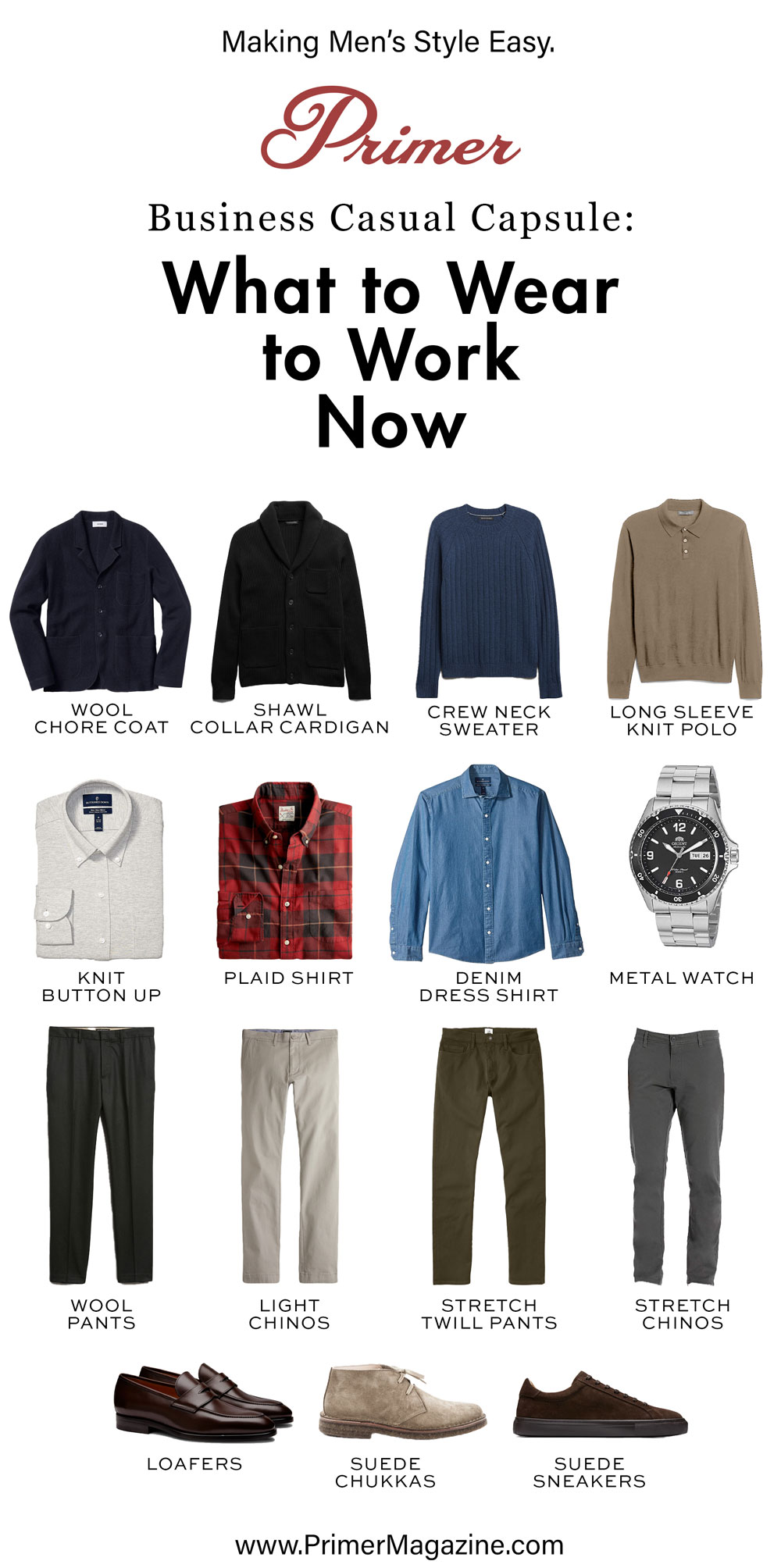
Fashion trends change. Business casual styles shift over time. Popular items may include:
- Slim-fit pants
- Modern blouses
- Comfortable loafers
- Simple accessories
If you want to stay current, follow style blogs, magazines, or social media. But remember, classic basics never go out of style.
Credit: www.primermagazine.com
How Business Casual Helps Work-life Balance
Comfortable clothing makes it easier to move between work and personal life. Workers can join after-work events, run errands, or travel without changing outfits.
Many people say business casual helps them feel less stressed and more balanced. It supports flexible work and helps teams adapt to new challenges.
Frequently Asked Questions
What Is The Difference Between Business Casual And Business Formal?
Business casual is less strict than business formal. It allows comfortable clothing like slacks, collared shirts, and sweaters. Business formal means suits, ties, and dress shoes. Business casual is common in modern offices, while business formal is used for important meetings or events.
Can I Wear Jeans In A Business Casual Office?
It depends on the company. Some offices allow dark, well-fitted jeans as business casual. Others do not. Always check your company’s dress code or ask HR before wearing jeans.
How Can I Know If My Outfit Is Business Casual?
Check if your clothes look neat, clean, and professional. Avoid items like t-shirts, shorts, and sneakers. Collared shirts, blouses, slacks, and closed-toe shoes are usually safe. If unsure, ask a coworker or manager.
Is Business Casual Acceptable For Job Interviews?
Usually yes, unless the company expects formal wear. Research the company’s culture before your interview. If you’re not sure, dress slightly more formal to make a good impression.
Where Can I Find Examples Of Business Casual Outfits?
Many websites and fashion blogs show business casual styles. You can also check your company’s dress code or ask HR for examples. For more guidance, see Business News Daily.
Business casual is now the standard in many workplaces. It helps people feel comfortable, confident, and ready for work. If you follow your company’s guidelines and pay attention to fit and style, you can master business casual and build a strong professional image.
As the workplace changes, business casual will keep evolving — but it’s here to stay for now.
Credit: vjvnow.com
