

Is Business Casual Women: Essential Style Tips for Modern Workplaces
Is Business Casual Women: The Essential Guide to Modern Workplace Style
Business casual for women is one of the most common, yet confusing, dress codes in the modern workplace. If you have ever received an invitation to “dress business casual,” or started a job with this policy, you likely wondered what exactly it means.
The rules for business casual women can feel unclear, especially as office environments become more flexible and fashion trends change. This guide breaks down the business casual dress code for women, offers practical tips, covers what to avoid, and helps you confidently build a wardrobe that works for almost any professional setting.
What Does Business Casual For Women Mean?
Business casual is a mix between traditional formal business wear and everyday casual clothing. It allows for more comfort and personality than a strict suit-and-tie look, but it still keeps a polished, professional appearance. For women, business casual usually means wearing neat, modest, and coordinated clothes that are less formal than a suit but more dressed up than jeans and a T-shirt.
The definition of business casual can vary between companies, industries, and even different regions. For example, a tech startup might accept dark jeans and smart sneakers, while a law firm may expect tailored pants and blouses. Even within the same office, what’s business casual might change on Fridays or in the summer.
Key elements of business casual for women typically include:
- Dress pants, chinos, or smart skirts
- Blouses, knit tops, or modest sweaters
- Blazers or cardigans (optional, but often recommended)
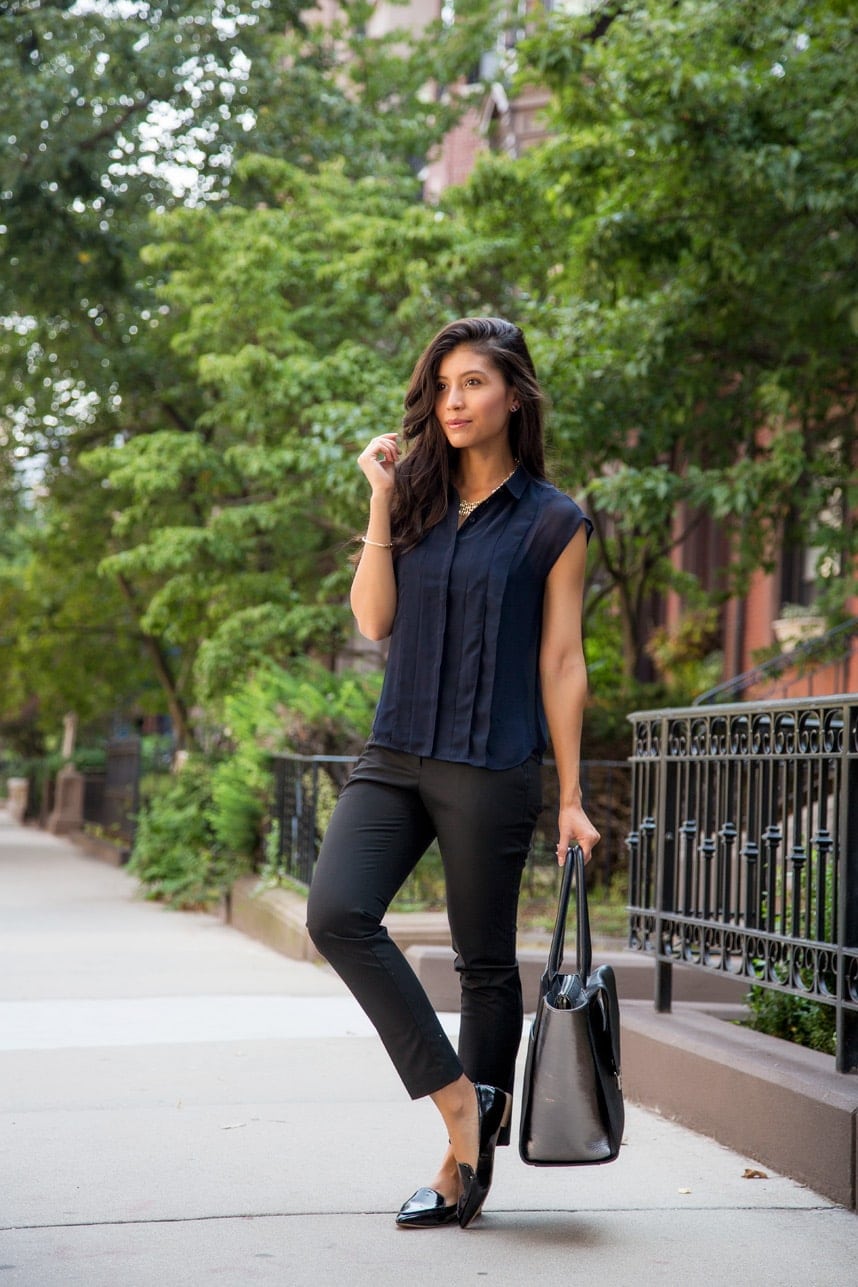
- Closed-toe shoes like flats, loafers, or low heels
Clothing should be clean, wrinkle-free, and well-fitting. Patterns and colors can be used, but loud or flashy choices are best avoided.
Core Pieces Of A Business Casual Wardrobe
Building a business casual wardrobe doesn’t mean buying an entirely new closet. Instead, focus on versatile pieces that can be mixed and matched. Here are the main staples you should consider:
Dress Pants And Skirts
Dress pants are the backbone of most business casual wardrobes. Look for mid- or high-rise, straight or slightly tapered styles in neutral colors like black, navy, gray, or beige. Avoid overly tight or baggy fits.
Skirts can be a great option, especially knee-length or midi styles. Pencil skirts, A-line skirts, and soft pleated skirts all work well. Make sure the skirt is not too short or too tight, and avoid anything with excessive slits or flashy details.
Dresses
Sheath, shift, and wrap dresses are popular for business casual. A simple dress in a solid color or subtle print can look very professional when paired with a cardigan or blazer. Pay attention to the neckline and length—nothing too low-cut or above the knee.
Blouses And Tops
Choose blouses, shirts, and knit tops made from soft, non-clingy fabrics. Button-down shirts, silk blouses, and even tidy polos can be business casual. Avoid T-shirts, crop tops, and tops with large logos or graphics.
Light sweaters and cardigans are useful for layering, especially in air-conditioned offices.
Blazers And Cardigans
A blazer instantly adds a professional touch. Navy, black, or gray are classic, but soft colors work too. Cardigans offer a softer, more relaxed alternative.
Shoes
Closed-toe flats, loafers, low-to-mid heels, and classic pumps are all business casual. Avoid flip-flops, sneakers (unless specifically allowed), and very high heels.
Accessories
Accessories can express your style but should not be distracting. A simple watch, stud earrings, or a delicate necklace are good choices. Avoid large, noisy jewelry or flashy bags.
Business Casual Vs. Other Dress Codes
It’s easy to confuse business casual with other common dress codes. Here’s a quick comparison to help you see the differences:
| Dress Code | Main Features | Typical Outfits |
|---|---|---|
| Formal Business | Very structured, conservative, often a suit required | Pant/skirt suit, button-up shirt, closed-toe heels |
| Business Casual | Relaxed but professional, more color/pattern allowed | Dress pants/skirt, blouse, cardigan or blazer |
| Smart Casual | Mix of smart and casual, more fashion-forward | Neat jeans, stylish top, flats or booties |
| Casual | Comfort-focused, few restrictions | Jeans, T-shirts, sneakers, sandals |
Do’s And Don’ts Of Business Casual For Women
Knowing what to wear is important, but knowing what to avoid is just as critical. Here are some key guidelines:
What To Wear
- Tailored pants or skirts in neutral colors
- Blouses with modest necklines
- Knit tops or lightweight sweaters
- Cardigans or blazers for layering
- Closed-toe shoes
- Simple accessories
What To Avoid
- Jeans (unless your company specifically allows them)
- Shorts or miniskirts
- Tank tops, spaghetti straps, or crop tops
- Flip-flops or very casual sandals
- Loud prints or neon colors
- Clothing that is too tight, sheer, or revealing
Seasonal Business Casual Tips
Business casual style needs to adjust with the weather. Here’s how to stay comfortable and professional all year round.
Spring And Summer
- Choose lightweight fabrics like cotton, linen, or blends
- Lighter colors can look fresh but avoid see-through materials
- Sleeveless tops are sometimes okay if straps are wide and the style is modest
- Loafers, ballet flats, or low-heeled sandals (if open-toe shoes are allowed)
- Bring a light cardigan or blazer for air-conditioned offices
Fall And Winter
- Layer with blazers, heavier cardigans, or tailored jackets
- Wool or polyester-blend pants keep you warm
- Knee-length boots can be professional if they are clean and classic
- Darker, richer colors like burgundy, navy, and emerald work well
- Use scarves for both warmth and style
How To Build A Business Casual Wardrobe On A Budget
You do not need to spend a fortune to look professional. With careful planning, you can build a strong business casual wardrobe without overspending.
- Start with the basics. Buy a few pairs of neutral pants or skirts, a couple of blouses, and a cardigan or blazer.
- Mix and match. Choose items that work together in different combinations.
- Shop smart. Look for sales, outlet stores, and online deals. Quality over quantity matters—a few well-made pieces last longer than many cheap ones.
- Accessorize. A scarf or a necklace can refresh an outfit without much cost.
- Tailoring. Sometimes, inexpensive clothes look much better after minor adjustments.
Here is a sample starter wardrobe that can make at least ten different business casual looks:
| Item | Suggested Number | Why It Works |
|---|---|---|
| Dress Pants | 2-3 pairs | Neutral colors, easy to match |
| Skirt | 1-2 | Gives variety, pairs with many tops |
| Blouses/Tops | 3-4 | Mix of colors/patterns |
| Cardigan/Blazer | 1-2 | For layering, adds polish |
| Dress | 1 | Easy, one-piece option |
| Shoes | 2 pairs | Flats and low heels cover most needs |
Dressing For Your Body Type
Business casual is not one-size-fits-all. Clothes that fit well and flatter your shape will always look more professional than expensive items that don’t suit your body.
- Petite women: Look for ankle-length pants, fitted blazers, and small prints. Avoid very long skirts or oversized tops.
- Tall women: Midi skirts, wide-leg pants, and long cardigans work well. Make sure sleeves and pants are long enough.
- Curvy figures: Wrap dresses, A-line skirts, and structured jackets flatter curves. Avoid clingy fabrics or anything too boxy.
Don’t be afraid to try different styles until you find what works for you. Tailoring can also help achieve the perfect fit.
Common Mistakes In Business Casual Dressing
Even experienced professionals sometimes make mistakes with business casual. Here are some common errors and how to avoid them:
- Too casual: Jeans, sneakers, or T-shirts rarely fit the business casual standard unless your office is very relaxed. When in doubt, dress a bit more formally.
- Over-accessorizing: Big earrings, chunky necklaces, and loud prints can look unprofessional. Keep accessories simple.
- Ignoring company culture: Every workplace is a little different. Notice what managers and respected coworkers wear.
- Neglecting grooming: Clean, tidy hair, and minimal makeup (if any) are part of a professional look.
- Wearing ill-fitting clothes: Baggy or too-tight outfits appear sloppy, even if they are expensive.
Credit: stylishlyme.com
How Company Culture Shapes Business Casual
Business casual for women is not the same everywhere. The dress code depends a lot on the company’s culture, the industry, and sometimes even the city.
- Finance and law: Usually more conservative—think tailored pants, blazers, and muted colors.
- Tech and creative fields: Often more relaxed. Dark jeans, simple tops, and casual flats may be fine.
- Education and healthcare offices: Comfort is important, but neatness still matters.
If you are new to a company, observe what others wear or ask HR for examples. Remember, it's better to be a little overdressed at first—you can always adjust later.
Trends In Business Casual Women’s Fashion
Business casual has evolved over time. Here are some recent trends that are influencing what women wear to work:
- Soft tailoring: Looser blazers, wide-leg pants, and relaxed fits are replacing stiff, structured clothing.
- Eco-friendly fabrics: More brands offer sustainable materials like organic cotton or bamboo.
- Bold colors and prints: While classic neutrals are still safe, some offices welcome soft patterns and pastel shades.
- Comfort-first shoes: Stylish flats, loafers, and even some sneakers (if allowed) are becoming more popular.
- Layering: Cardigans, lightweight jackets, and scarves help adapt to changing temperatures in modern offices.
Fashion always changes, but the basics of business casual—neat, modest, and professional—remain the same.
Business Casual For Special Situations
Some events or situations in the workplace call for special attention to your business casual look.
Interviews
Dress slightly more formal than you expect the office standard to be. A tailored pant or skirt, blouse, and blazer are usually safe. Avoid loud colors or patterns.
Client Meetings
If you are meeting with clients, especially for the first time, dress on the more formal side. This shows respect and professionalism.
Casual Fridays
Many companies relax the rules on Fridays. You might be allowed to wear dark jeans or more casual shoes, but keep the rest of your outfit polished.
How To Ask About Dress Codes
If you are ever unsure, it’s completely fine to ask HR or your manager about what’s expected. You can also look at the company’s official handbook or policies. Some organizations give clear examples, while others simply expect “good judgment. ”
When traveling for work or visiting another office, double-check if the dress code is different. Adapting to local standards shows awareness and respect.
Adapting Business Casual For Remote Work
With more people working from home, the meaning of business casual is changing. Even on video calls, it’s still important to look neat and professional.
- Choose tops with collars, cardigans, or structured shoulders for video meetings.
- Solid colors look better on camera than busy patterns.
- Even if you wear jeans or leggings off-camera, keep your top half business-appropriate.
- Good grooming and a tidy background matter.
Remote work might be more relaxed, but dressing well can help you feel focused and confident.
Global Differences In Business Casual
Business casual is not the same everywhere in the world. For example, what counts as business casual in the US might be too relaxed in Japan or too formal in parts of Europe. When working with global teams or traveling, research the local dress code.
In many Asian cultures, conservative dress is preferred—longer skirts, higher necklines, and less skin showing. In some European offices, fashion is more important, and stylish details are encouraged. When in doubt, choose simple, modest outfits.
For more on global business dress standards, see the guide from Wikipedia.

Credit: www.wikihow.com
Why Does Business Casual Matter?
You might wonder if it’s worth putting so much thought into what you wear. Studies show that dressing well at work has real benefits:
- Confidence boost: Wearing professional clothing can help you feel more focused and powerful.
- Career impact: First impressions count. Dressing well can help you be taken more seriously.
- Respect for others: Neat, appropriate clothing shows you respect your colleagues and the workplace.
According to a survey from OfficeTeam, 80% of managers say clothing choices can affect an employee’s chances for promotion. Even if your company is relaxed, business casual is a safe way to show you care about your job.
The Future Of Business Casual For Women
As workplaces become more diverse and flexible, business casual will keep changing. The trend is moving toward more comfort, more personal style, and more choice. However, the basics—neatness, modesty, and professionalism—will always matter.
If you focus on fit, fabric, and your company culture, you can’t go wrong. Remember, business casual is not about hiding your personality. It’s about expressing it in a way that fits your professional goals.

Credit: www.rd.com
Frequently Asked Questions
What Are Examples Of Business Casual Outfits For Women?
A typical business casual outfit for women could include tailored pants, a modest blouse, and closed-toe flats. A knee-length skirt with a cardigan and simple jewelry also fits. A sheath dress with a blazer works well for meetings.
Can Women Wear Jeans As Business Casual?
It depends on the company. In some offices, dark, neat jeans without rips are allowed, especially on Fridays. In more formal workplaces, jeans are not considered business casual. Always check your company’s dress code.
Are Open-toe Shoes Considered Business Casual?
Open-toe shoes like peep-toe heels or dressy sandals may be allowed in some workplaces, especially in summer. However, many offices prefer closed-toe shoes. Avoid flip-flops or casual sandals.
How Can I Add Personality To A Business Casual Outfit?
You can add personality with subtle prints, colorful scarves, or unique jewelry. Just keep accessories simple and avoid anything too flashy. A patterned blouse or a bright handbag can also show your style.
What Is The Difference Between Smart Casual And Business Casual?
Smart casual is even more relaxed than business casual and may include stylish jeans, fashion-forward tops, and trendy shoes. Business casual is more traditional and always looks professional, with tailored pants or skirts and more conservative shoes.
Creating a business casual wardrobe for women is about balance—polish and comfort, tradition and style. With a few key pieces and an understanding of your office culture, you can feel confident and look professional every day.
