

Is All Black Business Casual? Style Tips for a Sleek Look
Is All Black Business Casual
Few outfits are as striking as all black. This color choice feels powerful and simple. But one question often comes up—is all black business casual? The answer isn’t always clear. Some people see all black as sleek and professional, while others worry it might look too formal or even somber. If you are thinking about wearing all black to work, you need to know how it fits into the world of business casual.
Every workplace is different. Dress codes change depending on the company, the industry, and even the region. What is business casual in one office may be too formal or too relaxed in another. This article will help you understand how all black fits into business casual, when it works, and how to wear it well.
You’ll learn about color psychology, style details, and practical tips for creating a professional look. With this guide, you can feel confident about your all black outfit—no matter where you work.
Understanding Business Casual
The term business casual can be confusing. It doesn’t mean the same thing everywhere. Let’s start by breaking down what business casual usually means.
Business casual is a mix of formal and relaxed styles. You don’t need to wear a full suit and tie, but you should avoid jeans, sneakers, and T-shirts. The goal is to look polished but not stiff. Common business casual items include:
- Button-down shirts
- Dress pants or slacks
- Blouses
- Skirts (knee length or longer)
- Cardigans
- Loafers or dress shoes
Some offices allow dark jeans, but others don’t. Jackets and blazers are optional, not required.
Key Factors Of Business Casual
- Neatness: Clothes must be clean and pressed.
- Fit: Not too tight or baggy.
- Colors: Usually neutral or muted. Bright colors are rare, but not forbidden.
- Accessories: Simple, not flashy.
Business casual is meant to be comfortable and professional. It bridges the gap between formal business attire and everyday wear.
Business Casual Vs. Formal
To help compare, here’s a simple table:
| Business Casual | Formal Business |
|---|---|
| Button-down shirt, dress pants, no tie | Suit, tie, dress shirt |
| Knee-length skirt, blouse | Pant suit or skirt suit |
| Loafers, flats | Oxfords, heels |
| Muted colors, simple patterns | Mostly dark colors, solids |
Business casual is less strict than formal business attire. It allows more freedom, but still expects a neat, professional appearance.
The Power Of All Black
All black outfits stand out for a reason. Black is a color often linked to elegance, power, and seriousness. In fashion, black is known for being slimming and versatile. Many people wear black because it feels safe and easy to match.
Why People Wear All Black
- Easy to coordinate: No worries about matching colors.
- Sleek and stylish: Black is always in style.
- Professional look: Many see black as a safe choice for work.
- Slimming effect: Black can make you look taller and slimmer.
Some famous designers wear only black. Steve Jobs, Karl Lagerfeld, and others are known for their all black wardrobes. Black is also the go-to color for many creative industries.
Psychological Effects Of Black
Black sends certain signals:
- Authority: People often see black as strong and serious.
- Mystery: Black can look mysterious or dramatic.
- Formality: Black is common for formal events.
But black can also seem cold or distant if not styled carefully. In some cultures, black is linked to mourning. That’s why it’s important to use accessories, textures, and fit to make your all black outfit feel inviting.
Is All Black Business Casual?
Now to the big question: Can all black be business casual? The answer depends on three things:
- Workplace culture
- Style details
- Personal presentation
Let’s break down each point.
Workplace Culture
Some companies are strict about business casual. Others are relaxed. In creative fields (like design, media, or tech), all black is common and often seen as stylish. In more traditional fields (like law, finance), all black may look too formal.
It could even seem gloomy.
If you’re unsure, look at what your colleagues wear. If you see all black outfits, you’re probably safe. If not, try adding one or two black pieces instead of going full black.
Style Details
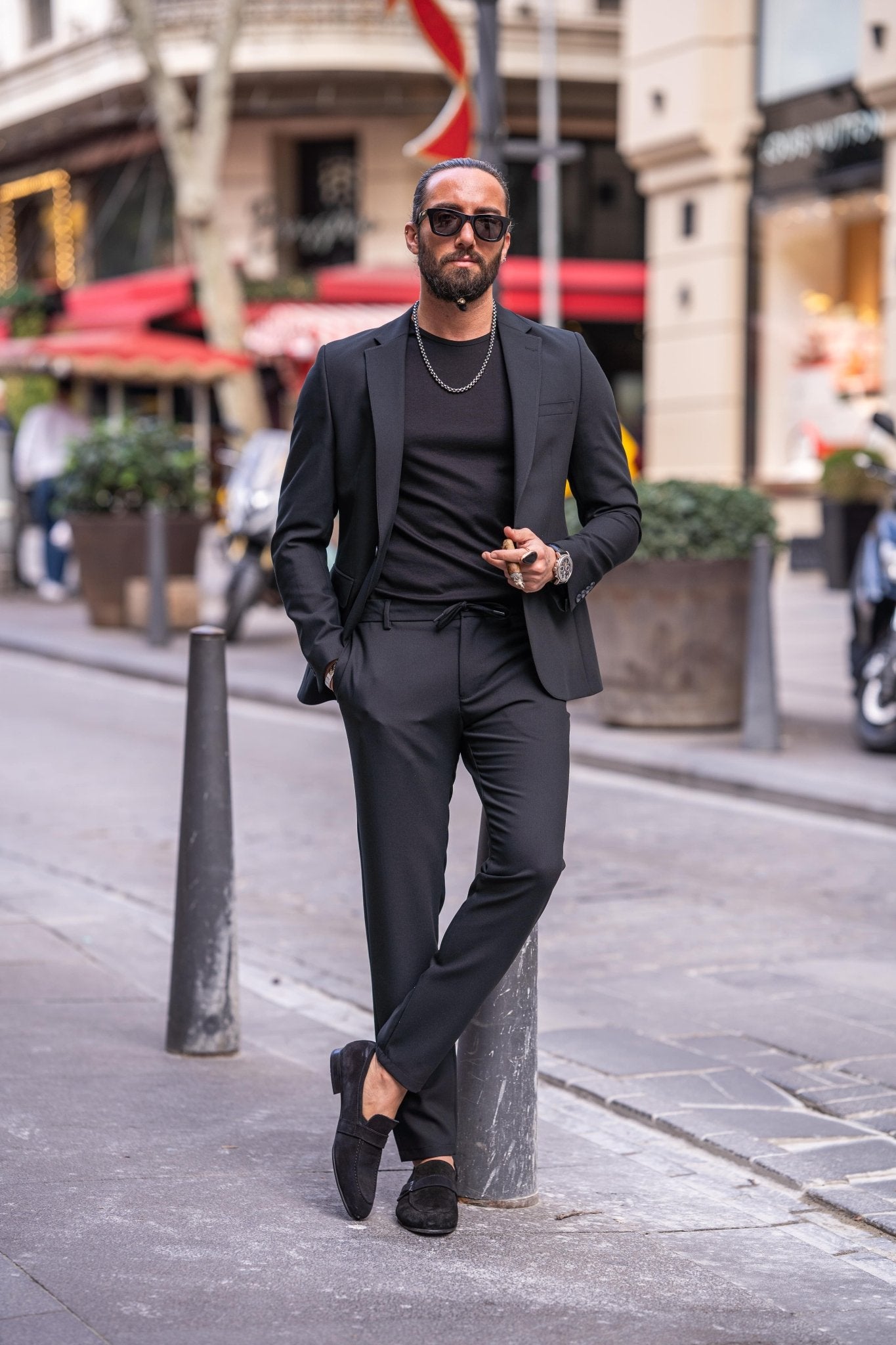
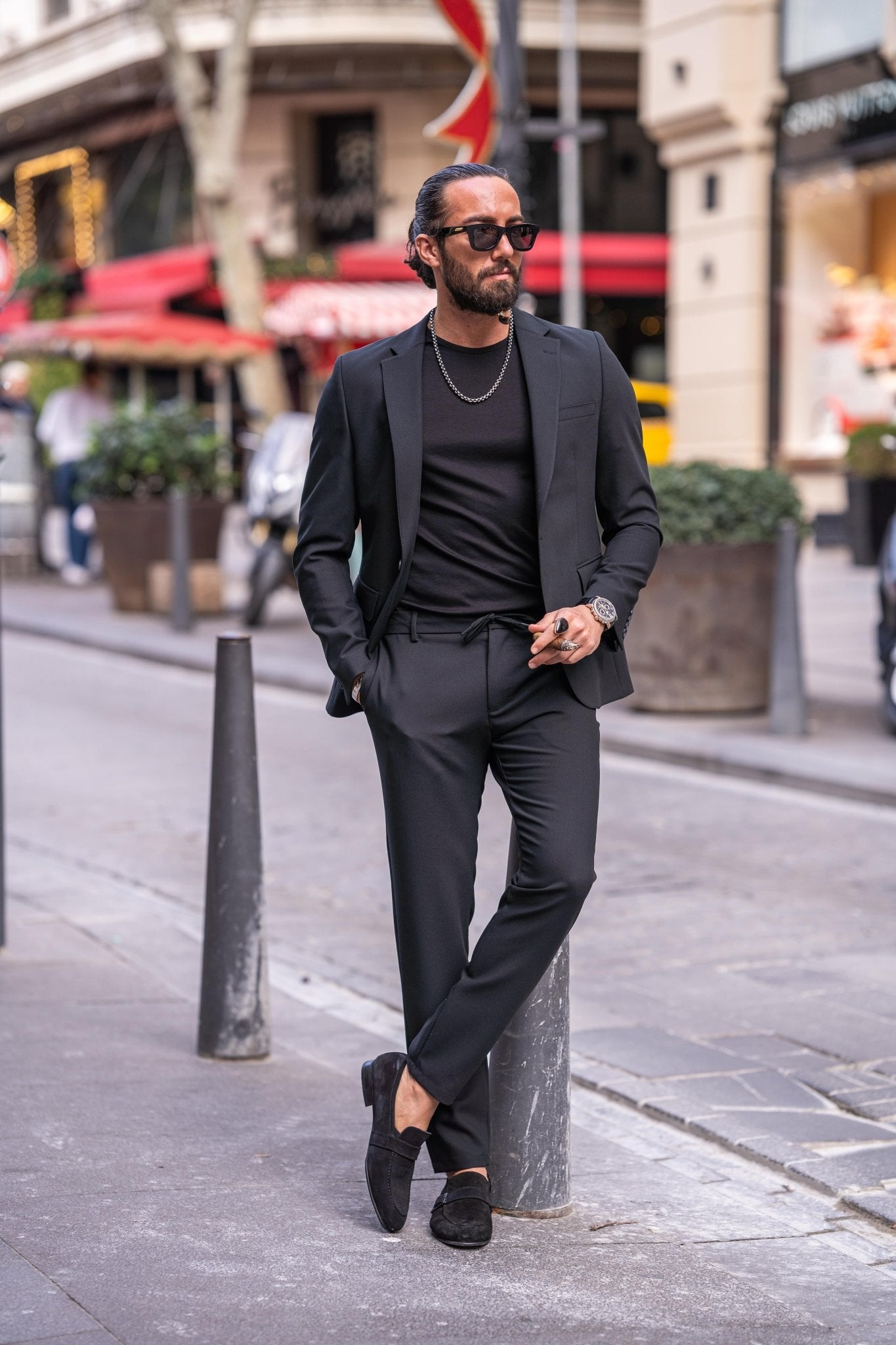
All black is not just about color—it’s about style. If you wear black dress pants, a black shirt, and black shoes, but the fit is relaxed and the fabrics are casual (like cotton or knit), you can look business casual.
But if your outfit is sharp, structured, and made of formal fabrics (like wool or silk), it may look more formal.
Here’s a comparison table to show the difference:
| All Black Business Casual | All Black Formal |
|---|---|
| Black cotton chinos, black knit sweater | Black wool suit, black dress shirt |
| Black loafers, minimal accessories | Black leather dress shoes, silk tie |
| Relaxed fit, simple styling | Tailored fit, sharp lines |
| No tie, casual blazer (optional) | Tie, matching formal jacket |
Choosing the right fabrics and fit makes all black work for business casual.
Personal Presentation
Your attitude and grooming also matter. Even the best outfit can look sloppy if not cared for. Make sure your clothes are clean, pressed, and free of lint. Good posture and confidence help you look professional.
How To Style All Black For Business Casual
If you want to wear all black at work, follow these practical steps:
1. Mix Textures
Wearing all black can look flat if you use only one fabric. Try combining different textures:
- Cotton shirt with wool pants
- Knit sweater with smooth trousers
- Matte shoes with a shiny belt
This adds depth and interest to your outfit.
2. Add Simple Accessories
Accessories can break up the black and make your look more inviting. Consider:
- Silver or gold watch
- Leather belt
- Subtle earrings or cufflinks
Avoid flashy or oversized accessories. Keep it simple.
3. Choose Relaxed Styles
Select business casual pieces:
- Black chinos instead of dress pants
- Black polo or knit sweater instead of a dress shirt
- Casual black loafers instead of formal shoes
This helps soften the formal vibe of all black.
4. Pay Attention To Fit
Fit is key. Clothes that are too tight or too loose look unprofessional. Aim for a comfortable, tailored fit.
5. Keep It Clean
Black shows lint and dust easily. Use a lint roller before leaving home. Make sure your clothes are wrinkle-free.
Example Outfit For Men
- Black cotton chinos
- Black polo shirt
- Black loafers
- Simple black belt
Example Outfit For Women
- Black knee-length skirt
- Black blouse
- Black flats
- Subtle silver necklace
These outfits look professional, comfortable, and business casual.
When All Black May Not Work
There are times when all black is not the best choice for business casual. Here are some situations to consider:
1. Very Formal Offices
If your office expects traditional business attire, all black can look too formal. It may be seen as a suit, which is not business casual.
2. Creative Vs. Corporate
In creative fields, all black is normal. In corporate, it can look out of place. Check your office culture.
3. Summer Or Hot Weather
All black can feel too heavy in warm climates. Consider lighter fabrics or mix black with other colors.
4. Special Events
For interviews, presentations, or meetings with clients, all black may seem too strong or serious. Adding a color can soften your look.
5. Cultural Sensitivity
In some cultures, black is linked to mourning or sadness. If your office is international, check if all black is appropriate.
The Role Of Color In Business Casual
Color plays a big part in business casual. Most offices prefer neutral colors—gray, navy, beige, white, and soft pastels. These colors feel safe and friendly.
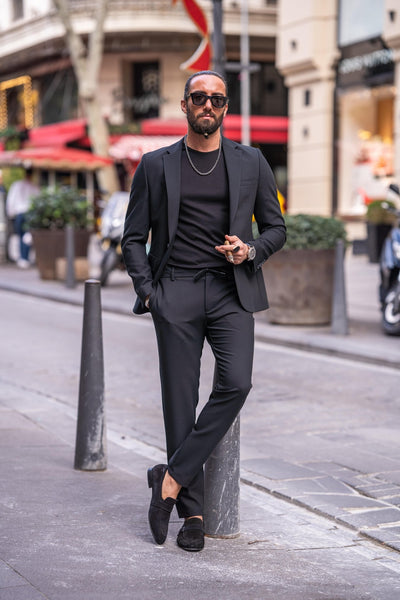
But black is also a neutral color. It’s often used for pants, skirts, shoes, and blazers. Wearing all black is unusual, but not forbidden.
How Black Compares To Other Colors
Here’s a simple table to show how black fits into business casual:
| Color | Business Casual Usage | Perception |
|---|---|---|
| Black | Pants, skirts, shoes, blazers | Elegant, serious, slimming |
| Gray | Suits, pants, sweaters | Neutral, calm, flexible |
| Navy | Suits, shirts, dresses | Professional, trustworthy |
| Beige | Pants, jackets, shoes | Warm, relaxed |
| White | Shirts, blouses | Clean, fresh, formal |
Black is seen as more formal than other business casual colors. But the right styling can make it fit well.
Credit: www.hollomen.com
Real Life Examples
Let’s look at some real life examples to see how all black works in business casual settings.
Creative Agency
Employees at creative agencies often wear all black. Designers, photographers, and writers like the simple, modern feel. They mix black jeans with black sweaters and black boots. The dress code is relaxed, so all black fits right in.
Tech Startup
Tech startups are known for casual dress codes. You’ll see people in black T-shirts, black hoodies, and black sneakers. As long as the outfit is neat, all black is accepted.
Corporate Office
In a corporate setting, all black is less common. You’ll see black pants and black shoes, but usually paired with a light-colored shirt or blouse. When someone wears all black, it often stands out.
Retail Or Hospitality
Retail workers sometimes wear all black uniforms. This is for practical reasons—black hides stains and looks neat. In hospitality, all black is used for wait staff, bartenders, and event workers.
All Black Business Casual: Pros And Cons
If you are thinking about wearing all black to work, consider the pros and cons.
Pros
- Easy to match
- Slimming and stylish
- Professional look
- Works in creative fields
- Hides stains and marks
Cons
- Can seem too formal
- May look flat or boring
- Shows lint and dust easily
- Not always accepted in corporate offices
- Can feel heavy in warm weather
Common Mistakes With All Black Business Casual
Many people make simple mistakes when wearing all black. Here’s how to avoid them:
- Ignoring texture: Using only one fabric makes your outfit look flat. Mix textures.
- Poor fit: Baggy or tight clothes ruin the look.
- Skipping accessories: Simple accessories add interest.
- Not checking dress code: Always check your company rules.
- Neglecting grooming: Lint, wrinkles, and dust show more on black.
By paying attention to these details, you can make all black work for business casual.
Practical Tips For Wearing All Black
Here are some actionable tips to help you wear all black in a business casual way:
- Choose comfortable, relaxed pieces like chinos, knit shirts, or casual blazers.
- Mix textures—cotton, wool, leather, and knit add depth.
- Use simple accessories to break up the look.
- Check your company dress code and observe what others wear.
- Use a lint roller before leaving home.
- Avoid shiny fabrics unless you want a more formal look.
- Consider adding one accent color (like a scarf or watch) if you feel all black is too strong.
Non-obvious Insights
Most beginners miss two important points:
- Black can fade: Over time, black clothes lose their deep color. Make sure all your black pieces match in tone. If one shirt looks faded, it can ruin the polished look.
- Lighting matters: Office lighting can make black look harsh or highlight wrinkles. Try your outfit under different lights before wearing it to work.
Also, some people don’t realize that black shoes and belts need regular polishing. Scuffed shoes or worn belts stand out more in an all black outfit.
All Black For Different Body Types
All black is famous for its slimming effect. But it’s not magic. If you want to use all black to look slimmer, pay attention to fit and proportions. For example:
- Tall people: All black can make you look even taller. Try breaking up the look with a belt or accessories.
- Short people: All black can help elongate your shape. Choose high-waisted pants or skirts.
- Curvy people: Tailored fits work best. Avoid oversized clothes.
Black is versatile, but it’s not a one-size-fits-all solution. Experiment with different styles to find what works for you.
All Black For Men And Women
Both men and women can wear all black business casual. The rules are similar—focus on fit, texture, and accessories.
For Men
- Black chinos or trousers
- Black polo or sweater
- Black loafers or dress shoes
- Simple watch or belt
For Women
- Black skirt or pants
- Black blouse or sweater
- Black flats or low heels
- Minimal jewelry
Women can add a scarf, necklace, or earrings for interest. Men can choose a sleek watch or belt.
All Black In Different Seasons
All black can work in any season, but you need to adapt your fabrics.
Winter
- Wool pants
- Knit sweaters
- Leather shoes
Summer
- Cotton shirts
- Linen pants
- Lightweight loafers
In hot weather, avoid heavy fabrics. In cold weather, layer with black coats or scarves.
Credit: www.hollomen.com
What To Avoid With All Black Business Casual
Some things don’t work with all black business casual:
- Athletic wear (black joggers, hoodies, sneakers)
- Overly shiny fabrics
- Excessive accessories
- Graphic prints or logos
- Jeans (unless allowed by your company)
Stick to simple, tailored pieces for a polished look.
How To Introduce All Black At Work
If you’re new to all black, start small. Try one or two black pieces—pants, shoes, or a blazer. If you feel comfortable and your coworkers accept it, add more black items over time.
Observe how others react. If your manager or HR says nothing, you’re probably safe. If someone comments, ask for feedback.
Credit: www.hollomen.com
How All Black Impacts First Impressions
First impressions matter. All black can make you look:
- Confident
- Serious
- Stylish
But it can also seem:
- Reserved
- Formal
- Unfriendly
If you’re meeting new people, consider adding a soft color or accessory. Smile and use open body language to balance the strong look.
Data And Statistics
According to a study by the Society for Human Resource Management, over half of US offices use business casual dress codes. Black is one of the most common colors for pants and shoes. Creative industries report higher rates of all black outfits compared to corporate settings.
A survey by LinkedIn found that 31% of professionals feel more confident in black clothing. However, only 7% wear all black regularly to work. Most prefer mixing black with other colors.
For more data on workplace dress codes, check SHRM’s official guidelines.
Frequently Asked Questions
Is All Black Business Casual For Interviews?
All black can look too formal or serious for interviews. It’s better to mix black with a lighter color, like a white shirt or beige blazer. This feels more friendly and balanced.
Can I Wear All Black In A Creative Workplace?
Yes, creative workplaces often accept all black. Designers, artists, and tech workers like the modern, simple look. Make sure your outfit is neat and fits well.
What Fabrics Should I Choose For All Black Business Casual?
Stick to cotton, wool, knit, or linen. Avoid shiny fabrics like silk unless you want a more formal look. Mixing textures helps add interest.
How Do I Keep Black Clothes Looking New?
Wash black clothes inside out, use cold water, and avoid direct sunlight. Use a lint roller often. Buy quality black pieces so they fade less over time.
Are Black Jeans Considered Business Casual?
Some offices allow black jeans if they are clean and have no rips. Others don’t. Check your company dress code before wearing black jeans to work.
All black can be business casual if styled correctly and matched to your workplace. With attention to fit, fabric, and accessories, you can create a professional and comfortable look. Remember, business casual is about balance—looking polished without being too formal.
If you follow these tips, you’ll feel confident in your all black outfit and make a strong impression at work.
