

Is Activewear And Swimwear the Same? Key Differences Explained
Is Activewear And Swimwear The Same
Active lifestyles have changed the way we dress. Today, you see people wearing leggings in coffee shops, yoga pants on airplanes, or swimsuits under shorts at the beach. The rise of activewear and swimwear has blurred the lines between sports, leisure, and fashion. But many ask: is activewear and swimwear the same? If you have ever wondered about this, you are not alone.
People often think that any sporty, stretchy clothing is interchangeable. After all, both categories seem designed for movement and comfort. Some activewear brands even sell pieces that look a lot like swimsuits, and vice versa. However, there are important differences between activewear and swimwear.
These differences affect comfort, performance, health, and style.
Let’s break down what makes each category unique, why it matters, and how to choose the right gear for your activities.
What Is Activewear?
Activewear is clothing made for physical activities like running, yoga, gym workouts, cycling, or even hiking. The main goal of activewear is to support the body during movement, provide comfort, and sometimes even enhance performance. It is also designed to look good before, during, and after a workout.
Common examples of activewear include:
- Leggings
- Yoga pants
- Sports bras
- Athletic shorts
- Compression shirts
- Tracksuits
- Tank tops
- Base layers
Key Features Of Activewear
Activewear is made to help you feel good while you move. Here are some typical features:
- Stretchy fabrics like polyester or spandex
- Moisture-wicking ability to keep you dry
- Breathability to prevent overheating
- Lightweight construction for easy movement
- Flat seams or seamless designs to avoid irritation
- Supportive elements such as wide waistbands or built-in bras
Activewear is designed with many sports in mind, not just one. For example, a pair of leggings can be used for running, stretching, or even worn as casual wear.
Design And Style
Activewear often comes in bold colors, trendy prints, and modern cuts. Many pieces are made to transition from the gym to everyday life. This is why you might see people wearing activewear at brunch or while running errands. The focus is on style, comfort, and function.
What Is Swimwear?
Swimwear is clothing made for water activities like swimming, diving, surfing, water polo, or sunbathing. The main purpose of swimwear is to stay comfortable in water, move easily, and dry quickly after getting wet. Unlike activewear, swimwear must handle the unique challenges of water, salt, chlorine, and sun exposure.
Typical swimwear items include:
- One-piece swimsuits
- Bikinis
- Swim trunks
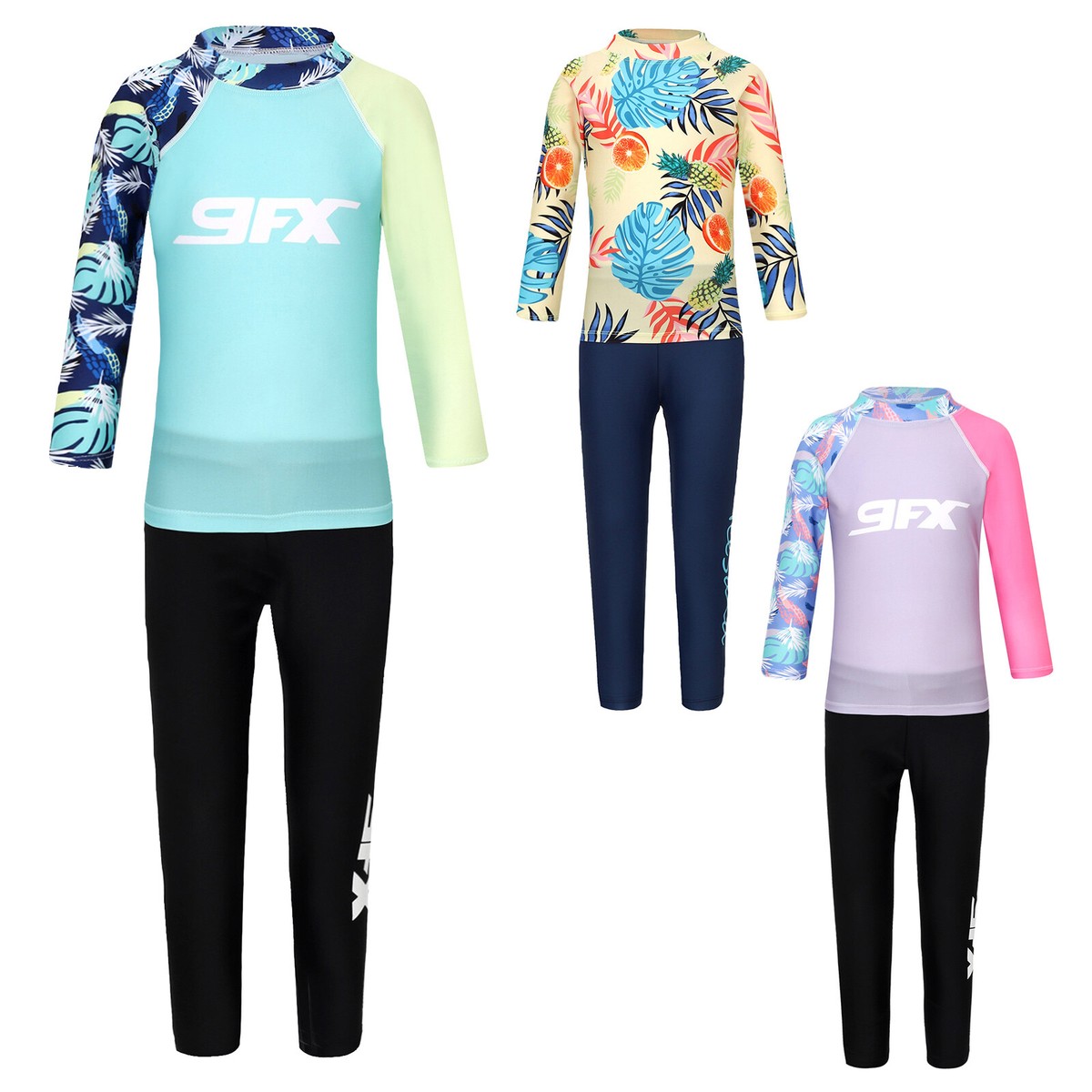
- Rash guards
- Swim briefs
- Board shorts
- Swim caps
Key Features Of Swimwear
Swimwear must work well both in and out of water. Here are some main features:
- Water-resistant or quick-drying materials (nylon, polyester, Lycra)
- Chlorine and salt resistance to prevent fading or wear
- Snug fit to reduce drag in water
- Minimal seams for less friction
- UV protection in some fabrics
- Secure straps or ties to stay in place while swimming
Swimwear is often designed with specific water sports in mind. For example, competitive swimsuits are very tight and aerodynamic, while surf shorts are looser for easy movement on a board.
Design And Style
Swimwear comes in many shapes and colors. Some are made for performance, with simple, streamlined designs. Others are made for style, with bold prints, cutouts, or decorative elements. Fashion swimwear is popular for the beach or poolside lounging, while performance swimwear is best for athletes.
Key Differences Between Activewear And Swimwear
To understand if activewear and swimwear are the same, it helps to compare them directly. Here’s a side-by-side look at the main differences:
| Feature | Activewear | Swimwear |
|---|---|---|
| Main Purpose | Land-based physical activity | Water-based activity |
| Material | Polyester, spandex, cotton blends | Nylon, polyester, Lycra (water-resistant) |
| Fit | Flexible, may be relaxed or tight | Snug to prevent drag |
| Moisture Control | Wicks sweat from skin | Repels and dries water quickly |
| Sun/Chlorine Resistance | Usually not resistant | Often treated for resistance |
| Use Outside Activity | Often worn casually | Usually not for casual wear |
Material Technology
One of the biggest differences is in fabric technology. Swimwear must resist water, chlorine, and salt. If you wear regular activewear in a pool, it will soak up water, become heavy, and may lose shape. Swimwear, on the other hand, dries fast and keeps its fit.
Activewear fabrics focus on breathability and sweat wicking, not water resistance. This is why you can sweat in leggings without discomfort, but they will feel soggy and uncomfortable in a pool.
Construction And Comfort
Swimwear must stay in place in moving water. This means tighter fits, reinforced stitching, and secure straps. Activewear can be more relaxed because it does not have to fight against water pressure.
Durability
Swimwear is built to last longer in harsh conditions like chlorine pools or saltwater. Activewear, if used in these settings, will break down quickly. The colors may fade, and elastic fibers can weaken.
Style And Versatility
Activewear is often more versatile for everyday life. Swimwear is usually reserved for the pool, beach, or water sports. Wearing swimwear as daily clothing is rare unless you live at the beach.
Can You Use Activewear As Swimwear?
This question comes up often. Many people wonder if they can wear their favorite leggings or sports bras to the pool or ocean.
Occasional Water Use
Some activewear, especially from brands that blend fitness and swim styles, can handle brief water exposure. For example, a high-quality sports bra may be okay for a quick dip. However, most activewear will absorb water, become heavy, and stretch out.
It will also dry slowly, making it uncomfortable.
Risks To Clothing
Using activewear in water can:
- Damage the fabric (stretching, fading, sagging)
- Weaken elastic fibers
- Trap water and bacteria, leading to odor
Skin Health
Because activewear is not designed for water, it may rub or chafe more when wet. This can irritate your skin, especially if you swim for a long time. Also, slow-drying fabrics can increase the risk of skin infections.
Exception: Hybrid Garments
Some brands now make “hybrid” pieces that are safe for both land and water. These are usually labeled as such and use special materials. Always check the care label or product description to be sure.
Can You Use Swimwear As Activewear?
What about the other way around? Can you wear your swimsuit to the gym or on a run?
Limited Use
Swimwear is made for water, not land. It may work in some cases, such as:
- Under shorts for beach volleyball
- Layered as a bodysuit under other clothing
- Quick workouts near water
But for most land-based activities, swimwear lacks support, coverage, and sweat management. For example, a bikini top may not give enough support for running or HIIT workouts.
Comfort And Function
Swimwear can feel restrictive or slippery when you sweat. Most pieces do not wick sweat away from your skin, which can lead to discomfort or even rashes.
Style And Social Norms
Wearing swimwear as casual clothing is less common, except at beach towns or resorts. In many places, it may be considered too revealing for public settings outside the pool or beach.
Why The Confusion?
So why do people confuse the two? There are a few reasons:
1. Fashion Trends
Athleisure and swim fashion have become popular, with designers making pieces that look similar. Crop tops, high-waisted bottoms, and bold prints appear in both categories.
2. Marketing And Branding
Some brands use the same models, colors, and styles for both activewear and swimwear collections. This blurs the line for shoppers.
3. Fabric Similarities
Both use stretchy materials like spandex or Lycra, which feel similar to the touch.
4. Lifestyle Changes
People want clothing that transitions from one activity to another, so brands create items that “look” versatile, even if their function is different.
5. Lack Of Education
Many shoppers do not know the technical differences or why they matter.
How To Choose The Right Gear
Choosing the right clothing can affect your performance, comfort, and even health. Here’s how to make a smart choice:
1. Consider Your Activity
- For swimming, surfing, or pool sports, always choose swimwear.
- For running, gym, yoga, or hiking, go with activewear.
2. Check The Label
Look for terms like:
- Chlorine-resistant
- UV protection
- Moisture-wicking
- Quick-dry
- Compression
The label tells you what the garment was made for.
3. Pay Attention To Fit
- Swimwear should fit snugly, but not cut into your skin.
- Activewear should feel comfortable and allow free movement.
4. Think About Durability
If you plan to be in the water often, invest in high-quality swimwear with reinforced seams and fade-resistant fabrics.
5. Comfort And Health
Never wear wet activewear for long periods, as it can trap bacteria. Choose swimwear with lining and flat seams for less irritation.
6. Style And Modesty
Pick what makes you feel confident and comfortable. Some swimwear has more coverage, while some activewear doubles as casual wear.
Common Mistakes People Make
Knowing the differences helps you avoid mistakes. Here are some pitfalls:
1. Wearing Cotton In Water
Cotton absorbs water, becomes heavy, and dries slowly. It can cause chafing and discomfort.
2. Using Activewear As Swimwear
This can stretch out your clothes and lead to wardrobe malfunctions.
3. Choosing The Wrong Size
Swimwear that is too loose can slip off, while activewear that is too tight can restrict movement.
4. Ignoring Care Instructions
Both types of clothing need special care. Swimwear should be rinsed after each use to remove chlorine or salt.
5. Not Considering Support
For high-impact sports, choose activewear with enough support. Most swimwear is not designed for running or jumping.

Credit: sewingforaliving.com
Examples Of When To Wear Each
To make it clearer, here are everyday situations and what works best.
Running On The Beach
- Activewear: Best for running, even on sand. Moisture-wicking leggings and a sports bra offer support and comfort.
- Swimwear: Only if you plan to swim after.
Pool Party
- Swimwear: Wear a swimsuit or swim trunks. You can layer with a cover-up or board shorts.
- Activewear: Not suitable for swimming.
Paddle Boarding
- Swimwear or Hybrid: Choose swimwear or hybrid pieces designed for both water and sun protection.
Yoga Class
- Activewear: Yoga pants and a tank top are ideal. Swimwear lacks the stretch and comfort for bending and stretching.
Surfing
- Swimwear: Rash guards and board shorts are made for this, with extra UV protection.
Hiking
- Activewear: Opt for breathable, quick-drying fabrics. Swimwear is not made for long hikes.
Advanced Insights Most Beginners Miss
Beyond the basics, here are two important things that even experienced people sometimes overlook:
1. Fabric Life Cycle
Swimwear has a shorter life span than most activewear, especially if used in chlorinated pools. Even high-quality suits lose elasticity over time. Rinsing with fresh water after each use, and letting them dry flat (not in the sun), makes them last longer.
Activewear lasts longer if you avoid using fabric softeners, which can clog the moisture-wicking fibers.
2. Chemical Sensitivity
Some people are sensitive to the dyes or chemicals used in swimwear fabrics. If you notice itching or rashes, try switching to swimwear labeled as “hypoallergenic” or “chemical-free. ”
Trends Blurring The Lines
The market is responding to lifestyle changes and the demand for versatile clothing. Here are a few new trends:
- Hybrid clothing: Made for both land and water activities, with quick-dry, UV-resistant fabrics.
- Athleisure swimwear: Swimsuits that look like bodysuits or crop tops, so you can wear them as part of your outfit.
- Sustainable materials: Eco-friendly fabrics made from recycled plastic bottles or fishing nets are now used in both activewear and swimwear.
- Gender-neutral designs: More brands are offering styles that work for all body types.
These trends can make it more confusing, but they also give you more options. Always check the product description to know what a garment can handle.
Care And Maintenance Tips
Taking care of your activewear and swimwear will help them last longer and perform better.
For Activewear
- Wash in cold water
- Avoid fabric softeners and bleach
- Air dry to maintain elasticity
- Wash after each use, especially if you sweat a lot
For Swimwear
- Rinse in fresh water immediately after swimming
- Hand wash with gentle soap
- Do not wring or twist (it damages the fibers)
- Dry flat in the shade
Caring for your gear not only saves money but keeps you comfortable and looking good.

Credit: www.walmart.com
How To Spot Quality
Not all activewear and swimwear are equal. Here’s how to spot top quality:
| Sign of Quality | Activewear | Swimwear |
|---|---|---|
| Stitching | Flat seams, reinforced at stress points | Bonded or zig-zag stitches for stretch and durability |
| Fabric Feel | Soft, smooth, with even stretch | Silky, tight knit, holds shape when wet |
| Support | Wide waistbands, built-in bras | Lined cups, adjustable straps |
| Fade Resistance | Colors stay after many washes | Resistant to chlorine and salt fading |
If you shop online, always read reviews and check for customer photos to see how items perform in real life.
Sustainability In Activewear And Swimwear
There is growing awareness about the environmental impact of clothing. Both activewear and swimwear are often made from synthetic fibers, which can shed microplastics. Some brands now use recycled materials or eco-friendly dyes to reduce their footprint.
- Look for labels such as recycled polyester or Econyl (a fiber made from recycled fishing nets).
- Choose brands that use less packaging or offer recycling programs.
This is good for the planet and often means higher-quality products.
The Bottom Line: Are Activewear And Swimwear The Same?
Activewear and swimwear are not the same. They have different purposes, fabrics, and construction. Activewear is made for dry activities and focuses on sweat management and movement. Swimwear is made for water, with quick-dry, fade-resistant fabrics that hold up against chlorine, salt, and sun.
While the lines are sometimes blurred by fashion or hybrid pieces, each type of clothing is best used for its intended activity. Using them interchangeably can lead to discomfort, health risks, or ruined gear.
If you want the best experience—whether you’re training for a marathon, relaxing at the pool, or surfing the waves—choose the right gear for the job. Your body (and your wallet) will thank you.
For further reading, see this overview on Wikipedia.
Frequently Asked Questions
What Is The Main Difference Between Activewear And Swimwear?
The main difference is in their purpose and material. Activewear is made for land-based activities and focuses on breathability and sweat control. Swimwear is designed for water use and dries quickly, resists fading, and stays in place while swimming.
Can I Use Leggings For Swimming?
Regular activewear leggings are not recommended for swimming. They will absorb water, become heavy, and may lose their shape. Use swim leggings if you want more coverage in the water.
Is It Okay To Wear A Swimsuit For Yoga Or Gym Workouts?
Swimsuits are made for water, not land activities. They may not give enough support, can feel tight or slippery, and do not wick sweat. Choose activewear for yoga or gym workouts for comfort and safety.
Why Do Some Swimsuits Look Like Activewear?
Fashion trends have blurred the line, and some swimsuits are designed to look like bodysuits or athletic tops. However, their fabric and construction are still meant for water use, not everyday wear.
How Can I Tell If A Piece Of Clothing Is For Activewear Or Swimwear?
Check the label for keywords like “moisture-wicking,” “chlorine-resistant,” or “quick-dry. ” The product description and fabric composition (nylon, Lycra for swimwear; polyester, cotton blends for activewear) will also guide you.
Choosing the right clothing for your activity is more than a style choice—it’s about performance, comfort, and health. Now you have the knowledge to make smart decisions and get the most from your active life.
Credit: www.ebay.com
