

Is a Rash a Side Effect of Covid: Uncover the Surprising Truth
Have you noticed an unusual rash on your skin and wondered if it could be linked to Covid? Skin changes can be confusing and worrying, especially when you don’t know what’s causing them.
Understanding whether a rash is a side effect of Covid can help you take the right steps for your health. You’ll discover what types of rashes might appear with Covid, why they happen, and when you should seek medical advice.
Keep reading to clear up the mystery and feel more confident about your symptoms.
Covid And Skin Reactions
Covid affects the body in many ways. Most people know the common signs like fever and cough. Less known are the skin reactions linked to the virus. These skin symptoms can appear alone or with other signs. Understanding these reactions helps in early detection and care.
Skin changes from Covid can vary. They might look like rashes, redness, or swelling. These changes do not happen to everyone but are an important part of the illness for some.
Common Covid Symptoms
Covid usually causes fever, dry cough, and tiredness. Some people lose their sense of taste or smell. Others may feel sore throat or have headaches. Breathing problems can happen in severe cases. Most symptoms appear within a few days after exposure.
Skin Symptoms Linked To Covid
Rashes are one common skin symptom linked to Covid. These rashes may be red and itchy or cause small bumps. Some people see a purple or blue color on fingers and toes. This can look like frostbite and is called "Covid toes." Other reactions include hives or widespread redness. These skin signs can last from a few days to weeks.

Credit: www.goodrx.com
Types Of Covid-related Rashes
Covid-19 can cause different types of rashes on the skin. These rashes vary in appearance and location. Recognizing them helps understand the infection better. Some rashes appear early, while others come later in the illness.
Doctors have identified several common types of Covid-related rashes. Each type has unique features and may feel different on the skin. Below are the main types found in patients.
Maculopapular Rashes
Maculopapular rashes show as red spots and small bumps. They often spread over the body, especially on the trunk and limbs. These rashes can be itchy or cause mild discomfort. They look similar to rashes from other viral infections.
Urticarial Rashes
Urticarial rashes cause raised, red welts on the skin. These welts may change shape and move around quickly. They usually itch a lot and can appear suddenly. This type of rash is also known as hives.
Chilblain-like Lesions
Chilblain-like lesions appear as red or purple spots. They mostly affect fingers and toes. These spots may feel painful or cause a burning sensation. This rash type is sometimes called “Covid toes.”
Vesicular Rashes
Vesicular rashes look like small blisters filled with clear fluid. They often appear on the chest, back, or face. These blisters can break and form crusts. This rash is less common but distinct in Covid cases.
Why Does Covid Cause Rashes?
Covid can cause rashes in some people. These skin changes happen for different reasons. The virus affects the body in many ways. Understanding why rashes appear helps us know more about the illness. Let’s explore the main causes of Covid-related rashes.
Immune System Response
The body fights Covid by activating the immune system. This defense can cause skin reactions. White blood cells release chemicals that may irritate the skin. This leads to redness, swelling, and rash. The rash is a sign of the immune system working hard.
Viral Effects On Blood Vessels
Covid can directly affect small blood vessels in the skin. The virus may cause inflammation in these vessels. This inflammation can lead to rash and discoloration. Some rashes look like tiny red or purple spots. These changes happen as the virus harms the blood flow.
Secondary Infections
Covid weakens the immune system in some cases. This allows other infections to develop on the skin. Bacteria or fungi can cause new rashes or worsen existing ones. These infections need separate treatment. They add to the skin problems during Covid illness.
Rashes From Covid Vaccines
Rashes from Covid vaccines can cause concern for many people. These skin reactions happen after vaccination but are usually not serious. Understanding these rashes helps you know what to expect and when to seek help. Most vaccine-related rashes clear up quickly without treatment.
Common Skin Side Effects
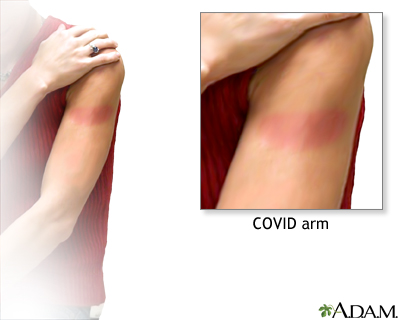
Many people notice mild redness or swelling at the injection site. This reaction feels itchy or tender for a few days. Some may develop small bumps or a rash nearby. These symptoms show the immune system is working. They go away within a week. No special treatment is needed for these common side effects.
Rare Allergic Reactions
Some individuals may experience rare allergic skin reactions. These include hives, widespread redness, or swelling away from the injection site. Severe allergic reactions are very uncommon. They require immediate medical attention. Most people do not experience these rare reactions after vaccination.
When To Seek Medical Advice
Rashes can appear as part of Covid symptoms or side effects. Sometimes, these skin changes need medical attention. Knowing when to seek help can protect your health. This guide explains signs that need urgent care and how to manage mild skin reactions safely.
Symptoms Requiring Urgent Care
Seek immediate medical help if the rash spreads quickly or covers large areas. Watch for swelling of the face, lips, or throat. Difficulty breathing or swallowing signals a serious issue. High fever with rash also needs urgent evaluation. Severe pain or blistering on the skin requires prompt care. These symptoms may indicate a dangerous reaction or infection.
Managing Mild Skin Reactions
For mild rashes, keep the skin clean and dry. Use gentle soap and avoid scratching. Apply over-the-counter creams to reduce itching and redness. Wearing loose clothes can prevent irritation. Drink plenty of fluids and rest well to help recovery. Monitor the rash daily for any changes or worsening symptoms.
Credit: medlineplus.gov
Preventing And Treating Covid Rashes
Rashes linked to Covid can cause discomfort and worry. Taking steps to prevent and treat these skin issues helps ease symptoms and speeds healing. Proper care supports the skin’s natural barrier and reduces irritation.
Skincare Tips During Illness
Keep your skin clean by washing gently with mild soap and lukewarm water. Avoid hot water; it dries the skin. Pat your skin dry instead of rubbing. Use a fragrance-free moisturizer to soothe and protect the skin. Wear loose, breathable clothes to avoid extra irritation. Stay hydrated by drinking plenty of water. Avoid scratching the rash to prevent infections. Maintain a cool environment to reduce itching and redness.
Medications And Remedies
Over-the-counter creams with hydrocortisone can help reduce itching and swelling. Antihistamines may relieve allergic reactions causing the rash. Use cold compresses to calm inflamed skin. Avoid harsh chemicals or strong soaps that worsen rashes. Consult a healthcare provider if the rash spreads or worsens. Prescription creams or oral medicines might be necessary. Always follow medical advice for safe and effective treatment.
:max_bytes(150000):strip_icc()/Health-VesicularandPapularRash-2-59f32b4779d7421781628b2fd4072ada.jpg)
Credit: www.health.com
Frequently Asked Questions
Can Covid Cause Skin Rashes?
Yes, Covid can cause skin rashes as a side effect. These rashes vary in appearance and are linked to immune response and inflammation.
What Types Of Rashes Appear With Covid?
Common Covid-related rashes include red patches, hives, and “Covid toes. ” Symptoms may differ in size, shape, and location.
How Long Does A Covid Rash Last?
Covid rashes typically last from a few days to weeks. Duration varies based on individual immune response and treatment.
Should I See A Doctor For A Covid Rash?
Consult a doctor if the rash is severe, persistent, or accompanied by other symptoms. Medical advice ensures proper diagnosis and care.
Conclusion
Rashes can sometimes appear with Covid, but they are not very common. Many people recover without skin problems. Still, it is important to watch for any unusual signs on your skin. If a rash shows up, it could mean your body is fighting the virus.
Always talk to a doctor to get the right advice. Knowing the symptoms helps you stay safe and healthy. Stay aware, and take care of your health every day.
