

Inexpensive Business Casual Clothes Men: Top Affordable Picks
In today’s workplaces, the lines between formal and casual have blurred. For many men, business casual is now the standard dress code. But building a sharp business casual wardrobe can feel expensive. You might wonder: Is it possible to look professional without spending too much? The answer is yes. With smart choices, you can build a stylish, versatile closet for less money than you think.
This guide will help you understand what business casual really means, how to shop smart, and which items are worth buying. You’ll find tips for saving money, common mistakes to avoid, and practical advice for non-native English speakers who want clear, simple guidance.
Let’s make business casual easy, affordable, and effective.
What Is Business Casual For Men?
Many people confuse business casual with regular casual wear. But business casual is a mix of professional and relaxed clothing. You do not need a suit and tie, but you should look neat and ready for work. The right business casual outfit helps you appear trustworthy and capable, even if you are new to office life.
Key Business Casual Clothing Items
- Dress shirts
- Chinos or slacks
- Blazers
- Sweaters
- Polos
- Dress shoes
- Leather belts
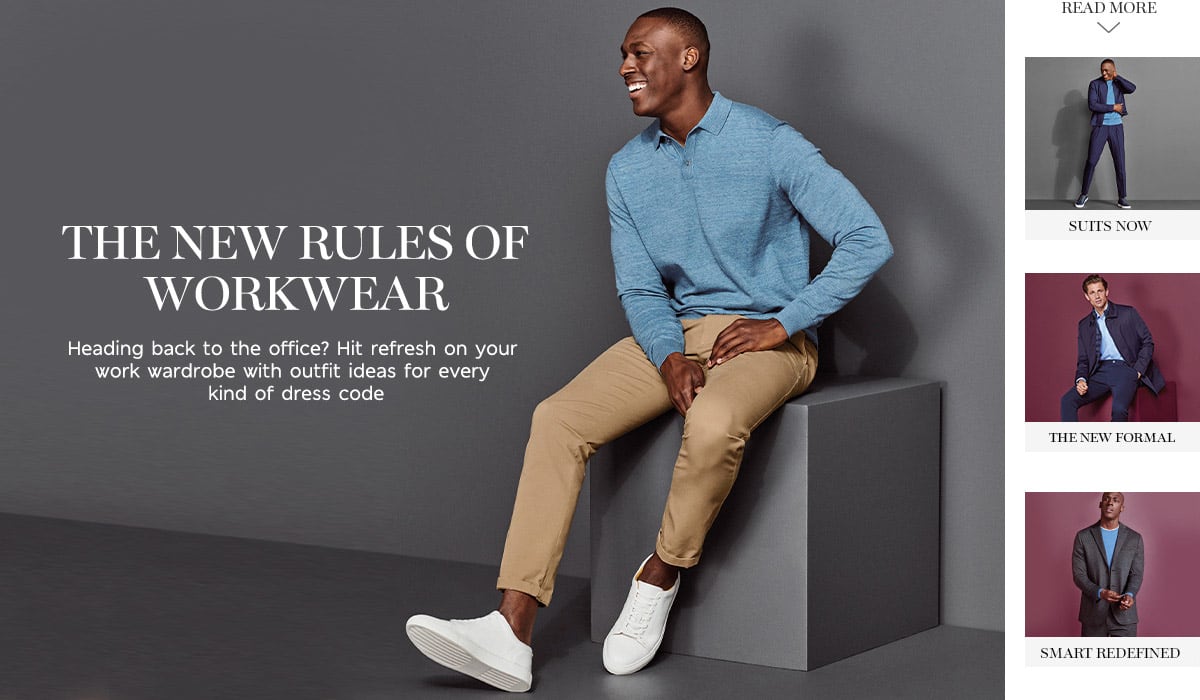
These items can be mixed and matched. The goal is to appear professional, but not overly formal. A dress shirt gives a clean, crisp look, while chinos are more comfortable than suit pants. Sweaters and blazers help when the weather is cool or when you want to look more polished.
Polos are good for warmer days or casual meetings. Dress shoes and a matching belt complete your outfit and show attention to detail.
Common Business Casual Mistakes
Some men wear jeans, sneakers, or T-shirts in a business casual setting. This is usually too relaxed. Others wear suit jackets or formal ties, which is too formal. The best business casual outfits feel balanced: sharp, comfortable, and appropriate for your workplace. For example, showing up in a graphic T-shirt or athletic sneakers can make you seem careless. On the other hand, wearing a full suit can feel out of place, especially if your coworkers dress more casually.
Another mistake is ignoring grooming. Even if your clothes are correct, messy hair or dirty shoes can ruin your look. Always check your appearance before leaving home.
Differences From Formal And Casual
Business casual is not formal like a suit. It is also not casual like weekend clothes. For example:
- A dress shirt with chinos is business casual.
- A T-shirt with jeans is casual.
- A suit and tie is formal.
Understanding these differences helps you choose the right clothes. When in doubt, aim for the middle: not too stiff, not too relaxed. If you are unsure about your office dress code, observe what others wear or ask your manager.
Building A Business Casual Wardrobe On A Budget
You don’t need to buy everything at once. Focus on core items first, then add pieces as you can. Here is a smart way to start:
Essential Items To Buy First
- 2–3 dress shirts (white, light blue, or subtle patterns)
- 2 pairs of chinos (tan, navy, or gray)
- 1–2 sweaters (solid colors)
- 1 blazer (navy or gray)
- 1 pair of dress shoes (brown or black)
- 1 leather belt (matches shoe color)
- 2 polo shirts (optional, for warmer days)
This basic set gives you many outfit combinations. You can rotate shirts and pants to create new looks. If you work five days a week, you can wear each shirt and pant in different pairs, making your wardrobe feel bigger than it is.
A simple wardrobe also makes mornings easier—less time spent deciding what to wear.
Sample Outfit Combinations
- White dress shirt + navy chinos + brown shoes
- Light blue dress shirt + tan chinos + gray sweater
- Patterned shirt + gray chinos + navy blazer
Mixing these pieces helps you stretch your wardrobe further. For example, wearing the same pants with different shirts and adding a sweater or blazer changes the look completely. You can also combine a polo shirt with chinos for casual Fridays.
Adding a sweater over a dress shirt gives a smart, layered look. If you swap a sweater for a blazer, you instantly move from casual to more formal. These simple swaps make your wardrobe feel much larger.
Average Cost Breakdown
Let’s see how much you might spend for each item if you shop wisely:
| Item | Average Cost (USD) | Budget Option |
|---|---|---|
| Dress Shirt | $25–$40 | Thrift stores, Uniqlo |
| Chinos | $30–$50 | H&M, Old Navy |
| Sweater | $30–$40 | Target, Amazon Basics |
| Blazer | $60–$100 | Thrift stores, Zara |
| Dress Shoes | $45–$75 | Kohl’s, Payless |
| Leather Belt | $15–$25 | Walmart, ASOS |
| Polo Shirt | $20–$30 | Uniqlo, Gap |
If you buy budget options, you can build a basic wardrobe for around $200–$350. Always check for discounts or promotions, especially during holidays or end-of-season sales. Many stores offer extra savings for students or first-time customers.
Where To Find Affordable Business Casual Clothes
Many stores and online shops sell business casual items at low prices. Some places focus on quality, others on price. Here are some good options:
Physical Stores
- Uniqlo: Good for shirts and pants, simple styles.
- H&M: Trendy, affordable, often has sales.
- Target: Reliable basics, sweaters, and shoes.
- Old Navy: Wide selection of chinos and polos.
- Kohl’s: Shoes, belts, and seasonal deals.
- Thrift Stores: Best for blazers, sometimes shirts and pants.
Physical stores let you try clothes on before buying. This helps you check the fit and see the fabric in person. Staff can also help you find what you need if you ask for business casual sections.
Online Shops
- Amazon Basics: Cheap, basic clothes with good reviews.
- ASOS: Wide range, often good deals.
- EBay: Used or new clothes for less.
- Zara: Modern styles, regular discounts.
Online shops are convenient and often have more choices. You can compare prices quickly and read reviews to see if an item is worth buying. Some sites offer free returns, so you can send clothes back if they do not fit.
Tips For Shopping Smart
- Look for end-of-season sales.
- Check clearance racks.
- Try second-hand shops for blazers and shoes.
- Use online coupons and promo codes.
- Buy multipacks (shirts, socks) to save money.
Most men overlook thrift stores, but you can find high-quality blazers for $20–$40. If you shop during sales, you might buy a $60 shirt for half price. Shopping in person at thrift stores can also help you discover unique pieces that no one else has.
A non-obvious tip: Sometimes outlet malls offer last season’s clothes at big discounts. These items are still stylish and often better quality than fast fashion stores.
How To Choose The Right Business Casual Clothes
Buying cheap clothes is not enough. The right fit, fabric, and color matter. Here’s how to choose wisely:
Fit Matters Most
- Slim fit usually looks better than baggy.
- Pants should not be too tight or too loose.
- Sleeves should reach your wrist.
- Try clothes on before buying if possible.
A good fit makes even inexpensive clothes look expensive. If you buy online, check the size chart and read reviews. Some brands run smaller or larger than others. If you’re between sizes, choose the larger option and have it tailored.
Fabric Types
- Cotton is comfortable and easy to wash.
- Polyester blends are cheaper, wrinkle less.
- Wool is good for sweaters and blazers.
Look for clothes that feel comfortable and breathe well. Soft fabrics feel better on your skin and help you stay cool during long workdays.
Best Colors For Business Casual
- Navy
- Gray
- White
- Light blue
- Tan
Avoid bright colors or loud patterns. Neutral colors work in most offices. If you want to add a bit of personality, try a patterned shirt with small checks or stripes, but keep it subtle.
Comparing Fabric Choices
Here’s a simple comparison of popular fabrics for shirts and pants:
| Fabric | Pros | Cons |
|---|---|---|
| Cotton | Comfortable, easy to clean | Wrinkles easily, can shrink |
| Polyester | Cheap, wrinkle-resistant | Less breathable, feels synthetic |
| Wool | Warm, looks professional | More expensive, requires dry cleaning |
| Cotton-Poly Blend | Affordable, less wrinkling | Can feel stiff, not as soft |
Choose cotton or blends for shirts, wool for sweaters or blazers if possible. If you sweat a lot, look for moisture-wicking fabrics. These keep you dry and comfortable.

Credit: lvsfashion.com
Saving Money Without Sacrificing Style
Many men think cheap clothes must look bad. This is not true. You can look great by following some simple rules:
Buy Versatile Items
Choose clothes that work in different settings. For example, a navy blazer can be worn with jeans or chinos. A white shirt matches almost any pants. Versatile items mean you need fewer pieces to cover more situations.
Avoid Overpaying For Brands
Famous brands often cost more, but do not always offer better quality. Focus on fit and material, not the label. Sometimes, store brands (like Target or Old Navy) offer the same quality for less money.
Care For Your Clothes
Washing clothes properly helps them last longer. Do not use hot water for cotton shirts. Hang sweaters to dry. Polish leather shoes every few weeks.
If you’re unsure about washing instructions, search online for tips. For example, some sweaters shrink if you put them in a dryer. Air drying keeps them looking new.
Tailor Cheap Clothes
If you buy cheap pants or shirts, a simple alteration can make them fit better. A tailor can shorten sleeves or pants for $10–$20. This small investment turns average clothes into custom-fitted pieces.
A non-obvious insight: Even inexpensive clothes look much better if the fit is perfect. Consider tailoring as part of your wardrobe budget.
Watch For Hidden Costs
Sometimes, cheap clothes need special cleaning (like wool blazers). Check care labels before buying. If dry cleaning is expensive in your area, stick to machine-washable fabrics.
Business Casual Accessories For Men
A few accessories can improve your look without costing much. Here’s what to consider:
Belts
- Buy one brown and one black belt.
- Match belt color to shoes.
A belt gives your outfit a finished look. If you want to save money, buy a reversible belt (black on one side, brown on the other).
Watches
- A simple, classic watch looks professional.
- Avoid flashy or oversized watches.
A watch shows you pay attention to time and detail. You don’t need a luxury brand; a clean, basic watch is enough.
Socks
- Wear solid colors (black, navy, gray).
- Avoid white athletic socks.
Socks are often overlooked. Good socks keep your feet comfortable all day. If you walk a lot, look for cushioned socks.
Bags
- A basic leather or canvas briefcase works well.
- Avoid backpacks unless your office allows them.
A bag helps you carry your laptop, documents, and lunch. Choose a style that fits your needs and office culture.
Comparison Of Business Casual Accessories
| Accessory | Average Cost (USD) | Budget Option |
|---|---|---|
| Belt | $15–$25 | Walmart, Amazon |
| Watch | $30–$50 | Timex, Casio |
| Socks (pack) | $10–$15 | Target, Hanes |
| Bag | $35–$60 | Amazon Basics, thrift stores |
You don’t need expensive accessories. Simple, clean items work best. If you want to stand out, choose a unique tie or pocket square, but only if your office allows it.
How To Look Sharp In Inexpensive Business Casual Clothes
Even cheap clothes can look great if you wear them well. Here’s how:
Keep Clothes Clean And Pressed
Wrinkled shirts or dirty shoes ruin your look. Use an iron or steamer. Wipe shoes with a damp cloth. If you don’t have an iron, hang shirts in the bathroom while you shower—the steam helps remove wrinkles.
Layering For Style
Layering adds depth. Wear a sweater over a shirt, or a blazer over a polo. This looks stylish and helps you stay warm. Try mixing textures: a cotton shirt under a wool sweater gives contrast.
Confidence Is Key
Wear your clothes with confidence. Stand straight, smile, and act professional. Even inexpensive clothes look better when you feel good. If you’re nervous, practice speaking in front of a mirror to boost confidence.
Non-obvious Insight: Invest In Socks And Undershirts
Most men forget socks and undershirts. Cheap socks wear out fast, causing discomfort. Buy a good pack for around $15. Undershirts keep sweat off your dress shirts and help them last longer.
Another tip: Undershirts also prevent see-through shirts, which is important for white or light-colored shirts.
Mistakes To Avoid When Shopping For Business Casual Clothes
Many men waste money or buy the wrong items. Here are mistakes to watch for:
- Buying clothes that do not fit: Fit is more important than price or brand.
- Choosing flashy colors or patterns: Stick to neutral colors for most items.
- Ignoring care instructions: Some cheap clothes require expensive cleaning.
- Buying too many trendy items: Trends fade, basics last longer.
- Forgetting about accessories: Belts, shoes, and socks matter.
- Overlooking second-hand stores: You can find quality items for less.
A bonus tip: Don’t buy clothes just because they’re cheap. If you don’t like or wear them, it’s wasted money.
Real-world Examples: Dressing Business Casual For Less
Let’s look at two example scenarios:
Example 1: Entry-level Office Worker
Jorge is starting a new job. He needs business casual clothes but has only $250.
He buys:
- 2 dress shirts ($50)
- 2 chinos ($60)
- 1 sweater ($30)
- 1 blazer from a thrift store ($40)
- 1 pair of shoes ($50)
- 1 belt ($20)
He spends $250 and has enough combinations for the week. By mixing shirts, pants, and layering with the sweater and blazer, Jorge creates five unique outfits. He also picks neutral colors so all pieces match easily.
Example 2: Mid-level Professional
Sam has a bigger budget ($400) and shops during sales.
He buys:
- 3 shirts ($90)
- 2 pants ($80)
- 2 sweaters ($60)
- 1 blazer ($80)
- 1 pair of shoes ($70)
- 1 belt ($20)
Sam spends $400 but gets more variety. He adds a watch and a bag from Amazon Basics for an extra $50. With more pieces, Sam can change his look for different meetings and seasons.
Both men look sharp, feel confident, and save money. The key is mixing and matching, caring for clothes, and shopping smart.
Practical Tips For Non-native English Speakers
If English is not your first language, shopping can be confusing. Here are tips to help:
- Ask for “business casual” in stores; staff will show the right section.
- When shopping online, search for “business casual men.”
- Use translation apps if you need help with clothing terms.
- Read reviews to see if items run small or large.
- Take a friend who knows English, or write down what you need.
When reading clothing labels, look for words like "machine washable," "slim fit," and "regular fit. " These help you choose the right items. If you don’t understand a word, search online or ask store staff.

Credit: nilds.gov.ng
How To Maintain Your Business Casual Wardrobe
Keeping your clothes in good shape is important. Here’s how:
Washing And Storage Tips
- Wash shirts and pants in cold water.
- Hang shirts and blazers; avoid folding.
- Use shoe polish for leather shoes.
- Store sweaters folded (to avoid stretching).
If you have limited space, use hangers that save room and keep your clothes wrinkle-free. A shoe rack helps keep your footwear organized and clean.
Refreshing Your Wardrobe
- Replace worn-out items once a year.
- Add new shirts or pants during sales.
- Donate clothes you don’t wear.
Refreshing your wardrobe does not mean buying everything new. Sometimes, updating just one piece (like a new sweater or shoes) makes your whole outfit feel fresh.
Avoiding Common Maintenance Mistakes
Some men use too much detergent or mix colors. Always follow label instructions. If you’re unsure, search for care guides online.
A non-obvious tip: If your workplace has air conditioning, keep a spare sweater or blazer at work. This helps you stay comfortable and avoid surprises when the weather changes.
How To Build A Business Casual Wardrobe Over Time
You do not need to buy everything at once. Here’s a step-by-step plan:
- Buy basics (shirts, pants, shoes) first.
- Add layers (sweaters, blazers) next.
- Purchase accessories (belts, socks, watch).
- Upgrade when you can (better fabrics, new styles).
- Rotate items so they last longer.
This approach helps you stay within budget and avoid waste. By starting with basics, you can adapt your wardrobe to your changing needs. If you get a promotion or attend more meetings, add a new blazer or dressier shoes.
An extra tip: Keep a list of what you own. This prevents buying duplicates and helps you plan future purchases.
Credit: nilds.gov.ng
Sustainable And Ethical Business Casual Shopping
Many men want to buy clothes that are good for the planet and fair to workers. Here’s how to shop responsibly:
- Look for brands with sustainable materials (organic cotton, recycled fabrics).
- Buy second-hand to reduce waste.
- Support companies that pay fair wages.
- Check for certifications (Fair Trade, organic).
While ethical items can cost more, thrift stores often sell them cheaply. You can find brands like Patagonia or Levi’s second-hand for a fraction of the price.
For more details on ethical shopping, visit Good On You.
Frequently Asked Questions
What Is The Best Color For Business Casual Clothes?
The best colors are navy, gray, white, and tan. These colors match easily and look professional. Avoid bright or loud patterns unless your workplace allows them.
How Many Business Casual Outfits Do I Need?
Most men need at least 5–7 outfits for a week. With just 2–3 shirts and 2 pairs of pants, you can mix and match for different looks. Add a sweater or blazer to expand your options. If you sweat a lot, plan for extra shirts.
Can I Wear Jeans In A Business Casual Office?
Some offices allow dark, neat jeans as part of business casual. But it depends on your company’s rules. Always check the dress code before wearing jeans. If allowed, pair jeans with a blazer and dress shoes for a smart look.
How Do I Know If A Shirt Fits Well?
A good fit means the shirt is not too tight or too loose. The shoulder seams should sit on your shoulders. Sleeves should reach your wrists. Try the shirt on and move your arms to check comfort. If the shirt pulls or gaps, try a different size.
Where Can I Find The Cheapest Business Casual Clothes?
Look for thrift stores, discount retailers (like H&M, Uniqlo), and online sales. Shopping off-season and using coupons can also save money. Second-hand shops often have quality blazers and shirts for less.
Final Thoughts
Business casual does not have to be expensive or confusing. By focusing on fit, fabric, and color, you can build a sharp wardrobe for less. Shop smart, care for your clothes, and add items over time. Avoid common mistakes and look for deals.
With confidence and good choices, you will always look professional—even on a tight budget. Remember, style is not about price; it’s about how you wear your clothes and the care you put into your look. Even with a limited budget, you can make a strong impression and feel comfortable every day.
