

How to Wear Rash Guard Properly: Ultimate Guide for Perfect Fit
Are you ready to get the most out of your rash guard? Whether you’re hitting the waves, cycling, or just staying active outdoors, wearing your rash guard the right way makes all the difference.
It protects your skin, boosts your comfort, and even improves your performance. But how do you make sure you’re wearing it properly? Keep reading, because mastering this simple step can change the way you feel during every activity. Let’s dive into the easy tips that will help you wear your rash guard like a pro.
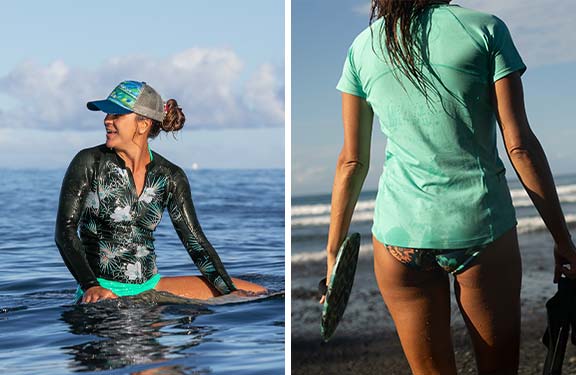
Credit: www.titlenine.com
Choosing The Right Rash Guard
Choosing the right rash guard is key for comfort and protection. It affects how you feel and perform during water activities. Picking a rash guard that fits well and suits your needs makes a big difference. Focus on material, size, and style to find the best match.
Material Types And Benefits
Rash guards come in different materials. Nylon and spandex blends offer stretch and quick drying. Polyester is durable and holds color well. Look for fabrics with UV protection to guard your skin from sun damage. Some materials also resist salt and chlorine, keeping the rash guard fresh longer.
Sizing And Fit Tips
Choose a rash guard that fits snug but not too tight. It should feel like a second skin. Loose rash guards can cause chafing or catch water. Check the size charts before buying. Try moving your arms to ensure comfort. The sleeves should cover your shoulders without restricting motion.
Styles For Different Activities
Short-sleeve rash guards suit warm weather and casual water fun. Long-sleeve options provide extra sun protection and warmth. Some rash guards have extra padding for surfing or diving. Pick a style based on your activity and climate. This helps you stay comfortable and safe in the water.
Preparing To Wear A Rash Guard
Preparing to wear a rash guard is important for comfort and protection. It helps you avoid skin irritation and keeps you safe from the sun. Taking a few simple steps makes wearing a rash guard much better.
These steps include choosing the right swimwear, caring for your skin, and deciding how to layer your clothes. Each part plays a role in how your rash guard feels and works.
Selecting Compatible Swimwear
Choose swimwear that fits well under your rash guard. Tight swimwear helps prevent bunching or slipping. Avoid thick or bulky fabrics that create discomfort. Thin, stretchy swimsuits work best. They allow easy movement and keep you cool.
Skin Care Before Wearing
Clean and dry your skin before putting on a rash guard. Use a gentle soap to remove dirt and sweat. Drying your skin well reduces chafing risk. Apply a light, water-resistant sunscreen for sun protection. Avoid heavy lotions that can cause slipping inside the rash guard.
Layering Under Or Over
Decide if you want to wear something under your rash guard. A thin tank top can add comfort or extra sun protection. You can also wear your rash guard over a swimsuit or shorts. Avoid bulky layers that limit movement or cause heat. Keep layers simple and breathable for best results.
Putting On A Rash Guard Correctly
Wearing a rash guard correctly is key to getting the best use from it. A proper fit protects your skin and improves your movement. It also keeps you safe from sunburn and rashes. Follow these simple steps to put on your rash guard the right way.
Step-by-step Dressing Guide
Start by choosing the right size rash guard. It should fit snugly but not feel tight. Put your arms through the sleeves first. Pull the rash guard down over your chest and stomach. Smooth out any wrinkles or folds. Check that the seams line up with your shoulders and arms. Make sure the rash guard covers your lower back.
Ensuring Comfort And Mobility
Move your arms up and down to test comfort. The rash guard should stretch easily without pinching. Adjust the sleeves if they feel too long or short. The fabric should feel soft against your skin. Avoid bunching or pulling, which can cause discomfort. A good fit lets you move freely during activity.
Adjusting For Performance
Check the collar fit around your neck. It should be snug but not tight. Tuck the rash guard into your shorts or pants if needed. This prevents it from riding up while you move. Make sure the rash guard stays in place during bending or stretching. A well-adjusted rash guard boosts your performance and protection.

Credit: www.swimoutlet.com
Common Fit Issues And Fixes
Choosing the right fit for your rash guard is key for comfort and protection. Common fit problems include tightness, looseness, and chafing. Fixing these issues improves your experience and keeps your skin safe. Below are simple tips to handle these common problems.
Dealing With Tightness
A rash guard that feels too tight limits your movement and feels uncomfortable. Choose a size that fits snugly but does not squeeze your body. Look for materials with some stretch to allow easy motion. Avoid rash guards that dig into your skin or cause red marks. If the sleeves or torso feel tight, try a larger size for better comfort.
Handling Loose Fits
A loose rash guard can flap in the wind or water. This reduces protection and may cause irritation. Pick a rash guard that fits close to your body without being tight. Check the length of the sleeves and torso to avoid excess fabric. Consider rash guards with adjustable features like drawstrings or elastic hems to keep the fit secure.
Preventing Chafing
Chafing happens when fabric rubs against your skin too much. It causes redness and discomfort during activities. To prevent chafing, choose rash guards made from smooth, soft materials. Make sure the fit is right—not too tight or loose. Using a lubricant on problem areas can also reduce skin irritation during long wear.
Maintaining Your Rash Guard
Maintaining your rash guard helps it last longer and stay effective. Taking care of it properly keeps the fabric strong and colors bright. Simple steps make a big difference in its lifespan.
Washing And Drying Tips
Rinse your rash guard with cold water after each use. This removes salt, chlorine, and sweat that damage the fabric. Use mild soap or detergent. Avoid bleach or fabric softeners. Hand wash is best to keep the shape and stretch.
Dry your rash guard flat in the shade. Avoid direct sunlight to prevent fading. Do not use a dryer or iron. Heat can ruin the material and elasticity.
Storage Recommendations
Store your rash guard in a cool, dry place. Avoid leaving it in a damp bag or locker. Keep it away from rough surfaces to prevent snags. Folding it neatly helps maintain its shape.
When To Replace It
Replace your rash guard if the fabric feels thin or stretched. Look for holes or tears that affect protection. Faded colors or loose seams also mean it’s time for a new one. A well-maintained rash guard should last many uses but not forever.
Style And Function Tips
Rash guards are not only useful but can look great too. They protect skin from the sun and reduce chafing. Wearing them the right way helps you stay comfortable and stylish. Here are tips on combining style and function with rash guards.
Matching Rash Guards With Gear
Choose rash guards that fit well with your other gear. Pick colors that match your board shorts, swim trunks, or wetsuit. This creates a clean, coordinated look. Fabric texture also matters. Smooth, stretchy materials work best for water activities.
Consider the environment. Dark colors hide stains better on sandy beaches. Bright colors improve visibility in the water. Both style and safety play a role in your choice.
Using Rash Guards Beyond Water Sports
Rash guards work well outside the water too. Wear them under workout clothes for extra sun protection. They keep muscles warm during cold weather exercises. Many use rash guards for running, cycling, or hiking.
The quick-dry fabric helps keep sweat away. It also prevents skin irritation from backpacks or gear. Think of rash guards as versatile activewear. Use them for any outdoor activity needing comfort and protection.
Personalizing Your Look
Make your rash guard unique. Add patches or iron-on decals that reflect your style. Choose rash guards with patterns or prints that match your personality. Some brands offer customizable options for names or logos.
Layering is another option. Wear rash guards under tank tops or loose shirts. This creates a casual, sporty look. Personal style and function can blend easily with rash guards.
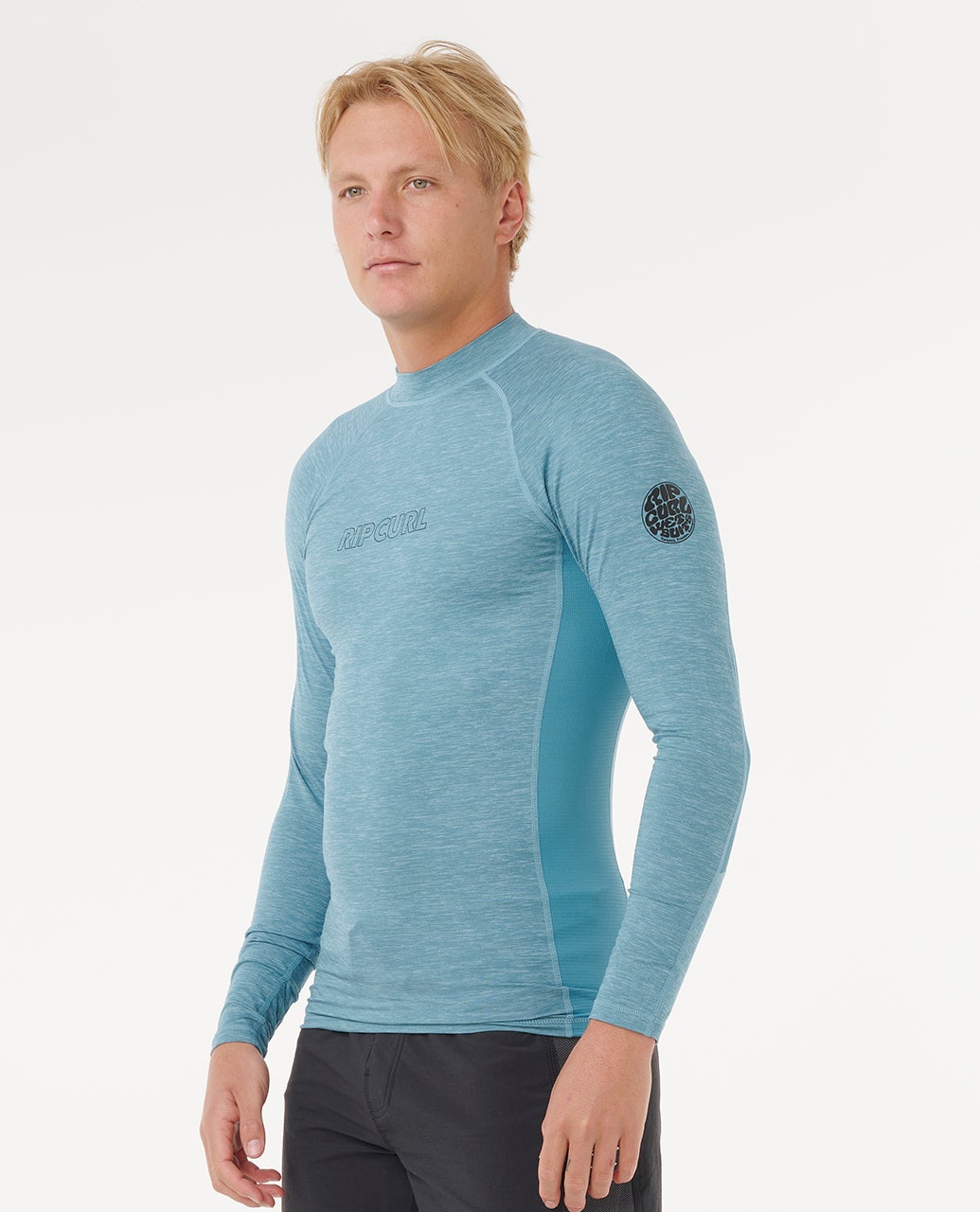
Credit: www.ripcurl.com
Frequently Asked Questions
How Should A Rash Guard Fit For Best Comfort?
A rash guard should fit snugly but not too tight. It must allow full movement without causing discomfort. Choose a size that contours your body while providing flexibility. Proper fit prevents chafing and improves protection during water activities.
Can I Wear A Rash Guard For Sun Protection?
Yes, rash guards offer excellent UV protection. Most have built-in UPF ratings to block harmful rays. Wearing one reduces sunburn risk during outdoor sports. It’s a smart choice for extended sun exposure.
Is It Necessary To Wear Rash Guards Under Wetsuits?
Wearing a rash guard under a wetsuit adds comfort. It prevents chafing from wetsuit seams and provides extra warmth. It also helps keep the wetsuit cleaner and extends its lifespan. Many surfers and divers prefer this layering.
How Do I Care For My Rash Guard Properly?
Rinse your rash guard with cold water after use. Avoid harsh detergents and bleach to maintain fabric quality. Air dry it away from direct sunlight to prevent damage. Proper care extends the garment’s durability and performance.
Conclusion
Wearing a rash guard properly keeps you safe and comfortable. Choose the right size for a snug fit that moves with you. Make sure to zip it up fully to protect your skin. Pair it with suitable bottoms to avoid chafing.
Rinse your rash guard after use to keep it fresh. Taking these simple steps helps you enjoy water activities better. Stay protected, feel good, and have fun in the water. Easy to wear, easy to enjoy.
