

How to Wear Gym Straps: Master Proper Technique for Better Lifts
How To Wear Gym Straps
Gym straps are small tools, but they can make a big difference in your workout. If you want to lift heavier weights or train longer, gym straps help you grip better, protect your hands, and avoid injuries. Many beginners see others using straps and wonder how to wear them correctly. It is not as simple as just wrapping them around your wrist. There is a right way and a wrong way. Doing it right gives you more power and keeps you safe. Doing it wrong can limit your progress or even cause injuries.
This guide is for anyone who wants to use gym straps confidently. You will learn step-by-step how to wear them, why they matter, mistakes to avoid, tips from experienced lifters, and answers to common questions. Whether you are lifting for strength, muscle, or endurance, mastering gym straps will help you go further.
You do not need perfect English to understand this article. Everything is explained simply, using clear words and practical examples. Let’s get started with the basics and move step by step to advanced tips.
What Are Gym Straps And Why Use Them?
Gym straps are long pieces of strong fabric, usually made of cotton, nylon, or leather. They are designed to wrap around your wrist and the equipment you want to lift, such as a barbell or dumbbell. The main reason people use gym straps is to improve their grip strength.
Most people’s hands get tired before their muscles do. When lifting heavy weights, your fingers often lose grip first, not your arms or back. Gym straps help you hold the weight longer and safer. This is especially important for exercises like deadlifts, rows, and pull-ups.
Some key benefits of gym straps:
- Increase grip strength: You can lift more weight, even when your hands are tired.
- Protect hands: They reduce friction and prevent calluses or blisters.
- Reduce injury risk: Less strain on fingers and wrists.
- Focus on target muscles: Your arms, back, or legs work harder instead of just your grip.
People use gym straps in powerlifting, bodybuilding, CrossFit, and general fitness. They are useful for anyone who wants to train harder and safer.
Types Of Gym Straps
There are several types of gym straps. Each has its own design and purpose. Choosing the right type is important for your comfort and performance.
| Type | Design | Main Use | Pros | Cons |
|---|---|---|---|---|
| Figure 8 | Looped in the shape of 8 | Heavy deadlifts | Very secure, easy to use | Less adjustable, not for all exercises |
| Lasso | Long strap with open end | Versatile, most exercises | Custom fit, adjustable | Needs practice to use |
| Loop | Fixed loop for wrist | Quick lifts, beginners | Easy to wear | Less secure for heavy weights |
| Hook | Metal hook attached | Grip support only | No wrapping needed | Bulky, limits movement |
Most people use lasso straps because they are flexible and fit almost all exercises. Figure 8 straps are popular for heavy deadlifts, while loop straps are good for beginners. Hook straps are mainly for people with hand injuries.

Credit: www.workoutforless.co.uk
When Should You Use Gym Straps?
Gym straps are not for every exercise or every person. It is important to know when to use them and when to avoid them.
Best situations to use gym straps:
- Heavy pulling exercises: Deadlifts, barbell rows, shrugs.
- High-rep sets: When your grip gets tired but muscles can still work.
- Training back muscles: For wide grip pull-ups or lat pulldowns.
- Grip weakness: If your hands fail before your other muscles.
Situations to avoid gym straps:
- During warm-up sets (to build grip strength naturally)
- When training forearm muscles directly
- For pressing exercises (bench press, overhead press)
Using gym straps all the time can make your grip weaker. Use them when needed, but not for every set. Experienced lifters often save straps for their heaviest sets.
Preparing Gym Straps For Use
Before wearing gym straps, check their condition. Make sure the fabric is not torn, the stitching is strong, and the straps are clean. Dirty or damaged straps can cause accidents.
How to prepare your gym straps:
- Inspect both straps for any cuts or fraying.
- Adjust the length if your straps are adjustable.
- Place the straps within easy reach before starting your set.
- If using new straps, practice wrapping them around a bar without weight first.
Wearing straps for the first time can feel awkward. Take time to practice before trying heavy weights.
Step-by-step: How To Wear Gym Straps Correctly
Wearing gym straps is not difficult, but small mistakes can make them useless. Follow these steps for safe and effective use. This guide focuses on lasso straps, as they are the most common.
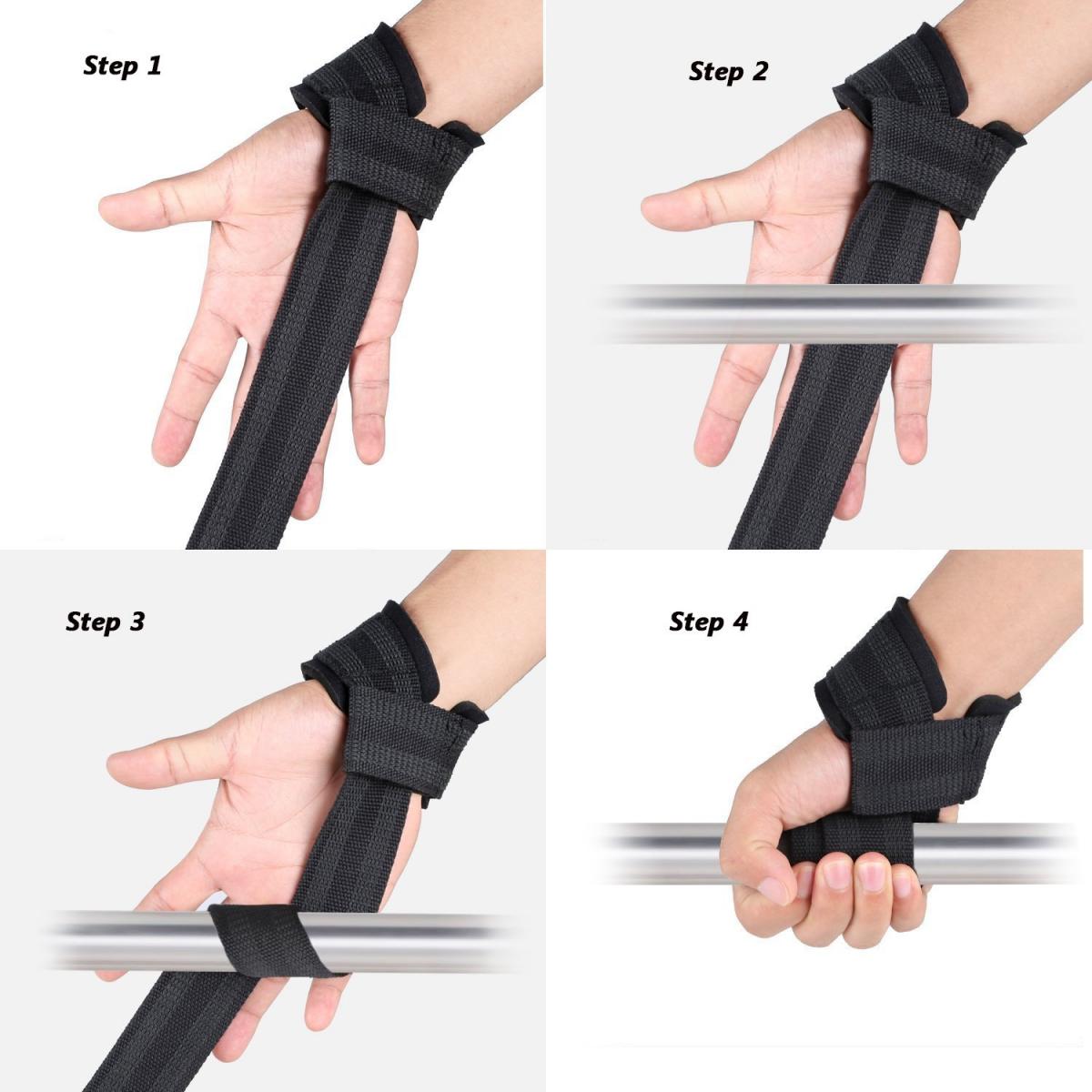
- Thread Your Hand Through the Loop
- Take one strap and find the looped end.
- Slide your hand through so the strap sits around your wrist.
- The loose end should hang down towards your palm.
- Position the Strap
- Place the strap so the loop sits comfortably on your wrist.
- The flat part of the strap should face your skin, not twisted.
- Wrap Around the Bar
- Hold the loose end and wrap it around the barbell or dumbbell.
- Go under the bar, over the top, and back under again if possible.
- The strap should wrap tightly, but not pinch your skin.
- Twist for Tightness
- Once wrapped, twist your hand to make the strap tighter.
- The bar should now be “locked” inside the strap and your hand.
- Repeat for Other Hand
- Do the same steps for your second hand.
- Both straps should be secure before you start your lift.
- Test the Grip
- Try a few practice lifts without weight, or with light weight.
- If the straps slip, adjust them for a tighter fit.
- Start Your Exercise
- Lift as usual, but do not rely fully on the straps.
- Keep your wrist straight and grip the bar firmly.
Here is a simple comparison of correct and incorrect strap wearing:
| Correct | Incorrect |
|---|---|
| Strap tight, not twisted, bar locked in | Strap loose, twisted, bar slips out |
| Wrist straight, comfortable | Wrist bent, strap pinches skin |
| Hand wraps around bar | Hand not touching bar |
Non-obvious tip: Always wrap the strap so the loose end goes in the same direction as your thumb. This helps with comfort and safety.
Wearing Gym Straps For Different Exercises
Gym straps work differently for each exercise. Knowing how to adjust them improves your performance and safety.
Deadlifts
For deadlifts, straps let you lift heavier without grip limitation. Wrap the strap tightly and make sure your wrist is straight. Do not let the strap pull your wrist down.
- Wrap both straps before lifting.
- Keep the bar close to your shins.
- Use a double overhand grip with straps.
Barbell Rows
Rows require a strong grip. Straps help you focus on your back muscles.
- Wrap straps so they are snug but allow wrist movement.
- Avoid over-tightening, which can limit wrist rotation.
- Keep elbows close to your body for better control.
Pull-ups
Straps can be used for pull-ups if your grip gets tired. They help you do more reps.
- Wrap straps around the pull-up bar.
- Make sure straps are not too tight, or you lose wrist mobility.
- Do not use straps for every set—save for high reps.
Shrugs
Shrugs target the traps. Heavy weights can slip from your hands.
- Use straps to secure the barbell or dumbbells.
- Keep wrist straight to avoid injury.
- Focus on shoulder movement, not grip.
Non-obvious tip: For fast lifts, like power cleans, avoid straps. They can limit wrist movement and cause accidents.
Common Mistakes When Wearing Gym Straps
Many beginners make mistakes that reduce the benefit of gym straps or cause discomfort. Avoid these common errors:
- Straps Too Loose
- Loose straps can slip or come off during the lift.
- Always twist your hand to tighten after wrapping.
- Straps Too Tight
- Over-tightening can cut off blood flow or pinch skin.
- Straps should be snug, not painful.
- Wrong Direction
- Wrapping the strap in the wrong direction can make lifting harder.
- Always wrap so the loose end follows your thumb.
- Ignoring Wrist Position
- Bending the wrist can cause injury.
- Keep wrist straight and comfortable.
- Using Straps for Every Set
- This weakens grip strength over time.
- Use straps only for heavy or high-rep sets.
- Bad Strap Condition
- Old or damaged straps can break.
- Inspect straps before every workout.
- Poor Hand Placement
- Not wrapping your hand around the bar properly.
- Always grip the bar with your hand, even when using straps.
- Wrong Strap Type
- Using figure 8 straps for exercises needing wrist movement.
- Choose straps based on exercise.
These mistakes are easy to fix if you pay attention before each set.
Advanced Tips From Experienced Lifters
Learning from those who use gym straps daily can speed up your progress. Here are tips that many beginners miss:
- Practice with light weights first. This builds confidence and helps you learn the wrapping technique without risk.
- Keep your straps clean. Sweat, chalk, or dirt can damage the fabric and cause slipping. Wash your straps regularly.
- Use chalk with straps for extra grip. Even with straps, sweaty hands can cause slipping.
- Replace straps every few months if you train often. Fabric stretches or weakens over time.
- Do one set without straps in every workout to keep your grip strong.
- Try different strap types to find what fits your hand and exercise best.
- Store straps in your gym bag to avoid losing them or damaging them in your locker.
- If your hands sweat a lot, choose nylon straps. Cotton straps soak up sweat and can slip.
Many advanced lifters say straps help them set personal records in deadlifts, but they still train grip strength regularly.
How To Choose The Right Gym Straps
Choosing straps is more than picking the first pair you see. Consider these factors:
- Material
- Cotton: Soft, comfortable, absorbs sweat.
- Nylon: Strong, durable, less absorbent.
- Leather: Very strong, lasts long, expensive.
- Length
- Longer straps wrap more times around the bar, giving extra grip.
- Shorter straps are faster to wear but less secure.
- Width
- Wider straps distribute pressure, protect skin.
- Narrow straps are lighter but may dig into skin.
- Type
- Choose lasso for most exercises.
- Figure 8 for heavy deadlifts.
- Hook for grip support only.
- Padding
- Some straps have wrist padding for comfort.
- Padding helps if you lift very heavy or have sensitive skin.
- Price
- Good straps cost more but last longer.
- Do not buy the cheapest option—quality matters for safety.
Compare key features before buying:
| Feature | Cotton | Nylon | Leather |
|---|---|---|---|
| Comfort | High | Medium | Medium |
| Durability | Medium | High | Very High |
| Price | Low | Medium | High |
| Sweat Absorption | High | Low | Low |
Common mistake: Buying thick, padded straps for all exercises. Thick straps can be uncomfortable for fast lifts or small hands.
Caring For Your Gym Straps
Good care extends the life of your straps and keeps you safe.
- Wash cotton straps in cold water and let them air dry. Do not use hot water or dryers.
- Clean nylon or leather straps with a damp cloth. Avoid soaking.
- Store straps in a dry place. Moisture causes mold and weakens fabric.
- Check straps weekly for signs of wear or tear.
- Replace immediately if straps are damaged.
Some lifters write their name on their straps to avoid mix-ups in busy gyms.
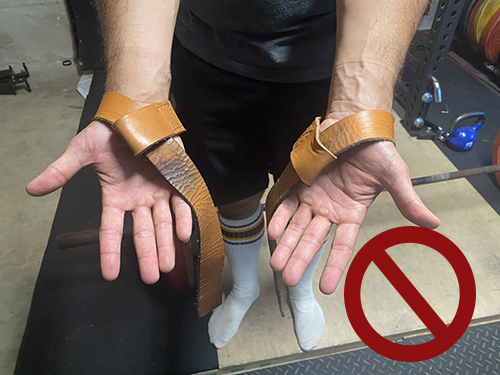
Credit: www.artofmanliness.com
Gym Strap Safety Tips
Safety is critical when using gym straps. Follow these tips:
- Never wrap too tight. This can cut off blood flow.
- Do not use straps for fast, explosive lifts (like snatch or clean).
- Always unwrap straps after each set. Leaving straps on can cause circulation problems.
- If you feel pain or numbness, stop and check your wrist and strap position.
- Use straps only on equipment meant for them. Do not try straps on machines or cables.
If you have wrist pain or injury, consult a trainer or doctor before using straps.
Should Beginners Use Gym Straps?
Many beginners wonder if gym straps are right for them. Straps help you lift heavier and focus on target muscles, but they can reduce natural grip strength over time.
- Beginners should train grip without straps first.
- Use straps only when grip limits progress.
- Start with lasso straps—they are easiest to learn.
- Ask for help from gym staff or experienced lifters.
Non-obvious insight: Using straps too early can hide weak grip problems. Balance strap use with grip training.
How Gym Straps Affect Your Progress
Gym straps can be a shortcut to heavier lifts. But using them wisely is important.
- Straps let you lift more, which builds muscle faster.
- They reduce hand fatigue, so you can do more reps.
- Straps help you break plateaus, especially for deadlifts and rows.
- Too much strap use can slow grip progress.
Some lifters use straps for big lifts and finish with grip exercises. This balance keeps both strength and safety.
Gym Straps Vs. Other Grip Tools
There are many grip tools in the gym. Gym straps are just one option. Here is a comparison:
| Tool | Main Use | Pros | Cons |
|---|---|---|---|
| Gym Straps | Heavy pulls | Easy to use, portable | Reduces grip strength if overused |
| Chalk | Grip enhancement | Cheap, simple | Messy, not allowed everywhere |
| Grip Trainers | Grip strength | Builds forearms, easy to use | Not used during lifts |
| Gloves | Hand protection | Comfort, prevents blisters | Reduces direct grip feel |
| Hooks | Grip support | No wrapping, fast | Bulky, limits movement |
Gym straps are the most popular for heavy lifts, but you can combine them with chalk for best results.
Gym Strap Myths And Misconceptions
There are many myths about gym straps. Let’s clear them up:
- Myth: Straps make you weak. Straps help you lift more, but only reduce grip strength if used for every set.
- Myth: Only advanced lifters use straps. Beginners can use straps if grip limits their progress.
- Myth: Straps cause injuries. Straps prevent injuries if used correctly. Most injuries come from bad technique.
- Myth: All straps are the same. Strap types, material, and design change comfort and performance.
Non-obvious insight: Some lifters avoid straps to “toughen” their hands, but this can lead to blisters and slow progress.
Real-life Examples: Gym Strap Success Stories
Many lifters share how straps helped them break records or train harder.
- Anna struggled with deadlifts. Her hands always slipped. After learning to use lasso straps, she added 30 kg to her lift in a few months.
- Mike had wrist pain from heavy shrugs. He switched to padded cotton straps and trained pain-free.
- Jorge tried figure 8 straps for rows. He found them too stiff, so he moved to lasso straps. Now he lifts heavier and feels safer.
- Priya started with hook straps after a finger injury. She returned to normal training faster.
Most lifters say the right strap type and correct wearing technique made a big difference. The key is to experiment and find what works for you.
Credit: www.treballsdigitals.cat
Tips For Training Grip Alongside Strap Use
If you use gym straps, do not ignore grip training. Strong hands support all lifts.
- Do one or two sets without straps each workout.
- Use grip trainers or squeeze balls at home.
- Hang from a pull-up bar for 30 seconds daily.
- Use thick bars for warm-up sets.
- Try farmer’s walks (holding heavy weights, walking).
Grip training keeps your hands strong, even if you use straps for heavy lifts.
Frequently Asked Questions
How Do I Know If My Gym Straps Are Too Tight?
If your straps feel painful, numb, or cut off blood flow, they are too tight. Straps should be snug but comfortable. You should be able to move your wrist and fingers freely. Over-tight straps can cause injury.
Can I Use Gym Straps For All Exercises?
No, straps are best for pulling exercises like deadlifts, rows, and shrugs. Avoid using them for pressing exercises or fast lifts. Using straps for every set can weaken your grip.
How Often Should I Replace Gym Straps?
Replace your straps if you see fraying, tears, or loss of strength. If you train hard, replace every few months. Inspect straps weekly. Good care extends their life.
Are Gym Straps Allowed In All Gyms?
Most gyms allow straps, but some competitions or strict gyms may not. Check your gym’s rules. If unsure, ask staff. For official rules, see Wikipedia Weight Training.
What Is The Difference Between Lasso And Figure 8 Straps?
Lasso straps are more versatile and adjustable. Figure 8 straps are best for heavy deadlifts, but less flexible for other exercises. Choose lasso for most workouts unless you focus on deadlifts.
Gym straps are simple tools, but knowing how to wear them makes a big difference. Practice the steps, avoid common mistakes, and balance strap use with grip training. With the right straps and good technique, you can lift heavier, train longer, and stay safe.
Try different types and find what fits your hand and your goals. A smart, confident approach to gym straps will help you reach your fitness targets faster and with less risk.
