

How to Wear Gym Shirt: Style Tips for Every Workout
Wearing a gym shirt may sound simple, but it can be more important and complex than most people think. The right approach not only helps you exercise better, but also boosts your confidence and keeps you safe from common mistakes like overheating or chafing.
Many people just throw on any shirt and go, but with a little guidance, you can get much more from your workout clothes. This article will take you deep into how to wear a gym shirt properly, what to look for, and how to match it to your needs, body type, and workout style.
By the end, you’ll know how to pick, wear, and even care for your gym shirts like a pro.
Why Gym Shirts Matter
Most beginners believe any T-shirt will work for gym sessions. But a gym shirt is designed to do much more than cover your body. These shirts are made with special fabrics and cuts to help you move, reduce sweat, and avoid injury.
A good gym shirt:
- Wicks away sweat to keep you dry
- Allows free movement without restriction
- Reduces risk of skin irritation
- Often helps control odor
Wearing a random cotton tee can lead to discomfort, chafing, and even skin problems. Performance shirts are made for the demands of exercise, helping you stay focused on your workout, not your clothing. Gym shirts also come in many styles, so you can find one that fits your personal taste and confidence level.
Choosing The Right Gym Shirt
Picking the right gym shirt is the foundation for success. Here’s how you can find the perfect one for your needs.
1. Fabric Selection
Fabric is the most important part of any gym shirt. The wrong material can trap sweat, smell bad, or feel heavy. Look for materials like:
- Polyester: Lightweight, dries quickly, and good for most workouts.
- Nylon: Smooth, durable, and resists mildew.
- Spandex (Lycra): Offers stretch for activities like yoga or HIIT.
- Bamboo blends: Soft, eco-friendly, and naturally odor-resistant.
- Merino wool: Regulates temperature and controls odor, even when sweaty.
Avoid 100% cotton for intense workouts. Cotton soaks up sweat and can feel heavy and cold after a while.
2. Fit And Comfort
Your gym shirt should fit your body and the activity. Here’s a quick comparison of fit options:
| Fit Type | Best For | Pros | Cons |
|---|---|---|---|
| Loose Fit | Cardio, casual gym users | Comfortable, hides sweat | Can catch on equipment |
| Regular Fit | General workouts | Versatile, balanced look | May not suit all body types |
| Slim/Fitted | Weight training, HIIT | Shows physique, less fabric in way | Can highlight sweat, less forgiving |
A common mistake is buying shirts that are too tight. This can restrict movement and make you uncomfortable. Try on a few fits before you decide.
3. Activity-specific Design
Not all gym shirts are equal. Some are made for running, some for weightlifting, and some for yoga. Check for:
- Mesh panels for extra airflow during cardio
- Stretch zones for yoga or pilates
- Reinforced seams for heavy lifting
This is a detail many beginners miss: the design really does matter. Wearing a running shirt for powerlifting may not give you the support or durability you need.
4. Season And Climate
If you live in a hot area, breathable and moisture-wicking shirts are a must. For cold weather, look for long-sleeved shirts or thermal gym tops. Some shirts even have UV protection for outdoor workouts.
5. Sizing And Body Type
A shirt that’s too big can get caught on equipment, while one that’s too small can ride up or restrict movement. Use the brand’s size chart. If you have a broad chest or shoulders, consider athletic cut shirts. For a slimmer build, look for styles with a tapered waist.
6. Gender-specific Features
Women’s gym shirts may have:
- Built-in bras for support
- Different sleeve lengths
- Shaped waists for a better fit
Men’s shirts may offer:
- Wider shoulders
- Straight or relaxed cuts
Choose the version that matches your needs and comfort.
How To Wear A Gym Shirt: Step-by-step
Wearing a gym shirt sounds simple, but following these steps can make a difference.
Step 1: Check For Cleanliness
Always wear a clean shirt to the gym. This prevents odor and skin irritation. Even if you only wore it for a short walk, sweat and bacteria can build up.
Step 2: Choose The Right Undergarments
For most, a moisture-wicking base layer is best. Women should consider a good sports bra with the right support. Men may want a compression shirt under their gym shirt for added support.
Step 3: Tuck, Tie, Or Leave Loose
Depending on the workout, you might:
- Tuck in your shirt for activities like cycling or powerlifting
- Tie a knot in loose shirts for running to avoid fabric flapping
- Leave loose for general gym sessions
The key is to avoid anything that distracts or gets caught on equipment.
Step 4: Adjust For Movement
Raise your arms and move around before leaving the locker room. Make sure the shirt doesn’t ride up, pinch, or restrict your movement.
Step 5: Add Layers If Needed
For outdoor or winter workouts, add a lightweight jacket or hoodie over your gym shirt. The gym shirt should always be the base layer to wick sweat away from your skin.
Step 6: Check Your Look
A quick look in the mirror can boost your confidence. Make sure there are no see-through spots, and the shirt fits as you want.
Matching Gym Shirts With Other Clothing
Your gym shirt is only one part of your workout outfit. Combine it properly for both function and style.
Gym Shorts Or Tights
Pair loose shirts with fitted shorts or leggings. If your shirt is slim or fitted, you can wear looser shorts. This balance prevents both pieces from being baggy or too tight.
Shoes And Socks
Bright gym shirts go well with neutral shoes. If your shirt is simple, you can be bold with socks or shoes. Always prioritize function over color, but it’s okay to have some fun.
Accessories
- Headbands for sweat control
- Wristbands for wiping your face
- Gloves for weightlifting
Choose accessories that match your shirt’s style and your workout needs.
Common Mistakes When Wearing A Gym Shirt
Many people make simple errors that ruin the gym shirt experience. Here’s what to avoid:
- Wearing cotton shirts for intense workouts. Cotton traps sweat and can cause chills or chafing.
- Ignoring fit. Shirts that are too tight or too loose can distract you and even lead to accidents.
- Skipping a sports bra (for women) or supportive underlayer. This can cause discomfort and reduce performance.
- Not washing gym shirts after every use. Bacteria builds up quickly, leading to odor or skin issues.
- Not checking for transparency. Some light-colored or old shirts can become see-through when sweaty.
- Wearing damaged shirts. Rips or stretched-out shirts can get caught on equipment.
These mistakes are easy to fix and make a big difference in comfort and safety.
How To Care For Your Gym Shirt
A good gym shirt is an investment. Taking care of it helps it last longer and perform better.
Washing
- Wash after every workout
- Use cold water and gentle detergent
- Avoid fabric softener (it can block moisture-wicking fibers)
- Turn shirts inside out to protect prints or logos
Drying
- Air dry for best results
- Avoid high heat, which can damage elastic fibers
Storing
- Store in a dry place
- Do not leave in a gym bag for long periods
By following these steps, your shirts will keep their shape, color, and function for many months.
Gym Shirt Styles: What’s Right For You?
There are several gym shirt styles to match different activities and personal tastes.
Crew Neck
Most common. Good for all workouts, comfortable, and offers good coverage.
V-neck
More stylish and can give a slimmer look. Offers good ventilation at the neck.
Sleeveless (tank)
Great for hot weather or showing off your arms. Ideal for weightlifting or intense cardio.
Long Sleeve
Adds warmth for outdoor workouts or winter gyms. Also offers sun protection.
Compression
Very tight fit, helps with muscle support and recovery. Good for advanced athletes or specific activities.
Graphic And Branded Shirts
Many brands offer shirts with motivational slogans or logos. These can boost motivation or express your personality.
Matching Gym Shirts To Workouts
Choosing the right shirt for your workout type is important. Here’s a quick comparison:
| Workout Type | Best Shirt Type | Why |
|---|---|---|
| Cardio (running, HIIT) | Lightweight, moisture-wicking, mesh panels | Keeps you cool, dries fast |
| Weightlifting | Fitted or sleeveless | Shows form, stays out of way |
| Yoga/Pilates | Stretchy, soft, fitted | Allows free movement, comfort |
| Outdoor sports | UV protection, long sleeve, light color | Protects from sun, keeps you cool |
Many people overlook this and just wear the same shirt for every activity. But a small change in style can help your performance and comfort.
Color And Style Choices
The color of your gym shirt is more than just fashion. Dark colors hide sweat but absorb heat. Light colors reflect heat but may show sweat stains. Bright colors can boost energy and mood, while neutrals are easier to match.
If you sweat a lot, choose patterns or dark colors to hide marks. If you want to stand out, go for bold colors or even neon. Just make sure the material supports your workout.
Brand Vs. Generic: Does It Matter?
You’ll find big brands selling gym shirts for high prices, and generic options for less. Sometimes, brand shirts use better materials, but not always. What matters most is:
- Material quality
- Seams and stitching
- Fit and comfort
- Performance features
Try both types if you can. Don’t buy only for the logo.
Layering Techniques
Layering is important for outdoor workouts or changing weather.
- Start with a base layer (your gym shirt)
- Add a mid-layer (light hoodie or jacket)
- Use an outer layer (windbreaker or rain jacket) if needed
Remove layers as you warm up. Make sure each layer moves well with your body and doesn’t trap sweat against your skin.
Wearing A Gym Shirt For Different Body Types
No two bodies are the same. Here’s how to choose gym shirts for different builds:
Athletic Build
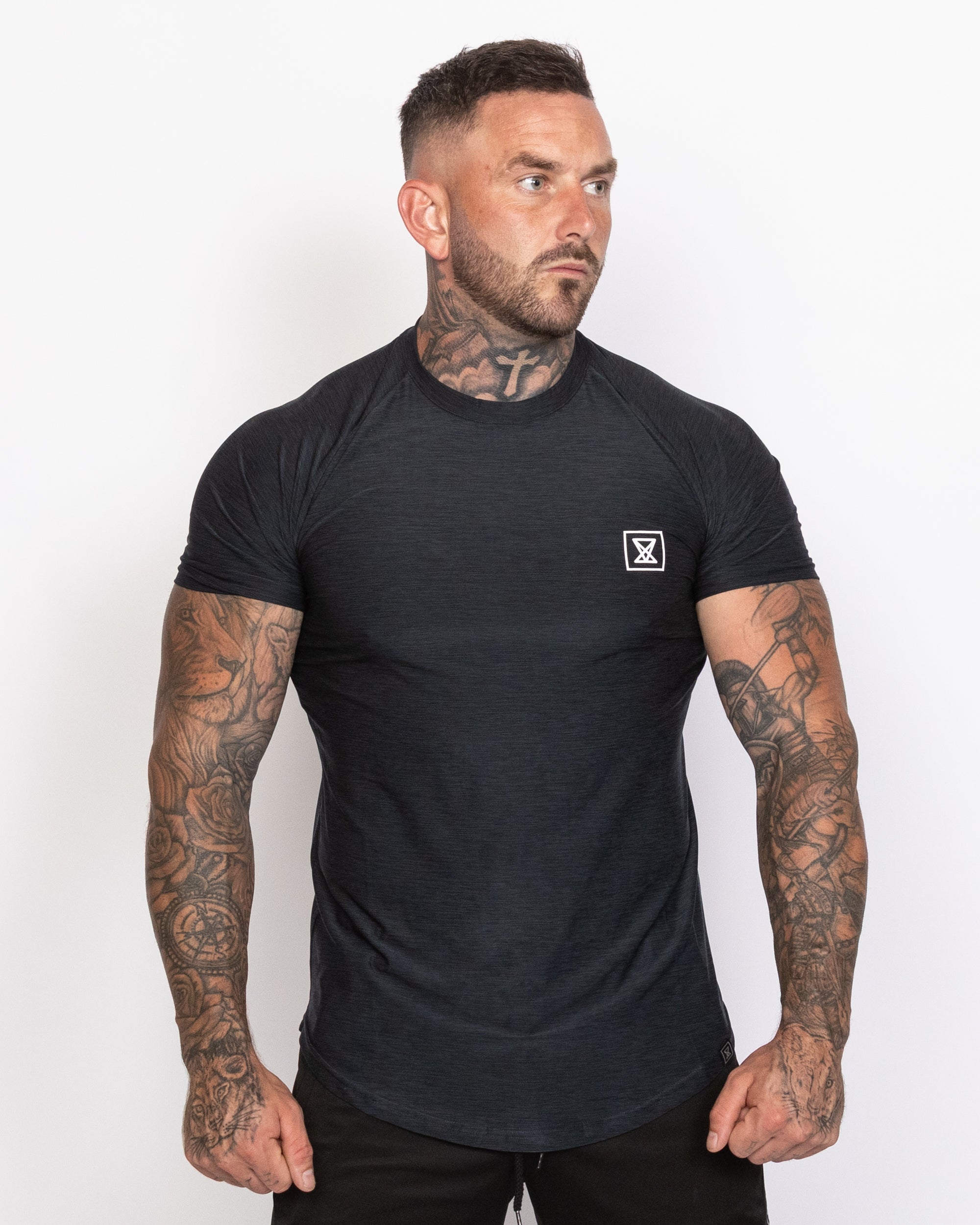
Fitted shirts show your physique. Look for stretchy fabrics and raglan sleeves for best movement.
Slim Build
Try shirts with a slight taper at the waist. Avoid very loose shirts—they can look baggy.
Plus Size
Look for shirts with a relaxed fit and soft fabric. Many brands now offer plus-size gym wear with great features.
Tall
Choose brands with longer torsos. Short shirts can ride up during movement.
Petite
Try cropped or shorter shirts. Regular shirts may be too long.
Many beginners overlook that brands have different fits—even in the same size. Always try on or check return policies.
Gym Shirt Hygiene: The Untold Truth
A clean gym shirt isn’t just about smell. Dirty shirts can lead to acne and rashes. Bacteria and sweat mix fast, especially in synthetic fabrics. Change immediately after exercise, even if you don’t sweat much. Wash gym shirts separately from towels and heavy clothes to protect the material.
Advanced Tips For Gym Shirts
Pre-cooling
For outdoor workouts in hot climates, wet your shirt slightly before putting it on. This helps cool you as you start.
Odor Control
Add a cup of white vinegar to the wash cycle once a month. This helps remove sweat odors from synthetic fabrics.
Tag Removal
Cut out itchy tags to avoid irritation. Use a seam ripper, not scissors, to avoid holes.
Smart Storage
Hang shirts to dry after washing. Never leave them in gym bags—this causes mildew and odor.
Quick Drying
If you need a shirt to dry fast, roll it in a towel and press. This pulls out extra water before air drying.
Credit: us.vxsgymwear.com
Gym Shirt Myths And Facts
Let’s clear up some common myths:
- Myth: Expensive shirts always last longer.
Fact: Material and care matter more than price.
- Myth: Only slim people can wear fitted shirts.
Fact: Fitted shirts come in all sizes. Find one that fits your shape.
- Myth: Men and women’s shirts are the same.
Fact: They differ in cut, support, and features.
- Myth: All “moisture-wicking” shirts work the same.
Fact: Quality and blend affect performance.
The Psychological Side: How Gym Shirts Affect Your Mindset
Wearing a gym shirt you like can actually help you perform better. Studies show that people who feel good about their appearance are more likely to finish workouts and push themselves. This is called “enclothed cognition”—the idea that clothes affect our confidence and actions.
Try choosing a gym shirt in your favorite color or with a motivating slogan. It can make workouts feel less like a chore.
Credit: www.myprotein.com
Sustainable Choices For Gym Shirts
Eco-friendly gym shirts use recycled polyester, bamboo, or organic cotton. These shirts still offer performance but have a smaller environmental impact. Check for certifications like “OEKO-TEX” or “Bluesign” when buying. Many brands now offer green options, so you can help the planet and stay fit.
For more about eco-friendly fabrics, visit the Wikipedia page on bamboo textiles.
Gym Shirt For Special Needs
Some people need gym shirts with extra features:
- Antimicrobial fabrics for those with sensitive skin
- Flat seams for people prone to chafing
- High-visibility colors for outdoor workouts at dawn or dusk
If you have allergies or skin issues, look for hypoallergenic options.
When To Replace Your Gym Shirt
A gym shirt doesn’t last forever. Replace it if:
- It loses shape or elasticity
- Smells bad even after washing
- Develops holes or thin spots
- The color fades badly
On average, a good gym shirt lasts 6 months to a year with regular use. If you exercise daily, you may need more frequent replacements.
How Many Gym Shirts Do You Need?
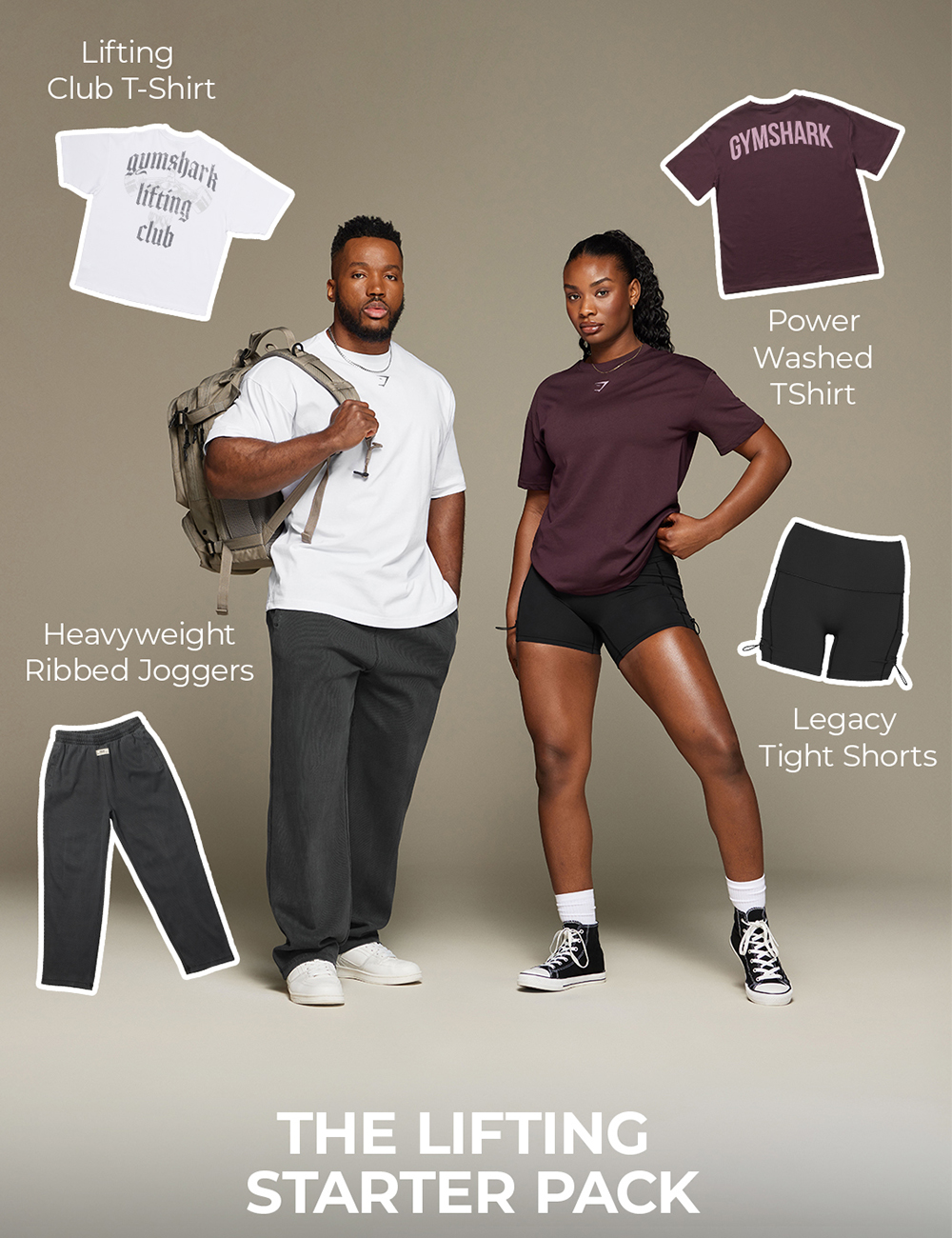
Most active people need at least 3-5 gym shirts to rotate between washes. If you sweat a lot or work out daily, you might want more. It’s better to have enough shirts than to be forced to wear a dirty one.
Credit: www.gymshark.com
Diy Customization
Personalize your gym shirt with:
- Iron-on patches
- Fabric markers for your name or motivation
- Cutting sleeves for a homemade tank
But remember—customizing can affect the shirt’s performance features, so test on old shirts first.
Comparing Gym Shirt Materials
Here’s a simple material comparison to help you decide:
| Material | Sweat Wicking | Odor Control | Comfort | Durability |
|---|---|---|---|---|
| Polyester | Excellent | Average | Good | High |
| Nylon | Good | Good | Very Good | High |
| Cotton | Poor | Poor | Soft | Medium |
| Bamboo | Very Good | Excellent | Very Soft | Medium |
| Merino Wool | Very Good | Excellent | Soft | Medium |
Final Thoughts
Wearing a gym shirt the right way is about more than just pulling on a top. It’s about choosing the best material, fit, and style for your body and your workout. A great gym shirt helps you move, stay dry, and feel confident—so you can focus on getting stronger and healthier.
Take care of your shirts, and they’ll take care of you. Experiment with different options, listen to your body, and don’t be afraid to try something new. The right gym shirt can make every workout feel better.
Frequently Asked Questions
What Is The Best Material For A Gym Shirt?
The best material depends on your activity. Polyester and nylon are great for sweat-wicking and durability. Bamboo and merino wool offer odor control and softness. Avoid 100% cotton for intense workouts, as it holds moisture.
How Often Should I Wash My Gym Shirt?
Wash your gym shirt after every workout. Sweat and bacteria can build up quickly, even if you don’t feel very sweaty.
Can I Wear A Regular T-shirt To The Gym?
You can, but regular T-shirts (especially cotton) are not ideal for intense workouts. They hold sweat, can cause chafing, and may make you feel uncomfortable.
How Tight Should A Gym Shirt Be?
A gym shirt should be snug enough to allow movement but not so tight that it restricts you or rides up. Test by stretching and moving your arms before buying.
How Do I Prevent My Gym Shirt From Smelling Bad?
Wash after every use, avoid fabric softener, and air dry. Adding a little white vinegar to the wash once a month helps remove odors. Store shirts in a dry place, not in a gym bag.
