

How to Wear Gym Clothes: Stylish Outfits for Every Workout
How To Wear Gym Clothes
Finding the right way to wear gym clothes can change your whole workout experience. Good gym wear is not just about style; it is about comfort, safety, and confidence. Many people buy activewear but still feel uncomfortable or unsure at the gym.
Some wear old t-shirts and shorts, while others invest in the latest fitness gear but don’t know how to mix and match. The truth is, how you wear your gym clothes can affect how you move, how you feel, and even how motivated you are.
This guide is for anyone who wants to get the most from their gym wardrobe. Maybe you are just starting to exercise, or you are returning after a break. Maybe you want to learn how to look put-together, or perhaps you want tips to avoid discomfort and injuries.
I have seen many people make small mistakes with gym clothes that lead to big problems—like chafing, overheating, or feeling too self-conscious to focus on the workout. You do not need expensive outfits or perfect bodies. You only need to know how to choose, combine, and wear gym clothes in a smart, practical way.
Let’s get started.
Why Gym Clothes Matter
Some people think gym clothes are only about looking good. That’s a myth. Wearing the right gym clothes makes a real difference. Here’s why:
- Comfort: Gym clothes are designed to stretch, move, and breathe with you. They help you focus on your workout, not your outfit.
- Safety: Proper clothes protect your skin, joints, and muscles. For example, wearing the right shoes can prevent ankle injuries.
- Performance: The right fabrics can help you stay cool or warm, depending on the activity.
- Confidence: When you feel good in your outfit, you are more likely to work out harder and more often.
Studies show that people who wear suitable gym clothes are more likely to stick to their fitness routine. That’s because they feel comfortable and ready for action.
Understanding Gym Clothes: Fabrics And Fit
Before you buy or wear gym clothes, you need to understand what makes them special. Not all fabrics and fits are equal.
Common Gym Fabrics
- Polyester: Very common in gym wear. Dries quickly, does not hold sweat, and is durable.
- Nylon: Soft, stretchy, and resists mildew.
- Spandex (Lycra/Elastane): Gives stretch, helps clothes move with your body.
- Cotton: Comfortable but holds sweat. Not ideal for heavy workouts.
- Bamboo: Soft and eco-friendly, often blended with other fibers.
- Wool: Used in cold-weather gear for warmth and moisture control.
Non-obvious insight: Many beginners choose pure cotton t-shirts for the gym because they feel soft. However, cotton soaks up sweat and stays wet, which can lead to chills or rashes.
How To Check For Good Fit
- Snug but not tight: Clothes should hug your body without cutting into your skin.
- No restriction: You should be able to raise your arms, squat, and twist easily.
- Proper length: Shorts and tops should not ride up or slide down.
- Seams: Check for flat or covered seams to avoid rubbing or chafing.
Tip: Try on clothes and do a few squats or stretches in the fitting room. If anything pinches or pulls, choose another size or style.
Choosing Clothes For Your Workout Type
Different workouts need different outfits. Here’s how to match your gym clothes to your exercise:
Cardio Workouts (running, Cycling, Elliptical)
- Moisture-wicking tops: These pull sweat away from your skin.
- Compression leggings or shorts: Reduce muscle fatigue.
- Supportive sports bra: For women, a must-have for running or jumping.
Strength Training (weights, Bodyweight Exercises)
- Flexible tops and bottoms: Allow a full range of motion.
- Fitted t-shirts or tanks: So you can check form in the mirror.
- Closed-toe shoes with good grip: For lifting safety.
Yoga, Pilates, Stretching
- Soft, stretchy leggings: No buttons or zippers.
- Fitted tank or tee: Stays in place during inversions.
- Bare feet or grip socks: Depending on gym policy.
Group Classes (zumba, Hiit, Dance)
- Breathable fabric: Helps with sweat.
- Bright colors or patterns: Some people feel more energized.
- Supportive shoes: For fast movements.
Non-obvious insight: For classes with a lot of jumping or side movement, avoid shorts that are too loose. They can ride up or show more than you want.
Layering Gym Clothes The Right Way
Layering is about comfort and flexibility. You might feel cold before you start, then get hot quickly. Here’s how to layer smartly:
- Base layer: A fitted, moisture-wicking top next to your skin.
- Middle layer (if needed): A long-sleeve shirt or light fleece for warmth.
- Outer layer: A jacket or hoodie you can remove once you warm up.
When going outside, choose layers that are easy to take off and put in your bag. For indoor gyms, you may only need a base layer. If your gym is cold, a thin zip-up hoodie works well.
Practical tip: Avoid cotton for your base layer. It traps sweat and can make you colder after you stop moving.
How To Choose And Wear Gym Shoes
Your shoes are the most important part of your gym outfit. The wrong shoes can cause pain or injury. Here’s how to get it right:
Matching Shoes To Activity
- Running: Look for shoes with cushioning and arch support.
- Weightlifting: Flat, stable shoes for better balance.
- Cross-training: Shoes with side support for quick movements.
- Cycling: Stiff soles for power transfer.
Shoe Fit
- Leave a thumb’s width between your longest toe and the shoe’s end.
- Try on shoes with your gym socks.
- Walk, jog, and jump in the store to check comfort.
Caring For Your Shoes
- Untie laces fully before removing.
- Air out shoes after workouts.
- Replace gym shoes every 300-500 miles or when they lose support.
Common mistake: Many people wear running shoes for all activities. But running shoes are not stable for weightlifting or quick side moves. Have at least two pairs if you do different workouts.
The Importance Of The Right Sports Bra
For women, a sports bra is as important as shoes. Regular bras do not give enough support and can cause pain.
How To Choose
- For high-impact workouts (running, HIIT): Choose a high-support bra with wide straps.
- For yoga or stretching: A medium or low-support bra is enough.
Fit Tips
- Straps should not dig into your shoulders.
- Band should be snug, not tight.
- The bra should not move around when you jump or run.
Non-obvious insight: Many women keep sports bras for years, but elastic loses strength over time. Replace your sports bra when it feels loose or unsupportive.
Credit: mvmntlmtd.com
Socks And Underwear: The Hidden Essentials
These are often forgotten, but the wrong socks or underwear can ruin a workout.
Choosing Gym Socks
- Moisture-wicking: Avoid cotton, which stays wet.
- No-show or crew style: Choose what feels best with your shoes.
- Extra padding: For running or jumping, cushioned socks help prevent blisters.
Choosing Gym Underwear
- Seamless or flat seams: To avoid chafing.
- Breathable fabric: Look for mesh panels or quick-dry material.
- Proper fit: Not too tight or loose.
Practical tip: Some people wear no underwear with leggings designed to be worn alone. This is a personal choice but check for see-through fabric under bright lights.
How To Combine Gym Clothes For Style And Function
You do not need to be a fashion expert to look good in the gym. Follow these simple guidelines:
- Keep it simple: Neutral colors like black, grey, or navy always work. Add a pop of color with your top or shoes.
- Mix textures, not just colors: For example, pair a smooth top with heathered leggings.
- Match intensity with clothes: For high-intensity workouts, choose tighter, more supportive clothes. For stretching or yoga, go for comfort and softness.
- Don’t overlayer: Too many layers can cause overheating.
- Confidence first: Wear what makes you feel good.
Non-obvious insight: If you sweat a lot, choose patterned or dark fabrics for the lower body to avoid visible sweat marks.
Gym Clothes For Different Body Types
Everyone’s body is different, and gym clothes are not one-size-fits-all. Here’s how to find the best fit for your shape:
If You’re Petite
- Choose fitted leggings and cropped tops to avoid bagginess.
- Avoid oversized t-shirts, which can make you look smaller.
If You’re Tall
- Look for brands that offer tall sizes in leggings and tops.
- Check sleeve and leg length before buying.
If You’re Curvy
- High-waisted leggings offer more support.
- Look for tops with built-in bras or extra structure.
If You’re Muscular
- Stretch fabrics with good recovery prevent tight spots.
- Avoid clothes with narrow shoulders or small armholes.
Practical tip: Many brands now offer gym wear for all sizes and shapes. Try different brands until you find your fit.
Packing A Gym Bag: What To Bring And Wear
Knowing what to bring saves time and stress. Here’s a simple checklist:
- Clean gym outfit: Top, bottom, sports bra, socks, underwear.
- Extra layer: Lightweight hoodie or jacket.
- Shoes: Bring the right pair for your workout.
- Towel: Some gyms require you to bring your own.
- Water bottle: Stay hydrated.
- Shower supplies: If you wash after workouts.
- Lock: For gym lockers.
- Spare hair ties or headband: Keeps hair out of your face.
Pro tip: Pack your bag the night before. It helps you stick to your workout plans.
Caring For Your Gym Clothes
Good gym clothes are an investment. Taking care of them keeps them comfortable and looking new longer.
Washing Tips
- Wash after every use to remove sweat and bacteria.
- Use cold water to prevent shrinking and keep colors bright.
- Avoid fabric softener. It can block the fabric’s sweat-wicking ability.
- Air dry if possible. High heat can damage elastic.
Storing Tips
- Do not leave sweaty clothes in your bag. Hang them to dry as soon as you get home.
- Store clean gym clothes in a cool, dry place.
Non-obvious insight: Even the best gym clothes lose performance if washed incorrectly. Check care labels, and turn clothes inside out before washing to protect the fabric.
Comparing Gym Clothes: What Really Matters
With so many options, it’s hard to know what is worth your money. Here’s a side-by-side look at what to consider:
| Feature | Budget Brands | Premium Brands |
|---|---|---|
| Fabric Quality | Basic, sometimes less durable | Advanced, lasts longer |
| Fit Options | Limited sizes & cuts | Wide range for all body types |
| Moisture Control | Moderate | Excellent |
| Style Variety | Basic colors | Trendy designs |
| Price | Affordable | Expensive |
Practical tip: You do not need a full wardrobe of premium gym clothes. Invest in a few high-quality basics (like leggings or sports bras) and mix with more affordable items.
Gym Clothes For Different Weather
Your gym is not always the same temperature. Here’s how to adjust your clothes for hot or cold days:
Hot Weather
- Choose sleeveless tops and shorts or capris.
- Wear light colors to reflect heat.
- Pick thin, moisture-wicking fabrics.
Cold Weather
- Layer with a thermal base and a fleece or jacket.
- Wear full-length leggings and long sleeves.
- Add gloves or a hat if you exercise outdoors.
Non-obvious insight: In air-conditioned gyms, you may feel cold at first but warm up quickly. Wear layers you can remove easily.
Common Mistakes When Wearing Gym Clothes
Even experienced gym-goers make mistakes. Avoid these for the best experience:
- Wearing cotton for sweaty workouts: Leads to discomfort.
- Choosing the wrong shoes: Causes pain or injury.
- Ignoring fit: Too-tight clothes restrict movement; too-loose clothes can snag.
- Not replacing old clothes: Worn-out elastic or fabric loses support and comfort.
- Layering too much: Causes overheating.
- Not washing clothes properly: Reduces performance and can cause skin irritation.
- Wearing old underwear or socks: Can cause blisters or chafing.
- Picking style over function: Always choose comfort and safety first.
How To Look Good In Gym Clothes
Everyone wants to feel confident. Here’s how to look your best:
- Find your colors: Choose shades that suit your skin tone.
- Choose the right fit: Clothes should flatter your shape but not be too revealing.
- Keep it clean: Fresh, clean clothes always look better.
- Accessorize smartly: A simple headband, watch, or gym bag can add style.
- Stand tall: Good posture boosts confidence and makes any outfit look better.
Pro tip: If you feel unsure, start with simple, fitted pieces in dark colors. Build your gym wardrobe slowly as you discover what works.
Sustainability And Gym Clothes
Many people now care about the environment, even when choosing gym clothes. Here’s what to look for:
- Recycled fabrics: Some brands use plastic bottles or old clothes to make new gear.
- Eco-friendly dyes: Less pollution.
- Durability: Clothes that last longer are better for the planet.
Practical tip: Buy less, choose well, and take care of your clothes. High-quality gear used often is better than buying lots of cheap items.
For more about sustainable gym fashion, check out this Good On You guide.
When And How To Replace Gym Clothes
Gym clothes do not last forever, even if you take good care of them. Here’s when to say goodbye:
- Elastic is stretched out: Leggings or bras do not stay in place.
- Fabric is see-through: Especially in the back or knees.
- Holes or tears: Obvious, but sometimes missed.
- Bad odor remains after washing: Means bacteria is trapped.
- Shoes feel flat: Less support, more risk of injury.
Tip: Check your gym wardrobe every few months. Replace key items as needed.
Gym Clothes Etiquette: What’s Acceptable
Every gym has its own rules. But there are some basic guidelines:
- Cover up: Avoid clothes that show too much skin.
- Cleanliness: Never wear dirty or smelly clothes.
- Shoes on: Most gyms require closed-toe shoes for safety.
- No offensive prints: Avoid words or images that could upset others.
- Respect shared spaces: Bring a towel to wipe machines.
Non-obvious insight: Some gyms do not allow stringer tanks or crop tops. Check your gym’s dress code before wearing them.
Caring For Sensitive Skin
If you have sensitive skin, gym clothes need extra care:
- Choose hypoallergenic fabrics: Bamboo or special blends are gentle.
- Wash with mild detergent: Avoid strong scents or chemicals.
- Rinse sweat off quickly: Change out of gym clothes soon after working out.
Tip: If you get rashes, try switching to seamless or tagless clothes.
Comparing Gym Vs. Regular Clothes
Some people try to work out in regular clothes, but it’s not the same. Here’s a comparison:
| Feature | Gym Clothes | Regular Clothes |
|---|---|---|
| Stretch | Excellent | Limited |
| Moisture Control | High | Poor |
| Comfort for Movement | Designed for it | Not designed for it |
| Durability in Exercise | High | Low |
| Odor Control | Often built-in | None |
Practical tip: Reserve your gym clothes only for workouts. It keeps them in better shape and lasts longer.
What To Wear Before And After The Gym
Your gym outfit might not be what you want to wear on the street. Here’s how to transition smoothly:
- Before: Throw on a jacket or hoodie over your gym clothes.
- After: Pack a clean t-shirt or casual pants for changing.
- Footwear: Flip-flops or slides for the shower area.
Pro tip: Use a gym bag with separate sections for clean and dirty clothes.
Gym Clothes For Special Needs And Preferences
Some people have special needs, like modesty, allergies, or religious rules. Here’s how to adapt:
- Modest wear: Look for long sleeves, full-length leggings, or loose tops.
- Hijab or head coverings: Many brands offer sport hijabs made with breathable fabric.
- Adaptive gym wear: Some brands design clothes for people with disabilities.
Non-obvious insight: Tagless and seamless designs are useful for people with sensory issues.

Credit: www.woolyyarn.com
Gym Clothes For Men Vs. Women
The basics are similar, but there are some differences:
For Men
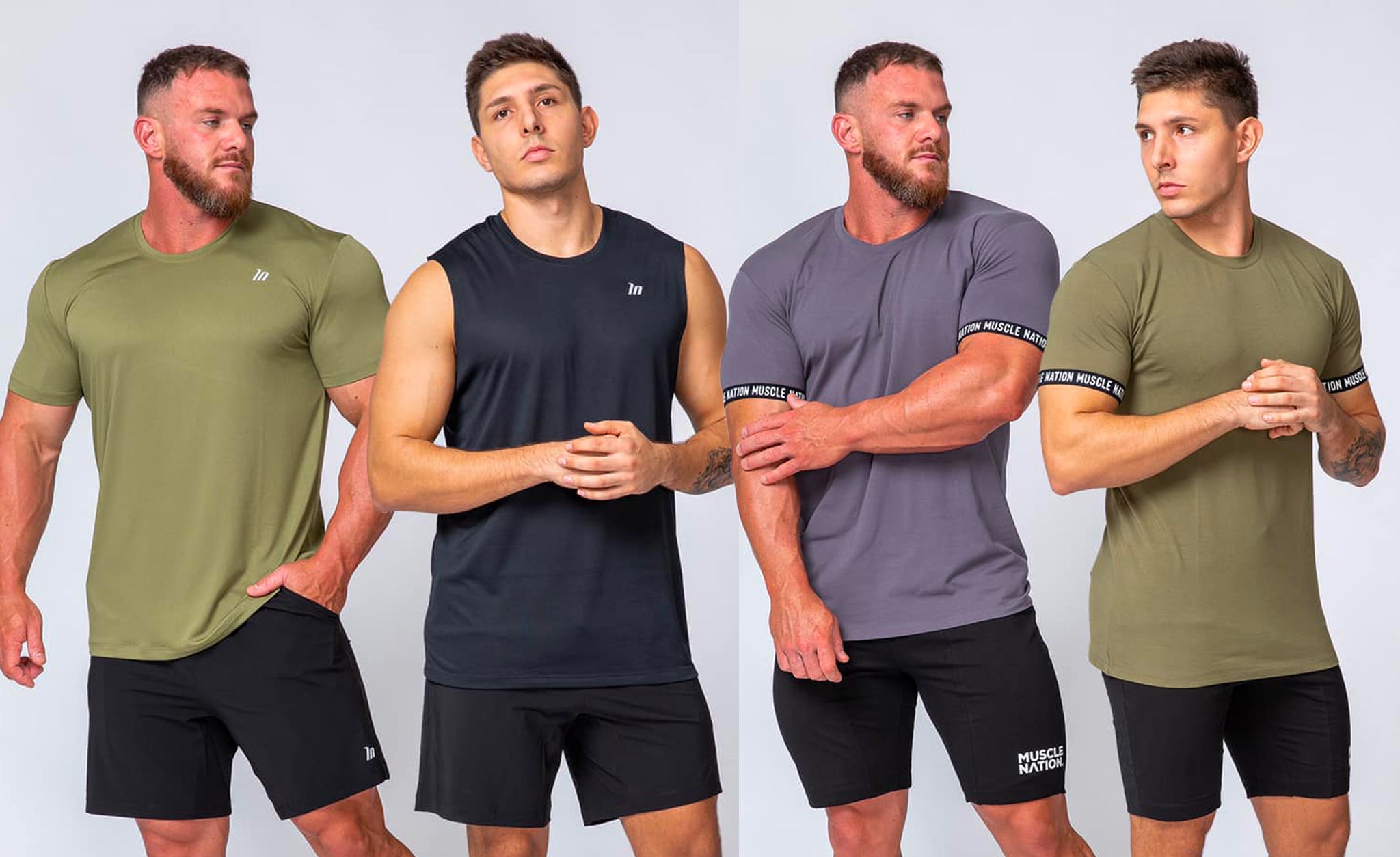
- Tops: T-shirts, tanks, or compression shirts.
- Bottoms: Shorts, joggers, or compression tights.
- Support: Some wear compression shorts under gym shorts for comfort.
For Women
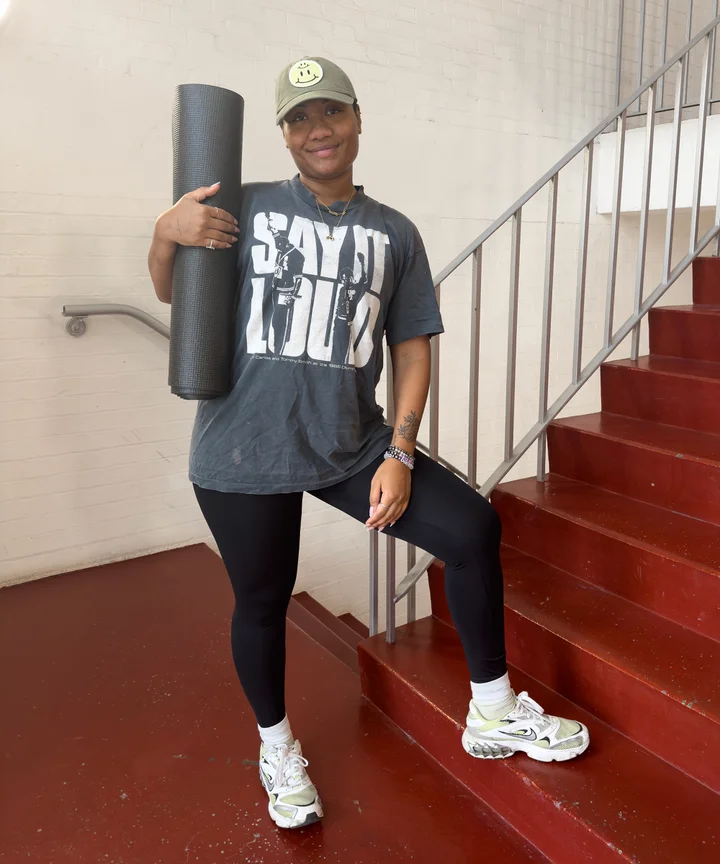
- Tops: Sports bras, tanks, or fitted tees.
- Bottoms: Leggings, capris, or shorts.
- Layers: Some prefer a loose top over a fitted tank or bra.
Practical tip: Pick what makes you feel comfortable, not just what is “for men” or “for women.”
Accessories To Complete Your Gym Outfit
Some extras can make your workout better:
- Headbands or hats: Keep sweat and hair out of your eyes.
- Wristbands: Catch sweat during cardio.
- Fitness tracker or watch: Useful for motivation.
- Gym gloves: Protect hands during lifting.
Tip: Choose lightweight, washable accessories.
How To Shop For Gym Clothes
Smart shopping saves money and gets you the best gear:
- Set a budget: Decide what you need most.
- Try before you buy: Move around in the fitting room.
- Read reviews: Some fabrics pill or stretch out fast.
- Check return policy: In case the fit is not right.
Pro tip: Some stores offer discounts if you bring in old gym clothes for recycling.
Frequently Asked Questions
What Should I Wear To The Gym For The First Time?
Wear comfortable, stretchy clothes like a moisture-wicking t-shirt and athletic shorts or leggings. Bring supportive shoes, a sports bra if needed, and socks. Avoid heavy cotton or clothes that are too tight or loose.
How Do I Know If My Gym Clothes Fit Properly?
Good gym clothes should feel snug but not tight, allow full movement, and stay in place when you stretch or jump. Seams should not rub or irritate your skin.
Can I Wear Gym Clothes All Day?
You can, but it’s best to change after your workout. Sweat and bacteria can build up, which may cause skin problems. Gym clothes are designed for exercise, not all-day wear.
How Often Should I Wash My Gym Clothes?
Wash after every workout, even if you don’t feel very sweaty. This helps prevent odor and keeps the fabric performing well.
Is It Okay To Wear Old T-shirts And Shorts To The Gym?
You can, but gym-specific clothes are better for comfort, movement, and moisture control. Old t-shirts often hold sweat and restrict movement.
Wearing gym clothes the right way is about more than just looking good. It’s about feeling confident, staying safe, and getting the best from every workout. Start with the basics, learn what works for your body and activities, and build your gym wardrobe step by step.
With a little planning and care, your gym clothes can help you reach your fitness goals—and make you feel great every step of the way.
Credit: www.refinery29.com
