

How to Wear Gym Clothes: Style Tips for Every Workout
How To Wear Gym Clothes
The way you wear your gym clothes can completely change your workout experience. Many people underestimate the power of the right outfit at the gym. The truth is, gym clothes are not just about style or looking good in the mirror. They also play a big role in comfort, performance, and even confidence. If you walk into a fitness center unsure about what to wear, you’re definitely not alone. This guide will help you understand everything about wearing gym clothes, from choosing the best fabrics to matching outfits for different workouts.
You’ll learn not only what to wear, but also why certain clothing matters, how to avoid common mistakes, and how to combine function with style. Whether you’re new to the gym or just want to upgrade your fitness wardrobe, this article will answer all your questions.
Let’s dive into the world of gym clothing and see how you can make the most out of every workout.
Understanding The Role Of Gym Clothes
Gym clothes are more than just fashion. They help your body move, breathe, and perform. The best gym clothes support your muscles, reduce sweat, and prevent injuries. When you wear the right gear, you can focus on your workout instead of adjusting your shirt or worrying about sweat marks.
A key point many beginners miss is the importance of temperature control. Some clothes trap heat and make workouts harder. Others let heat and sweat escape, keeping you cool. Also, the right gym clothes can prevent chafing or skin irritation, which is a common problem with everyday wear.
Choosing The Right Gym Clothes
Finding the right clothes starts with understanding your workout needs and your body type. Here’s what to consider:
1. Fabric Matters
The fabric is the foundation of gym wear. The wrong material can make you hot, itchy, or uncomfortable.
- Cotton feels soft and absorbs sweat, but it stays wet and can feel heavy.
- Synthetic fabrics like polyester, nylon, and spandex wick moisture away and dry quickly.
- Blends offer a mix of comfort and performance.
For most workouts, moisture-wicking fabrics are best. They pull sweat off your skin and help you stay dry. If you’re doing yoga or stretching, cotton blends can work, but avoid pure cotton for high-intensity workouts.
2. Fit And Comfort
Your gym clothes should fit well—not too tight, not too loose. Tight clothes can restrict movement and cause discomfort, while baggy clothes can get caught on equipment.
- For cardio and weightlifting, wear fitted tops and bottoms that move with your body.
- For yoga or pilates, choose flexible, stretchy fabrics.
- For running, look for compression leggings or shorts that support your muscles.
If you’re between sizes, try moving around in the fitting room to test comfort.
3. Season And Temperature
Gym clothes should match the climate. In hot weather, wear light, breathable fabrics. In cold weather, layer up with a base layer, an insulating layer, and a breathable outer layer.
- Layering is important for outdoor workouts. Remove layers as you warm up.
- For indoor gyms, a single layer of breathable fabric is usually enough.
4. Support Where Needed
Some activities need extra support. This is especially true for women.
- Sports bras are essential for activities like running, jumping, or HIIT.
- Compression wear can help reduce muscle vibration and fatigue.
5. Durability And Care
Good gym clothes should handle sweat, frequent washing, and stretching. Check for strong stitching, quality materials, and easy care instructions. Clothes that lose shape or color after a few washes aren’t worth your money.
Essential Gym Clothes For Men
Men’s gym wardrobes are simple but must cover key basics. These essentials will keep you comfortable and ready for any workout.
T-shirts And Tank Tops
Look for moisture-wicking t-shirts or tanks. Avoid heavy cotton. Some men prefer tanks for upper body workouts to stay cooler and see their muscle form. T-shirts provide more coverage and are good for group classes or mixed environments.
Shorts Or Joggers
For most workouts, gym shorts with a built-in liner are best. They allow free movement and keep you cool. Joggers or track pants work well for stretching, yoga, or cooler days. Make sure bottoms have a flexible waistband and a good fit.
Compression Wear
Compression shirts and shorts support muscles and may help reduce soreness. They are good under regular clothes or alone for high-intensity training.
Hoodies And Sweatshirts
A hoodie is useful for warming up or heading to and from the gym. Choose lightweight options that you can easily take off.
Socks And Shoes
The right socks prevent blisters and wick away sweat. Athletic shoes should match your activity—running shoes for cardio, cross-trainers for weights, and flat-soled shoes for lifting.
Essential Gym Clothes For Women
Women’s gym clothes must balance support, comfort, and style. The right outfit can boost confidence and make tough workouts more enjoyable.
Sports Bras
A sports bra is non-negotiable for most workouts. Choose low, medium, or high-impact bras based on your activity.
- High-impact: Running, HIIT
- Medium-impact: Cycling, dance
- Low-impact: Yoga, pilates
Try different brands to find what fits your body best.
Tops: Tanks, Tees, And Long Sleeves
Moisture-wicking tops are key. Tanks are cooler and allow arm movement, tees offer more coverage, and long sleeves can keep you warm during warm-ups or in air-conditioned gyms.
Leggings, Shorts, And Capris
Leggings are the most popular choice. Look for squat-proof (non-see-through) leggings with a wide waistband. Shorts and capris are great for hot weather or high-sweat workouts.
Jackets And Layers
A zip-up jacket or hoodie is handy for warm-ups or outdoor workouts. Choose lightweight, breathable options.
Socks And Shoes
Good socks prevent odor and blisters. Shoes should fit the workout—running shoes for cardio, cross-trainers for classes, and flat trainers for lifting.
Matching Gym Clothes To Your Workout
Not all workouts need the same clothes. Here’s a breakdown to help you match your outfit to your routine.
Cardio Workouts
For running, cycling, or aerobics, focus on breathability and sweat control. Wear a fitted top and shorts or leggings. Avoid heavy fabrics. Shoes should have good cushioning.
Strength Training
Wear fitted clothes that let you see your body’s alignment. Compression gear can help. Flat, grippy shoes are important for stability.
Yoga And Pilates
Choose clothes that move with you and stay in place during stretches. High-waisted leggings and fitted tops are common. Skip zippers or buttons that can dig into your skin.
Group Classes
You’ll want something that covers you well and moves easily. Breathable tops and mid-length leggings are a good bet.
Outdoor Workouts
Layering is key. Start with a moisture-wicking base, add an insulating layer (like a fleece), and top with a windproof or water-resistant jacket if needed.
How To Layer Gym Clothes
Layering helps you adjust to changing temperatures. Here’s how to do it right:
- Base Layer: Wicks sweat away from your skin. Choose lightweight, tight-fitting tops.
- Insulating Layer: Keeps you warm. Fleece or lightweight knits work well.
- Outer Layer: Protects from wind and rain. Pick a breathable, water-resistant jacket.
Remove layers as your body heats up. Don’t overdress—sweating too much can make you cold once you stop moving.
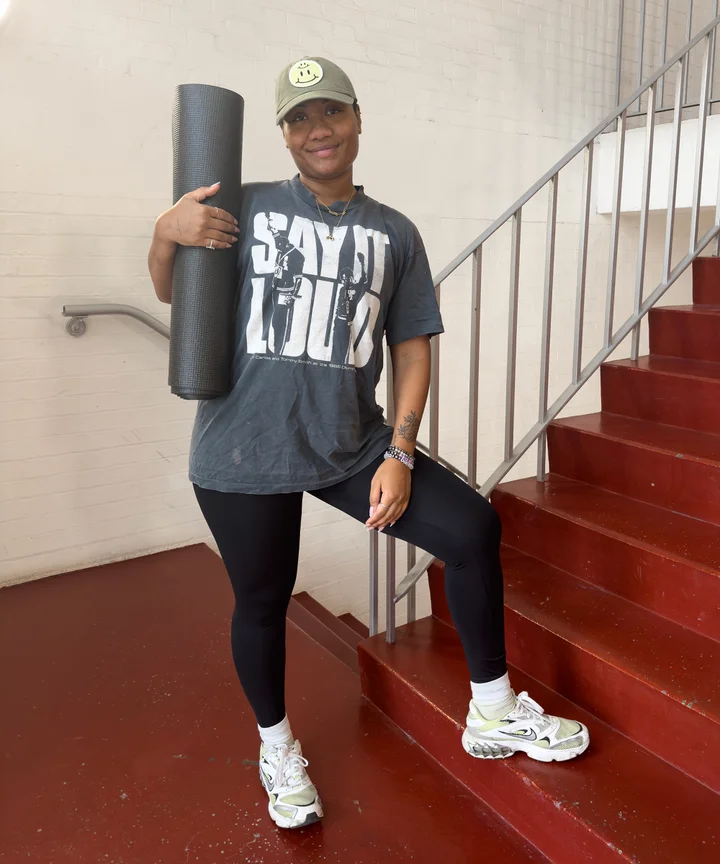
Credit: www.refinery29.com
Gym Clothes And Body Types
The best gym outfit is one that fits your body type and makes you feel confident. Here are some tips:
- Tall people: Longline tops and high-waisted bottoms prevent riding up.
- Shorter frames: Cropped leggings and fitted tops add balance.
- Curvy bodies: Look for high-compression leggings and supportive sports bras.
- Broad shoulders: Raglan sleeves and v-neck tops soften your shape.
Try different cuts and styles to see what flatters your body.
Making Gym Clothes Stylish
You don’t have to sacrifice style for function. Here are ways to express yourself at the gym:
- Mix colors but keep a main color theme.
- Add patterns or prints for fun—camouflage leggings, bright tanks, or striped socks.
- Accessorize with a matching gym bag, water bottle, or headband.
- Layer with a stylish jacket or vest.
Remember: confidence is the best accessory. Wear what makes you feel your best.
Common Mistakes When Wearing Gym Clothes
Even seasoned gym-goers can make mistakes with their outfits. Avoid these common errors:
- Wearing old cotton shirts that soak up sweat and get heavy.
- Choosing clothes that are too tight—they restrict movement and may cause chafing.
- Ignoring support—especially with sports bras or compression gear.
- Not matching shoes to the workout, leading to discomfort or injury.
- Over-accessorizing—watches, jewelry, or belts can catch on equipment.
A less obvious mistake is not testing your outfit before working out. Do a few squats and stretches at home to check comfort and coverage.
Caring For Your Gym Clothes
Proper care helps your gym clothes last longer and stay fresh. Here’s what to keep in mind:
- Wash clothes after every use, especially if they’re sweaty.
- Use cold water and mild detergent to protect fabrics.
- Avoid fabric softeners—they can block moisture-wicking properties.
- Air dry when possible to maintain shape and elasticity.
If you notice a lingering smell, soak clothes in a mix of water and vinegar before washing.
Gym Clothes Accessories
A few extra items can make your gym time easier:
- Sweatbands for your head or wrists.
- Workout gloves for lifting to protect your hands.
- Water-resistant gym bag to keep gear organized.
- Towel for wiping down equipment or sweat.
- Reusable water bottle to stay hydrated.
Choose accessories that match your needs and style.
Comparing Gym Clothes Brands
With so many brands, it’s hard to know where to start. Here’s a comparison of popular gym wear brands for both men and women:
| Brand | Strengths | Price Range | Best For |
|---|---|---|---|
| Nike | Innovative fabrics, wide selection | Medium-High | All-around workouts |
| Adidas | Durability, eco-friendly options | Medium | Running, sports |
| Lululemon | Comfort, style, fit | High | Yoga, training |
| Under Armour | Compression, moisture-wicking | Medium | HIIT, weights |
| Gymshark | Trendy designs, affordability | Low-Medium | Strength training, casual wear |
Try a few brands to see which fit and feel work for your body and budget.

Credit: www.woolyyarn.com
Gym Clothes For Different Budgets
You don’t have to spend a lot to get good gym clothes. Here’s a quick look at what you can expect at different price points:
| Budget | What You Get | Example Items |
|---|---|---|
| Low | Basic function, simple fabrics | Discount store t-shirts, basic shorts |
| Medium | Better fit, moisture-wicking | Brand-name leggings, fitted tops |
| High | Advanced tech, long-lasting, stylish | Lululemon leggings, Nike Pro tops |
Mix and match budget items with a few high-quality pieces for the best value.
How To Build A Gym Wardrobe From Scratch
If you’re starting fresh, here’s a plan to build your gym clothing basics:
- Start with 2–3 tops in moisture-wicking fabric.
- Add 2 bottoms (shorts or leggings) that fit your main workout style.
- Get a good sports bra (for women) or compression shorts (for men).
- Pick one pair of athletic shoes for your main activity.
- Choose a hoodie or zip-up jacket for warm-ups.
- Add socks and a gym bag for essentials.
Expand over time with specialty pieces as you discover your workout preferences.
Sustainability And Gym Clothes
More brands now offer sustainable gym wear made from recycled materials or eco-friendly processes. Look for options marked as sustainable if you want to reduce your footprint. These clothes perform just as well and last longer than many fast-fashion pieces.
For more on sustainable gym clothing, visit Good On You.
Gym Clothes Etiquette
How you wear gym clothes is also about respecting others. Here’s what to remember:
- Wear clean clothes every workout.
- Don’t use strong perfumes or colognes.
- Cover up with a hoodie or jacket when entering or leaving the gym.
- Avoid see-through fabrics in bright light.
- Wipe down equipment after use.
This shows respect for fellow gym-goers and keeps the environment comfortable for everyone.
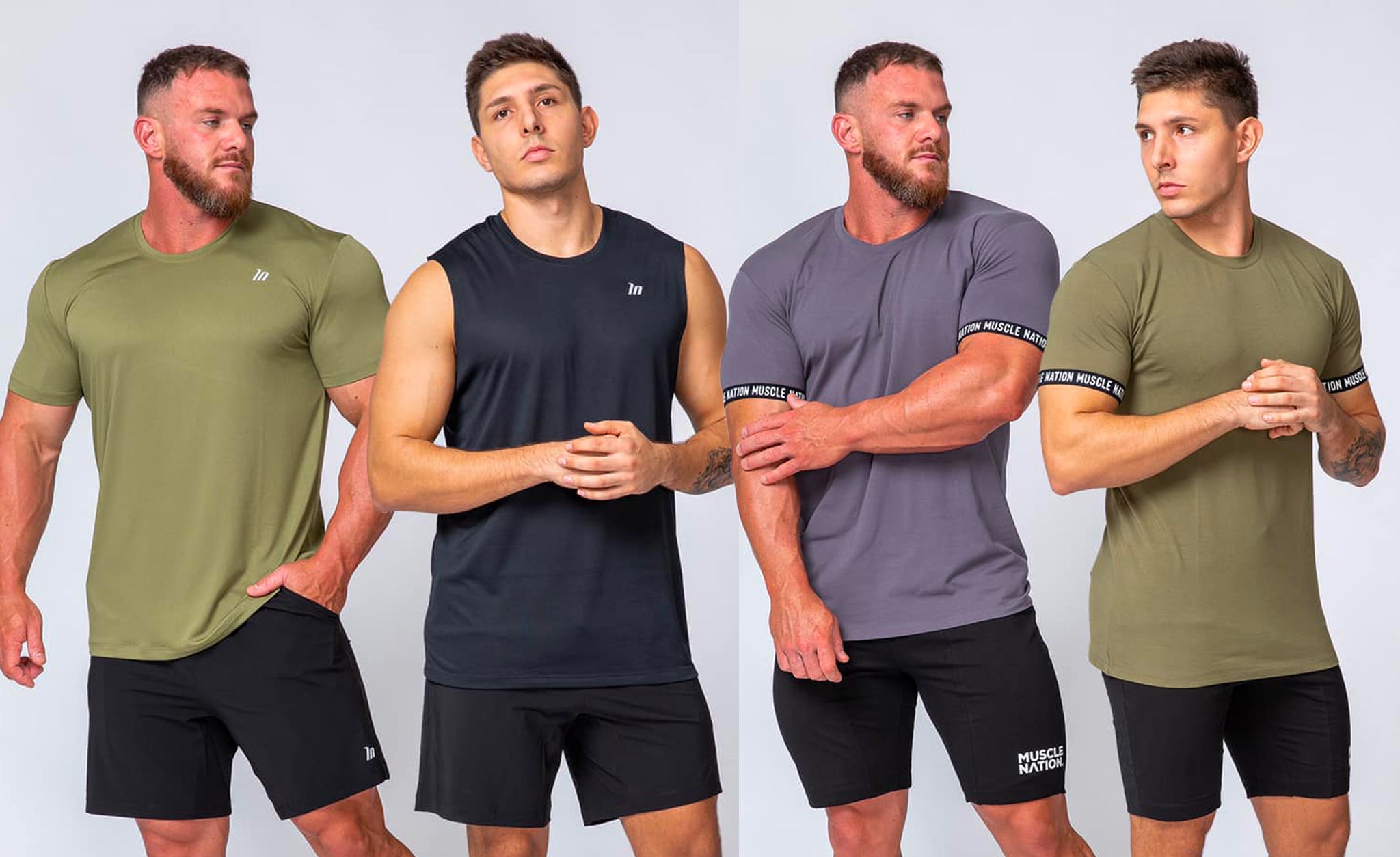
Credit: mvmntlmtd.com
Adapting Gym Clothes For Different Settings
Sometimes you may want to wear gym clothes outside the gym. Athleisure—the trend of wearing athletic wear everywhere—is popular. Here’s how to do it tastefully:
- Pair leggings or joggers with a long top or casual jacket.
- Swap gym shoes for casual sneakers.
- Add simple jewelry or a scarf for style.
Choose gym pieces that look good in both settings for maximum value.
How To Shop For Gym Clothes Online
Buying gym clothes online is convenient but can be tricky. Follow these tips:
- Check size charts for every brand—sizes can vary.
- Read reviews about fit, feel, and durability.
- Look for return policies in case items don’t fit.
- Start with well-known brands before trying lesser-known ones.
If possible, buy one item first to test before buying in bulk.
Gym Clothes For Special Needs
People with sensitive skin, allergies, or disabilities need to be extra careful. Look for:
- Tagless designs to avoid irritation.
- Flat seams that reduce rubbing.
- Adaptive clothing with easy closures or extra support.
If you have specific needs, don’t hesitate to ask brands for advice or search for specialty lines.
The Importance Of Confidence
The right gym outfit boosts your confidence. When you feel good in your clothes, you’re more likely to push yourself and enjoy your workout. Don’t just copy trends—find what makes you feel comfortable and strong.
Frequently Asked Questions
What Are The Best Fabrics For Gym Clothes?
The best fabrics for gym clothes are moisture-wicking synthetics like polyester, nylon, and spandex. These materials pull sweat away from your skin and dry quickly, keeping you comfortable. For yoga or stretching, cotton blends can work, but for sweaty workouts, avoid pure cotton.
How Often Should I Wash My Gym Clothes?
You should wash gym clothes after every use, especially if they’re sweaty. This helps prevent odor and skin irritation. Use cold water, mild detergent, and avoid fabric softeners to protect the fabric’s performance.
Can I Wear Gym Clothes For Everyday Activities?
Yes, many gym clothes are designed to look good outside the gym. This trend is called athleisure. Choose pieces that are stylish, clean, and not too revealing. Pair them with casual jackets or accessories for a complete look.
How Do I Know If My Gym Clothes Fit Properly?
Gym clothes should fit close to the body but not restrict movement. Test your outfit by doing squats, stretches, or jumping. If you feel comfortable and covered, the fit is right. Avoid clothes that are too tight, cause discomfort, or ride up during movement.
What Is The Difference Between Running Shoes And Training Shoes?
Running shoes are designed for forward motion and have more cushioning. Training shoes are made for side-to-side movement, better grip, and stability. Use running shoes for cardio and training shoes for weights or group classes.
Wearing the right gym clothes is about more than just looks. It’s about feeling good, performing well, and expressing your unique style. Take time to find what works for you, care for your gear, and enjoy every workout in comfort and confidence.
With these tips, you’ll walk into any gym ready to give your best.
