

How to Wear Gym Belt for Maximum Support and Safety
Wearing a gym belt seems simple, but most people do it wrong. If you’ve ever watched someone in the gym fumble with their belt, you know this. Some wear it too high, some too low, some leave it on for every exercise, and others have it so loose it’s just for show.
Why does this matter? Because wearing your gym belt the right way can mean the difference between better performance and risking injury. If you want to lift heavier, protect your back, and train smarter, you need to know exactly how to use a gym belt—from fit to timing, to common mistakes.
This guide will walk you through everything you need to know about using a gym belt correctly. We’ll cover how a belt actually works, when you should (and shouldn’t) wear one, how to choose the right belt, and the exact steps to put it on for maximum support.
You’ll also learn advanced tips and find answers to the questions most beginners forget to ask. Whether you’re a first-time lifter or looking to fix years of bad habits, you’ll find clear, practical advice here.
What Is A Gym Belt And Why Use One?
A gym belt, often called a lifting belt or weightlifting belt, is a thick, sturdy belt made from leather, nylon, or other durable materials. The main purpose is to support your lower back and core during heavy lifts. But it does not work by “holding your spine together.” Instead, it increases pressure inside your abdomen—think of it as making your core more solid, like a full soda can rather than an empty one.
When you lift heavy, especially with exercises like the squat, deadlift, and overhead press, your spine is under a lot of load. The belt helps you create more intra-abdominal pressure. This pressure acts as a brace, supporting your spine from the inside. Research shows that wearing a belt can increase this pressure by up to 40%, which may help you lift more weight with better form.
However, a gym belt is not magic. It will not fix poor technique or weak core muscles. If used wrong, it can even create bad habits. That’s why learning how to use one correctly is so important.
Types Of Gym Belts
Choosing the right type of gym belt is the first step. Not all belts are the same. Here are the main types you will see:
| Belt Type | Main Material | Width (cm) | Best For |
|---|---|---|---|
| Powerlifting Belt | Leather | 10 | Squats, Deadlifts |
| Olympic Lifting Belt | Leather/Nylon | 10 (tapered) | Olympic lifts |
| Bodybuilding Belt | Nylon | 10-13 (tapered) | General gym use |
| Velcro Belt | Nylon/Velcro | Variable | CrossFit, Lightweight support |
Powerlifting belts are the thickest and stiffest. They are the same width all around and are best for heavy squats and deadlifts. Olympic lifting belts are a bit thinner in the front to allow for more movement, which is important for Olympic lifts. Bodybuilding belts are usually made of nylon and are more flexible, offering some support but more comfort. Velcro belts are lightweight and easy to adjust, often used in CrossFit or for lighter lifts.
When Should You Wear A Gym Belt?
A common mistake is wearing a belt for every single exercise. In reality, you only need it for lifts where your lower back and core are under maximum strain. Here’s when you should consider using a belt:
- Heavy squats: When you are lifting close to your maximum, especially above 80% of your one-rep max.
- Deadlifts: The belt helps keep your spine safe as you pick up heavy weights from the floor.
- Overhead presses: For standing barbell presses, especially with heavy loads, a belt can support your core.
- Strongman lifts: Atlas stones, log presses, and similar lifts put your core under heavy stress.
You should not wear a belt for:
- Warm-ups or light sets
- Cardio, running, or cycling
- Isolation exercises (like bicep curls or triceps pushdowns)
- Most bodyweight exercises
Wearing a belt all the time can actually weaken your core over time. Use it as a tool, not a crutch.
How A Gym Belt Actually Works
Many people believe a gym belt “protects your back” by holding it in place. That’s not really true. Here’s what’s really happening:
When you put on a belt and brace your core (by taking a deep breath and pushing your stomach against the belt), you create intra-abdominal pressure. This pressure acts like a natural weightlifting “corset,” stabilizing your spine from the inside.
Think of it this way: Imagine a can of soda. When it’s full and sealed, it’s very hard to crush. When empty, it collapses easily. Your core, when braced against a belt, acts like the full can. The belt gives your abs something to push against, letting you create even more pressure.
This is why simply wearing the belt without bracing your core does little to help. The real benefit comes from using the belt as a tool for better bracing.
How To Choose The Right Gym Belt
The right belt can make a huge difference. Here’s what to look for:
Width
Most belts range from 10-13 cm (4-5 inches) wide. Powerlifters often prefer a uniform width. Olympic lifters like a tapered belt (wider in the back, narrower in front) for more hip movement.
Thickness
Common thicknesses are 10 mm and 13 mm. Thicker belts offer more support but can be uncomfortable for some people, especially beginners or those with a shorter torso.
Material
- Leather: Very durable, stiff, and offers maximum support. Takes time to break in.
- Nylon: Lighter, more flexible, easier to adjust, but less support for very heavy lifts.
Closure Type
- Prong: Single or double prong, classic design, very secure.
- Lever: Fast to tighten and release, but not as adjustable.
- Velcro: Quick and adjustable, but may wear out over time and less secure for very heavy lifts.
Sizing
A belt should fit snugly around your waist, not your hips. Measure your waist at the level of your belly button, not where you wear your pants.
Testing Comfort
Try the belt on before buying if possible. You should be able to take a deep breath and brace your core without feeling pinched or restricted.
Step-by-step: How To Wear A Gym Belt Properly
Putting on a gym belt is more than just wrapping it around your waist. Here are the exact steps for proper wear:
1. Position The Belt Correctly
Place the belt around your natural waist, just above the hip bones and below your ribs. For most people, this is at or just above the belly button. Placing it too high or too low reduces support and can be uncomfortable.
2. Tighten The Belt Properly
The belt should be tight, but not painful. You want it snug enough so you can’t slide your hand in easily, but loose enough that you can take a deep breath and brace your core. You should not feel short of breath or like your movement is restricted.
A good test: Take a deep breath into your belly. You should feel your core push against the belt with resistance, but not pain.
3. Breathe And Brace
This is where many lifters go wrong. Simply wearing the belt does nothing unless you use it correctly:
- Stand tall, take a deep breath through your nose, and fill your belly (not your chest) with air.
- As you breathe in, push your stomach out against the belt.
- Hold this pressure as you perform the lift. Release and reset between reps if needed.
4. Wear Only When Needed
Put the belt on just before your heavy set. Take it off between sets or during lighter work. This keeps your core strong and avoids dependency.
5. Adjust As Needed
If you feel pain, numbness, or can’t breathe deeply, loosen the belt slightly. If it moves around or gaps, tighten it a notch.

Credit: squatuniversity.com
Common Mistakes When Using A Gym Belt
Even experienced lifters make errors with gym belts. Here are the most frequent mistakes:
- Wearing the belt too high or too low. This reduces support and can cause discomfort.
- Over-tightening. A belt that is too tight can restrict breathing and movement, making lifts harder, not easier.
- Using the belt for every exercise. This weakens your core and makes you dependent on the belt.
- Relying on the belt instead of technique. A belt is not a fix for poor form.
- Not bracing properly. Just wearing the belt is not enough; you must push your core out against it.
- Buying the wrong size. Too big or too small, and the belt won’t help.
- Never cleaning the belt. Sweat and bacteria build up over time; clean leather belts with a damp cloth and let them dry.
Advanced Tips For Getting The Most From Your Gym Belt
After you know the basics, these advanced strategies can help you get even more benefit:
Use The Belt For Core Feedback
Even during lighter lifts, you can use the belt (loosely) to practice bracing technique. By feeling your core push against the belt, you can train proper breathing and bracing for heavy sets.
Experiment With Belt Placement
Everyone’s torso is different. Some lifters find better support with the belt slightly higher or lower. Adjust during warm-ups to find your sweet spot.
Combine With Proper Footwear
A solid lifting shoe with a stable base helps transfer the core pressure from your belt down to the floor. Avoid soft, squishy shoes during heavy lifts.
Keep Your Core Strong
Don’t neglect core training. Planks, ab rollouts, and other core exercises without the belt help keep your natural support system strong.
Use The Belt For Pr Attempts
Save the belt for your heaviest lifts. This keeps your core working hard most of the time, and gives you a performance boost when you really need it.
Comparing Gym Belt Materials: Leather Vs. Nylon
Choosing between leather and nylon belts can be confusing. Here’s a direct comparison:
| Feature | Leather Belt | Nylon Belt |
|---|---|---|
| Support Level | Maximum | Moderate |
| Comfort | Stiff (softens over time) | Flexible |
| Best Use | Powerlifting, heavy lifts | Bodybuilding, CrossFit |
| Adjustment | Prong or lever | Velcro or buckle |
| Durability | Very high | Good, but Velcro may wear out |
| Price | Higher | Lower |
For most beginners, a good nylon belt is enough. For serious heavy lifting, leather is the way to go.
How To Care For Your Gym Belt
A well-maintained belt can last for years. Here’s how to keep yours in top shape:
- Leather belts: Wipe with a damp cloth after use. Let it air dry. For extra care, use a leather conditioner every few months to keep it from cracking.
- Nylon belts: Hand wash with mild soap and water if it smells or gets dirty. Let it dry fully before use.
- Velcro belts: Keep Velcro clean and free of lint to avoid losing stickiness.
- Storage: Hang your belt or lay it flat in a cool, dry place. Don’t leave it in your gym bag for days.
- Check for wear: Look for cracks, tears, or loose stitching. Replace if the belt is damaged.
Who Should Avoid Using A Gym Belt?
While gym belts can be helpful, they’re not for everyone. You should avoid using a belt if:
- You’re new to lifting and still learning form. Focus on technique and core strength first.
- You have a medical condition (like hernias or heart problems) without doctor approval.
- You’re doing cardio or functional training where mobility is key.
- You’re pregnant (unless cleared by a health professional).
It’s always smart to talk to a coach or physical therapist if you’re unsure.
Myths And Misconceptions About Gym Belts
A lot of misinformation surrounds gym belts. Let’s clear up a few common myths:
- Myth: “Belts make your waist wider.” There is no scientific evidence that wearing a belt changes your waist size.
- Myth: “Only weak people use belts.” Elite lifters use belts because they allow you to lift more safely, not because their cores are weak.
- Myth: “Belts protect you from all injuries.” A belt reduces risk but does not make you injury-proof.
- Myth: “You must wear a belt for every set.” Overusing a belt can weaken your natural core muscles.
- Myth: “Belts are cheating.” A belt is a tool, like shoes or chalk. It helps you lift safely and efficiently.
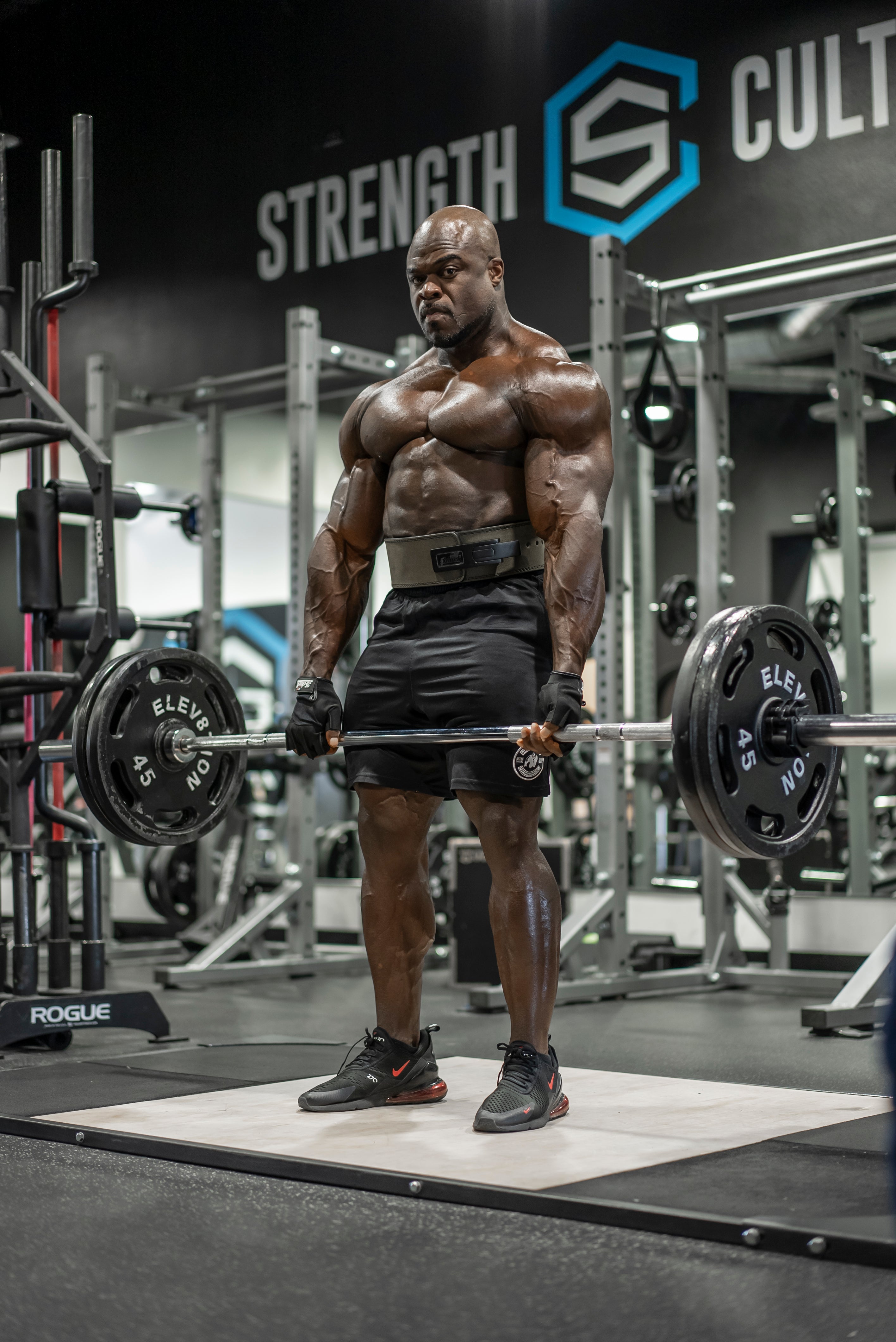
Credit: schiek.com
Real-world Example: Using A Gym Belt For Squats
Let’s walk through a practical example. Imagine you’re getting ready for a heavy squat set.
- Warm up without the belt. Do lighter sets to practice your form and get your core working.
- Put the belt on for your work sets. Position it above your hips, over your belly button.
- Tighten it until snug. You can still breathe deeply, but feel resistance as your core expands.
- Brace your core. Take a big breath into your belly, push out against the belt, and hold that pressure as you squat.
- Squat down and up. Keep the pressure throughout the rep.
- Release and reset between reps. For very heavy sets, re-brace before each rep.
This approach helps you lift with better form and more confidence.
Data: Does A Gym Belt Really Help Performance?
Several studies have tested the effect of belts on lifting performance and safety. The results are clear:
| Study Focus | Main Finding |
|---|---|
| Intra-abdominal Pressure | Belts increase pressure by up to 40% |
| Squat Performance | Lifters can lift 5-15% more weight with a belt |
| Spine Safety | Reduces risk of lower back rounding |
| Core Muscle Activity | No long-term decrease with proper use |
These findings show that belts work—if you use them the right way.
Two Non-obvious Insights About Wearing A Gym Belt
- Belt placement changes with different lifts. For squats, most people wear the belt slightly higher. For deadlifts, a bit lower on the torso is often more comfortable and effective. Experiment to find what supports you best on each lift.
- Belts help you learn proper breathing. If you struggle to brace your core, the feedback from the belt can teach you to breathe into your stomach rather than your chest. This skill is valuable, even when you’re not using the belt.
Frequently Asked Questions
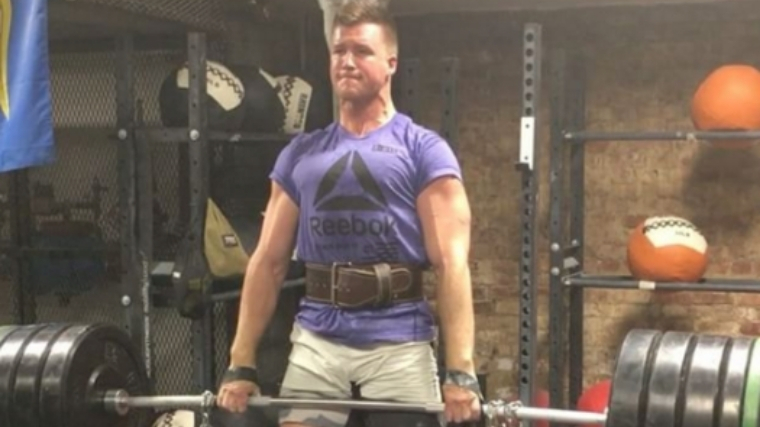
Credit: barbend.com
What Size Gym Belt Should I Buy?
Measure your waist at the level of your belly button, not your pants size. Most brands have sizing charts. Choose a belt that fits snugly with a little room to tighten or loosen. If you’re between sizes, go for the smaller one for a tighter fit.
How Tight Should My Gym Belt Be?
The belt should be snug enough that you feel resistance when you breathe in and brace your core, but not so tight that it restricts your breathing or causes pain. You should be able to take a full, deep breath and push your stomach out against the belt.
Can I Wear A Gym Belt For Every Exercise?
No, you should only use a gym belt for heavy compound lifts like squats, deadlifts, and overhead presses. For warm-ups, light sets, or isolation exercises, skip the belt to keep your core strong.
How Do I Clean And Care For My Gym Belt?
Leather belts can be wiped with a damp cloth and air-dried. Use a leather conditioner every few months. Nylon and Velcro belts can be hand washed with mild soap and water. Always let your belt dry fully before using it again.
Where Can I Learn More About Gym Belt Research?
You can find more research and guidelines on weightlifting belts from trusted sources like the Wikipedia weight training belt page.
Wearing a gym belt can give you confidence, support, and even boost your lifting numbers—but only if you use it the right way. By following these steps, avoiding common mistakes, and paying attention to your own body, you’ll get the full benefit of this essential piece of gym gear.
Train smart, stay safe, and use the belt as a tool to become stronger—not a shortcut.
