

How to Wear Gym Belt for Maximum Support and Safety
How To Wear Gym Belt
Wearing a gym belt can make a big difference in your workout performance and safety. Many people see lifters using a belt at the gym, but not everyone understands when, why, or how to wear it correctly. Some use it for every exercise, while others never touch one. The truth is, using a gym belt properly can help you lift heavier weights, protect your lower back, and improve your lifting technique—but only if you know what you’re doing.
This guide explains everything you need to know about using a gym belt. You’ll learn when to wear one, how to choose the right belt, the step-by-step way to wear it for best results, common mistakes, and advanced tips that most beginners miss.
If you want to stay safe and get stronger, keep reading—you’ll know exactly how to use a gym belt like a pro by the end.
What Is A Gym Belt And Why Use It?
A gym belt (also called a weightlifting belt or lifting belt) is a thick, sturdy strap usually made of leather or nylon. It wraps around your waist and closes with a buckle, Velcro, or lever. The main job of a gym belt is to support your lower back and core during heavy lifts, such as squats, deadlifts, or overhead presses.
A gym belt is not a magic tool. It will not instantly fix poor technique or make you super strong. It is a tool to help you improve your lifting when used correctly. Many lifters notice a clear difference in how stable their midsection feels with a belt on—especially during tough sets.
Main Benefits
- Core stabilization: The belt increases pressure inside your abdomen, helping your core muscles brace harder. This pressure acts like an “internal weight belt,” stiffening your midsection and making your whole body more solid.
- Lower back support: It reduces stress on your lower spine during heavy lifts. The belt doesn’t “hold you up,” but it lets your core muscles do their job with extra help.
- Better lifting technique: Wearing a belt can help you keep your back straight and avoid dangerous rounding. Many lifters find it easier to maintain proper posture.
- More strength: Research shows lifters often move heavier weights safely when using a belt. You may notice more confidence and power in your lifts.
Non-obvious Insight
A gym belt does not only help your lower back—it also helps your whole core work together. When you push your abs out against the belt, you create a “360-degree brace” that supports your entire trunk. This is why you’ll see experienced lifters use belts for big, full-body lifts, not just back movements.
When Should You Use A Gym Belt?
Not every exercise or weight requires a belt. You should consider a gym belt if:
- You lift heavy loads (about 80% or more of your one-rep max)
- You do compound lifts like squats, deadlifts, or barbell rows
- You have a healthy back and want to push your limits safely
If you’re doing bodyweight exercises, or using dumbbells for light sets, a belt is not needed. In fact, you will build more natural core strength if you save the belt for your hardest lifts.
Many beginners see advanced lifters wearing belts and think they should copy them right away. This is a mistake. The belt is most useful when your own core is already strong, and you’re pushing close to your maximum. Think of it as a backup, not a replacement, for your own muscles.
Types Of Gym Belts
Choosing the right belt is important for safety and comfort. There are several types, each with different features. For example, a belt that works well for heavy powerlifting may not feel right for Olympic weightlifting, where more mobility is needed.
| Type | Main Material | Width | Best For |
|---|---|---|---|
| Powerlifting Belt | Leather | Same width all around (usually 4 inches) | Squats, deadlifts, heavy lifts |
| Olympic Lifting Belt | Leather or Nylon | Wider in back, tapered front | Olympic lifts, CrossFit |
| Velcro Belt | Nylon | Varies | General training, lighter lifts |
| Bodybuilding Belt | Leather or Suede | Wider in back, thinner front | Bodybuilding, fitness routines |
Some belts are designed for competition and follow strict rules about thickness and width. Most casual gym-goers do not need a competition-grade belt, but it’s important to know what each style offers.
Key Differences
- Powerlifting belts are very stiff and supportive. They’re great for big lifts but less comfortable for dynamic movements. They do not bend much, so they feel very solid around your waist.
- Olympic-style belts allow more movement, which is better for snatches and clean & jerks. The tapered front gives you more room to bend and move your hips, which helps in fast lifts.
- Nylon belts are lighter and more comfortable but offer less support for very heavy weights. These are good for beginners or people who do not lift near their max.
Non-obvious Insight
Many lifters overlook the importance of the buckle or closure system. For example, a lever buckle is very quick to use, but not adjustable mid-workout. A double-prong buckle is secure but harder to fasten or remove between sets. Consider how often you will be taking the belt on and off and how much adjustability you need.
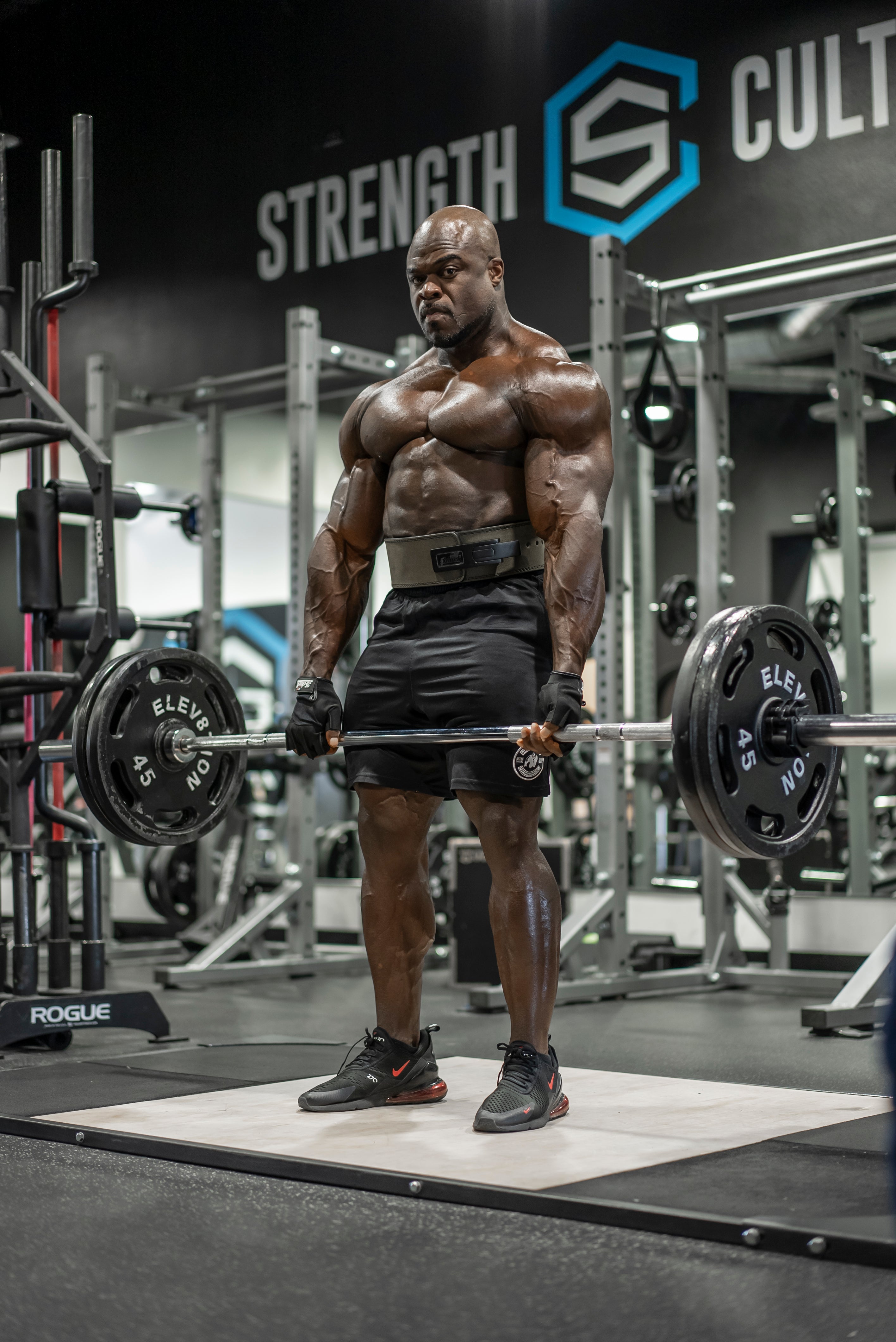
Credit: schiek.com
How To Choose The Right Gym Belt
Finding the best gym belt depends on your training style and body shape. Consider these factors:
- Purpose: Are you doing powerlifting, Olympic lifting, or general fitness? Choose a belt designed for your main activity. For example, CrossFit athletes often prefer nylon belts for comfort during mixed workouts.
- Material: Leather belts give the most support but take time to break in. Nylon belts are softer and lighter. Suede is a softer type of leather and can be more comfortable.
- Width: Most lifters prefer a 4-inch-wide belt for all-around support. Thinner belts can dig into your sides or feel less stable. If you have a short torso, a very wide belt may feel uncomfortable.
- Closure Type: Prong buckles are very secure. Lever buckles are easy to tighten and release. Velcro belts are quick but may wear out faster. Some brands offer single or double prongs—double prongs spread pressure but are a bit harder to fasten.
- Fit and Size: Measure your waist at your navel (not your pants size). Try different belts if possible—some people need a longer or shorter model for comfort. A good belt should fit snugly without pinching or sliding.
Example
If you’re a beginner lifting mostly moderate weights, a nylon Velcro belt may be more comfortable. If you’re training for a powerlifting meet, invest in a thick, all-leather belt with a secure buckle.
Common Buying Mistakes
- Picking a belt that’s too wide or too narrow for your body. A belt that is too wide will dig into your ribs or hips; too narrow offers little support.
- Choosing a cheap belt that loses shape or breaks quickly. A good belt is an investment in your safety and progress.
- Using your pants size instead of your waist measurement. Gym belts are sized differently—always measure around your belly button when you exhale.
- Buying a belt for style, not function. A colored or flashy belt is useless if it doesn’t support your lifts.
Non-obvious Insight
Some people buy belts that are too stiff, thinking more stiffness is always better. But if you struggle to get into position for your lifts (especially deadlifts or cleans), a slightly softer belt may actually help you brace better and move more naturally.
When Should You Wear A Gym Belt?
Timing matters. Wearing a belt all the time is a mistake. Save your belt for:
- Heavy sets: Use your belt for working sets at 80% or more of your max, or when you struggle to keep your core tight.
- Max attempts: Always wear your belt for personal bests or competitions.
- Back-intensive lifts: Use the belt for squats, deadlifts, overhead presses, barbell rows, and similar exercises.
- Lower back injuries: If you have a history of back pain, ask your doctor or coach before using a belt.
Do not wear a belt for:
- Warm-up sets or light weights.
- Isolation exercises (curls, extensions, calf raises).
- Cardio or stretching.
Practical Example
Suppose you’re doing squats for 5 sets: warm up with light weight for the first two sets without a belt, then put your belt on for the last three heavy sets. This approach builds core strength and gives you the most support when it matters.
Non-obvious Insight
If you’re learning a new lift or practicing technique, skip the belt. This helps you learn how to brace your core naturally and feel what good posture is like without extra support.
Step-by-step: How To Wear A Gym Belt Correctly
Most people put on a gym belt, but few wear it properly. Here’s the right way, step by step.
1. Position The Belt
Place the belt around your waist, not your hips. The belt should sit over your abdominal muscles and lower back—usually just above your belly button. It should not cover your ribs or sit too low on your hips.
For deadlifts, some lifters prefer the belt a little lower. For squats, slightly higher may feel more supportive. Everyone’s body shape is different, so experiment to find your best fit.
2. Adjust For A Snug Fit
Pull the belt tight enough that you can feel it, but not so tight that you cannot breathe or brace your core. You should be able to fit one or two fingers between the belt and your body. Too loose means no support; too tight means you can’t brace or breathe.
A belt that is too tight may actually make it harder to generate core pressure, so always check your breathing before you lift.
3. Center The Buckle
Make sure the buckle or lever is in the middle, not on your side. This helps the belt stay even when you move. If the buckle is off-center, the belt can shift or dig into your side during the lift.
4. Test Your Breathing
Take a deep breath into your belly (not your chest). Your core should push against the belt—this is called intra-abdominal pressure. Practice bracing your core while pushing out into the belt.
If you can’t push your abs into the belt, it may be too tight or in the wrong position.
5. Practice Bracing
Before you lift, inhale deeply and press your abs out against the belt. Hold this pressure as you lift. This stabilizes your spine and helps the belt do its job.
A common error is breathing into your chest instead of your belly. Chest breathing does not create the solid core you need for heavy lifts.
6. Adjust As Needed
Some lifters prefer the belt a little higher or lower, depending on the exercise. For squats, many people wear it just above the navel; for deadlifts, a bit lower can feel better. Experiment during warm-ups to find your best spot.
Non-obvious Insight
Don’t be afraid to move the belt between sets. Your body position changes between squats, deadlifts, and presses, so adjust the belt’s height and tightness as needed for each lift.
Tips For Getting The Most From Your Gym Belt
Wearing a gym belt is not just about putting it on. Here are ways to use it better:
- Warm up without the belt: Start your workout without the belt to let your core muscles activate. This keeps your natural bracing strong.
- Use the belt only when needed: Save it for your hardest sets or heaviest lifts. Overusing the belt can make your core lazy.
- Take it off between sets: This prevents over-reliance and lets your core recover. It also helps your skin breathe and keeps the belt dry.
- Keep your core tight: The belt helps, but it does not replace good bracing. Always focus on core tension.
- Check belt condition: A worn-out belt loses support. Replace it if you see cracks, loose stitching, or weak Velcro.
- Clean your belt: Sweat and bacteria can build up. Wipe leather with a damp cloth and let it dry. For nylon, hand wash gently.
Extra Tip
If you’re training for a competition, practice with the same belt and settings you’ll use on meet day. This helps your body get used to the feel and timing.
Non-obvious Insight
Some lifters use a “belt cue”—for example, they gently tap the belt right before a heavy lift as a mental reminder to brace hard. This small routine can help you focus and perform better.

Credit: squatuniversity.com
Common Mistakes When Using A Gym Belt
Even experienced lifters make errors. Avoid these:
- Wearing the belt for every set: This can weaken your core muscles because they rely too much on the belt.
- Wearing the belt too loose or too tight: Both reduce support and can hurt your performance.
- Incorrect positioning: Too high or too low means the belt cannot support your spine correctly.
- Not bracing properly: The belt only helps if you push your core out against it.
- Using the wrong belt for your activity: A thick, stiff powerlifting belt is not good for Olympic lifts, and a thin Velcro belt is not enough for max deadlifts.
- Ignoring breathing: Failing to use belly breathing reduces the belt’s effect.
- Never cleaning the belt: This leads to odor and bacteria.
Practical Example
Many beginners wear the belt “just in case” for every exercise, even bicep curls or light warm-ups. This habit slows core development and makes it harder to know when the belt is actually needed.
Advanced Techniques: How Pros Use A Gym Belt
Top lifters know extra tricks to get the best from their belts. Here are two insights beginners often miss:
1. Timing Your Breathing And Bracing
Many new lifters try to tighten the belt instead of their core. The real secret is to take a big breath into your belly, push your abs out, and then lock your core hard against the belt as you begin the lift.
Release the breath only after you finish the hardest part. This creates a strong “cylinder” of pressure that protects your spine.
Timing your breath is especially important during heavy sets. For example, take your breath and brace before starting a squat, hold it through the movement, and only exhale after you pass the hardest point. This “Valsalva maneuver” is common among powerlifters.
2. Adjusting Belt Position For Each Lift
Some pros move the belt higher or lower depending on the movement. For example:
- Squats: Most wear the belt just above the navel for best leverage.
- Deadlifts: Slightly lower placement helps keep the belt out of the way as you bend down.
- Overhead presses: Some wear the belt a bit higher to support the thoracic spine.
Try different positions during warm-ups to see what feels best for each lift.
3. Training Without A Belt
Elite lifters often do some sets without a belt to keep their core muscles strong. Use the belt only for heavy sets, not for every exercise. This balances safety and long-term strength.
Non-obvious Insight
Some advanced lifters use “partial bracing” during warm-ups—they practice pushing their abs out against an imaginary belt. This teaches the body to brace even without extra equipment, so you are always stable, even when you don’t have your belt.
How To Maintain Your Gym Belt
A good gym belt can last many years with simple care.
- Leather belts: Wipe with a damp cloth after workouts. Let it air dry; do not leave it in a hot car. Use leather conditioner once in a while to keep it flexible.
- Nylon belts: Hand wash in cold water with mild soap. Rinse and air dry.
- Check for damage: Look for cracks, loose rivets, or worn-out Velcro. Replace if the belt loses support.
Extra Tip
Store your belt flat or rolled loosely. Keeping it bent or crushed in your bag can cause it to lose shape over time.
Non-obvious Insight
If you sweat a lot, consider buying two belts—one for daily training and one for competitions. This way, your “meet belt” stays clean and in perfect condition.
Gym Belt Vs. No Belt: What’s The Real Difference?
Some people believe a gym belt is “cheating” or makes you weak. But research and real-world experience show a belt can help most lifters when used correctly.
| With Belt | Without Belt |
|---|---|
| More core pressure | Lower intra-abdominal pressure |
| Can lift heavier weights safely | May be limited by lower back strength |
| Better back support | Relies fully on core muscles |
| Useful for max attempts | Better for building raw core strength |
Practical Example
A lifter who squats 100 kg without a belt might be able to squat 110–115 kg safely with a belt, thanks to extra core support. But if they use the belt for every set, their unbelted core strength may stop improving.
Smart lifters train both ways.
Non-obvious Insight
Some lifters use “beltless days” on purpose. For example, they do all accessory lifts or one training session per week without a belt. This helps maintain core strength and prevents over-reliance on equipment.
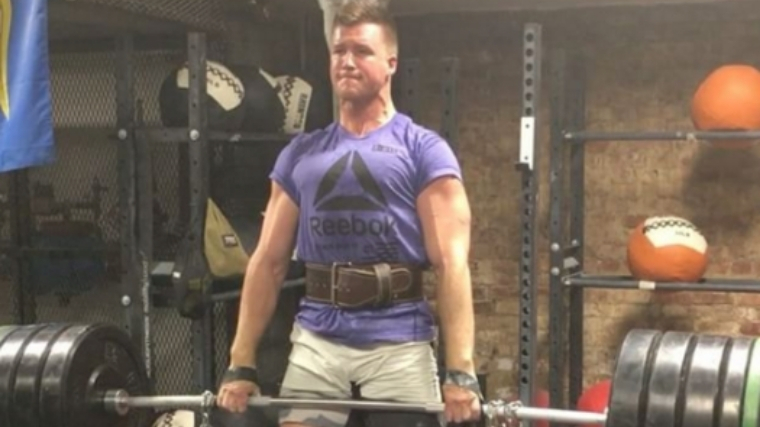
Credit: barbend.com
Frequently Asked Questions
How Tight Should A Gym Belt Be?
A gym belt should be snug but not painful. You should be able to take a deep breath and push your abs into the belt, but not so tight that you can’t inhale or feel dizzy. Being able to slide one or two fingers between the belt and your stomach is a good sign.
If you feel lightheaded or can’t brace your core, loosen the belt a notch. Remember, the goal is to support—not restrict—your movement.
Do I Need To Break In A New Leather Belt?
Yes, a new leather belt is often stiff. To break it in, wear it during warm-ups and bend it gently with your hands. Over time, it will become more comfortable and shape to your body.
You can also roll the belt gently back and forth to soften it. Don’t try to rush the process by soaking or heating the belt, as this can damage the material.
Should Beginners Use A Gym Belt?
Most beginners do not need a gym belt right away. Focus on learning good form and building core strength first. Add a belt when you start lifting heavy weights (about 80% of your max) or struggle to keep your back straight.
If you feel your form breaking down on heavy lifts, ask a coach to watch and give advice before adding a belt.
Can Wearing A Belt Cause A Hernia?
A properly used gym belt does not cause hernias. In fact, it may lower risk by helping you brace your core and protect your spine. However, using a belt to lift weights that are too heavy for your body or using poor technique can increase injury risk.
If you have a medical history or concerns, speak to a doctor or physical therapist before using a belt.
Where Can I Find More Information On Lifting Belts?
You can learn more about the science and usage of weightlifting belts from reputable sources like this Wikipedia article on weightlifting belts.
Wearing a gym belt is a skill that takes practice. Use it wisely, combine it with good technique, and you’ll lift safer and stronger for years to come.
