

How to Wear Gym Belt for Maximum Support and Safety
Wearing a gym belt can make a big difference in your strength training. Many people see others using belts at the gym, but few truly know how to wear them correctly for the best results. Some wear a belt all the time, thinking it will protect their back. Others use it only for heavy lifts, but might not know how to position it or when to tighten it. If you want to train safely and get stronger, it’s important to understand the real purpose of a gym belt, how to choose the right one, and exactly how to use it.
Let’s explore everything you need to know about how to wear a gym belt—from picking the right belt, adjusting it for your body, and using it during your workouts. You’ll learn not just “how,” but also “why” each step matters. Along the way, you’ll discover tips and insights even many regular gym-goers miss. Whether you’re a beginner or already lifting heavy, you’ll finish this guide knowing how to use a gym belt like a pro.
Why Use A Gym Belt?
A gym belt is not just a fashion statement or a way to look strong. It’s a tool designed to help your body stay safe and perform better during certain exercises. Understanding the reasons for using a belt is the first step to using it correctly.
Core Stability And Intra-abdominal Pressure
When you lift heavy weights, especially in exercises like squats or deadlifts, your body needs stability. A gym belt helps by increasing intra-abdominal pressure. This pressure acts like an internal brace, supporting your lower back. Think of it as a soda can—when it’s full and sealed, it’s hard to crush. The belt helps your body become more like that full can, resisting the force of the weights.
Injury Prevention
Many believe a belt makes you immune to injuries, but this is not true. A gym belt acts as an extra layer of support for your spine. It doesn’t replace good lifting technique, but it can reduce the risk of lower back injuries when used properly on heavy lifts.
Performance Enhancement
Wearing a gym belt can actually help you lift a bit more weight. Studies show that lifters often perform 5–15% better on their maximum lifts when using a belt. This is because the belt helps your core muscles work together more effectively.
Confidence And Mind-muscle Connection
For many, using a gym belt creates a stronger mind-muscle connection. It reminds you to keep your core tight and your back straight, which are key for safe lifting.
When Should You Wear A Gym Belt?
Some people put on a belt for every exercise. Others never use one. The truth is, the best time to wear a gym belt depends on your training goals and the type of exercise.
Best Exercises For A Gym Belt
A gym belt is most useful for:
- Squats: Especially when lifting near your maximum weight.
- Deadlifts: Both conventional and sumo styles.
- Overhead Presses: When using heavy weights.
- Power Cleans and Snatches: For advanced lifters during heavy sets.
- Strongman Lifts: Such as atlas stones or yoke carries.
When Not To Use A Belt
A belt is not needed for:
- Light warm-up sets
- Isolation exercises (like bicep curls or leg extensions)
- Cardio workouts
- Most bodyweight movements
Using a belt all the time can make your core muscles lazy. It’s better to use it only when you really need extra support—usually at weights above 80% of your maximum.
Common Mistake: Wearing A Belt Too Early
Beginners sometimes wear a belt before they have learned good form. This is a mistake. Build your core strength with lighter weights first. Only add a belt when you’re lifting heavy and your technique is solid.
Types Of Gym Belts And How To Choose
Not all gym belts are the same. The right belt for you depends on your goals, body shape, and lifting style.
Main Types Of Gym Belts
| Belt Type | Main Features | Best For |
|---|---|---|
| Prong Belt | Single or double prong buckle, leather, 4-inch width | Powerlifting, general strength training |
| Lever Belt | Quick release lever, thick leather, adjustable | Powerlifting, heavy single lifts |
| Velcro Belt | Velcro closure, nylon, flexible | Olympic lifting, CrossFit, general gym use |
| Bodybuilding Belt | Tapered design, wider at the back | Bodybuilding, comfort-focused workouts |
How To Choose The Right Belt
- Width: Most lifters use a 4-inch wide belt. Wider belts offer more support for the lower back, but can feel uncomfortable for some.
- Material: Leather belts are the strongest and last the longest. Nylon belts are softer and fit better for dynamic movements.
- Closure: Prong and lever belts provide the most secure fit. Velcro is easier to adjust but may not hold as firmly for very heavy lifts.
- Thickness: Thicker belts (10–13 mm) give more support but are stiffer. Thinner belts (6–8 mm) are more comfortable for beginners.
Sizing Your Gym Belt
Measure your waist around your belly button, not your jeans line. Most people wear their gym belt higher than their pants. Try different sizes before buying if possible. A good fit means the belt is tight, but you can still breathe and brace your core.
Key Insight: Belt Shape Matters
A straight belt is better for powerlifting. A contoured or tapered belt (wider in the back) can be more comfortable for people with shorter torsos or for exercises that need more movement.
How To Wear A Gym Belt Correctly
The most important part of using a gym belt is wearing it the right way. Here’s a step-by-step guide to putting on your belt for the best support and safety.
1. Position The Belt Properly
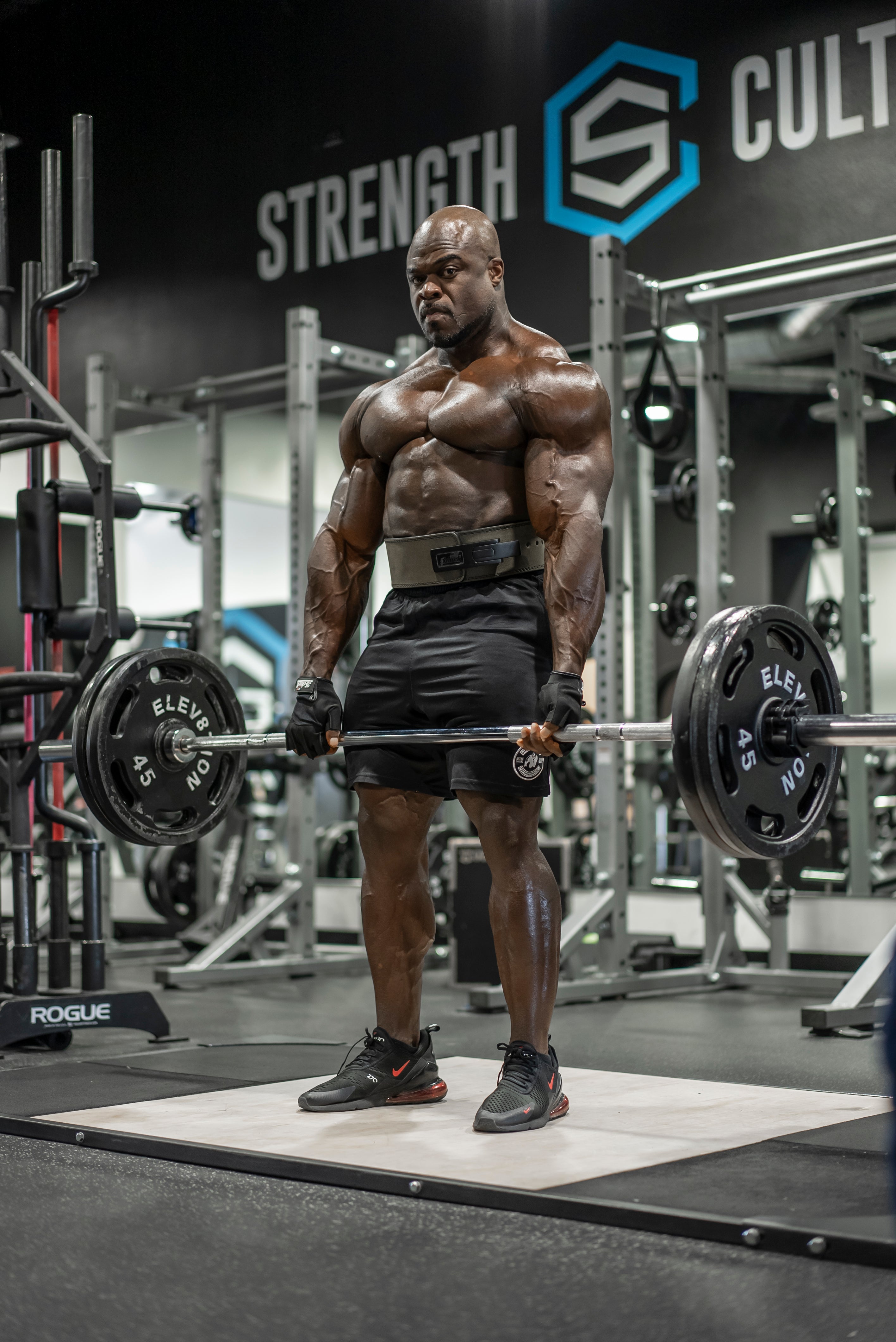
Place the belt around your core, not your hips. The top of the belt should sit just above your hip bones, and the bottom should cover your lower back muscles. The belt should sit over your abdominal muscles, not your stomach fat or your rib cage.
- If the belt is too high, it will dig into your ribs.
- If it’s too low, it will slide over your hips and not give support.
For most people, the belt lines up with the belly button or just below it.
2. Tighten The Belt—but Not Too Much
Pull the belt tight enough to feel firm pressure, but not so much that you can’t breathe or flex your core muscles. You should be able to take a deep breath and push your stomach against the belt. If you can’t, the belt is too tight.
Test this before lifting:
- Take a deep breath in. Push your belly out against the belt.
- Hold the air. You should feel pressure, but still be able to brace your abs hard.
If you can fit a few fingers under the belt, it’s probably about right.
3. Fasten The Closure Securely
For prong or lever belts, make sure the buckle is fully closed. For Velcro belts, press the Velcro firmly together and check that it doesn’t peel off when you twist or brace.
4. Stand Up And Move
Walk around and squat down. The belt should stay in place. If it rides up or down, adjust the position. If it feels like it’s pinching or limiting your movement, shift it slightly higher or lower.
5. Use The Belt During The Lift
Put the belt on just before your heavy set. Take a deep belly breath, brace your core, and lift. Remove or loosen the belt between sets so you don’t get uncomfortable or restrict blood flow.
Example: Wearing A Belt For Squats
- Step under the bar.
- Place the belt around your core, just above your hip bones.
- Tighten until you feel firm but not painful pressure.
- Take a deep breath, brace your abs into the belt, and squat.
Example: Wearing A Belt For Deadlifts
- Step up to the bar.
- Set the belt in the same position as for squats.
- Some lifters prefer the belt slightly higher for deadlifts—experiment to find your best spot.
Key Insight: Belt Position Varies
Everyone’s body is different. The best position for your gym belt may be a little higher or lower than other people’s. Try different spots during your warm-ups to find what gives you the most support.
Credit: schiek.com
Bracing Your Core With A Gym Belt
Just wearing the belt is not enough. You have to use it correctly to get the benefits. The secret is bracing your core.
What Is Bracing?
Bracing means tightening your abdominal muscles as if someone was about to punch you in the stomach. When you brace, you fill your belly with air and push it out against the belt.
How To Brace Properly
- Stand tall with the belt on.
- Take a deep breath in through your nose, filling your belly with air (not your chest).
- Push your abs out against the belt as hard as you can.
- Hold this pressure during the lift.
- Exhale and reset after each rep or set.
Common Mistake: Sucking In Your Stomach
Many beginners try to “suck in” their stomach, thinking it will make their core tighter. This is wrong. Instead, push out against the belt to create pressure.
Practice Bracing Without Weight
Before using the belt during heavy lifts, practice bracing with just your bodyweight. Try to feel the pressure against the belt. This will make it natural during real lifts.
When To Put On And Take Off The Belt
Timing matters. You don’t need to wear the belt for your whole workout.
When To Put The Belt On
- Before your heaviest sets (above 80% of your max)
- When practicing new max lifts
- During hard sets of squats, deadlifts, or overhead presses
When To Remove Or Loosen The Belt
- Between sets, so you can breathe and recover
- During warm-ups and lighter sets, to train your core muscles
- For all other exercises, so you don’t depend on the belt
Practical Tip: Don’t Overuse The Belt
Relying on a belt for every exercise can make your core muscles weaker over time. Use it only when you need the extra support.
Common Mistakes When Using A Gym Belt
Wearing a gym belt seems simple, but many people make mistakes that reduce its benefits or even make lifting more dangerous.
1. Wearing It All The Time
Using a belt for every set and exercise can weaken your natural core strength. Save the belt for your hardest lifts.
2. Wearing It Too High Or Too Low
If the belt is up on your ribs or down on your hips, it won’t give your back the support it needs.
3. Wearing It Too Loose Or Too Tight
A loose belt gives no support. A belt that’s too tight can stop you from bracing your core or even make you dizzy.
4. Not Bracing Properly
Simply putting on the belt does not protect you. You must brace your core hard against the belt for it to work.
5. Using The Wrong Type Of Belt
A soft Velcro belt may slip during heavy powerlifting. A stiff, thick belt may be uncomfortable for CrossFit. Choose the right belt for your needs.
6. Not Practicing With The Belt
Don’t try a belt for the first time during a max lift. Practice wearing and bracing with the belt during lighter sets.
Key Insight: Belt Habits Are Personal
Some lifters wear the belt for their heaviest set only. Others use it for the last few warm-ups as well. Find what works for you, but don’t use the belt as a crutch.
Gym Belt Myths And Facts
There’s a lot of confusion about gym belts. Let’s clear up the most common myths.
Myth 1: A Belt Replaces Good Technique
Fact: The belt is not a magic shield. You must still use good form on every lift. The belt only adds support to an already strong core and good technique.
Myth 2: Belts Are Only For Advanced Lifters
Fact: Belts can help anyone who lifts heavy weights, even beginners. The key is learning proper technique first.
Myth 3: Wearing A Belt All The Time Is Safe
Fact: Overuse can make your core weaker. Use the belt only when you need extra support.
Myth 4: A Belt Prevents All Injuries
Fact: The belt reduces risk, but does not make you injury-proof. Never lift more than you can handle, and don’t ignore pain.
Myth 5: Belts Make You Stronger Instantly
Fact: Belts help you lift more by improving core stability. They don’t build strength directly. You still need to train hard.

Credit: squatuniversity.com
Comparing Gym Belts: Which One Is Right For You?
Choosing the right belt can be confusing. Here’s a quick comparison.
| Belt | Support Level | Comfort | Best Use |
|---|---|---|---|
| Lever Belt | Very High | Stiff, less flexible | Powerlifting, max lifts |
| Prong Belt | High | Adjustable, durable | General strength |
| Velcro Belt | Medium | Very comfortable | CrossFit, Olympic lifts |
| Bodybuilding Belt | Medium | Comfortable, flexible | Bodybuilding, high reps |
Advanced Tips For Using A Gym Belt
Once you know the basics, these advanced tips can help you get more from your gym belt.
1. Experiment With Belt Position
Small adjustments can make a big difference. Try moving the belt up or down an inch during your warm-ups to see what gives the most support without discomfort.
2. Use The Belt As A Training Cue
Let the pressure of the belt remind you to brace your core before every lift. Some lifters tap the belt as a signal to tighten up.
3. Practice Bracing Without The Belt
On lighter sets, practice bracing your core without the belt. This helps keep your natural strength and ensures you don’t become dependent on the belt.
4. Maintain Your Belt
Clean sweat and chalk off the belt after each workout to help it last longer. Leather belts can be treated with special oils to keep them flexible.
5. Don’t Share Your Belt
Everyone’s waist size and shape is different. Sharing belts can lead to poor fit and less support. Invest in your own belt for best results.
6. Check Your Belt Regularly
Inspect your belt for cracks, worn holes, or loose stitching. Replace it if you see any signs of weakness.
7. Belt For Different Lifts
You may find that a slightly looser belt works better for deadlifts, and a tighter one for squats. Adjust the tightness based on the exercise.
Key Insight: Belt Comfort Changes
Your waist size can change during a workout as you warm up and sweat. Adjust the belt tightness between sets if needed.
How To Progress With And Without A Gym Belt
Using a belt is one part of a smart strength training plan. Here’s how to balance training with and without the belt.
Start Without The Belt
When you’re learning new exercises or lifting lighter weights, don’t use the belt. Focus on building natural core strength.
Add The Belt For Heavy Sets
Once you’re lifting weights near your maximum, use the belt for the extra support. This helps you push for new personal bests safely.
Cycle Belt Use
Some lifters train without a belt for several weeks, then add the belt before a competition. This can help “peak” your performance.
Track Your Progress
Keep a log of which lifts you do with and without the belt. Notice if you’re getting stronger both ways. This helps you identify weaknesses and keep your core strong.
Key Insight: Core Strength Is The Foundation
A gym belt is most effective when your core muscles are already strong. Use the belt to protect your back on heavy lifts, but don’t skip core training.
Real-world Example: Lifter’s Story
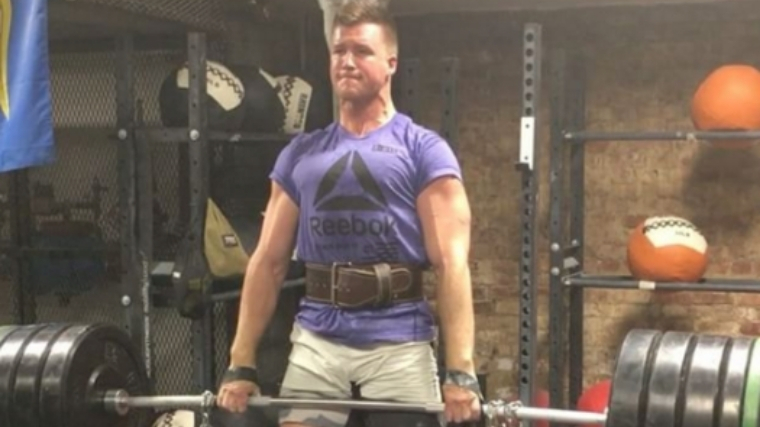
Maria, a new powerlifter, started using a gym belt after six months of training. She noticed that she could squat 10% more weight with the belt. At first, she wore the belt for every set. After talking with her coach, she switched to using it only for her top sets.
Her core got stronger, and her lifts improved even more. Maria’s experience shows that the right belt, used at the right time, can boost performance and keep you safe.
Credit: barbend.com
Gym Belt Safety And Maintenance
Using a gym belt is safe when you follow a few simple rules.
Safety Tips
- Never use a damaged or worn-out belt.
- Don’t tighten the belt so much that you feel dizzy or can’t breathe.
- Always warm up your body before heavy lifting, with or without the belt.
- If you feel pain in your back or stomach, stop and check your technique.
Maintenance Tips
- Wipe sweat off the belt after each use.
- Store leather belts flat, not rolled, to prevent cracking.
- Check the buckle, prong, or Velcro for wear and tear.
- Replace your belt if it doesn’t feel secure.
External Resource
For more detailed guidance on gym equipment safety, see the recommendations by the Wikipedia Weight Training page.
Frequently Asked Questions
How Tight Should A Gym Belt Be?
A gym belt should feel tight enough to create support and pressure, but not so tight that you can’t breathe or brace your core. You should be able to take a deep belly breath and push your abs out against the belt.
Should I Wear A Gym Belt For Every Exercise?
No, use a gym belt only for heavy compound lifts like squats and deadlifts. For warm-ups, light sets, and isolation exercises, train without the belt to keep your core strong.
Can Beginners Use A Gym Belt?
Yes, but only after learning proper lifting technique. Start training without a belt to build your core, then add the belt for heavy sets when your form is solid.
How Do I Know If My Belt Fits Correctly?
Your belt fits if it sits snugly around your core, just above your hip bones, and doesn’t slide up or down when you move. You should feel pressure but still be able to breathe deeply and brace your core.
What’s The Difference Between A Prong, Lever, And Velcro Belt?
A prong belt uses a buckle and is very secure. A lever belt has a quick-release lever for easy use. A Velcro belt is comfortable and easy to adjust but may not give as much support for very heavy lifts.
Learning how to wear a gym belt is more than just strapping it on. When you understand when to use it, how to position it, and how to brace your core, you’ll lift safer and stronger. Use your belt wisely, keep your core strong, and enjoy steady progress in the gym.
