

How to Wear Business Casual Women: Expert Style Tips for Success
How To Wear Business Casual Women
Choosing the right outfit for a business casual workplace can feel overwhelming, especially if you are not sure which clothes fit the dress code. Many women worry about looking professional but also comfortable. Some wonder if jeans are allowed, or if they need to wear heels. Others struggle to mix and match pieces without spending a lot of money. The good news is: business casual does not mean boring or stressful. With a few smart choices, you can look polished, feel confident, and stay true to your personal style.
Business casual is different in every company, but there are some common rules. It is less formal than traditional business wear, but it is not as relaxed as weekend clothes. You want to look neat and ready for work, but not stiff or uncomfortable.
In this guide, you will learn how to create a business casual wardrobe, choose the best pieces, and avoid common mistakes. You will also see real examples, data, and simple tips that make dressing for work easier.
Understanding Business Casual For Women
Business casual is a style that balances professionalism and comfort. You do not need to wear a suit, but you should avoid very casual items like sweatpants or tank tops. The goal is to look put-together, respectful, and ready for meetings or teamwork.
What Does Business Casual Mean?
Business casual means wearing clothes that are clean, tidy, and somewhat formal, but not too strict. You can usually wear blouses, dress pants, skirts, and closed-toe shoes. Some workplaces let you wear dark jeans, but athletic wear or beachwear is not allowed.
Common Elements Of Business Casual
- Tops: Blouses, button-down shirts, sweaters, cardigans
- Bottoms: Dress pants, chinos, knee-length skirts, sometimes dark jeans
- Dresses: Simple, knee-length or midi dresses
- Shoes: Flats, loafers, low heels, boots (not sneakers or flip-flops)
- Accessories: Minimal jewelry, belts, simple handbags
What’s Not Business Casual?
- T-shirts with graphics
- Ripped or faded jeans
- Shorts or mini-skirts
- Flip-flops, running shoes
- Hoodies or sweatshirts
Building A Business Casual Wardrobe
A good business casual wardrobe does not need to be large or expensive. With a few essential pieces, you can mix and match for many different looks.
Essential Clothing Pieces
- Classic Blouse: Choose solid colors or subtle patterns. Avoid very bright colors unless your office allows.
- Dress Pants: Black, navy, or gray pants are easy to match.
- Knee-Length Skirt: Pencil or A-line skirts are both professional.
- Cardigan or Blazer: Adds polish and warmth. Choose neutral colors for versatility.
- Simple Dress: Midi or knee-length, with a modest neckline.
- Comfortable Shoes: Flats, loafers, or low-heeled pumps.
- Neutral Accessories: Small earrings, a watch, a simple handbag.
Mixing And Matching
You can create many outfits with just a few pieces. For example, a black blouse goes with gray pants or a navy skirt. A cardigan can be worn over a dress or a shirt. Changing accessories makes the same outfit feel new.
Cost And Quality
Many women think they need to buy expensive clothes. But quality matters more than price. Look for items that fit well, are made from good materials, and can be washed easily. According to a survey from Statista, over 60% of working women say they prefer to invest in comfortable, durable clothes rather than trendy items.
Choosing Tops For Business Casual
The right top can make your outfit look professional and stylish. Blouses, shirts, and sweaters are all good choices.
Blouses
Blouses are the most common business casual top. Choose simple designs and avoid deep necklines or flashy prints. Materials like cotton, silk, or polyester are comfortable and easy to care for.
Button-down Shirts
Button-down shirts are classic. You can wear them tucked or untucked, depending on the fit. White, blue, and pale pink are timeless colors.
Sweaters And Cardigans
Sweaters add warmth and softness. Choose thin knit sweaters for layering. Cardigans are perfect for offices with changing temperatures. Avoid oversized or chunky knits.
Layering Tips
Layering helps you adapt to different weather and office climates. For example, wear a blouse under a cardigan or blazer. Use a scarf for extra style and warmth.
Selecting Bottoms For Business Casual
Bottoms are just as important as tops. Dress pants and skirts are the main choices, but dark jeans or chinos are sometimes allowed.
Dress Pants
Dress pants should fit well and look neat. Straight-leg, wide-leg, or slim-fit styles all work. Avoid very tight or baggy pants.
Skirts
Skirts should be knee-length or slightly below. Pencil skirts are more formal, while A-line skirts are comfortable for sitting all day. Patterns are fine if they are not too bold.
Jeans And Chinos
Some offices allow dark jeans or chinos, especially on casual Fridays. Avoid ripped or faded jeans. Chinos are a good alternative if you want something less formal than dress pants.
Table: Comparing Bottoms For Business Casual
| Bottom Type | Formality | Comfort | Best For |
|---|---|---|---|
| Dress Pants | High | Medium | Meetings, Interviews |
| Knee-Length Skirt | Medium | High | Presentations, Daily Wear |
| Dark Jeans | Low | High | Casual Fridays |
| Chinos | Medium | High | Everyday Office |

Credit: wonder-wardrobe.com
Finding The Right Dresses
Dresses are a great option for business casual. They are comfortable and easy to style.
Choosing Dress Styles
Look for dresses that are knee-length or midi. Avoid mini-dresses or anything too tight. Shift, wrap, and shirt dresses are all good choices.
Patterns And Colors
Solid colors are easiest to match. Simple patterns like stripes or dots are fine. Avoid very bright or flashy designs unless your office is creative.
How To Style A Dress
Pair a dress with a cardigan or blazer. Choose simple shoes and minimal jewelry. Add a belt if you want to define your waist.
Picking Business Casual Shoes
The right shoes help you look professional and stay comfortable all day. Avoid shoes that are too casual or too flashy.
Best Shoe Styles
- Flats: Comfortable and easy to walk in.
- Loafers: Classic and stylish.
- Low Heels: Adds height without discomfort.
- Ankle Boots: Good for colder months.
Shoes To Avoid
- Sneakers (unless your office allows)
- Flip-flops or sandals
- High heels over 3 inches
- Shoes with bright colors or glitter
Table: Shoe Choices For Business Casual
| Shoe Type | Comfort Level | Style Factor | Best Situations |
|---|---|---|---|
| Flats | High | Medium | Daily Wear |
| Loafers | Medium | High | Meetings |
| Low Heels | Medium | High | Presentations |
| Ankle Boots | High | Medium | Cold Weather |
Choosing Accessories For Business Casual
Accessories help you show your personality, but they should be simple and not distracting.
Jewelry
Wear small earrings, a simple necklace, or a watch. Avoid large statement pieces unless your office is creative.
Bags
Choose a medium-sized handbag or tote that fits your work items. Avoid backpacks unless they are very sleek.
Belts And Scarves
Belts help define your waist and add polish. Scarves can add color and warmth, but keep patterns simple.
Outerwear And Layering
Outerwear is important for business casual, especially in colder weather. Choose pieces that work with your outfits.
Blazers
Blazers add structure and formality. You can wear a blazer over a dress, blouse, or sweater. Choose classic colors like black, navy, or gray.
Cardigans
Cardigans are softer and less formal than blazers. Choose a fitted cardigan for a neat look.
Jackets
Some offices allow denim or leather jackets, but check your company’s rules. Trench coats or wool coats are good for winter.
Dressing For Different Seasons
Business casual changes with the weather. Choose fabrics and layers that match the season.
Spring And Summer
- Light fabrics like cotton or linen
- Short-sleeved blouses
- Skirts and dresses
- Closed-toe sandals (if allowed)
Fall And Winter
- Wool or knit sweaters
- Tights or leggings under skirts
- Ankle boots or loafers
- Layer with blazers or cardigans
Table: Seasonal Fabrics And Styles
| Season | Main Fabrics | Common Items |
|---|---|---|
| Spring | Cotton, Linen | Light Blouses, Skirts |
| Summer | Linen, Rayon | Short Sleeves, Dresses |
| Fall | Wool, Knit | Sweaters, Blazers |
| Winter | Wool, Heavy Knit | Tights, Boots |
Color And Pattern Choices
Choosing the right colors and patterns helps you look professional and feel confident.
Classic Colors
- Black: Always professional, easy to match
- Navy: Softer than black, still formal
- Gray: Neutral, pairs with many colors
- White: Clean and fresh
Adding Color
You can add color with a blouse, skirt, or accessories. Soft pinks, blues, and greens are good choices. Avoid neon or very bright shades unless your office is creative.
Patterns
Small patterns like pinstripes or dots are safe. Large patterns or graphics are less formal.
How To Adapt Business Casual To Your Office
Every company has its own rules for business casual. Some are more relaxed, others are strict. It is important to understand your workplace.
Read The Dress Code
Ask HR or your manager for the dress code. Some companies give examples of what is allowed.
Observe Colleagues
Notice what others wear, especially managers. If most people wear blazers, you should too. If jeans are common, you can wear them on casual days.
Adjust For Your Role
If you have meetings with clients, dress more formally. If your job is creative, you can add more color or patterns.
Common Mistakes In Business Casual
Many women make mistakes when dressing business casual. Here are some to avoid:
- Wearing clothes that are too casual, like T-shirts or sneakers.
- Choosing items that are too tight or too loose.
- Using too many accessories or flashy jewelry.
- Ignoring the dress code of your company.
- Not checking for stains or wrinkles before leaving home.
- Forgetting to adapt outfits for weather or season.
Practical Tips For Business Casual Success
Business casual is not just about clothes. It is about how you present yourself.
Fit Matters Most
Clothes that fit well look more professional. If you are unsure, ask a tailor to adjust your pants or skirts.
Keep Clothes Clean And Tidy
Regularly check for stains, wrinkles, or missing buttons. Iron your shirts and pants for a sharp look.
Plan Outfits Ahead
Planning your outfits saves time and stress. Try mixing and matching pieces on weekends.
Invest In Basics
Spend more on classic items like blouses, pants, and shoes. Cheap accessories can be replaced often.
Use Non-obvious Insights
- Many beginners forget that fabric quality affects comfort and look. For example, polyester blends wrinkle less than pure cotton.
- Wearing a neutral base outfit (like black pants and a white blouse) lets you easily add color with scarves or jewelry, and helps you transition from day to night events.
Examples Of Business Casual Outfits
Seeing real examples can help you understand how to mix and match pieces.
Outfit Example 1: Classic Professional
- White blouse
- Black dress pants
- Navy blazer
- Black flats
- Small silver earrings
Outfit Example 2: Creative Casual
- Patterned blouse
- Dark jeans
- Gray cardigan
- Ankle boots
- Simple necklace
Outfit Example 3: Summer Style
- Light pink dress
- Beige cardigan
- Nude flats
- Watch and small stud earrings
Outfit Example 4: Winter Warmth
- Wool sweater
- A-line skirt with tights
- Black loafers
- Scarf and belt
How To Shop For Business Casual
Shopping can be confusing if you are not sure what to buy.
Where To Shop
Look for stores that specialize in workwear. Brands like Ann Taylor, Banana Republic, and J. Crew offer many business casual pieces. You can also shop online for more choices.
Shopping Tips
- Try clothes on before buying, or check return policies.
- Buy basic colors first, then add patterns or color.
- Check fabric labels for easy care and comfort.
Comparing Shopping Sources
| Shopping Source | Price Range | Quality | Variety |
|---|---|---|---|
| Department Stores | Medium | High | Wide Selection |
| Online Retailers | Low to High | Varies | Largest Selection |
| Specialty Boutiques | High | Very High | Unique Styles |
Caring For Your Business Casual Clothes
Proper care helps your clothes last longer and look better.
Washing And Ironing
Follow care labels. Many blouses and pants can be machine washed, but some dresses may need dry cleaning. Iron shirts and pants for a crisp look.
Storing
Hang blouses and pants to avoid wrinkles. Fold sweaters and cardigans. Keep shoes clean and polished.
Quick Fixes
Keep a lint roller and stain remover in your office. Spare buttons and sewing kits help with small repairs.

Credit: www.youtube.com
Business Casual For Special Occasions
Sometimes you need to dress up for events like presentations or office parties.
Presentations
Wear a blazer or suit jacket for extra formality. Choose closed-toe shoes and minimal jewelry.
Office Parties
You can add more color or fun accessories, but keep the outfit professional. Avoid anything too revealing.
Interviews
Dress more formally for interviews. Choose a blouse, dress pants, and a blazer. Closed-toe shoes are best.
Frequently Asked Questions
What Is The Difference Between Business Casual And Formal Business Attire?
Business casual is less strict than formal business attire. Formal means a suit, tie, or dress with blazer. Business casual allows blouses, dress pants, skirts, and simple shoes. You do not need a suit or heels.
Can Women Wear Jeans In Business Casual?
Some workplaces allow dark jeans if they are neat and not ripped. Always check your company’s dress code first. Jeans should be paired with a nice blouse and shoes.
Are Open-toe Shoes Allowed In Business Casual?
Most offices prefer closed-toe shoes. Some allow open-toe sandals in summer, but avoid flip-flops. If you are unsure, wear flats or loafers.
Is It Okay To Wear Patterns And Bright Colors?
Small patterns and soft colors are fine. Avoid large graphics or neon shades unless your office is creative. Start with classic colors and add color with accessories.
How Can I Look Professional Without Spending Too Much Money?
Buy basic pieces in neutral colors. Mix and match for different outfits. Invest in quality items that last, and use accessories to add style. Shopping at department stores or online retailers often gives good deals.
Business casual does not need to be complicated. With the right knowledge, you can look professional, feel comfortable, and express your style at work. Remember, every company is different, so observe your workplace and adjust your outfits. If you want more guidance, check resources like Business News Daily for workplace style advice. Confidence and preparation matter more than expensive clothes. Now you are ready to build a business casual wardrobe that works for you.
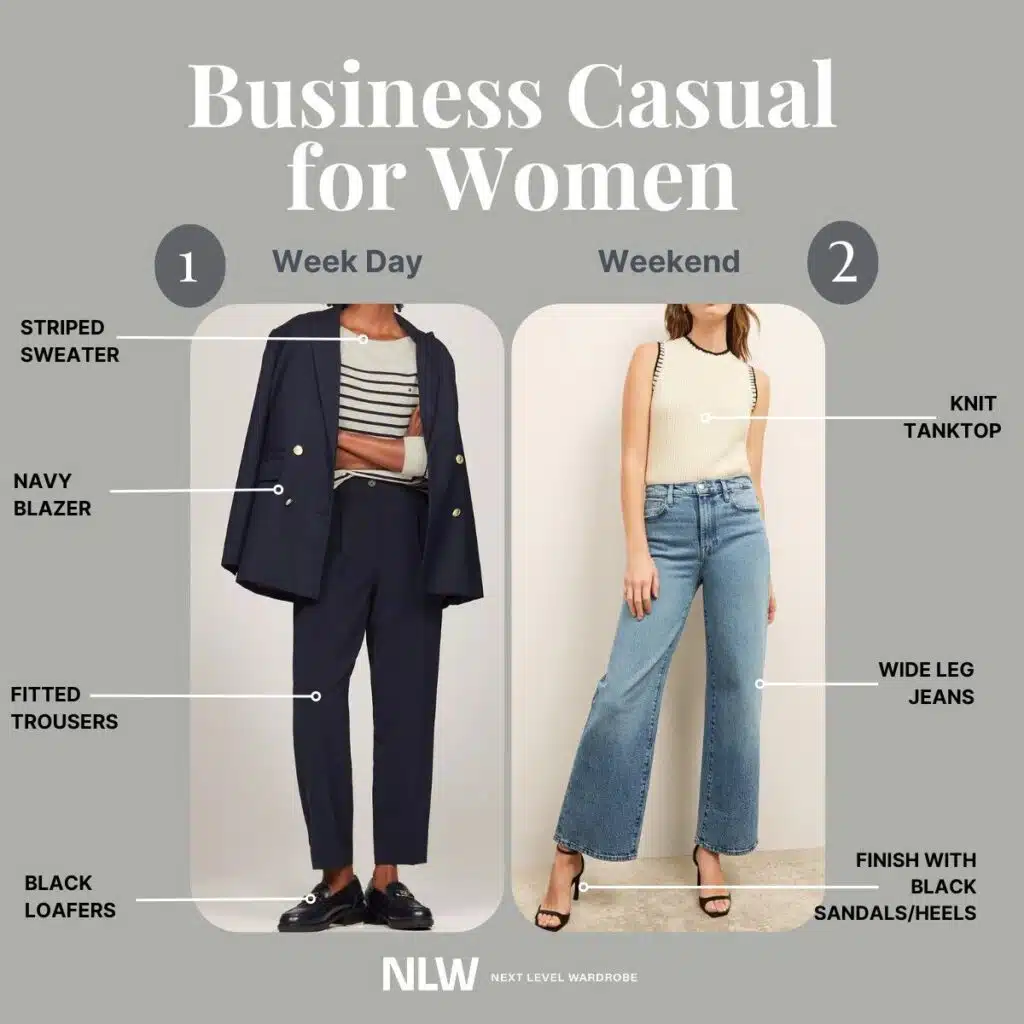
Credit: nextlevelwardrobe.com
