

How to Tie Dye Tank Top: Easy Steps for Vibrant Results
How To Tie Dye Tank Top
Tie dye is a fun, creative way to make a plain tank top into a unique piece of art. This method uses vibrant dyes and simple folding techniques to create bold patterns and colorful designs. Whether you’re new to DIY crafts or looking to improve your skills, learning how to tie dye a tank top can add personality to your wardrobe.
Many people think tie dye is only for experts, but you don’t need special skills to get beautiful results. The process is affordable, relaxing, and works for almost any age.
In this guide, you’ll discover each step for tie dyeing a tank top, from choosing the right materials to washing and caring for your finished garment. You’ll learn about different folding patterns, color combinations, and how to avoid common mistakes that can ruin your project.
Along the way, you’ll get tips that beginners often miss, like how to keep colors bright and how to stop dyes from bleeding together. By the end, you’ll know how to create tank tops that look professional and last a long time.
Why Tie Dye A Tank Top?
A tank top is the perfect canvas for tie dye. The fabric is usually light and absorbent, making it easy for dye to spread and set. Tank tops are often made of cotton, which gives the best results for tie dye projects.
Since tank tops are small and simple in shape, they are easy to fold, tie, and dye, even if you have little space or experience.
Creating your own tie dye tank top lets you express your style with colors and patterns that no one else has. You control the design, so every result is unique. Tie dyeing can also help old clothes look new again, saving money and reducing waste.
Many people find the process relaxing and satisfying, as it combines creativity and hands-on activity.
Choosing The Right Materials
Success in tie dye starts with the right materials. Picking good-quality supplies makes your results brighter, longer-lasting, and less likely to fade or wash out.
Best Fabrics For Tie Dye
Not all fabrics work well for tie dye. The best results come from 100% cotton. Cotton absorbs dye evenly, holds color, and feels soft after washing. Blends with high cotton content (like 80% cotton, 20% polyester) can also work, but the colors may look lighter.
Avoid tank tops made mostly from synthetic fibers like polyester, nylon, or spandex. These fabrics often resist dye, resulting in pale or patchy colors.
Types Of Dye
There are different types of fabric dyes, but fiber-reactive dyes are most popular for tie dyeing cotton. They create bright, permanent colors that last through many washes. Brands like Tulip, Dharma Trading, and Jacquard are reliable choices. Liquid dyes are easy for beginners, while powder dyes let you mix custom shades.
Avoid regular paint or food coloring. They may give a temporary effect but usually wash out quickly or leave the fabric stiff.
Other Essential Supplies
You’ll also need:
- Rubber gloves (to protect your hands from stains)
- Plastic squeeze bottles (for applying dye)
- Rubber bands or string (for creating patterns)
- Plastic table cover or garbage bags (to protect your work surface)
- Plastic bags or wrap (for setting dye)
- Apron or old clothes (dye can stain easily)
- Buckets or large bowls (for soaking and rinsing)
- Mild detergent (for washing after dyeing)
Having everything ready before you start makes the process smoother and less stressful.
Credit: www.tiedyeyoursummer.com
Preparing Your Tank Top
Preparation is the foundation of a successful tie dye project. Taking time with this stage helps your colors turn out bright and even.
Washing Before Dyeing
Always wash your tank top before dyeing. Even new clothes have chemicals or oils from the factory, which can block dye from soaking in. Use mild detergent and avoid fabric softener. Dry the tank top, or leave it damp if your dye kit recommends applying dye to wet fabric.
Dye spreads more easily on damp fabric, creating softer edges between colors.
Setting Up Your Workspace
Tie dye can be messy, so choose a workspace that’s easy to clean. Cover your table with plastic or old towels. Wear old clothes or an apron. Set out your supplies within easy reach. Open windows or work outside if possible, as some dyes have strong smells.
Mixing Dyes
If using powder dye, follow the instructions to mix with water. Wear gloves and a mask if you’re sensitive to powder dust. Use squeeze bottles for precise application. Label each bottle with the color for easy use.
Testing Your Dye
Test a small amount of dye on a scrap of similar fabric. This shows how strong your colors will be and helps you adjust the mix if needed. Beginners often skip this step and end up disappointed with dull or unexpected shades.
Tie Dye Folding Techniques For Tank Tops
The way you fold and tie your tank top determines the final pattern. There are many possible designs, but some work especially well on tank tops.
Classic Spiral
The spiral is the most popular tie dye pattern. To make a spiral:
- Lay the tank top flat.
- Pinch the center where you want the spiral to start.
- Twist the fabric into a tight, flat disk.
- Secure with 3–4 rubber bands, making “pie slices.”
Apply different colors to each section. When you open the tank top, you’ll see a swirling, colorful pattern.
Bullseye
The bullseye pattern creates rings of color.
- Lay the tank top flat.
- Pinch the center and pull upward, forming a cone shape.
- Wrap rubber bands every few inches down the cone.
- Apply different colors between the bands.
This gives a target-like pattern with circles radiating from the center.
Stripes
Stripes are simple and bold.
- Fold the tank top like an accordion, either from side to side or top to bottom.
- Wrap rubber bands every few inches.
- Apply different colors to each section.
You can make vertical or horizontal stripes depending on how you fold.
Crumple Or Scrunch
This technique gives a random, colorful look.
- Scrunch the tank top into a loose, crumpled ball.
- Place rubber bands randomly to hold the shape.
- Apply dye all over, focusing on the folds.
The result is a wild, mottled pattern with no set design.
Sunburst
The sunburst makes small, circular bursts of color.
- Pinch small sections of fabric and pull up, making a “peak.”
- Wrap a rubber band below each peak.
- Repeat for several spots on the tank top.
- Apply different colors to each “burst.”
This creates several small circles scattered across the fabric.
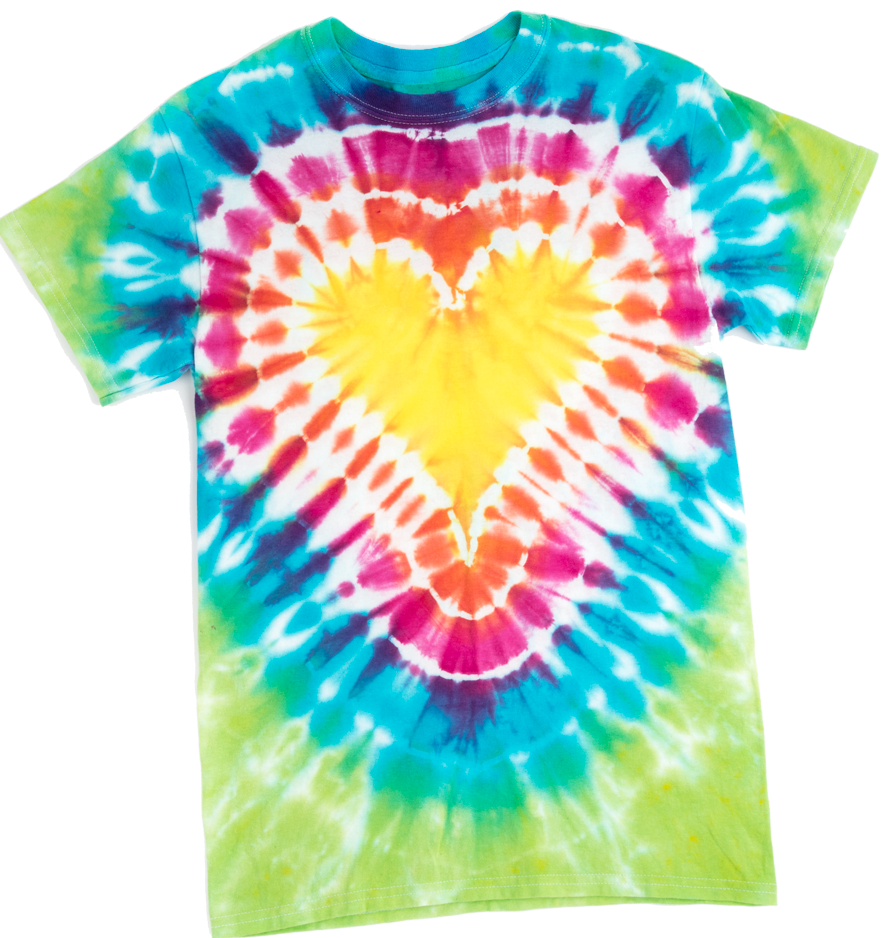
Heart Shape
A heart pattern is more advanced but looks impressive.
- Fold the tank top in half vertically.
- Draw half a heart along the fold with a washable marker.
- Pleat the fabric along the line.
- Secure with a rubber band along the pleat.
- Add extra bands as desired.
Dye the heart area with one color and the rest with others for contrast.
Mandala Or Kaleidoscope
This pattern has repeating shapes, like a snowflake.
- Fold the tank top into halves and then quarters, like a fan.
- Add rubber bands at intervals.
- Apply dye in symmetrical sections.
The result is a complex, eye-catching pattern.
Applying The Dye
Applying dye is the most creative step. Here’s how to get bold, beautiful results.
Choosing Color Combinations
Select 2–5 colors that look good together. Too many colors can mix into brown. The classic rainbow palette is always popular, but you can try pastels, earth tones, or just one or two colors for a modern look.
Use a color wheel to pick colors that are next to each other (analogous) or opposite (complementary). For example, blue and green blend well, but blue and orange might turn muddy where they mix.
Using Squeeze Bottles
Apply dye slowly, squeezing gently. Make sure the dye soaks through all layers, especially with thick folds. Flip the tank top and add dye to the back for even coverage.
Wipe the tip of the bottle often to prevent drips. Work in small sections, changing gloves if colors get muddy.
Keeping Colors Crisp
To keep colors bright and separate:
- Use one color per section, leaving small gaps if you want white lines.
- Wrap each section in plastic wrap before adding the next color.
- Clean your gloves between colors.
Beginners often let dyes touch too much, which can make colors blend into unwanted shades.
Special Effects
Try these ideas for extra effects:
- Sprinkle salt on wet dye for a speckled look.
- Add a few drops of bleach to faded areas for a reverse effect (use caution).
- Use a paintbrush to add small details or outlines.
These tricks add texture and interest to your design.
Setting The Dye
Proper dye setting makes your design last wash after wash. Skipping or rushing this step is a common mistake.
Letting The Dye React
After applying dye, seal the tank top in a plastic bag or wrap. Let it sit for 6–24 hours at room temperature. Longer times make colors deeper and more permanent. Do not open early, or colors may wash out.
Rinsing Out Excess Dye
Wearing gloves, remove rubber bands and open the tank top. Rinse under cold running water until the water runs clear. Start with cold water to set the dye, then switch to warm.
If you skip this step or use hot water first, dye can bleed or stain other parts of the fabric.
First Wash
Wash the tank top alone with mild detergent. Use hot water for the first wash to remove extra dye, but avoid fabric softener. Dry separately in case more dye comes out.
After the first wash, colors will be slightly lighter but should stay bright and clear.
Credit: store.taylorswift.com
Caring For Your Tie Dye Tank Top
To keep your tank top looking new, follow these care tips:
- Wash separately for the first few washes to avoid color transfer.
- Use cold water and mild detergent.
- Air dry or use a low heat setting.
- Avoid bleach or strong chemicals.
Over time, colors may fade a bit but should stay strong with proper care.
Common Tie Dye Mistakes And How To Avoid Them
Many beginners make the same errors when tie dyeing for the first time. Here’s how to avoid them:
- Using the wrong fabric: Polyester and nylon do not take dye well. Always use cotton for best results.
- Skipping pre-wash: Oils and sizing block dye. Wash before starting.
- Overcrowding colors: Too many colors mix into brown. Limit your palette for cleaner designs.
- Not tying tightly enough: Loose bands let dye spread too much, making patterns blurry.
- Rushing the setting process: Dye needs time to bond. Let sit for at least 6 hours.
- Not rinsing well: Extra dye can stain other clothes. Rinse thoroughly before washing.
- Using hot water to rinse: Hot water can cause colors to bleed. Always start with cold water.
Fixing these simple mistakes can make your results much better.
Creative Tie Dye Ideas For Tank Tops
Once you master the basics, try these creative twists:
- Ombre fade: Dip just the bottom of the tank top in dye for a gradual color fade.
- Galaxy effect: Use dark blues, purples, and splatters of white for a space look.
- Reverse tie dye: Start with a black tank top, tie it, and use bleach to remove color, then add new dye.
- Stencil art: Place a stencil on the tank and dab dye with a sponge for sharp shapes.
- Rainbow swirl: Use all six colors in a spiral for a vibrant statement.
Each idea gives a new look and lets you experiment with color and design.
Troubleshooting Tie Dye Problems
Even with care, problems can happen. Here’s how to fix or prevent common issues.
Faded Colors
If your tank top looks faded, the dye may not have set long enough, or the fabric was not 100% cotton. Next time, let the dye sit longer and check the fabric label.
Bleeding Or Muddy Colors
Bleeding happens when colors mix too much, often from over-applying dye or not rinsing well. To prevent this, use less dye and rinse until water runs clear.
White Patches
White spots are usually from folds that were too tight or missed by dye. Try applying more dye and massaging it into folds, or embrace the white areas as part of the design.
Uneven Patterns
If your pattern looks uneven, you may not have folded carefully or tied bands tightly. Practice makes perfect, so don’t be afraid to try again.
Comparing Tie Dye Techniques
Different folding methods create different results. Here’s a comparison of popular patterns:
| Technique | Skill Level | Result | Best For |
|---|---|---|---|
| Spiral | Beginner | Swirling pattern | Bold, fun looks |
| Bullseye | Beginner | Concentric circles | Eye-catching center |
| Crumple | Beginner | Random, mottled | Artistic styles |
| Heart | Intermediate | Heart shape | Personalized gifts |
| Mandala | Advanced | Symmetrical, complex | Statement pieces |
Comparing Types Of Dyes
Choosing the right dye can affect your results. Here’s a quick look at common dye types:
| Dye Type | Best For | Color Brightness | Permanence |
|---|---|---|---|
| Fiber-reactive | Cotton, rayon | Very bright | Permanent |
| All-purpose | Blends | Moderate | Fades faster |
| Natural dyes | Organic look | Soft shades | Less permanent |
Credit: www.tiedyeyoursummer.com
Safety Tips For Tie Dyeing
Although tie dye is generally safe, it’s smart to follow a few safety precautions:
- Wear gloves to protect your hands from stains and chemicals.
- Work in a ventilated area to avoid inhaling dye powder or fumes.
- Keep dyes and chemicals away from food and children.
- Clean surfaces and tools immediately after use.
If you have sensitive skin, wear long sleeves and a mask when mixing powder dyes.
Hosting A Tie Dye Party
Tie dye is a social craft, perfect for parties, family events, or team building. Here’s how to make it successful:
- Ask guests to bring their own white tank tops.
- Set up dye stations with clear labels and instructions.
- Provide plenty of gloves, aprons, and cleanup supplies.
- Use separate bottles for each color to avoid mixing.
- Have plastic bags ready for guests to take their dyed items home for setting.
Tie dye parties are popular because they’re creative, memorable, and everyone gets a personalized souvenir.
Tie Dye For Kids
Tie dye can be fun for children, but adult supervision is necessary. Choose non-toxic dyes, cover surfaces, and show kids how to fold and tie their tank tops. Simple patterns like crumple or stripes are best for younger children. Let them choose their favorite colors and encourage creativity.
Upcycling Old Tank Tops
Don’t throw away stained or faded tank tops. Tie dye is a great way to upcycle old clothes. The dye covers most stains and gives worn-out tops new life. If your tank top already has designs, use darker colors or the crumple technique for best results.
Environmental Impact Of Tie Dye
Traditional dyes can be harsh on the environment if not used carefully. To reduce impact:
- Use up all mixed dye to avoid waste.
- Rinse in a bucket and pour used water on non-edible plants.
- Choose eco-friendly dyes or natural colorants if possible.
Some brands offer plant-based dyes or recycling programs. Learn more about eco-conscious dyeing from trusted resources like Wikipedia.
Selling Your Tie Dye Tank Tops
If you enjoy tie dyeing, you might want to sell your creations. Take clear photos in good light, describe the pattern and size, and wash each item before shipping. Platforms like Etsy or local craft fairs are good places to start.
Remember, handmade tie dye is unique—no two items are exactly alike.
Frequently Asked Questions
What Is The Best Fabric For Tie Dye Tank Tops?
100% cotton is the best choice because it absorbs dye well, resulting in bright, lasting colors. Cotton blends also work but can produce lighter shades. Avoid polyester or nylon tank tops, as they don’t take dye evenly.
How Do I Keep Tie Dye Colors From Fading?
To keep colors bright, let the dye set for at least 6–24 hours, rinse in cold water, and wash separately the first few times. Use mild detergent and avoid bleach or strong chemicals.
Can I Tie Dye A Colored Tank Top?
Yes, but results will be different. Dye shows best on white or light-colored fabric. If you start with a colored tank, choose darker dye colors or try reverse tie dye with bleach.
How Do I Fix Muddy Or Brown Colors?
Muddy colors happen when too many dyes mix together. Use fewer colors and leave small gaps between sections. If your tank top turns brown, try overdyeing with a darker color or embracing the new shade as a base for another design.
Do I Need Special Detergent To Wash My Tie Dye Tank Top?
A mild, color-safe detergent works best. Avoid bleach or harsh chemicals, which can cause colors to fade. For the first few washes, wash your tie dye tank top separately to prevent color transfer.
Tie dyeing a tank top is a simple way to create something unique, colorful, and personal. With the right materials, careful preparation, and a little practice, you can turn any plain tank top into a wearable work of art. Whether you’re making gifts, updating your wardrobe, or starting a new hobby, tie dye brings both creativity and joy to your everyday life.
