

How to Take in a Jersey: Easy Steps for a Perfect Fit
How to Take in a Jersey: A Complete Guide for Beginners
A jersey can be a favorite piece of clothing—maybe it’s your lucky sports shirt, a gift from a friend, or a team uniform. But what if it’s too big? A jersey that hangs loose can look messy and feel uncomfortable.
Luckily, you can make a jersey fit better by “taking it in. ” This means making adjustments so it fits closer to your body. Whether you want a snug athletic fit or just want to look less baggy, this guide explains everything you need to know, from simple hand sewing to using a sewing machine or asking a tailor.
Even if you’re new to sewing, you’ll find step-by-step help, useful tips, and some surprising tricks that can make a big difference. Let’s get started on making your jersey fit just right.
Understanding Why You Need To Take In A Jersey
Jerseys are often made loose for comfort and movement, especially in sports. But when a jersey is too large, it can get in the way during activities, look unflattering, or even feel awkward. Reasons you might want to take in a jersey include:
- It’s a gift in the wrong size.
- You lost weight or want a slimmer fit.
- You’re using a vintage or second-hand jersey.
- You want a more modern or customized look.
It’s important to know that taking in a jersey is different from just “shrinking” it in the wash. Shrinking can damage the fabric or the printed logos, while taking it in gives you control over the fit and keeps the design safe.
What You Need Before You Start
Preparation is key. The right tools and a clear plan will save time and avoid mistakes. Here’s what you’ll need:
- Jersey: Clean and dry before altering.
- Sharp scissors: For cutting threads and fabric.
- Sewing machine (optional, but recommended for best results).
- Hand sewing needle and thread (if sewing by hand).
- Pins or fabric clips: To hold fabric in place.
- Measuring tape: For accurate sizing.
- Chalk or fabric marker: To mark where you’ll sew.
- Iron: For pressing seams.
- Seam ripper: For undoing mistakes or removing old stitches.
If you’re new to sewing, don’t worry. Most supplies are easy to find at craft stores or online, and you don’t need every tool for every method.
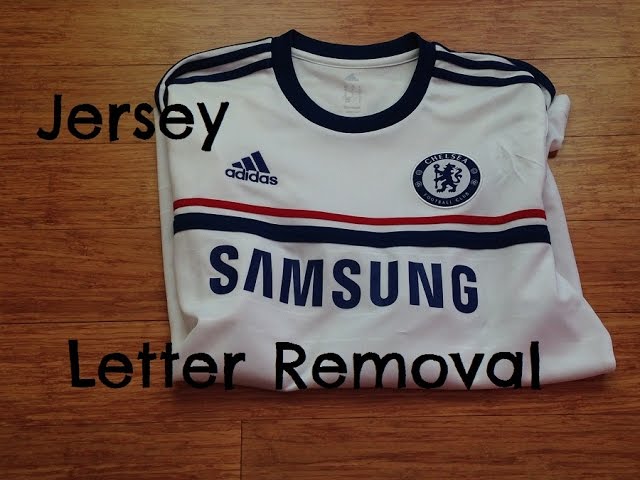
Credit: www.youtube.com
Choosing The Right Method
There are several ways to take in a jersey, depending on your skill, equipment, and how much you want to change the fit.
- Hand sewing: Good for small adjustments or if you don’t have a machine.
- Sewing machine: Best for strong, clean seams and larger changes.
- No-sew methods: Temporary fixes using fabric tape or safety pins.
- Professional tailoring: If you want a perfect job or have an expensive jersey.
Let’s look at each method in detail.
How To Take In A Jersey By Hand
Hand sewing is a good choice if you don’t have a machine, or you only need to make the jersey a bit smaller. It’s also less scary for beginners. Here’s how to do it:
Step 1: Try On And Mark
Put on the jersey inside out. Pinch the sides where you want to remove fabric. Use pins or clips to hold the new shape. Mark with chalk or a fabric marker along the new line. Make sure both sides are even.
Beginner tip: Move your arms while wearing the pinned jersey to check comfort. Too tight seams can restrict movement.
Step 2: Prepare To Sew
Lay the jersey flat, still inside out. Double-check your marks and pins. Thread your needle with strong polyester thread that matches the jersey.
Step 3: Sew The New Seam
Use a backstitch for durability. Start at the bottom hem, sew up along your marked line, and finish at the armpit. Tie a knot to secure the thread. Repeat on the other side.
Step 4: Remove Excess Fabric
Carefully cut away the extra fabric, leaving a small edge (about 1 cm) next to your new seam. This prevents fraying.
Step 5: Press The Seam
Use an iron to gently press the new seam flat. This helps the jersey keep its new shape.
Non-obvious insight: For stretchy jerseys, use a slight zig-zag stitch by hand to keep the seam flexible. Straight stitches can break when you put on or take off the jersey.
Using A Sewing Machine For Best Results
If you want a more professional finish, or you’re working with thick or stretchy fabric, a sewing machine gives a stronger, neater result. Here’s how:
Step 1: Mark And Pin As Before
Wear the jersey inside out, pin and mark where you want the new seam. Double-check for symmetry.
Step 2: Set Up The Machine
Choose a stretch stitch or a narrow zig-zag stitch. These allow the seam to stretch with the fabric, so it won’t break when worn.
Step 3: Sew The New Side Seam
Start at the hem and sew upward. Go slowly and keep close to your marked line. Remove pins as you sew. Backstitch at the start and end to secure.
Step 4: Trim And Finish
Cut away the extra fabric. If your machine has an overlock or zig-zag stitch, use it to finish the raw edge so it won’t fray.
Step 5: Press The Seams
Iron the seams gently. If the jersey has prints or numbers, avoid pressing directly on them—use a cloth as a barrier.
Pro tip: If the jersey has a wide armhole, you may also need to take in the sleeves slightly for a natural look. Blend your new seam into the sleeve for a smooth fit.
No-sew Methods For Temporary Fixes
Sometimes you just need a quick fix—maybe for a costume, a one-time event, or you don’t want to change the jersey permanently. Here are some no-sew options:
- Double-sided fabric tape: Stick along the inside seam and press the fabric together. Good for short-term use.
- Safety pins: Pin along the inside seams. Easy to remove, but can be uncomfortable or show from outside.
- Iron-on hem tape: Use heat to bond the fabric. Not as strong as sewing, but works for light jerseys.
Important: No-sew methods can be useful, but they’re not durable for sports or frequent washing.
When To Ask A Professional Tailor
If your jersey is valuable, or you want a perfect job, a tailor can help. Tailors have experience with tricky fabrics, logos, and can adjust the fit in detailed ways.
Bring the jersey clean and explain exactly how you want it to fit. Most tailors will pin it on you and show the proposed changes.
Cost insight: Taking in a jersey at a tailor can cost between $15–$40 depending on the changes needed. It’s a good investment for high-quality or sentimental jerseys.
Common Mistakes To Avoid
Even a simple project can go wrong if you rush or skip steps. Here’s what to watch out for:
- Not measuring carefully: Always check both sides are even.
- Cutting too much fabric: Start small. You can always take more in, but you can’t add fabric back.
- Ignoring stretch: Jerseys often stretch. Use stitches that allow for movement.
- Sewing over logos or numbers: Avoid seams that go through prints—they can crack or peel.
- Not testing comfort: Move your arms and sit down while trying on pinned jerseys.
How Jersey Fabrics Affect The Process
Not all jerseys are the same. Some are cotton, others are polyester, mesh, or a blend. The fabric type changes how you should sew.
Cotton Jerseys
- Easy to sew.
- Use regular thread and needle.
- May shrink slightly after washing.
Polyester Or Mesh Jerseys
- Slippery and stretchy.
- Use a ballpoint or stretch needle.
- Avoid high heat when ironing.
Jerseys With Prints Or Patches
- Never iron directly on designs.
- Plan your new seam to avoid going through logos.
Here’s a quick comparison of jersey fabric types:
| Fabric Type | Difficulty Level | Special Tips |
|---|---|---|
| Cotton | Easy | Use regular needle and thread |
| Polyester | Medium | Use ballpoint needle, stretch stitch |
| Mesh | Challenging | Pin carefully, finish edges to prevent fraying |
| Printed Jersey | Medium | Avoid ironing/sewing over prints |
Adjusting The Fit In Different Areas
Taking in the side seams is the most common way to make a jersey smaller, but sometimes you may need to adjust other areas for a perfect fit.
Taking In The Sleeves
If the sleeves are too loose, you can narrow them as well. Pin along the underside of each sleeve, mark, and sew as you did with the sides. Blend the new seam into the armpit for a natural shape.
Shortening The Hem
If the jersey is too long, you can shorten it:
- Mark where you want the new hem.
- Cut off the excess fabric.
- Fold the edge up and sew a new hem with a stretch stitch.
Adjusting The Shoulders
Some jerseys have wide shoulders. Pinch and pin the shoulder seam, sew a new line, and trim the extra. This is a more advanced adjustment but can make a big difference in fit.
Here’s a summary comparison of alteration areas:
| Area | Difficulty | Impact on Fit |
|---|---|---|
| Sides | Easy | Reduces width, main slimming effect |
| Sleeves | Medium | Makes arms look fitted |
| Hem | Easy | Shortens overall length |
| Shoulders | Hard | Improves shoulder fit, advanced |

Credit: createkidscouture.blogspot.com
Special Considerations For Sports And Collector Jerseys
Not all jerseys are for daily wear. Some are collectibles, signed, or made of delicate materials. If your jersey is valuable, think carefully before altering.
- Collector’s value: Altering can reduce resale value.
- Signed jerseys: Never cut or sew through signatures.
- Game-worn: These may have sentimental value—consider framing instead of altering.
Expert insight: Some fans buy a second, cheaper replica jersey for altering and keep the original as-is.
How To Check The Fit As You Go
After you sew one side, always try the jersey on before finishing the other. This lets you check comfort and make small changes. Move your arms, sit, and stretch to make sure it feels right. If something feels tight or twisted, adjust your seam before cutting extra fabric.
Extra tip: Take photos wearing the jersey before and after. This helps you see fit changes and spot uneven sides.
Caring For Your Altered Jersey
After you take in a jersey, you want it to last. Here’s how to care for it:
- Wash in cold water to prevent shrinking.
- Turn inside out to protect prints and seams.
- Avoid high heat in the dryer—air dry if possible.
- Iron on low, and never directly on designs.
These simple habits will keep your jersey looking good and fitting well.
Real Examples: Before And After
Seeing results can help you understand what’s possible. Here are two examples:
Example 1: A fan jersey, originally XL, taken in at the sides and sleeves. Result: Slim fit, sleeves fit close to the arm, no more bagginess.
Example 2: Vintage mesh basketball jersey, shortened at the hem and taken in at the sides. Result: Modern length, still comfortable for movement.
Non-obvious insight: Sometimes, just a small change in the side seams (1–2 cm each side) makes a big difference in appearance and comfort.
Deciding If You Should Do It Yourself Or Go To A Tailor
Making this choice depends on your skill, tools, and how important the jersey is to you. Here’s a quick way to decide:
| Situation | DIY | Tailor |
|---|---|---|
| Cheap or practice jersey | Good choice | Not necessary |
| Expensive/collector jersey | Risky | Recommended |
| Simple side seam | Easy to do | Optional |
| Complex adjustments (shoulders, prints) | Hard | Best to use tailor |
Confidence tip: Start with a practice jersey if you’re new to sewing. This builds skill before working on important items.
How To Fix Common Problems After Altering
Sometimes you’ll notice issues after the first try. Don’t worry—many are easy to fix.
- Uneven sides: Unpick the seam, line up carefully, and sew again.
- Too tight: Open the seam and resew further from the edge.
- Loose threads: Tie off and trim; use a fray stopper if needed.
- Wavy seams: Press with an iron, or resew using a stretch stitch.
Practical insight: If you make a mistake, you can often fix it with a seam ripper. Patience is more important than speed.
Taking In Jerseys With Side Panels Or Stripes
Sports jerseys often have contrasting side panels or stripes. When taking in the sides, you want to keep the lines straight and even.
- Mark both sides carefully.
- Pin panels together before sewing.
- After sewing, check that stripes match up.
If stripes are mismatched, the jersey will look odd. Take extra time to align patterns before sewing.
Making A Jersey Fit Different Body Types
Everyone’s body is different. The same jersey can look very different on two people. If you have broad shoulders, a narrow waist, or a large chest, you may need to adjust more than just the sides.
- For a fitted waist, curve the new seam inward slightly.
- For larger arms, avoid narrowing the sleeve too much.
- For a longer torso, don’t remove length from the hem.
Try the jersey on after each change. Customizing for your body will make the jersey look like it was made just for you.

Credit: www.bluesusanmakes.com
Sustainable And Eco-friendly Alterations
Instead of throwing away a jersey that doesn’t fit, altering it extends its life and reduces waste. This is a simple way to be more eco-friendly. If you don’t want the jersey after altering, consider donating it or recycling the fabric.
Sustainable tip: Save leftover fabric for repairs, patches, or crafts.
For more ideas on sustainable fashion, you can read helpful guides on Fashion Revolution.
Frequently Asked Questions
How Hard Is It To Take In A Jersey For A Beginner?
Taking in a jersey is easier than it looks, especially if you start with simple side seams and use pins and chalk to plan. Practice on an old shirt first if you’re nervous. Using a sewing machine helps, but hand sewing works for small changes.
Will Taking In My Jersey Ruin The Logos Or Numbers?
Not if you’re careful. Plan your new seams to avoid sewing through logos, patches, or numbers. If you must sew near a printed area, use a stretch stitch and never iron directly on designs.
Can I Make A Jersey Smaller Without Sewing?
Yes, but the results are temporary. Fabric tape, safety pins, or iron-on hem tape can hold seams for a short time. These methods aren’t strong enough for heavy use, sports, or washing.
What If I Make A Mistake While Altering?
Most mistakes can be fixed with a seam ripper. If you cut too much fabric, you can’t add it back, so always start with small changes. If the fit is off, undo the seam and try again.
How Do I Know If I Should Do It Myself Or Use A Tailor?
If the jersey is valuable, has complex patterns, or you want a perfect result, a tailor is best. For practice jerseys or simple changes, doing it yourself is cheaper and a good way to learn sewing skills.
Taking in a jersey is a practical and rewarding project. With careful planning and a few simple tools, you can make any jersey fit better and look great. Whether you’re updating your sports gear or giving a second life to a favorite shirt, the right fit is always worth the effort.
