

How to Store Gym Clothes: Smart Tips for Freshness and Organization
How to Store Gym Clothes: Complete Guide for Freshness and Organization
After a workout, it’s easy to toss your gym clothes into a bag or corner and forget about them. But storing activewear the wrong way can lead to bad smells, bacteria growth, and ruined fabrics. Many people struggle with keeping their gym clothes clean, fresh, and organized.
If you want your workout wear to last longer and always smell good, it’s time to learn the best ways to store gym clothes—at home, in your gym bag, and even at work.
This guide will walk you through practical steps for storing gym clothes. You’ll discover what really matters for freshness, fabric care, and organization. We’ll explore smart storage ideas, laundry timing, and solutions for small spaces. Whether you’re an athlete or just starting your fitness journey, you’ll find tips to keep your gym wear at its best.
Why Proper Storage Of Gym Clothes Matters
Many people underestimate the importance of proper gym clothes storage. But storing workout wear isn’t just about neatness. It affects your health, the life of your clothes, and your daily comfort.
- Prevents odor and bacteria: Sweat left in fabrics creates a perfect environment for bacteria. This leads to bad smells and even skin irritation.
- Protects fabric quality: Stretchy materials like spandex or polyester can lose shape or get damaged if left damp or crumpled.
- Saves money: Taking care of your gym clothes means you replace them less often.
- Saves time: Organized storage helps you find the right items quickly, so you’re never late for the gym.
Many beginners miss that improper storage can cause permanent stains and lingering odors—even after washing. Gym clothes need different care than regular clothing because of their unique materials and how much sweat they absorb.
How To Store Gym Clothes After A Workout
What you do with your clothes right after exercise makes a huge difference. Here’s how to handle sweaty gear for freshness and hygiene.
Step 1: Air Out Immediately
Never leave sweaty gym clothes stuffed in a bag or hamper. As soon as possible, lay them out to air dry. Hang items on a hook, over a chair, or on a drying rack. This slows bacteria growth and helps prevent strong odors.
Step 2: Separate Damp Items
If you can’t wash them right away, keep damp clothes separate from dry laundry. Use a mesh bag or a special gym laundry bag. This avoids spreading smells or mildew to other clothes.
Step 3: Avoid Plastic Bags
Plastic bags trap moisture and heat, encouraging bacteria and mildew. Instead, use a breathable laundry bag or pouch designed for athletic gear.
Step 4: Wash As Soon As Possible
The sooner you wash your gym clothes, the better. If immediate washing isn’t possible, at least let them dry first. This reduces the risk of strong odors and fabric damage.
Example: Post-gym Routine
- Finish workout, remove sweaty clothes.
- Hang items on a hook or rack in a well-ventilated area.
- Place dry items in a mesh laundry bag; keep shoes and socks separate.
- Wash within 24 hours if possible.

Credit: closetfulofclothes.com
Best Storage Solutions At Home
Once your gym clothes are clean and dry, storing them well keeps them ready for action and looking new. Here are proven ways to store gym clothes at home.
Dedicated Gym Clothes Drawer
Having a separate drawer just for gym gear makes it easy to grab what you need. Roll or fold items neatly to maximize space. Consider drawer dividers for socks, tops, and shorts.
Hanging Vs. Folding
Some gym clothes, especially those with delicate fabrics, do better hanging up. Others can be folded. Here’s a quick comparison:
| Storage Method | Best For | Drawbacks |
|---|---|---|
| Hanging | Jackets, long-sleeves, items with zippers | Takes up more space |
| Folding | T-shirts, shorts, leggings | May crease some fabrics |
| Rolling | Compression gear, tank tops | Can be less neat if not done carefully |
Use Open Baskets Or Bins
Open baskets allow air flow, which helps keep clothes fresh. Place baskets on shelves or inside your closet. Label each for tops, bottoms, or accessories.
Vertical Storage Solutions
If space is tight, use vertical hanging organizers or over-the-door pockets. These keep items visible and easy to reach.
Separate Workout Shoes
Always store gym shoes separately from clothes to avoid spreading sweat and bacteria. Use a shoe rack or a ventilated shoe bag.
Scent Control
Add a sachet or a small container of baking soda to your storage area. This helps absorb moisture and reduce odors between washes.
Pro Tip: Use Drawer Fresheners
Some people miss that drawer or closet fresheners, like activated charcoal bags, can absorb extra moisture and stop smells. Just remember to replace them every few months.
Storing Gym Clothes In A Gym Bag
Carrying your gym clothes to and from your workout needs special attention. Improper storage in your bag can quickly lead to strong odors and fabric problems.
Use A Bag With Ventilation
Choose a gym bag with mesh panels or breathable sections. This allows sweat to evaporate, keeping clothes fresher.
Pack A Wet/dry Compartment
Many modern gym bags have separate wet/dry compartments. Keep dirty, sweaty items away from clean clothes and gear.
Bring A Mesh Laundry Bag
Pack a small mesh bag for sweaty clothes. This keeps them separate and allows air flow until you can wash them.
Don’t Forget Shoe Pouches
Place shoes in a dedicated shoe pouch or bag. This stops dirt and odor from spreading to your clothes.
Carry Odor Absorbers
Small products like activated charcoal pouches or odor-absorbing balls can help control smells inside your gym bag.
Clean Your Bag Regularly
Many people forget to wash their gym bag. Make it a habit to clean it every few weeks, inside and out.
Example: Smart Gym Bag Packing
- Bottom compartment: Shoes in a ventilated pouch
- Main area: Clean clothes rolled or folded
- Side pocket: Mesh bag for dirty clothes
- Small pocket: Deodorant, wipes, odor absorber
How To Store Gym Clothes At Work Or On-the-go
If you exercise before or after work, you need a plan for storing gym clothes during the day.
Use A Discreet Storage Solution
Choose a sleek gym bag or backpack that looks professional. Store it in your office locker, under your desk, or in a storage cabinet.
Store Damp Clothes Separately
After your workout, never put sweaty clothes back in the same compartment as your clean ones. Use a waterproof pouch or mesh bag for used gear.
Dry Clothes Out
If possible, hang clothes to air dry before putting them in your bag. Some workplaces offer lockers with ventilation—take advantage if you can.
Keep Essentials Handy
Stock your work locker or bag with travel-size deodorant, wipes, and spare socks. This helps you feel fresh, even if you can’t shower right away.
Plan For Laundry
Take home used gym clothes at least once a week. Don’t let them sit in your office bag, as this causes odors to build up.
Special Tips For Small Spaces
Not everyone has a big closet or dedicated gym gear area. These tips help you store gym clothes efficiently in small apartments or dorm rooms.
Over-the-door Organizers
Use over-the-door hanging organizers with clear pockets. Store rolled-up tops, shorts, and socks in each pocket.
Stackable Bins
Stackable storage bins fit in closets, under beds, or in corners. Label each bin for easy access.
Vacuum-seal Bags
For off-season or extra gym wear, use vacuum-seal bags. They save space and keep clothes clean.
Under-bed Storage
Flat storage boxes under your bed are perfect for extra gym clothes. They’re out of sight but easy to reach.
Multi-purpose Hooks
Install adhesive hooks on walls or the back of your closet door. Hang gym bags, towels, or clothes to dry.
Non-obvious Insight: Rotate Your Stock
Many people keep wearing the same few items. Every month, rotate your gym clothes so all get equal use. This helps them last longer and prevents over-washing certain favorites.
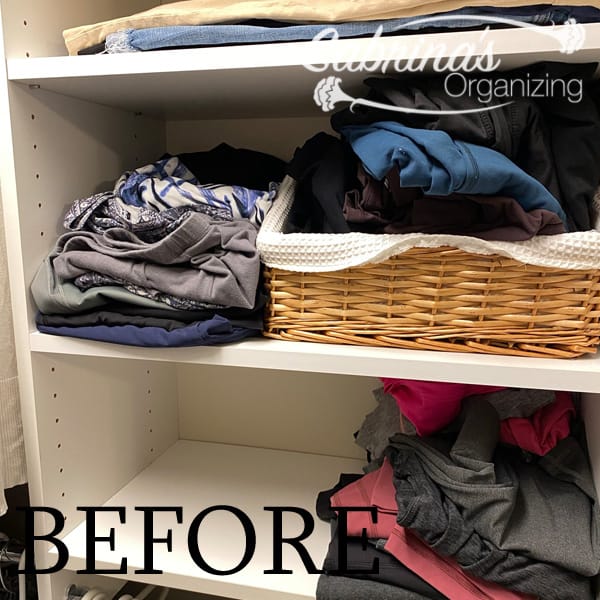
Credit: sabrinasorganizing.com
How To Keep Gym Clothes Smelling Fresh
Stale or sweaty odors are the biggest problem with gym clothes. Here are proven ways to keep your workout wear smelling good.
Wash With The Right Products
Use a sports detergent designed to break down sweat and bacteria. Avoid fabric softeners, which can trap odors in synthetic fabrics.
Dry Clothes Completely
Never put gym clothes away damp. Always air dry or tumble dry on low heat until they’re fully dry.
Use Vinegar Or Baking Soda
Add half a cup of white vinegar or two tablespoons of baking soda to the wash. These help neutralize strong smells.
Don’t Overload The Washer
Washing too many items at once means they don’t get clean. Leave enough space for water and detergent to circulate.
Store In A Dry, Well-ventilated Area
Humidity encourages bacteria and odors. Keep your gym clothes in a dry, airy space.
Use Odor-absorbing Products
Place activated charcoal or moisture-absorbing packets in your drawers or gym bag.
Pro Tip: Sunlight Freshening
Hanging gym clothes in direct sunlight for a few hours can naturally kill odor-causing bacteria. Just avoid too much sun for delicate fabrics, as this can fade colors.
Comparing Storage Options: What’s Best For You?
Different lifestyles and spaces require different storage solutions. Here’s a quick comparison of the most popular gym clothes storage methods:
| Storage Solution | Best For | Main Benefit | Potential Issue |
|---|---|---|---|
| Dedicated drawer | Home with extra space | Easy organization | Can get messy if overfilled |
| Open baskets | Quick access | Air flow prevents odor | Visible clutter |
| Over-the-door organizer | Small apartments/dorms | Saves space | Limited capacity |
| Mesh laundry bag | Transporting sweaty clothes | Reduces moisture build-up | Not for long-term storage |
| Vacuum-seal bag | Storing off-season gear | Maximizes space | Not breathable |
Mistakes To Avoid When Storing Gym Clothes
Even with good intentions, it’s easy to make mistakes that shorten the life of your gym wear or cause unwanted smells.
Common Mistakes
- Leaving sweaty clothes in a bag: This is the fastest way to create stubborn odors.
- Storing damp clothes with dry ones: Moisture spreads quickly and can ruin other clothes.
- Overcrowding storage spaces: Stuffed drawers or bins stop air flow and encourage bacteria.
- Ignoring fabric care labels: Some gym clothes need special washing or drying instructions.
- Using plastic bags: These trap moisture and are bad for long-term storage.
- Forgetting to clean your storage area: Dust, dirt, and sweat residue can build up over time.
- Not rotating your gym clothes: Wearing the same items every workout wears them out quickly.
Non-obvious Insight: Don’t Use Cedar Blocks With All Fabrics
Cedar is great for wool, but can dry out or damage some synthetic gym fabrics. If you want to use cedar for odor control, test it on a small area first.
How To Store Specific Types Of Gym Clothes
Different workout clothes need slightly different storage to keep them at their best.
Compression Wear
- Fold or roll gently, as tight folding can stretch the fabric.
- Store in a drawer or bin, away from rough items that might snag the material.
Sports Bras And Support Gear
- Close hooks or straps before storing to avoid tangling or damage.
- Stack or lay flat to keep shape.
Tops And T-shirts
- Fold or roll for drawers.
- Hang if you want to avoid wrinkles.
Leggings And Shorts
- Roll for compact storage.
- Keep in a separate drawer section or bin.
Jackets And Outerwear
- Hang on sturdy hangers to keep their shape.
- Avoid overcrowding to prevent wrinkles.
Socks And Accessories
- Store in small bins or drawer dividers.
- Keep clean and dirty items separate.

Credit: karentarver.com
Storing Gym Clothes For Travel
Travel often means packing gym clothes into a suitcase or backpack. Here’s how to keep them organized and fresh on the go.
Use Packing Cubes
Packing cubes keep gym clothes separate from regular clothes and make it easy to find what you need.
Pack A Laundry Bag
Always bring a small laundry bag or pouch for dirty clothes. Mesh is best for breathability.
Dry Before Packing
Never pack damp gym clothes. If you must, let them air out as much as possible before sealing them in your bag.
Bring Odor Absorbers
Small deodorizing packets or baking soda sachets can help control smells in your suitcase.
Example: Travel Packing Order
- Clean gym clothes in a packing cube.
- Dirty clothes in a mesh laundry bag.
- Shoes in a separate pouch at the bottom of the bag.
- Odor absorber in the shoe pouch or main compartment.
Extending The Life Of Your Gym Clothes
Proper storage is only one part of making your gym wear last. Here’s how to protect your investment.
Wash In Cold Water
Hot water can break down stretchy materials. Use cold water to preserve color and fit.
Skip The Dryer When Possible
Air drying is best for most gym clothes. If you must use a dryer, choose a low heat setting.
Don’t Use Fabric Softener
Fabric softeners can coat fibers and trap odors. Use a sports detergent instead.
Read Care Labels
Some activewear needs special care. Always check the label before washing or drying.
Store Away From Direct Sunlight
Sunlight can fade colors and weaken fabrics. Keep gym clothes in a dark, cool place.
Rotate Your Gear
Switch up your workout outfits often. This gives each item more time to air out and recover between uses.
Data: Gym Clothes Storage And Odor Control
Research shows that synthetic fabrics (like polyester and spandex) are more likely to hold onto odors than natural fibers. In a study, over 60% of people said their gym clothes developed smells that were hard to remove.
Here’s a quick look at odor retention in different fabrics:
| Fabric Type | Odor Retention (High/Medium/Low) | Best Storage Practice |
|---|---|---|
| Polyester | High | Air dry, use odor absorbers |
| Spandex/Elastane | Medium | Store flat, wash often |
| Cotton | Low | Keep dry, fold or hang |
| Wool blends | Low | Hang, avoid high heat |
The Role Of Hygiene In Gym Clothes Storage
It’s not just about where you put your clothes—personal hygiene is key. Bacteria from sweat multiplies quickly on gym wear, especially if it’s left damp and warm.
- Shower after workouts to keep skin clean and reduce bacteria transfer.
- Wash hands before handling clean gym clothes.
- Clean storage spaces (drawers, bins, bags) regularly.
A clean environment is the first step to fresh, long-lasting gym clothes.
Smart Storage Accessories For Gym Clothes
Certain tools and accessories can make storing gym clothes easier and more effective.
- Mesh laundry bags: Perfect for collecting dirty gym clothes and washing them safely.
- Drawer dividers: Keep tops, bottoms, and accessories organized.
- Hanging organizers: Maximize closet or door space.
- Odor absorbers: Activated charcoal, baking soda sachets, or moisture-absorbing packets.
- Hooks and racks: For airing out or hanging items quickly.
If you want to explore more about the science of odor and fabric care, check out this Good Housekeeping guide.
Frequently Asked Questions
What Is The Best Way To Store Gym Clothes After A Workout?
The best way is to air them out as soon as possible. Hang clothes in a well-ventilated area before washing. Never leave them in a closed bag, as this traps moisture and causes odors.
How Often Should I Wash Gym Clothes?
Wash after every workout if possible, especially if you sweat a lot. If you can’t wash right away, let them dry completely before storing.
Can I Use Regular Detergent For Gym Clothes?
Regular detergent works, but a sports detergent is better. It’s designed to break down sweat and bacteria in synthetic fabrics.
How Do I Prevent Gym Clothes From Smelling Bad In My Bag?
Use a mesh bag for sweaty clothes, and include odor absorbers like activated charcoal or baking soda in your gym bag. Wash your bag regularly.
What’s The Best Way To Store Gym Shoes With My Clothes?
Store shoes in a separate, ventilated pouch or compartment. This keeps dirt and odors away from your clean clothes and helps both last longer.
Storing gym clothes properly isn’t just about neatness—it protects your health, saves time, and keeps your workout routine running smoothly. With these tips and solutions, your gym wear will stay fresh, organized, and ready for every training session.
