

How to Stop Yoga Pants from Rolling Down: Proven Solutions
Yoga pants are loved by many for their comfort and flexibility. Whether you’re going to a yoga class, running errands, or just relaxing at home, they are a go-to choice. But one common problem frustrates both new and experienced wearers: the waistband keeps rolling down. This is not just annoying—it can also distract you during workouts or make you feel uncomfortable all day. If you’ve ever wondered how to stop yoga pants from rolling down, you’re not alone. This article will guide you through practical solutions, common mistakes, and insights that most people miss. You'll discover how the right choice, fit, and care can make your yoga pants stay in place and feel great, every time you wear them.
Why Do Yoga Pants Roll Down?
Before you can fix the problem, it’s helpful to understand why it happens. Yoga pants can roll down for several reasons, often combining at once.
- Fit Issues: If your pants are too tight or too loose, the waistband won’t sit securely. Tight pants may roll as they try to find a more comfortable position, while loose ones simply slip. Even a small difference in size can cause problems, especially if your waist and hips are different sizes.
- Fabric Choice: Not all yoga pants are made from quality materials. Thin, stretchy fabrics can lose shape after a few washes. Some cheaper fabrics stretch out and never fully recover, making rolling more likely over time.
- Waistband Design: Some styles have narrow or weak elastic bands that can’t hold up during movement. Bands that are too thin or use weak stitching are especially prone to rolling down as you bend or stretch.
- Body Shape: Everyone’s body is unique. Some people have curvier hips, flatter stomachs, or different waist-to-hip ratios, affecting how pants fit. If you have a smaller waist and wider hips, the waistband may not hug your body correctly and can start to roll.
- Wear and Tear: Over time, elastic fibers break down and the waistband loses grip. Even high-quality yoga pants will eventually wear out, and this is often first noticed at the waistband.
Knowing the cause is the first step toward a solution. It’s common for more than one factor to be involved, so try to consider all possibilities when choosing or caring for your yoga pants.
Choosing The Right Size And Fit
Finding yoga pants that fit your body well is the most important step. Many people think buying a smaller size will keep pants from slipping, but this can backfire.
How To Measure Yourself Properly
- Use a soft tape measure for accuracy.
- Measure your waist at its narrowest point—usually just above the belly button.
- Measure your hips at the fullest part—often around the seat.
- Check the brand’s size chart before buying. Sizing can be very different, even between similar-looking brands.
- Consider rise length (distance from crotch to waistband) if available, as this affects comfort and security.
If you’re between sizes, choose the larger one. Too-tight waistbands are more likely to roll or dig in, and can also cause discomfort or leave marks on your skin.
Common Sizing Mistakes
- Ignoring hip measurements and focusing only on waist size. Some people have hips that are much wider than their waist, so both measurements matter.
- Trusting your usual clothing size—sizes vary between brands. A medium in one brand can be a large in another.
- Not considering body changes due to exercise, diet, or other factors. If you’ve started a new workout routine or changed your diet, your body shape may have shifted slightly.
Non-obvious insight: Your body may change shape slightly throughout the day due to water retention or meals. Try on yoga pants at different times to check comfort. For example, your waist may be a bit larger at night, so a pair that fits in the morning might feel tighter later.
Also, remember that different activities may need different fits. Pants that are perfect for lounging may not stay put during a high-intensity workout. Try moving around when you try on new pants—bend, squat, and stretch to see if the waistband shifts.
Understanding Different Waistband Types
Not all waistbands are created equal. Some are better at staying put, while others are more likely to roll.
Comparison Of Waistband Types
| Waistband Type | Stability | Comfort | Best For |
|---|---|---|---|
| High-rise wide band | Excellent | Very good | Most body shapes |
| Mid-rise standard band | Moderate | Good | Shorter torsos |
| Low-rise thin band | Poor | Fair | Petite frames |
| Drawstring waistband | Very good | Adjustable | Custom fit needs |
Wide, high-rise bands usually stay up better. Drawstrings allow adjustments for different activities or body types.
Some brands use a “V” or contoured shape at the waistband, which can help keep the pants in place, especially for people with a smaller waist compared to their hips. Look for words like “no-slip,” “stay-put,” or “performance waistband” in the product description.
Non-obvious insight: Some yoga pants use double-layered waistbands with hidden elastic. These are less likely to roll, but people often overlook this detail when shopping. Check the inside of the waistband or the product details for mention of reinforced or hidden elastic bands.
Fabric Matters: Choosing Quality Materials
Fabric isn’t just about feel—it affects fit, stretch, and durability.
Popular Yoga Pant Fabrics
- Nylon-Spandex blends: Great stretch, holds shape well. These are often used in higher-end yoga pants because they combine stretch, strength, and a smooth feel.
- Polyester-Spandex blends: Sweat-wicking, durable. These pants are good for hot yoga or intense workouts, as they dry quickly and maintain their fit.
- Cotton blends: Soft, but can lose elasticity over time. While comfortable for lounging, cotton-based pants may stretch out and start rolling down after repeated wear and washes.
High-spandex content (at least 15%) usually means better recovery and less rolling. More spandex allows the pants to snap back to their shape and gives a “hugging” fit.
How To Test Fabric Quality
When shopping, gently stretch the waistband. It should snap back, not feel loose or floppy. If possible, hold the pants up to light—if the fabric is very thin or see-through, it may not support your waist. Thicker, denser fabrics are better at holding their shape.
If you are shopping online, look for videos or close-up photos of the waistband and fabric. Read reviews to see what others say about stretch and recovery after washing.
Practical tip: Wash new yoga pants before wearing them for exercise. Sometimes, the fit changes after the first wash, revealing quality issues. If the waistband feels looser after washing, the fabric may not be durable enough for frequent use.
Extra detail: Some fabrics have a special finish, such as a brushed surface for softness or a slick finish for easy movement. While these can improve comfort, make sure the waistband still offers enough grip and structure.

Credit: www.rexingsports.com
The Role Of Body Shape And Posture
Even with the best yoga pants, fit can be affected by your unique shape and movements.
Common Body Shapes And Fit Challenges
| Body Shape | Yoga Pant Challenge | Best Waistband Style |
|---|---|---|
| Hourglass | Waist gaps, rolling | High-rise wide band |
| Apple | Rolling at stomach | Mid-rise wide band |
| Pear | Loose waist, tight hips | Drawstring or contoured band |
| Rectangle | Slipping down | Compression band |
Practical example: A person with a curvy hip may find pants that fit their hips are too loose at the waist, causing rolling. Look for styles labeled “curvy fit” or with adjustable features.
People with an “apple” body shape (wider around the waist) may find that high-rise bands roll down more easily. For them, a mid-rise with a wide, firm band or a contoured waistband can be more secure.
Extra tip: Good posture also helps. Standing tall with your core engaged reduces waistband movement during activity. Slouching or leaning forward often causes waistbands to shift, especially if the fit is not perfect.
Non-obvious insight: If you have scars, sensitive skin, or areas where your body curves sharply, look for yoga pants with flat seams or seamless waistbands to avoid irritation and reduce rolling.
How To Wear Yoga Pants Correctly
Putting on yoga pants sounds simple, but small mistakes can make a big difference.
- Pull the pants up evenly, not just from the front. Start at the ankles and work the pants up, making sure the fabric is smooth.
- Adjust the waistband to sit flat—avoid folding or bunching. If the waistband is twisted, it will not stay in place.
- If the waistband has a seam, position it at your natural waist. This is usually the smallest part of your midsection.
- If you tuck in a shirt, make sure it’s smooth to avoid extra bulk. Bulky shirts can cause the waistband to roll or shift.
- Avoid pulling the waistband too high; this can encourage rolling down. Let the waistband sit where it feels comfortable.
Pro tip: After putting them on, move around—bend, squat, and stretch. If the waistband stays in place, you’re set. If it starts to shift, try adjusting the position or consider a different style or size.
Extra detail: If you notice the waistband rolling during a specific movement (like sitting or bending), try adjusting your posture or the placement of the waistband. Sometimes small changes make a big difference in comfort and fit.
How To Fix Yoga Pants That Are Already Rolling Down
If your favorite pants have started rolling, don’t give up. There are ways to revive them.
Quick Fixes At Home
- Sew in a new elastic band: Open the waistband seam and replace the old elastic with a firm one. Use a wide elastic for better support.
- Add a drawstring: Cut small holes inside the waistband and thread a flat drawstring. This helps if your waist is smaller than your hips.
- Use waistband grips: Silicone strips or fabric tape inside the waistband can add friction. You can buy these online or at fabric stores.
- Wear a fitted tank top underneath: This adds a layer of grip without adding bulk. A compression tank top works even better.
If your pants have a hidden pocket, sometimes the extra fabric causes rolling. Try removing items from the pocket or flattening the pocket before you wear them.
When To Let Go
If the fabric is thin, see-through, or the elastic is worn out, it may be time for a new pair. No fix will work forever if the material is past its prime.
If you find yourself fixing the waistband every time you wear the pants, it’s a clear sign that replacement is needed. Old fabric loses its shape and will not hold up under movement.
Preventing Rolling During Exercise
Many people notice rolling most during workouts. Movement, sweat, and stretching put extra stress on the waistband.
Tips For Staying Secure While Active
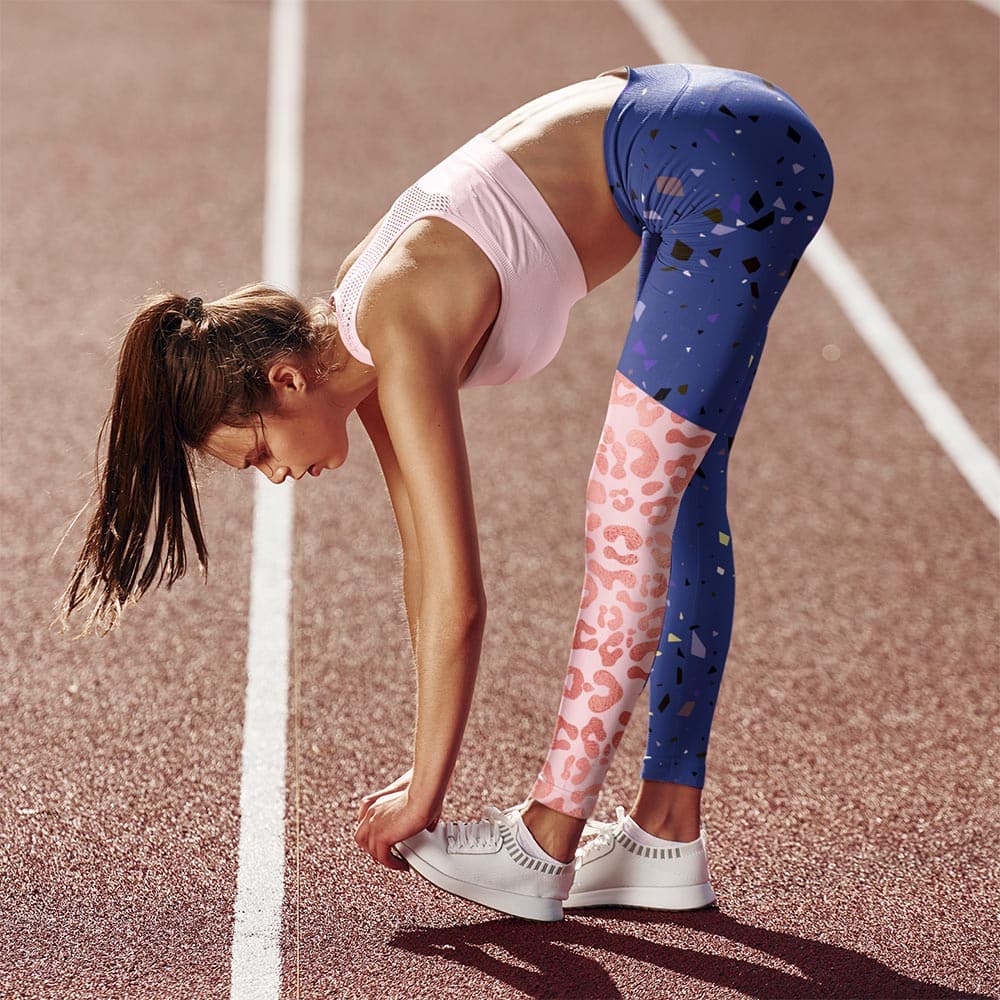
- Choose pants with a high-rise, wide waistband for intense activity. High-rise designs cover more of your midsection and help hold the pants in place.
- Avoid cotton-only fabrics, which lose stretch when wet. Cotton absorbs sweat and becomes heavy, making rolling more likely.
- Use pants with compression features if you do high-intensity training. Compression supports muscles and keeps the waistband firm.
- Try seamless designs—seams can sometimes cause bands to flip or roll. Seamless waistbands are smoother and less likely to bunch.
- Check for internal silicone grips, often found in performance brands. These small details can make a big difference in keeping pants up.
Practical example: For hot yoga or dance, choose pants with a sweat-wicking fabric and a double-layered waistband. This combo reduces both slipping and rolling. If you do exercises that involve a lot of twisting or bending, a contoured or V-shaped waistband can offer extra stability.
Non-obvious insight: Some brands design their waistbands to be slightly curved, matching the natural shape of the body. These curved waistbands move with you and are less likely to roll, especially during twisting poses.
Credit: loonylegs.com
Washing And Caring For Yoga Pants
How you care for your yoga pants affects how long they keep their shape.
Washing Tips
- Wash in cold water to protect elastic fibers. Hot water can damage spandex and elastic, causing the waistband to weaken.
- Avoid fabric softeners—they break down spandex. Fabric softeners make pants feel nice at first but destroy the stretch over time.
- Hang dry or tumble dry on low heat. High heat breaks down elastic and can shrink fabric.
- Wash inside out to reduce wear on the waistband. This protects the outer surface and helps the waistband last longer.
Mistakes To Avoid
- Washing with heavy items like jeans, which stretch the waistband. Heavy items can pull and twist the waistband, making it lose shape.
- Using bleach, which ruins elasticity. Bleach is too harsh for elastic fabrics.
- Over-drying, which makes fabric brittle. Air drying is best for preserving stretch and fit.
Extra insight: Rotate your yoga pants—don’t wear the same pair every day. This gives the elastic time to recover, just like athletic shoes. Regular rotation also prevents excessive wear in one area, helping your pants last longer.
If you notice the waistband feels tighter or looser after washing, check your washing routine. Small changes, like lower heat or gentler cycles, can improve the lifespan of your pants.
Upgrading To Higher-quality Brands
Sometimes, the solution is investing in better yoga pants. Quality brands often use advanced materials and design.
What To Look For In Premium Yoga Pants
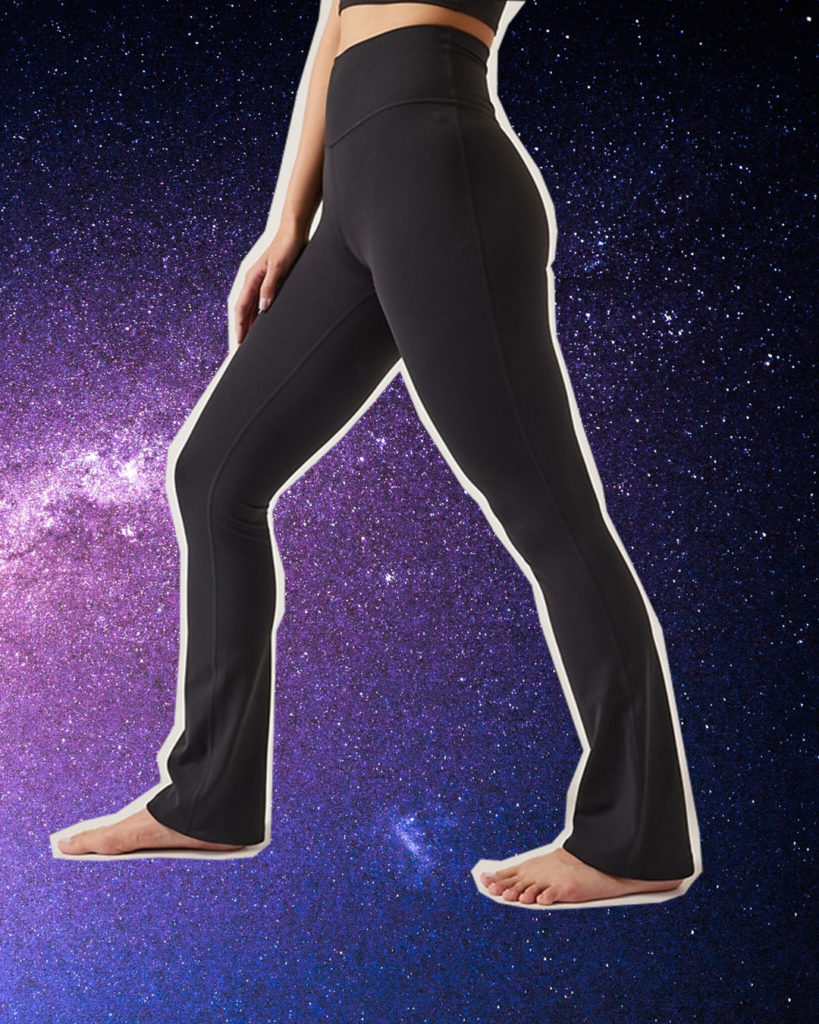
- Reinforced, double-layered waistbands: These provide structure and prevent rolling.
- High spandex or Lycra content (15% or more): More stretch and better fit.
- Flat, wide seams or seamless construction: Less irritation and stronger hold.
- Internal silicone strips or gripping features: Adds friction, especially for active use.
- Size options for tall, petite, or curvy fits: More precise fit for different body types.
Practical tip: Read reviews and check return policies. Some brands allow returns even after washing and wearing. Take advantage of these policies to find the best fit.
Extra example: Some companies offer virtual fittings or “find your fit” quizzes online. These tools consider your body shape and suggest the best style for you.
Credit: www.fleetstreetmag.com
Diy Solutions To Stop Rolling
If you want to fix the problem at home, there are creative solutions.
Adding Silicone Grip
Buy silicone waistband grips (sold online or in sewing stores). Sew or stick them inside the waistband. These create friction and hold the pants in place. Some people use strips from old non-slip socks or sports gear.
Using A Waistband Extender
If your pants are too tight, try a waistband extender. This is a small elastic piece that attaches to the waistband, making it slightly larger and more comfortable. Extenders are especially helpful if your weight changes or if the pants shrink after washing.
Layering For Extra Security
Wearing a fitted tank top, bodysuit, or compression shorts under your yoga pants adds grip. This method is simple and doesn’t damage your pants. Choose thin, smooth fabrics for layering so you don’t add extra bulk.
Extra tip: You can also try body adhesive or fashion tape (used for keeping strapless dresses in place). Apply a small strip on your skin under the waistband for extra hold during intense activity.
When To Seek Professional Alterations
If DIY fixes don’t work and you love your pants, consider professional tailoring. A tailor can:
- Replace worn-out elastic with stronger material
- Take in the waistband for a custom fit
- Add drawstrings or silicone grips
Professional fixes are especially helpful for expensive or hard-to-find styles.
Alterations are also a good option if you find the perfect pants but they’re just a little off in size. A small adjustment can make a big difference in comfort and performance.
Extra insight: Some athletic stores offer in-house tailoring for their brands, so check if this service is available where you shop.
Comparing Yoga Pants: Rolling Down Resistance
Here’s a look at how different brands and styles perform based on user feedback.
| Brand/Style | Waistband Type | Rolling Down | User Rating (1-5) |
|---|---|---|---|
| Lululemon Align | High-rise wide | Rare | 4.8 |
| Old Navy Powersoft | Mid-rise standard | Sometimes | 4.2 |
| Athleta Salutation | High-rise reinforced | Rare | 4.7 |
| Amazon Essentials | Low-rise thin | Often | 3.9 |
| Gymshark Flex | High-rise compression | Rare | 4.5 |
Note: User ratings are based on online reviews and feedback. High-rise, reinforced waistbands are less likely to roll.
Extra example: Some users report that even within the same brand, different collections may perform differently. Always check for recent reviews, as brands sometimes change their materials or designs.
Mistakes To Avoid When Buying Yoga Pants
Even experienced buyers make mistakes. Avoid these for a better fit.
- Choosing by price alone—very cheap pants often use low-quality elastic and thin fabric.
- Ignoring return policies—always check if you can try and return, especially when shopping online.
- Not reading reviews about waistband issues. User reviews often mention if waistbands roll, stretch, or lose shape after washing.
- Overlooking care instructions—some fabrics need special washing. If you can’t follow the care instructions, the pants may not last.
- Buying trending styles instead of what fits your body. Just because a style is popular doesn’t mean it will work for your shape.
Confidence tip: The right yoga pants will feel secure from the moment you put them on—trust your comfort, not just the look. Don’t be afraid to try several brands or styles before settling on your favorite.
Non-obvious insight: Some people buy several pairs of the same style once they find one that works. This saves time and ensures you always have a backup if one pair wears out.
Frequently Asked Questions
Why Do My Yoga Pants Roll Down Only On One Side?
This usually happens if the waistband is uneven or if the pants are twisted when you put them on. It can also be due to body asymmetry or a stretched-out seam. Adjust the waistband and check for damage to fix the problem.
Sometimes, repeated washing causes seams to shift, so gentle hand washing can help prevent uneven stretching.
Are High-waisted Yoga Pants Better For Preventing Rolling?
Yes, high-waisted yoga pants with a wide, reinforced band are usually best. They cover more of your midsection and offer better grip. Look for “compression” or “performance” styles for extra support.
Can I Stop Yoga Pants From Rolling With A Belt?
Some people use thin elastic exercise belts, but these can be uncomfortable during yoga. It’s better to use pants with an internal drawstring or add silicone grips inside the waistband. Belts may also restrict movement, which is not ideal for yoga or workouts.
How Often Should I Replace My Yoga Pants?
Replace them when the fabric thins, the waistband loses elasticity, or repairs no longer help. On average, good yoga pants last many months with proper care, but frequent use and washing will shorten their life. If you notice sagging, rolling, or discomfort, it’s time for a new pair.
Are There Specific Brands Known For Waistbands That Don’t Roll?
Yes, brands like Lululemon, Athleta, and Gymshark are praised for their secure waistbands. Always check user reviews and look for features like reinforced bands or compression panels. For more information on high-performance activewear, see Healthline’s guide to the best yoga pants.
Finding yoga pants that stay put doesn’t have to be hard. With the right fit, quality materials, and a few smart tricks, you can move confidently and comfortably. Remember, everyone’s body is different—don’t be afraid to try new brands or styles until you find what works best for you.
Yoga is about feeling good in your body, and your clothes should support that goal.
