

How to Stop Shin Guard Rash: Effective Tips to Prevent Pain
Are you tired of dealing with that annoying, painful rash caused by your shin guards? You’re not alone.
Shin guard rash can ruin your game and make training uncomfortable. But what if you could stop it before it starts? Imagine playing without the constant itch, redness, or irritation holding you back. You’ll discover simple, effective ways to protect your skin and keep your shin guards from causing rash.
Keep reading, and you’ll learn exactly what to do to stay comfortable and focused every time you hit the field.
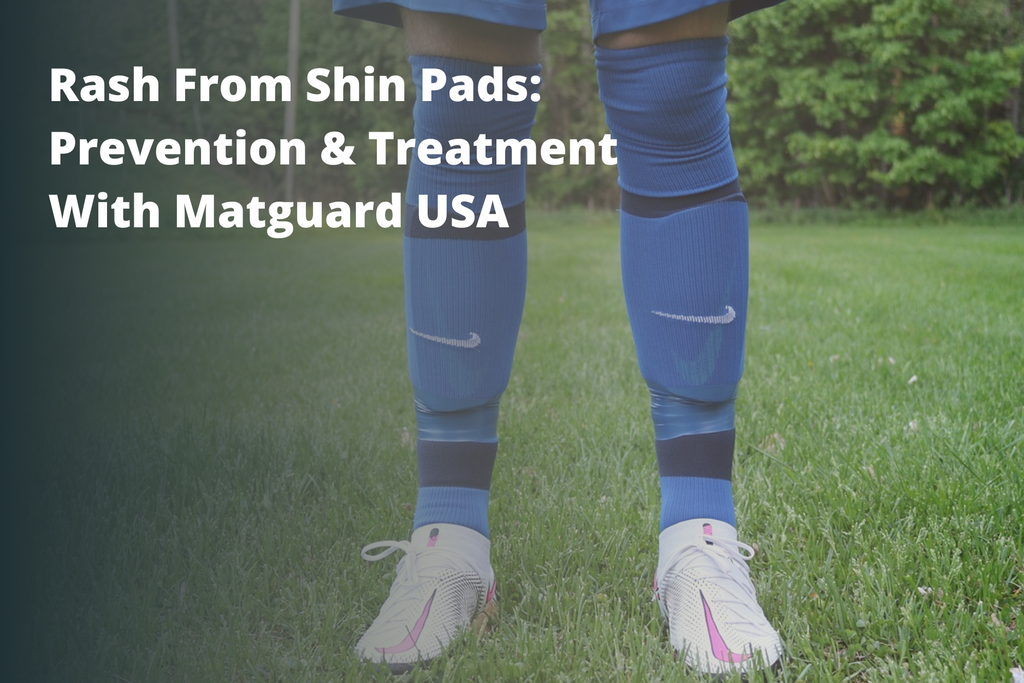
Credit: matguardusa.com
Causes Of Shin Guard Rash
Shin guard rash is a common problem for many athletes. It causes discomfort and can stop you from playing. Understanding what causes this rash helps in preventing it. The rash usually appears due to contact between your skin and the shin guard. Several factors make your skin react badly under the guards.
Friction And Skin Irritation
Friction happens when the shin guard rubs against your skin. This constant rubbing can irritate your skin. It often causes redness and soreness. The skin may break down after repeated rubbing. This irritation makes your skin sensitive and prone to rash.
Sweat And Moisture Build-up
Sweat collects under the shin guard during exercise. Moisture stays trapped against your skin. This wet environment encourages bacteria to grow. Bacteria can cause itching and rash. Moist skin also weakens the skin’s barrier, making rash more likely.
Material Sensitivity
Some shin guards use materials that cause allergic reactions. Certain plastics, foams, or fabrics may irritate your skin. This sensitivity leads to redness and rash. Not all skin types react the same way. Choosing the right material can reduce the risk of rash.
Choosing The Right Shin Guards
Choosing the right shin guards is key to avoiding rash and discomfort. The right pair protects your skin and feels good to wear. Picking the best shin guards helps keep your legs safe and rash-free during play.
Proper Fit And Size
Shin guards must fit snugly without squeezing. Too tight causes rubbing and skin irritation. Too loose lets the guard move and chafe. Measure your shin length and width before buying. Choose a size that covers the shin fully and stays in place.
Breathable Materials
Materials that breathe reduce sweat and heat build-up. Sweat can cause skin to become sore and rashy. Look for guards made with mesh or ventilation holes. These let air flow and keep your skin dry during play.
Adjustable Straps
Straps that you can adjust help keep guards secure. Tighten the straps so the guard does not slip. Loose guards rub more and cause rash. Adjustable straps allow a custom fit for comfort and protection.
Preparing Your Skin
Preparing your skin before wearing shin guards reduces rash and irritation. Proper care helps protect skin from friction and sweat. Simple steps create a strong barrier between your skin and the shin guards. Follow these tips for healthy, rash-free skin.
Clean And Dry Skin
Start by washing your legs with mild soap and warm water. Clean skin removes dirt and sweat that cause irritation. After washing, dry your skin completely. Moisture can increase friction and lead to rash. Use a soft towel and pat dry gently.
Applying Protective Barriers
Apply a thin layer of protective cream or balm on your skin. Products like petroleum jelly or anti-chafing sticks work well. These barriers reduce rubbing between your skin and shin guards. Reapply the barrier if you sweat a lot during activity.
Using Moisturizers
Use a gentle moisturizer daily to keep your skin soft and healthy. Dry skin is more prone to cracking and rash. Choose fragrance-free lotions to avoid irritation. Apply moisturizer at least 30 minutes before putting on shin guards. This helps the skin absorb the product fully.
Wearing Techniques
Wearing shin guards the right way can stop rash and skin pain. The way you put on your guards matters a lot. Small changes in how you wear them help keep your skin safe. Let’s see some easy wearing techniques that work well.
Correct Placement
Put the shin guard right in the middle of your shin bone. Not too high or too low. This placement helps protect your skin and bones. It also stops the guard from rubbing too much on your skin. Check that the guard covers the hardest part of your shin.
Avoiding Over-tightening
Fasten the straps just tight enough to hold the guard. Too tight straps pinch the skin and cause redness. Too loose straps let the guard slip down and rub skin. Find a balance that keeps the guard steady but not painful. Your skin will thank you.
Using Compression Sleeves
Wear a thin compression sleeve under your shin guard. The sleeve creates a soft layer between your skin and the guard. It reduces friction and stops rash from forming. Compression sleeves also keep the guard in place better. Choose breathable fabric to avoid sweat build-up.
Post-use Care
Taking care of your shin guards after each use is key to stop rash and skin irritation. Good post-use care keeps both your gear and skin healthy. Simple habits help prevent bacteria buildup and skin problems.
Cleaning Shin Guards
Remove any sweat and dirt from your shin guards after playing. Use mild soap and warm water to clean the inside and outside. Avoid harsh chemicals that can damage the material or irritate skin. Let them dry completely in a well-ventilated place. Never store them wet or in a dark, damp area.
Skin Care After Play
Wash your legs gently with soap and water after removing shin guards. Pat your skin dry with a clean towel. Apply a light moisturizer to soothe and protect the skin. Avoid thick creams that block pores. Wearing clean, breathable socks can also reduce friction and moisture build-up.
Monitoring For Irritation
Check your skin daily for red spots, bumps, or itching. Early signs of rash need quick attention. Stop using the shin guards if irritation worsens. Try different shin guard sizes or padding if problems persist. Consult a doctor if the rash does not improve or gets infected.

Credit: storelli.com
Additional Tips
Dealing with shin guard rash can be frustrating. Simple steps can reduce irritation and discomfort. These tips help protect your skin during sports and training.
Using Anti-chafing Products
Apply anti-chafing creams or gels on your skin before wearing shin guards. These products create a smooth barrier. They reduce friction and prevent rashes. Use them regularly for best results. Choose products made for sensitive skin.
Rotating Shin Guards
Use more than one pair of shin guards. Rotate them during the week to allow each pair to dry completely. This prevents bacteria and sweat buildup. It also reduces skin irritation. Clean your shin guards often to keep them fresh.
Consulting A Dermatologist
See a dermatologist if rash worsens or does not improve. A doctor can suggest creams or treatments. They help heal skin and stop infections. Early advice prevents serious skin problems. Always follow medical instructions carefully.
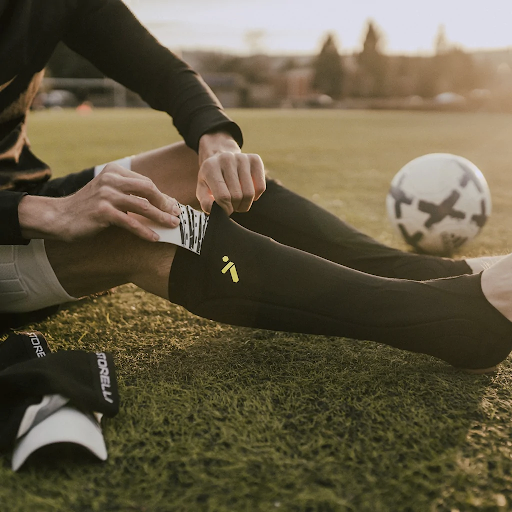
Credit: storelli.com
Frequently Asked Questions
What Causes Shin Guard Rash During Sports?
Shin guard rash is caused by friction and sweat buildup under the guard. Tight or ill-fitting shin guards increase irritation, leading to redness and discomfort. Bacteria and moisture trapped inside worsen the rash.
How Can I Prevent Shin Guard Rash Effectively?
Wear properly fitting shin guards with moisture-wicking socks. Clean your skin and guards regularly to reduce bacteria. Use protective padding or anti-chafing creams to minimize friction during activity.
What Treatments Help Soothe Shin Guard Rash Quickly?
Apply cold compresses to reduce inflammation. Use over-the-counter hydrocortisone cream or aloe vera gel to soothe skin. Keep the area clean and dry, and avoid wearing shin guards until healed.
Are There Specific Materials To Avoid In Shin Guards?
Avoid shin guards made from non-breathable materials like hard plastics without ventilation. Opt for guards with breathable padding or mesh to reduce sweat and skin irritation.
Conclusion
Stopping shin guard rash takes simple steps anyone can follow. Keep your skin clean and dry before wearing guards. Use soft, breathable socks to reduce friction. Choose shin guards that fit well and have padding. Take breaks during play to let your skin rest.
Treat any irritation quickly to avoid worsening. Small changes make a big difference in comfort. Protect your skin and enjoy your sport pain-free.
