

How to Start Gym Clothing Brand: Step-by-Step Success Guide
How To Start Gym Clothing Brand
Building a gym clothing brand can be exciting and rewarding, but it’s not simple. Many people want to create a fitness apparel line, but few know how to start, what steps to follow, and where mistakes happen. If you’re passionate about fitness and style, this guide will help you go from idea to launch—without missing key details. You’ll learn how to find your market, design your products, set up manufacturing, build your brand, and sell your gym clothing. Let’s make your vision real.
Understanding The Gym Clothing Market
The fitness apparel market is growing fast. People care about comfort, performance, and style during workouts. According to industry research, the global activewear industry is valued at over $350 billion. This growth is driven by a mix of trends: more people working out, the rise of athleisure (wearing gym clothes casually), and social media.
But competition is high. Many brands, both big and small, fight for attention. To succeed, you need to know:
- Who your customers are
- What they want in gym clothes
- Which brands they already buy
Market Segmentation
Gym clothing shoppers are not all the same. Some want basic, affordable gear. Others pay more for premium fabrics and unique designs. Common segments include:
- Bodybuilders: Need durable, fitted clothing.
- Yoga enthusiasts: Prefer soft, flexible materials.
- Casual gym-goers: Like comfort and style.
- Runners and athletes: Seek moisture-wicking, breathable fabrics.
Think about which group you connect with. Research their habits. Check what they buy, what they post online, and which brands they follow.
Key Competitors
Before you start, look at current brands. Notice what they offer and how they market. Here’s a quick comparison of three well-known gym clothing brands:
| Brand | Target Audience | Main Features | Price Range |
|---|---|---|---|
| Gymshark | Young fitness fans | Trendy designs, influencer marketing | Medium |
| Lululemon | Yoga & premium buyers | High-quality fabrics, minimal style | High |
| Nike | All athletes | Performance, global reach | Medium to high |
This table gives a snapshot, but dig deeper. Read customer reviews, look at their social media, and notice gaps. Maybe you see complaints about price, fit, or style. That’s your chance.
Finding Your Unique Brand Position
You don’t want to be another copy. A strong brand position sets you apart. This means:
- Defining your mission (why your brand exists)
- Deciding your style and values
- Choosing your target customer
Defining Your Mission
Ask yourself: What problem does my gym clothing solve? Maybe you want to offer affordable, eco-friendly workout gear. Or maybe you focus on plus-size fitness wear. Your mission should be clear and easy to understand.
Brand Values And Story
People connect with brands that have a story. Maybe you started your brand because you couldn’t find comfortable gym clothes for your body type. Or you want to support athletes in your local community. Write your story in simple words. Use it everywhere: website, packaging, and ads.
Name And Logo
Your brand name should be:
- Short and easy to say
- Memorable
- Related to fitness
Avoid names that are hard to spell or pronounce. For your logo, keep it simple. Use bold, clean lines. Make sure it looks good on shirts, hats, and tags.
Designing Gym Clothing
Design is more than picking colors. You need to match style with function. Gym clothing should be comfortable, durable, and help people perform.
Choosing Fabrics
Fabric choice is critical. Here’s a comparison of common gym clothing materials:
| Fabric | Pros | Cons |
|---|---|---|
| Polyester | Moisture-wicking, durable | Can feel synthetic |
| Cotton | Soft, breathable | Absorbs sweat, not quick-drying |
| Spandex | Stretchy, flexible | Can lose shape over time |
| Nylon | Lightweight, strong | May pill, less eco-friendly |
| Bamboo | Eco-friendly, soft | Higher cost |
For gym wear, blends are common. Polyester-spandex mixes offer stretch and moisture control. Cotton blends add softness but may not dry fast.
Product Types
Decide what types of clothing you’ll offer:
- T-shirts
- Tank tops
- Shorts
- Leggings
- Sports bras
- Hoodies
- Jackets
Start small. One or two products is enough for launch. You can add more later.
Design Process
Sketch your ideas or hire a designer. Use software like Adobe Illustrator or free tools like Canva. Consider:
- Fit (tight, loose, regular)
- Colors and patterns
- Where your logo will appear
Send your designs to friends or fitness fans for feedback. Adjust as needed.
Non-obvious Insight
Many beginners forget about seam placement. Seams affect comfort during workouts, especially for high-movement activities. Flatlock seams are less likely to irritate the skin. Research different stitching methods and ask manufacturers about their options.
Sourcing And Manufacturing
Turning your designs into actual clothing is a big step. You need to decide how you’ll produce your gym wear.
Manufacturing Options
- Local Manufacturers: Easier communication, faster shipping. Costs are usually higher.
- Overseas Manufacturers: Lower costs, more options. Communication can be harder, and shipping takes longer.
Ask for samples before committing. Compare quality, price, and minimum order quantity (MOQ). Most factories ask for a minimum number of pieces per design.
How To Find Manufacturers
- Search online directories (like Alibaba, Maker’s Row)
- Attend trade shows
- Ask other brands for recommendations
When you contact manufacturers, be clear about:
- Fabric choice
- Design details
- Quantity
- Timeline
Sampling And Quality Control
Order samples and test them. Wear them during workouts. Wash them several times. Check for color fading, stitching problems, or sizing issues. Never skip sampling. It saves money and stress later.
Production Costs
Production costs depend on fabric, design complexity, and volume. Here’s a basic comparison:
| Product | Typical Cost (per unit) | MOQ |
|---|---|---|
| T-shirt | $5–$12 | 100 |
| Leggings | $8–$18 | 100 |
| Sports Bra | $6–$14 | 100 |
These are rough estimates. Costs can change based on details.
Non-obvious Insight
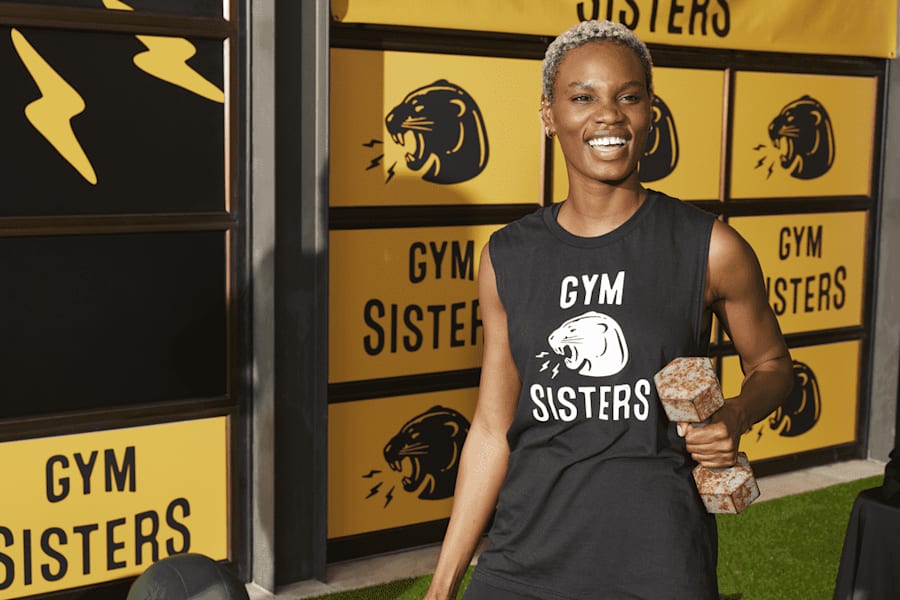
Many new brands forget about labeling and packaging. Custom tags and packaging may cost extra but improve your brand image. Ask manufacturers if they offer these services.
Credit: www.vistaprint.com
Pricing Your Gym Clothing
Pricing is tricky. You want to make profit, but not price too high. Think about:
- Cost of production
- Shipping and packaging
- Marketing expenses
- Competitor prices
Common Pricing Models
- Keystone Pricing: Double the cost to set your price.
- Premium Pricing: Set prices higher if your brand offers unique value.
- Competitive Pricing: Match or beat competitor prices.
Check what similar brands charge. If your leggings cost $10 to make, selling at $30–$40 is common. But don’t underprice—low prices can make your brand look cheap.
Hidden Costs
Beginners often miss hidden costs like returns, damaged items, or storage fees. Plan for at least 10% extra expenses.
Building Your Brand Identity
Brand identity is more than a logo. It’s how people feel when they see your gym clothing.
Visual Identity
- Choose colors that match your target market. Bold colors appeal to young, energetic buyers. Neutral tones suit a premium, calm brand.
- Use consistent fonts and graphics.
Brand Voice
Decide how you talk to your customers. Is your brand friendly and casual? Or serious and motivational? Write all texts (website, ads, labels) in this style.
Packaging
Good packaging makes your brand memorable. Use eco-friendly options if your mission supports sustainability. Include thank-you notes or workout tips in packages. Small touches improve customer loyalty.
Social Proof
Feature testimonials, reviews, and photos from real users. This builds trust and helps buyers feel confident.

Credit: www.youtube.com
Setting Up Your Business
A gym clothing brand needs a legal business setup.
Registering Your Brand
- Choose a business structure (sole proprietorship, LLC, corporation)
- Register your business name
- Get the necessary licenses
Talk to a local business advisor or use online services to make sure you follow the law.
Trademarks And Copyrights
Trademark your brand name and logo to protect your identity. Copyright your designs. This stops others from copying your work.
Bank Accounts And Taxes
Open a business bank account. Keep finances separate from personal money. Track all expenses and sales. Use accounting software or hire an accountant.
Non-obvious Insight
Many first-time founders forget about insurance. Consider liability insurance. It protects you if a customer gets hurt or claims your product caused harm.
Creating An Online Store
Selling online is the easiest way to reach customers. You can use platforms like Shopify, WooCommerce, or BigCommerce.
Website Essentials
Your website should have:
- Clear product photos (front, back, close-up)
- Simple descriptions (mention fabric, fit, care)
- Easy checkout process
- Secure payment options
Add size guides and care instructions. Help buyers pick the right fit.
Shipping And Returns
Offer clear shipping options and return policies. Fast, reliable shipping makes customers happy. Easy returns build trust.
Customer Support
Set up email, chat, or phone support. Answer questions quickly. Happy customers spread the word.
Building Your Social Media Presence
Social media is key for fitness brands. People want to see real workouts, clothing in action, and connect with your story.
Choosing Platforms
Start with Instagram and TikTok. Fitness content works well there. Facebook and YouTube are also useful.
Content Ideas
- Workout videos wearing your clothing
- Behind-the-scenes photos of design and manufacturing
- Customer testimonials and user photos
- Fitness tips
Post regularly. Use hashtags related to fitness and gym wear.
Influencer Marketing
Work with fitness influencers. Send them samples. Ask for honest reviews and photos. Even micro-influencers (less than 10,000 followers) can boost your brand.
Non-obvious Insight
Don’t ignore LinkedIn for business networking. Connect with gym owners, trainers, and other brands. This can lead to wholesale deals and collaborations.
Launching Your Gym Clothing Brand
Launching is more than announcing your products. Plan carefully.
Pre-launch Steps
- Build hype on social media
- Share sneak peeks of designs
- Collect emails for early access
Offer a special deal for first buyers—discounts, free shipping, or a gift.
Launch Day
Make your website live. Post everywhere—social media, email, blogs. Respond quickly to questions and orders.
Post-launch
Ask for feedback. Improve products and service based on comments. Keep posting new content and stay active.
Credit: www.fitnessclothingmanufacturer.com
Growing Your Gym Clothing Brand
Once you launch, focus on growth.
Customer Retention
- Send follow-up emails after purchase
- Offer loyalty rewards
- Launch new designs regularly
Expanding Product Line
Add new products based on customer demand. Ask buyers what they want next. Listen to feedback.
Wholesale And Partnerships
Sell to gyms, fitness studios, or retailers. Offer bulk discounts. Partner with trainers or fitness events.
Tracking Results
Use analytics to track website visits, sales, and customer behavior. Adjust your marketing as needed.
Scaling Manufacturing
As sales grow, increase production. Negotiate better prices with factories. Watch quality closely.
Common Mistakes To Avoid
Starting a gym clothing brand is challenging. Here are mistakes many beginners make:
- Skipping market research: Not knowing your customer leads to poor sales.
- Ignoring quality: Cheap clothing gets bad reviews.
- Poor branding: Weak logos or inconsistent messaging confuse buyers.
- Bad sizing: Not offering enough sizes limits your market.
- Weak marketing: Not posting regularly or engaging with customers.
- Overordering stock: Too much inventory ties up money.
- Neglecting feedback: Not listening to buyers stops improvement.
Always learn from mistakes and adjust.
Industry Statistics And Trends
Fitness apparel is a fast-moving industry. Here are some key stats:
- Over 60% of gym-goers prefer moisture-wicking fabrics
- Athleisure makes up about 30% of all activewear sales
- Social media drives over 50% of purchase decisions for fitness clothing
- Eco-friendly gym wear is rising—about 20% of buyers want sustainable options
Understanding these numbers helps shape your strategy.
Real-life Example: Small Brand Success
A small gym clothing brand started with just two products: a moisture-wicking T-shirt and flexible leggings. They focused on local fitness communities, used Instagram for marketing, and partnered with trainers. Within six months, they sold out their first batch and expanded. Their secret? Listening to customers and improving products based on feedback.
This proves you don’t need a big budget to succeed. Start small, work smart, and build strong relationships.
Frequently Asked Questions
How Much Money Do I Need To Start A Gym Clothing Brand?
You can start with a small budget if you focus on one or two products. Production costs can range from $5,000 to $20,000 depending on quantity, quality, and marketing. Always plan for extra expenses like sampling, packaging, and shipping.
Where Can I Find Reliable Manufacturers For Gym Clothing?
Search online platforms like Alibaba or attend trade shows. Ask other brands for recommendations. Always order samples first to check quality. Communicate clearly about your needs.
What Makes Gym Clothing Different From Regular Clothing?
Gym clothing uses performance fabrics like polyester and spandex. These materials wick sweat, stretch, and last longer. Good gym wear also has flat seams, strong stitching, and fits designed for movement.
How Do I Market My Gym Clothing Brand?
Use social media platforms like Instagram and TikTok. Partner with influencers, post workout videos, and share customer testimonials. Build an email list and offer discounts to early buyers. Consistent posting and engagement are key.
Should I Trademark My Gym Clothing Brand?
Yes. Trademarking your name and logo protects your brand from copycats. It also builds trust with customers. Register trademarks early to avoid legal problems.
Final Thoughts
Starting your own gym clothing brand takes planning, creativity, and persistence. If you study the market, design smart products, build a strong brand, and listen to your customers, you’ll set yourself up for success. Don’t rush—take each step carefully. Test your ideas, improve your products, and connect with your audience.
The fitness apparel world is full of opportunity for those who stand out and deliver quality.
If you want more data and industry insight, visit Statista for up-to-date research. Remember: your gym clothing brand can grow from a small start into something big. Stay focused, adapt, and keep your passion alive.
