

How to Prevent Watch Rash: Expert Tips for Comfortable Wear
Have you ever noticed an itchy, red rash forming where your watch sits? That uncomfortable irritation can turn a stylish accessory into a daily annoyance.
But what if you could enjoy wearing your favorite watch without worrying about skin problems? You’ll discover simple, effective ways to prevent watch rash and keep your skin healthy. Keep reading to learn how small changes can make a big difference for your comfort and confidence.
Causes Of Watch Rash
Watch rash happens because of several reasons. Knowing these causes helps to prevent the rash. Some factors irritate the skin. Others cause allergies or trap sweat. A watch that does not fit well also leads to rash. Understanding these causes is the first step to avoid watch rash.
Skin Irritation Factors
Skin irritation occurs when the watch rubs against your skin. Constant friction causes redness and itching. Dirt and dead skin cells build up under the watch. This makes irritation worse. Sensitive skin reacts quickly to these factors.
Material Allergies
Some watch materials cause allergic reactions. Metals like nickel often cause allergies. Rubber and certain plastics may irritate some people. Allergic skin turns red, swollen, or itchy. Choosing hypoallergenic materials can help avoid this.
Sweat And Moisture
Sweat trapped under the watch creates a moist environment. Moisture softens the skin and makes it fragile. Bacteria and fungi grow in this damp space. This leads to itching, redness, and rash. Keeping the area dry is important to prevent rash.
Improper Fit
A watch that is too tight or too loose causes problems. Tight watches press on the skin and block airflow. Loose watches move and cause friction. Both cases irritate the skin and cause rash. A proper fit keeps the skin healthy and rash-free.
Choosing The Right Watch
Choosing the right watch can help you avoid watch rash. The materials and fit of your watch play a big role in skin comfort. Picking a watch that suits your skin type and daily activities reduces irritation. Let’s explore what to consider when choosing a watch.
Hypoallergenic Materials
Watches made from hypoallergenic materials cause less skin irritation. Look for stainless steel, titanium, or ceramic cases and backs. These materials reduce the chance of allergic reactions. Avoid cheap metals that often cause rashes. Hypoallergenic watches keep your skin calm and healthy.
Breathable Straps
Breathable straps allow air to flow around your wrist. Materials like silicone, nylon, or leather with perforations work well. These straps reduce sweat buildup and moisture. Moisture can cause itching and rashes under the watch. Choose straps that keep your skin dry and fresh.
Adjustable Bands
Adjustable bands help you find the perfect fit. A watch worn too tight traps sweat and irritates skin. Too loose, it moves and rubs, causing friction. Bands with multiple holes or links let you adjust easily. A proper fit reduces pressure and skin problems.
Daily Care Tips
Daily care helps stop watch rash from starting. Small habits can protect your skin every day. These simple steps keep your wrist clean and healthy. Follow them to enjoy wearing your watch without problems.
Regular Cleaning
Clean your watch and strap often. Dirt and sweat build up under the watch. Use a soft cloth to wipe your watch daily. For water-resistant watches, gently wash with mild soap and water. Dry completely before wearing it again. This keeps germs away and prevents irritation.
Skin Hygiene
Wash your wrist with soap and water each day. Dry your skin well before putting on your watch. Avoid lotions or creams under the watch area. Moist skin can cause rashes or itching. Keep your skin cool and dry to stay rash-free.
Taking Breaks
Take off your watch for some time each day. Let your skin breathe without tight straps. Remove the watch during exercise or hot weather. This reduces sweat and pressure on your wrist. Breaks help your skin stay healthy and calm.
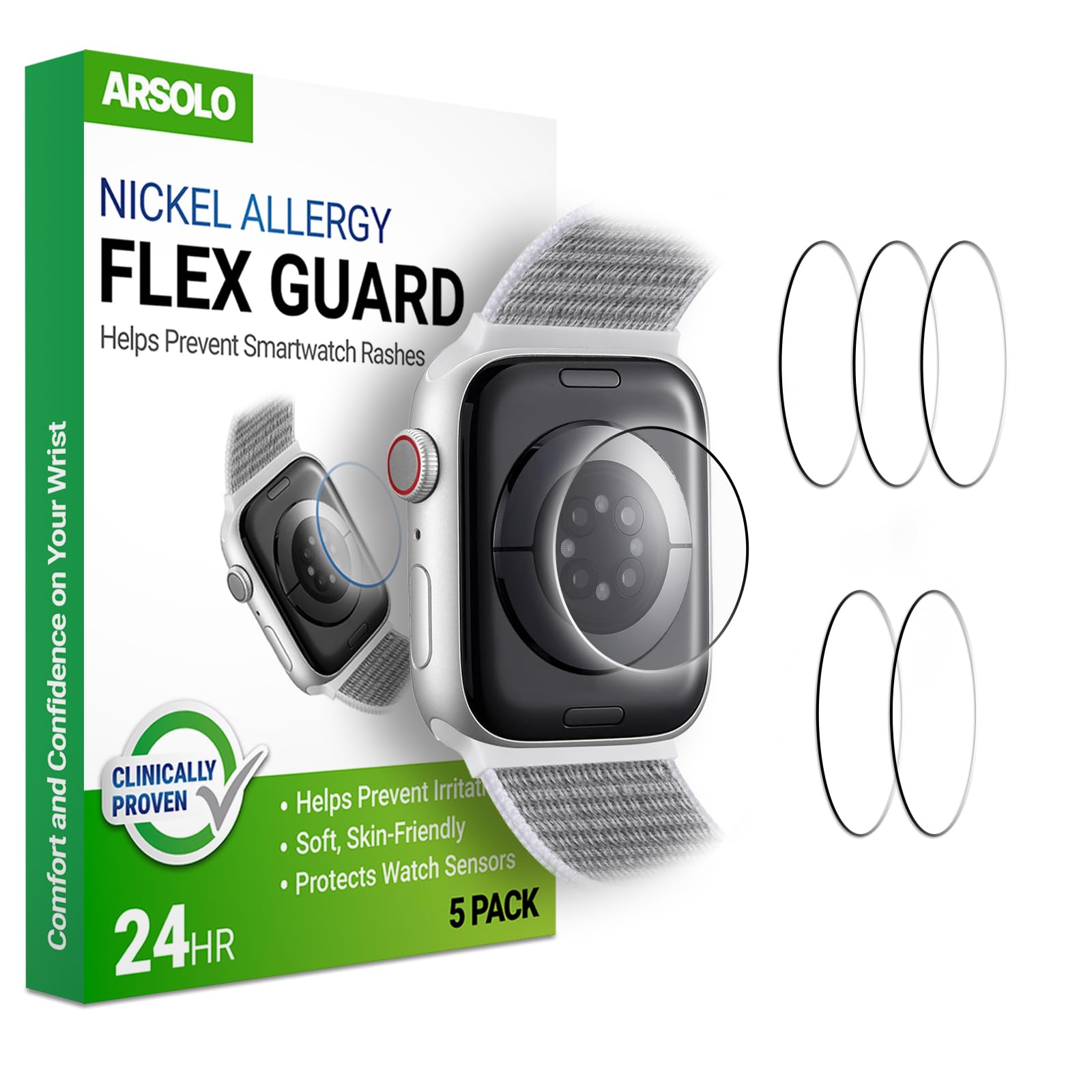
Credit: www.amazon.com
Preventing Irritation
Watch rash causes redness and itchiness on the skin. Preventing irritation helps keep your skin healthy. Taking simple steps can stop rash before it starts. The right care protects your wrist and improves comfort.
Using Protective Barriers
Apply a thin layer of barrier cream on your wrist. This stops sweat and dirt from touching your skin. Silicone pads or soft cloth strips under the watch help too. These barriers reduce friction and shield sensitive skin.
Applying Moisturizers
Keep your skin soft with a daily moisturizer. Use gentle, fragrance-free creams to avoid more irritation. Moisturized skin is less likely to crack or get inflamed. Apply moisturizer before wearing your watch for best results.
Avoiding Tight Straps
Choose watch straps that fit comfortably, not too tight. Tight straps trap sweat and cause rubbing on your skin. Looser straps allow air to reach your skin and reduce irritation. Adjust straps often to keep a good fit throughout the day.
When To See A Doctor
Knowing when to see a doctor for watch rash is important. Most rashes go away with simple care. Some rashes need medical help. Recognizing signs that need a doctor can keep the skin safe and healthy.
Signs Of Infection
Watch rash can get infected. Watch for redness that spreads beyond the rash. Swelling and warmth are warning signs. Pus or fluid oozing from the rash means infection. Pain that gets worse also needs attention.
Persistent Rash Symptoms
A rash lasting more than one week should be checked. If the rash does not improve with cleaning and care, see a doctor. Constant itching or discomfort that won’t stop is a concern. Skin that cracks or bleeds needs medical advice.
Allergic Reactions
Allergic reactions to watch materials can cause severe rashes. Sudden swelling or blistering needs prompt care. Difficulty breathing or dizziness alongside rash requires urgent help. If the rash spreads quickly or causes intense pain, visit a doctor.

Credit: www.amazon.com

Credit: www.reddit.com
Frequently Asked Questions
What Causes Watch Rash On The Wrist?
Watch rash is caused by skin irritation from sweat, friction, or allergic reactions to watch materials. Tight straps and moisture worsen it.
How Can I Prevent Watch Rash Daily?
Clean your watch regularly, keep your wrist dry, and avoid tight straps. Use hypoallergenic bands and take breaks from wearing watches.
Which Watch Materials Reduce Skin Irritation?
Silicone, nylon, and leather bands are less likely to cause irritation than metal or rubber. Choose hypoallergenic materials for sensitive skin.
Can Improper Watch Cleaning Cause Rash?
Yes, unclean watches harbor bacteria and dirt, causing skin infections and rashes. Clean your watch and strap frequently with mild soap and water.
Conclusion
Preventing watch rash takes small, smart steps every day. Keep your wrist clean and dry. Choose watch bands made of soft, breathable materials. Avoid wearing a watch too tight or too long. Take breaks from your watch to let your skin breathe.
Watch rash can be uncomfortable, but you can stop it early. Healthy skin feels better and looks better too. Remember, a little care keeps your wrist rash-free and happy.
