

How to Prevent Shin Guard Rash: Expert Tips for Comfort and Care
If you play sports like soccer, hockey, or any game that requires shin guards, you know how annoying a shin guard rash can be. That itchy, painful irritation can ruin your focus and keep you off the field.
But what if you could stop it before it even starts? You’ll discover simple, effective ways to protect your skin and keep your shin guards comfortable all game long. Keep reading to learn how to say goodbye to rash and hello to pain-free play!

Credit: www.shinnerz.com
Causes Of Shin Guard Rash
Shin guard rash is a common problem for athletes who wear protective gear. Understanding the causes helps prevent discomfort and skin damage. Several factors contribute to this rash, mainly linked to how the shin guards interact with your skin.
Common Irritants
Materials in shin guards can irritate sensitive skin. Some plastics, foams, or fabrics cause allergic reactions or redness. Dirt and bacteria trapped inside the gear also irritate the skin. Regular cleaning of the shin guards reduces these irritants.
Friction And Sweat
Shin guards rub against the skin during movement. This constant friction damages the skin’s surface. Sweat increases the problem by making the skin wet and soft. Wet skin is more prone to chafing and rashes.
Improper Fit Issues
Shin guards that are too tight or too loose cause problems. Tight guards press hard, cutting off air and causing heat buildup. Loose guards move around, increasing friction. Both situations lead to skin irritation and rash formation.

Credit: storelli.com
Choosing The Right Shin Guards
Choosing the right shin guards plays a big role in preventing shin guard rash. A good pair fits well, feels comfortable, and protects your skin. The right shin guards reduce friction and sweat buildup that cause irritation. Focus on material, size, and ventilation when picking shin guards. Each factor helps keep your legs rash-free during play.
Material Matters
Shin guards come in many materials like plastic, foam, and gel. Soft padding inside reduces pressure points on your skin. Look for guards with smooth lining to stop rubbing. Lightweight materials help reduce sweat and heat. Avoid rough or hard materials that can irritate your skin.
Sizing Tips
Choose shin guards that fit snugly but not too tight. Guards that are too small cause chafing and discomfort. Too large guards move around and rub your skin. Measure your shin length and calf size before buying. Try them on with your socks to check the fit.
Ventilation Features
Good airflow helps keep your skin dry and cool. Shin guards with holes or mesh panels increase ventilation. Less sweat means less chance of rash and itching. Some guards have moisture-wicking liners to draw sweat away. Pick shin guards designed for breathability to stay comfortable.
Preparing Your Skin Before Play
Preparing your skin before play helps stop shin guard rash. Proper skin care lowers friction and keeps your skin safe. Follow these easy steps to get your skin ready for the game.
Cleaning And Drying
Clean your skin with mild soap and warm water. Dirt and sweat can cause irritation under shin guards. Dry your skin well using a soft towel. Moist skin can lead to more rubbing and rash.
Using Protective Barriers
Apply a thin layer of protective barrier cream or gel. These products create a shield between your skin and shin guards. They reduce friction and prevent skin damage during play.
Applying Anti-chafing Products
Use anti-chafing sticks or balms on areas where guards touch your skin. These products stop rubbing and soothe your skin. Reapply if you sweat a lot or play for a long time.
Proper Shin Guard Usage
Proper shin guard usage is key to preventing shin guard rash. Wearing them correctly keeps your skin safe and comfortable. It also helps you avoid painful irritation and redness. Follow simple steps to use shin guards the right way.
Correct Placement
Place shin guards directly over the shin bone. Make sure they cover the area from just above the ankle to below the knee. Avoid placing them too low or too high. Proper placement keeps guards stable and protects your skin well.
Securing Straps Effectively
Fasten all straps tightly enough to hold the shin guard in place. The straps should stop the guard from sliding during movement. Use all the straps that come with your shin guards. Securing straps well stops rubbing and skin irritation.
Avoiding Over-tightening
Do not tighten straps too much. Over-tightening cuts off blood flow and causes discomfort. It can also create pressure points that lead to rash. Keep straps snug but comfortable. This balance helps keep your skin healthy.
Post-game Skin Care
Taking care of your skin after a game is important to avoid shin guard rash. Sweat, dirt, and friction can irritate the skin. Post-game skin care helps your skin recover faster. It also lowers the risk of infections and redness. Follow these simple steps to keep your skin healthy and rash-free.
Cleaning The Skin
Start by washing the skin gently with warm water. Use a mild soap to remove sweat and dirt. Avoid scrubbing hard to prevent more irritation. Pat the skin dry with a clean towel. Make sure the skin is completely dry before putting on shin guards again.
Treating Irritations
Apply a cold compress to soothe any redness or swelling. Use an over-the-counter cream for itching or mild rash. Avoid scratching the irritated area to stop infections. If the rash looks bad, see a doctor quickly. Early treatment helps heal faster and stops the rash from spreading.
Moisturizing And Healing
Use a gentle moisturizer to keep the skin soft. Choose a lotion without strong fragrances or alcohol. Moisturizing prevents dryness and cracking after cleaning. Let the skin breathe by not covering it tightly. Healthy skin heals faster and resists new rash.
Credit: storelli.com
Additional Tips For Comfort
Shin guard rash can be painful and annoying during sports or training. Comfort is key to avoid skin irritation. Small changes in how you wear and care for your shin guards make a big difference. Here are some extra tips to keep you comfortable and rash-free.
Wearing Compression Sleeves
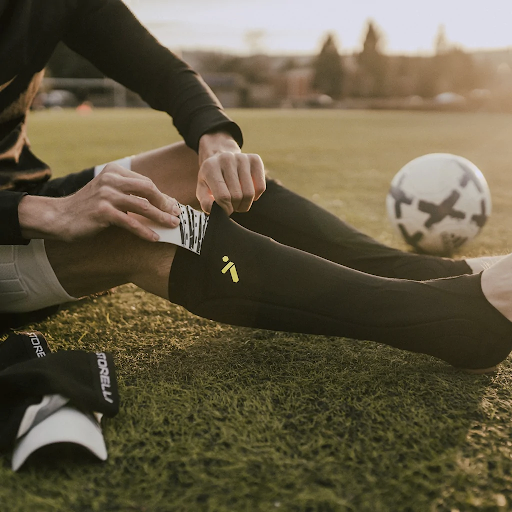
Compression sleeves provide a smooth layer between your skin and shin guards. They reduce friction and prevent rubbing. Sleeves also help keep sweat away from the skin. This lowers the chance of rash and irritation. Choose sleeves made from breathable, soft fabric for best results.
Rotating Shin Guards
Using the same shin guards every day can cause wear and tear. Old or worn-out pads increase skin irritation. Rotating between two or more pairs spreads out the pressure. It also allows each pair to dry and air out. This practice keeps your skin healthier and more comfortable.
Maintaining Hygiene
Clean shin guards regularly to remove sweat and bacteria. Bacteria build-up can cause infections and rashes. Wash your guards after every use with mild soap and water. Let them dry completely before wearing again. Also, wash your legs and dry them well before putting on shin guards.
Frequently Asked Questions
What Causes Shin Guard Rash During Sports?
Shin guard rash occurs due to friction, sweat, and trapped moisture. It irritates the skin and causes redness or bumps. Tight or ill-fitting guards worsen the problem. Proper hygiene and padding can help reduce rash risk.
How Can I Prevent Shin Guard Rash Effectively?
To prevent rash, wear moisture-wicking socks and clean guards regularly. Use protective sleeves or pads under guards. Ensure guards fit well without excessive tightness. Keep skin dry and apply anti-chafing creams before activity.
Are There Specific Materials For Rash-free Shin Guards?
Yes, shin guards made from breathable, hypoallergenic materials reduce rash risk. Look for guards with moisture-wicking liners and soft padding. Avoid rough or non-breathable materials that trap sweat and cause irritation.
How Often Should Shin Guards Be Cleaned To Avoid Rash?
Clean shin guards after every use to prevent bacteria buildup. Use mild soap and water, then air dry completely. Regular cleaning minimizes sweat and dirt that cause skin irritation and rash.
Conclusion
Preventing shin guard rash takes simple daily steps. Keep your skin clean and dry. Use soft, breathable socks under your guards. Choose shin guards that fit well, not too tight. Take breaks during play to let your skin rest. Apply skin creams or powders to reduce friction.
Watch your skin for early signs of irritation. These small habits protect your skin and keep you comfortable. Stay active without pain or rash getting in the way. Your skin will thank you with every game you play.
