

How to Open a Gym Clothing Brand: Ultimate Guide to Success
How To Open A Gym Clothing Brand
Starting your own gym clothing brand can be both exciting and challenging. The world of fitness fashion is growing fast, with more people seeking stylish and comfortable activewear. However, launching a successful brand takes more than just a logo and a few shirts.
You need a clear plan, a strong understanding of your target audience, and the ability to create products people want to wear again and again. This guide will show you every important step, from finding your unique angle to handling manufacturing, marketing, and sales.
By the end, you’ll know exactly how to turn your passion for gym wear into a real business.
Defining Your Brand Identity
Before you create your first product, you must answer a crucial question: what makes your gym clothing brand special? The fitness apparel market is crowded, so a unique identity helps you stand out.
Find Your Niche
A niche is a focused segment of the market. Trying to serve everyone usually results in blending in with the competition. Instead, ask: Who do you want to help? Are you making plus-size gym wear, clothes for yoga lovers, or performance gear for bodybuilders? The more specific your audience, the easier it is to design, market, and sell your products.
Brand Values And Mission
People connect with brands that stand for something. Decide what values matter to your brand. For example, will your clothing be eco-friendly, affordable, or high-tech? A clear mission statement gives your brand a purpose beyond just selling clothes.
Non-obvious insight: Many new brands skip defining their values and niche, leading to generic products that customers forget. Take time to write down your unique selling points and company values before moving forward.
Market Research And Understanding The Competition
You need to know the market before you invest money or design samples.
Analyze Successful Gym Clothing Brands
Look at top brands like Gymshark, Lululemon, and Under Armour. What do they do well? Study their designs, customer service, prices, and social media. Notice what their customers love—and what they complain about.
Study Your Target Customers
Find out where your customers shop, what styles they like, and how much they spend. Use surveys, social media polls, or in-person interviews. Focus on details such as:
- Age and gender
- Favorite workouts
- Common complaints about current gym wear
- Preferred price range
Identify Gaps
The best brands fill a gap in the market. Are people asking for more breathable fabrics? Do they want pockets in leggings? Look for pain points that you can solve.
Non-obvious insight: Reading online reviews (especially negative ones) can reveal what buyers wish was different. This can inspire your first product ideas.
Creating A Business Plan
A good business plan is your road map. It helps you avoid mistakes and shows investors or partners that you’re serious.
Key Elements To Include
- Executive Summary: A short overview of your brand’s vision and goals.
- Market Analysis: Details about your market research and target audience.
- Products and Services: What will you sell? Why is it unique?
- Marketing Plan: How will you reach and attract customers?
- Operations Plan: Where will you make, store, and ship products?
- Financial Plan: Estimated costs, expected sales, and profits.
Example Cost Breakdown
Here’s a simple cost estimate for starting a small gym clothing brand:
| Startup Expense | Estimated Cost (USD) |
|---|---|
| Product samples and prototyping | 1,000 - 3,000 |
| Initial inventory (200-500 units) | 3,000 - 10,000 |
| Branding and logo design | 200 - 1,000 |
| E-commerce website setup | 500 - 3,000 |
| Marketing and ads (first 3 months) | 1,000 - 5,000 |
| Legal (business registration, trademarks) | 500 - 2,000 |
Costs vary a lot based on where you live, order sizes, and your business model.
Designing Your Gym Clothing Line
Your product design is what your customers will notice first. Great design combines style, function, and comfort.
Decide On Product Types
Most gym clothing brands start with a core set of products. These might include:
- T-shirts or tank tops
- Leggings or shorts
- Sports bras
- Hoodies or jackets
Start simple—focus on a few products and make them excellent.
Choose Materials Carefully
The right fabric can make or break your brand. For gym wear, look for moisture-wicking, stretchy, and durable materials. Common choices are polyester blends, spandex, and nylon.
Non-obvious insight: Test fabrics yourself. Many founders discover only after launching that their clothes become see-through or uncomfortable during workouts. Order samples and wear them during actual exercise.
Work With Designers
If you’re not a designer, hire a professional or use a freelance platform. Provide clear instructions about:
- Target audience
- Color preferences
- Logo placement
- Special features (like phone pockets or seamless stitching)
Ask for digital mockups and make changes early—before any samples are made.
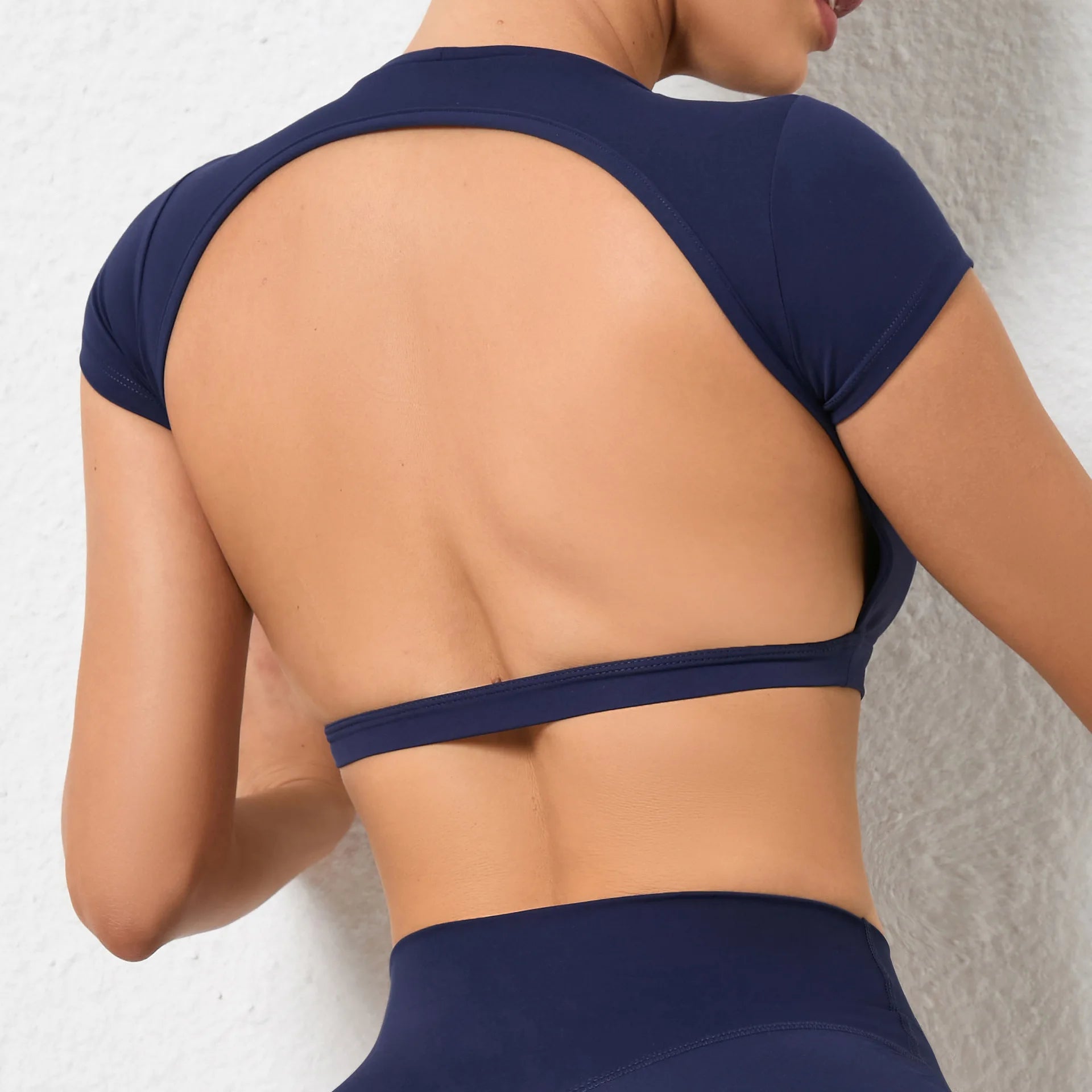
Credit: elodieactivewear.com
Finding And Working With Manufacturers
Once your designs are ready, you need a manufacturer to turn your ideas into real clothes.
Types Of Manufacturers
- Domestic: Made in your own country; usually higher quality and easier communication, but more expensive.
- Overseas: Lower costs (especially in Asia), but longer shipping times and sometimes lower quality.
How To Find Manufacturers
- Search on platforms like Alibaba, Maker’s Row, or Global Sources
- Attend trade shows or industry events
- Ask for recommendations in online business forums
Comparing Manufacturer Options
When you contact a manufacturer, ask:
- What is the Minimum Order Quantity (MOQ)?
- What are the sample costs?
- What is the production time?
- Can they do custom labeling and packaging?
- What are the payment terms?
| Factor | Domestic Manufacturer | Overseas Manufacturer |
|---|---|---|
| MOQ | Low (50-200 units) | Medium/High (200-1,000+ units) |
| Unit Cost | High | Low |
| Lead Time | 2-4 weeks | 4-12 weeks |
| Communication | Easy | Can be challenging |
| Quality Control | Strong | Varies |
Sample Orders
Always order samples before a large production run. Wear and wash the samples to check for:
- Shrinking or color fading
- Seam strength
- Comfort during exercise
Do not skip this step, even if it costs more time and money.
Branding, Logo, And Packaging
A memorable brand is about more than just clothes. Your logo, packaging, and even the way you talk about your products matter.
Logo And Visual Identity
Your logo should be simple, recognizable, and work in black and white. It should look good on clothing tags, websites, and social media. You may want a graphic designer to help with this.
Choose a color palette and font style for your brand. Use them everywhere—on your website, social media, and product labels.
Packaging
Good packaging creates a strong first impression. Consider:
- Reusable gym bags
- Recycled materials for eco-friendliness
- Custom thank you notes
Non-obvious insight: Unique packaging can get your brand shared on social media, giving you free promotion.
Setting Up Your Online Store
A strong online presence is crucial. Most new gym clothing brands start with their own website and add other sales channels over time.
E-commerce Platforms
Popular options include Shopify, WooCommerce, and BigCommerce. These platforms let you create an online store, manage products, and handle payments.
Shopify is user-friendly, with many templates and built-in tools. WooCommerce works well if you already have a WordPress site. Compare costs, features, and ease of use before choosing.
Product Photos And Descriptions
Invest in high-quality photos that show your clothes from multiple angles. Use models that represent your target audience. Write clear, honest descriptions highlighting fabric, fit, and unique features.
Payment And Shipping
Offer common payment methods (credit card, PayPal, Apple Pay). Set clear shipping policies—how long orders take, where you ship, and return procedures.
Pricing Strategies
Setting the right price is tricky. You want to be affordable but also make a profit.
Factors To Consider
- Cost of goods: What does it cost to make and ship each item?
- Competitor prices: Check what similar brands charge.
- Brand positioning: Are you a budget, mid-range, or premium brand?
- Profit margin: Many brands aim for at least a 50% margin.
| Brand Positioning | Average Retail Price (T-shirt) | Target Customer |
|---|---|---|
| Budget | $15 - $25 | Students, price-sensitive buyers |
| Mid-range | $30 - $50 | Fitness enthusiasts, young professionals |
| Premium | $60 - $100+ | Athletes, trendsetters |
Non-obvious insight: Pricing too low can hurt your brand image and make it hard to scale. Customers often link price with quality—choose a price that reflects your value.

Credit: www.walmart.com
Legal And Administrative Setup
Protect your business and brand from the start. Don’t overlook the legal details.
Register Your Business
Choose a business structure: sole proprietorship, LLC, or corporation. Register your business name with local authorities.
Trademarks And Copyrights
Register your brand name and logo as trademarks to stop others from copying you. Check that your brand name isn’t already taken by searching online trademark databases.
Taxes And Permits
Get an EIN (Employer Identification Number) if you plan to hire staff or open a business bank account. Learn about sales tax rules for your state or country.
Non-obvious insight: Failing to trademark your name early can lead to costly legal battles or a forced rebrand later.
For more information, the Small Business Administration offers guidance on business registration and compliance.
Marketing Your Gym Clothing Brand
Even the best clothing won’t sell if people don’t know it exists. Marketing is how you attract, engage, and keep customers.
Building Your Brand Story
Share your “why. ” Did you start your brand because you couldn’t find stylish workout gear for your body type? Do you support local athletes? Authentic stories make brands memorable.
Social Media
Instagram, TikTok, and Facebook are powerful tools. Post:
- Workout videos featuring your clothing
- Customer testimonials
- Behind-the-scenes looks at your design process
Use hashtags and partner with fitness influencers who fit your brand. Send free samples to micro-influencers for honest reviews.
Email Marketing
Start collecting emails from day one. Offer a discount for signing up. Send regular emails with:
- New product announcements
- Fitness tips
- Special promotions
Paid Advertising
Try social media ads or Google Ads to reach new customers. Start with a small budget and test what works.
Community Building
Create a loyal community around your brand. Host online challenges, sponsor local fitness events, or build a private Facebook group for fans.
Non-obvious insight: Your first customers are often your best marketers. Give them reasons to share—like referral bonuses or contests.
Managing Inventory And Fulfillment
Getting orders to customers quickly and accurately is key to building trust.
Inventory Models
- In-house fulfillment: Store and ship products yourself. Good for small brands.
- Third-party logistics (3PL): Use a warehouse to store and ship your products. Saves time but costs more.
- Print-on-demand: Make and ship items only after someone orders. Lower risk, but less control over quality and design.
Tracking Inventory
Use software to track how much stock you have. This prevents selling out of popular items or sitting on unsold inventory.
Returns And Customer Service
Set a clear return policy. Respond quickly to questions and complaints. Good service turns unhappy buyers into loyal fans.
Non-obvious insight: Fast, friendly responses to customer issues can earn you positive reviews—even after a problem.
Launching Your First Collection
The launch is your moment to shine. Plan carefully for a strong start.
Build Anticipation
Share sneak peeks on social media. Use countdowns, teasers, or limited-time offers to get people excited.
Consider A Pre-order
Pre-orders let you gauge demand and fund production. Offer a discount or bonus for early buyers.
Launch Day Checklist
- Check your website is working on all devices.
- Prepare email and social media announcements.
- Make sure you have enough inventory ready to ship.
Follow Up
After launch, ask for feedback. Use reviews and photos from early customers to improve your next collection.
Scaling And Growing Your Brand
Growth is about more than just selling more clothes. It’s about building a brand people love and talk about.
Expanding Your Product Line
Use customer feedback and sales data to decide what to add next. Don’t add too many products at once—focus on quality over quantity.
Wholesale And Retail Partnerships
Selling to gyms, boutiques, or fitness studios can boost your brand. Prepare a line sheet with your products and pricing for potential partners.
International Sales
As you grow, consider selling worldwide. Learn about international shipping, taxes, and sizing differences.
Brand Ambassadors
Recruit loyal fans as brand ambassadors. Offer free gear or commissions for sales they generate.
Non-obvious insight: Focus on customer experience at every stage. Small brands with excellent service can beat bigger competitors with poor support.
Frequently Asked Questions
How Much Money Do I Need To Start A Gym Clothing Brand?
Startup costs vary, but most small brands need between $5,000 and $20,000 to cover design, samples, inventory, website, and marketing. Starting smaller, with print-on-demand or limited pre-orders, can reduce costs.
Do I Need Fashion Or Business Experience To Launch A Gym Clothing Brand?
No formal experience is required. Many successful founders learn as they go. However, studying the industry and seeking help from designers or business mentors will make the process smoother.
How Can I Find Reliable Manufacturers For Gym Clothing?
Search platforms like Alibaba, Maker’s Row, or attend trade shows. Always ask for samples, check references, and start with small orders to test quality and communication before scaling up.
What Are The Most Important Marketing Channels For Gym Clothing Brands?
Social media (especially Instagram and TikTok), influencer collaborations, and email marketing are key for most gym clothing brands. Building a community around your brand can also create loyal customers.
How Can I Protect My Gym Clothing Brand From Being Copied?
Register your business name and logo as trademarks. Make sure your designs are original and keep records of your work. Consult a legal expert for guidance on intellectual property protection.
Launching a gym clothing brand is a journey with many steps, but it’s also a chance to create something meaningful in the fitness world. Focus on solving real problems, building a strong brand, and serving your customers well. With patience and smart planning, you can turn your vision into a thriving business.

Credit: www.nilds.gov.ng
