

How to Make Your Own Team Jersey: Step-by-Step Guide
How To Make Your Own Team Jersey
Creating your own team jersey is more than just a way to stand out on the field or court. It’s about building team spirit, showing pride, and creating a sense of belonging. Whether you’re part of a sports team, a group of friends, or an organization, designing your own jersey lets you express your identity in a unique way.
Many think making a team jersey is hard or expensive, but with the right steps, it’s a fun and rewarding project anyone can accomplish.
This guide will walk you through every part of the process. From brainstorming ideas to picking materials, from design tips to printing methods, you’ll learn everything you need to know. Along the way, you’ll find practical advice, common mistakes to avoid, and some insights that beginners often miss.
By the end, you’ll be ready to create a team jersey that everyone will be proud to wear.
Why Make Your Own Team Jersey?
A team jersey is more than just clothing. It brings people together and creates a shared identity. Here are a few reasons why making your own team jersey is worth the effort:
- Boosts team spirit: Wearing the same jersey makes everyone feel like they belong. It helps build teamwork and trust.
- Custom look: You control every detail, from colors to logos to names.
- Budget-friendly: Making your own jersey can be cheaper than buying from a store, especially for big groups.
- Special memories: A jersey you design yourself carries memories and stories that off-the-shelf jerseys never can.
Many teams realize that the process of creating a jersey together is as valuable as the final product. It’s a chance to collaborate, share ideas, and make something meaningful.
Planning Your Team Jersey
Before you start designing or buying materials, take time to plan. A little preparation will save time and money later.
Define Your Purpose
Ask yourself:
- Is the jersey for a sports team, a school event, or a group trip?
- Will it be used for practice, competition, or casual wear?
- How many people will need a jersey?
Knowing the purpose will affect your choices for fabric, fit, and design.
Set A Budget
Jersey costs can vary widely. Think about:
- How many jerseys do you need?
- Will you buy all materials yourself or collect money from each team member?
- Do you want basic printing or something more advanced?
A clear budget helps keep your project realistic.
Get Team Input
Your jersey should reflect everyone’s ideas, not just one person’s vision. Gather the team and discuss:
- Favorite colors and styles
- Preferred materials (lightweight, breathable, etc.)
- Any must-have design elements (like logos or slogans)
Taking a quick vote can help make decisions and avoid conflicts later.
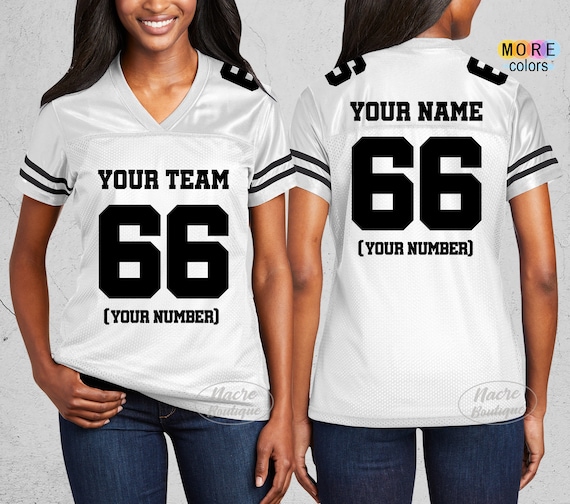
Credit: www.etsy.com
Choosing The Right Materials
Material choice affects comfort, durability, price, and appearance. It’s one of the most important decisions in the process.
Popular Jersey Fabrics
Here’s a comparison of common materials:
| Material | Pros | Cons | Best For |
|---|---|---|---|
| Polyester | Lightweight, dries fast, durable | Can feel synthetic, less breathable | Most sports |
| Cotton | Soft, comfortable, breathable | Holds moisture, wrinkles easily | Casual wear, light activity |
| Polyester/Cotton Blend | Balances comfort and durability | Not as soft as pure cotton | General use |
| Mesh | Very breathable, lightweight | Can be see-through, less durable | Hot weather sports |
Insight: Many beginners pick the cheapest fabric, but comfort and durability matter. Polyester works well for sports, while cotton blends are better for events or casual wear.
Sizes And Fit
Jerseys should fit all team members comfortably. Collect sizes in advance and consider if you want a loose or fitted style. Remember that different brands have different sizing charts—always check before ordering.
Pro Tip: Order a few extra jerseys in common sizes (like medium or large) in case someone joins the team later or needs a replacement.
Color Choices
Pick colors that:
- Represent your team’s identity
- Are easy to spot during games
- Work well with your logo and numbers
Avoid colors that are too light (they may become see-through) or very dark (they show sweat easily).
Designing Your Team Jersey
This is the most creative part. Your design will make your team unique.
Brainstorming Ideas
Start with inspiration:
- Look at famous team jerseys for ideas
- Check online design galleries
- Ask team members for sketches or suggestions
Decide on key elements:
- Team name: Should be clear and readable
- Logo: Simple is better for printing and visibility
- Numbers: Make sure they’re large and bold
- Player names: Decide if these will appear on the back
Beginner insight: Overly complicated designs can be expensive and hard to print. Focus on simplicity and impact.
Choosing Fonts And Graphics
Pick fonts that are easy to read from a distance. Avoid thin or script fonts. For graphics, use high-resolution images or vector files so your logo prints clearly.
If you don’t have a designer, try free tools like Canva or Adobe Express to create simple logos and layouts.
Layout And Placement
Plan where everything will go:
- Team name usually goes on the front, center or chest
- Logo can go on the chest, sleeve, or back
- Player number and name typically on the back
Draw a rough sketch or use online mockup tools to visualize your design.
Colors And Contrast
Use high-contrast colors so details stand out. For example, white letters on a dark jersey or dark numbers on a light background.
Pro Tip: Print a test version of your design on paper to check visibility and color accuracy.
Printing And Customization Methods
How you put your design onto the jersey is just as important as the design itself. There are several methods, each with pros and cons.
Main Printing Techniques
| Method | Cost | Durability | Best For | Notes |
|---|---|---|---|---|
| Screen Printing | Low for bulk | Very high | Large orders | Best for simple designs with few colors |
| Heat Transfer | Medium | Medium | Small orders, complex designs | Colors can fade after many washes |
| Sublimation | Higher | High | All-over designs, polyester fabric | Not for cotton jerseys |
| Embroidery | High | Very high | Logos, badges | Best for small details, adds weight |
Screen Printing
Screen printing uses stencils and ink. It’s cost-effective for large orders and gives bold, long-lasting colors. However, each color adds to the setup cost, so it’s best for simple designs.
Heat Transfer
This method uses heat to press a design onto the fabric. It’s flexible and good for small runs or detailed graphics. However, the design may fade or crack over time, especially after many washes.
Sublimation
Sublimation dye is absorbed into the fabric, making the design part of the jersey. It’s excellent for vibrant, all-over prints on polyester. It doesn’t work on cotton or dark fabrics.
Embroidery
Embroidery stitches your design directly into the fabric. It’s very durable and looks professional, but it’s usually limited to small areas like logos or names.
Diy Vs. Professional Printing
You can print jerseys yourself with an iron-on kit or home printer, but the results are less durable. For best quality, use a local or online printing service.
Beginner insight: Always ask for a sample before printing the full order. It helps catch mistakes early and ensures the colors match your expectations.
Custom Features And Add-ons
A great team jersey often includes special features that make it unique and practical.
Player Names And Numbers
Decide if you want to add:
- Individual player names (for identity)
- Numbers (for games or tournaments)
- Both, or just a team name
Make sure the font size is big enough to read from a distance.
Logos And Badges
If your team has sponsors, you may want to include their logos. Place them on the sleeve or lower back to keep the main design clean.
Sleeve And Collar Styles
Choose from:
- Short sleeves (most common for sports)
- Long sleeves (for cold weather)
- V-neck, crew neck, or collar for different looks
Special Touches
Some teams add:
- Motivational quotes inside the collar
- Small national flags
- Year of the team’s founding
Pro Tip: Keep extra design elements small and subtle so they don’t distract from the main design.
Placing Your Order Or Making At Home
Now you’re ready to turn your design into a real jersey.
Ordering From A Printing Company
When choosing a company:
- Check reviews and customer photos
- Compare prices and minimum order sizes
- Ask about turnaround time (how long it takes)
- Make sure they offer your preferred printing method
Send your design files in the format they request (often PDF or vector). Double-check all spellings, numbers, and colors before sending.
Making Jerseys At Home
For small groups or a personal project, making jerseys at home is possible.
You’ll need:
- Blank jerseys or t-shirts
- Heat transfer paper (for inkjet or laser printers)
- An iron or heat press
- Scissors and a hard surface
Steps:
- Print your design on transfer paper (mirror image for words).
- Cut out each design piece.
- Place the design on the jersey.
- Use the iron or heat press as directed.
- Let cool, then peel off the backing.
Beginner insight: Home-printed designs don’t last as long as professional prints, but they’re great for events or one-time use.
Quality Checks And Distribution
Before handing out jerseys, check each one for:
- Correct size and fit
- Right spelling of names and numbers
- Clear, centered printing
- No stains or damage
Distribute jerseys at a team meeting to build excitement. Take a group photo—these memories last a lifetime.

Credit: everestkitchennc.com
Caring For Your Team Jersey
Proper care keeps your jerseys looking new and lasting longer.
Washing Tips
- Wash jerseys inside out to protect the design.
- Use cold water and mild detergent.
- Avoid bleach or fabric softeners.
- Hang dry instead of using a dryer.
Storing And Transporting
- Fold or hang jerseys to prevent wrinkles.
- Keep them in a clean, dry bag during transport.
- Never store when damp—this can cause mold or bad smells.
Pro Tip: Consider giving each team member a small laundry care card with these tips.
Common Mistakes When Making Team Jerseys
Even with good planning, some issues can pop up. Here are mistakes to watch for:
- Not checking spelling: Misspelled names or words can’t be fixed once printed.
- Ignoring size differences: Always collect exact sizes from team members.
- Choosing low-contrast colors: Makes names and numbers hard to see.
- Overcomplicating the design: Simple, bold designs look better and print cleaner.
- Missing the deadline: Printing and shipping can take longer than expected—start early.
- Ordering too few jerseys: Always order a few extras.
- Skipping the sample print: This step helps avoid costly errors.
- Poor quality images: Low-resolution logos look blurry on the final jersey.
- Not testing fabric comfort: Uncomfortable jerseys won’t get worn.
- Ignoring care instructions: Wrong washing can ruin the print quickly.

Credit: www.amazon.com
Examples Of Great Team Jerseys
Looking for inspiration? Here are a few examples of memorable team jerseys:
- A basketball team used a bold, single-color design with a large, simple number and small logo.
- A group of friends on a charity run chose bright, neon colors for easy spotting and added a motivational phrase inside the collar.
- A school soccer team added each player’s nickname under the main number for a personal touch.
Tip: The best jerseys are easy to recognize, comfortable, and tell a story about the team.
Cost Breakdown: What To Expect
Budgeting is important for every team. Here’s a sample cost breakdown for different options:
| Item | Low-End Cost (per jersey) | High-End Cost (per jersey) | Notes |
|---|---|---|---|
| Blank Jersey | $5 | $20 | Depends on material and brand |
| Screen Printing | $2 | $10 | Lower with bulk orders |
| Sublimation | $10 | $20 | Best for full-color designs |
| Embroidery | $5 | $15 | For small logos or names |
| DIY Heat Transfer | $3 | $6 | Includes transfer paper, home printing |
Note: Shipping and setup fees are extra. Always confirm final costs with your supplier.
Sustainability And Ethical Choices
Many teams are now thinking about the environment and ethical sourcing. Here are ways to make your jersey project more responsible:
- Choose recycled or organic fabrics if possible.
- Pick local suppliers to reduce shipping impact.
- Avoid “fast fashion” options with poor labor practices.
For more on ethical clothing, see this Fairtrade Foundation guide.
Pro Tip: Share with your team if you choose sustainable materials—many will appreciate the effort.
Frequently Asked Questions
How Do I Choose The Best Size For Each Team Member?
Ask each person for their preferred size, or give them a sizing chart from your supplier. If in doubt, go one size larger—looser jerseys are more comfortable during activity.
What’s The Fastest Way To Make Team Jerseys For A Small Group?
Use blank t-shirts and iron-on transfer paper for a quick DIY solution. You can print designs at home and finish in a few hours.
Can I Put Photos On A Jersey?
Yes, but photos work best with sublimation or high-quality heat transfer. Make sure the image is clear and high-resolution. For most sports, simple graphics are better than photos.
How Long Does It Take To Get Custom Jerseys Printed?
Professional printing usually takes one to three weeks depending on the company, order size, and delivery method. Always ask about timelines before placing your order.
How Do I Keep My Jersey Looking New After Washing?
Wash inside out, use cold water, avoid bleach, and hang dry. Never iron directly on the printed area. These steps help your jersey stay bright and last longer.
Bringing your own team jersey to life is an exciting experience. It’s a chance to be creative, build memories, and show off your team’s pride. With the right planning and these tips, you’ll create something special—one jersey at a time.
