

How to Make Your Own Activewear: DIY Tips for Stylish Results
Making your own activewear is a rewarding project. You get clothing that fits your body, reflects your style, and meets your activity needs. Many people feel limited by store options—sizes, colors, or price tags. Sewing your own gear gives you control over every detail.
If you enjoy crafts, want to save money, or simply need better-fitting workout clothes, this guide will take you through every step.
You don’t need to be an expert sewer. With the right materials and a bit of patience, even beginners can make comfortable, stylish activewear. In this guide, you’ll learn how to plan, choose fabrics, use patterns, and sew pieces like leggings, sports bras, shorts, and tops.
You’ll also find tips on getting the best fit, making your clothes last, and adding your personal flair. Let’s get started on creating your own activewear wardrobe.
Why Make Your Own Activewear?
There are many reasons to try making your own workout clothes. First, custom fit is a big advantage. Store-bought activewear often comes in standard sizes that might not fit your body shape perfectly. When you sew your own, you can make adjustments for your waist, hips, legs, and arms.
Second, you have control over style. Want a rare color, a fun print, or a unique detail? DIY activewear lets you pick exactly what you want. No more settling for what’s on the rack.
Third, you can focus on quality and comfort. Some store-bought items use materials that irritate skin or lose shape quickly. Choosing your own fabric means you decide how stretchy, soft, or durable your clothing is.
Finally, making your own activewear can save money over time. High-quality gear is expensive, but home-sewn pieces can cost less if you source materials wisely.
Planning Your Activewear Project
Before you start cutting fabric, a little planning will make your project smoother.
Decide What You Want To Make
Think about your workouts and lifestyle. Do you need leggings, shorts, sports bras, tank tops, or jackets? Start with one or two simple pieces. Leggings and basic tops are good for beginners, while bras or jackets can be more complex.
Set Your Skill Level
Be honest about your sewing experience. Beginners should choose patterns marked “easy” or “beginner. ” Advanced sewers can try more fitted or detailed designs.
Gather Inspiration
Look at your favorite store-bought pieces. What do you like about them? Check social media, blogs, or fitness magazines for ideas. Save photos or sketches to guide your choices.
Plan For Time
DIY activewear takes time, especially at first. Set aside a weekend or a few hours each week. Rushing can lead to mistakes.
Choosing The Right Fabric
The fabric is the heart of good activewear. The right material keeps you cool, lets you move, and feels great against your skin.
What To Look For
- Stretch: Most activewear needs 2-way or 4-way stretch. This means the fabric stretches both across and along the grain, so it moves with your body.
- Breathability: Look for fabrics that let sweat evaporate, such as polyester blends or technical knits.
- Moisture-wicking: Some materials pull sweat away from your skin. These are great for intense workouts.
- Durability: Activewear gets a lot of use and washing. Choose fabrics that hold their shape and color.
Popular Activewear Fabrics
- Nylon-Spandex (Lycra) blends: Very stretchy, smooth, and moisture-wicking. Used for leggings, bras, and fitted tops.
- Polyester blends: Lightweight, breathable, dries quickly. Good for tops and shorts.
- Cotton blends: Soft, but less moisture-wicking. Best for low-impact activities or casual wear.
- Supplex: Feels like cotton, but performs like nylon. Durable and comfortable.
- Power mesh: Lightweight, stretchy mesh for inserts, linings, or ventilation.
Fabric Comparison
Below is a comparison of common activewear fabrics:
| Fabric | Stretch | Moisture-Wicking | Best Use |
|---|---|---|---|
| Nylon-Spandex | 4-way | Excellent | Leggings, bras |
| Polyester blend | 2 or 4-way | Good | Tops, shorts |
| Cotton blend | 2-way | Poor | Casual tops |
| Supplex | 4-way | Very Good | All activewear |
Where To Buy
You can find activewear fabric at craft stores, online retailers, or specialty shops. Some online stores even sell “activewear bundles” with matching fabrics for leggings and bras.
Non-obvious Insights
- Test Stretch Before Buying: If possible, stretch the fabric in both directions in the store to check recovery. Good activewear fabric snaps back without sagging.
- Check Weight and Opacity: Some fabrics look solid on the roll but become see-through when stretched. Hold a piece up to the light or stretch it over your hand.
Tools And Supplies You’ll Need
You don’t need a high-end sewing studio, but some tools make the process easier and produce better results.
Essential Tools
- Sewing machine: Most home machines work, but a machine with a stretch stitch or zigzag is helpful.
- Ballpoint or stretch needles: These slide between fabric threads without causing snags.
- Sharp fabric scissors: For clean cuts.
- Measuring tape: For checking body and pattern measurements.
- Pins or clips: Clips are better for knits; pins can leave holes.
- Seam ripper: For fixing mistakes.
- Chalk or washable marker: To mark pattern lines.
Helpful Extras
- Serger (overlocker): Finishes seams and trims edges for a pro look. Not required, but nice to have.
- Walking foot: Helps feed stretchy fabric evenly under the needle.
- Twin needle: Makes professional-looking hems with stretch.
Materials
- Activewear fabric: See previous section.
- Matching thread: Polyester thread stretches better than cotton.
- Elastic: For waistbands, bras, or fitted cuffs.
- Pattern paper: For tracing and adjusting patterns.

Credit: www.amazon.com
Finding And Using Patterns
Patterns are templates that guide you in cutting and sewing pieces to the right shape and size.
Types Of Patterns
- Paper patterns: Sold at craft stores or online. Usually come in multiple sizes.
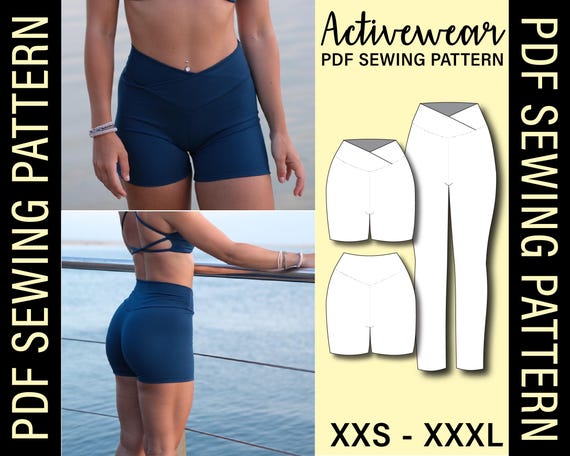
- PDF patterns: Download, print at home, and tape together. Many independent designers sell these online.
- Self-drafted patterns: For experienced sewers, you can draft your own based on your measurements or copy a favorite piece.
Choosing A Pattern
Look for patterns labeled “activewear,” “athleisure,” or “stretch knit. ” Read reviews before buying. Beginners should start with simple designs like basic leggings or T-shirts.
Adjusting Patterns For A Good Fit
Don’t expect a perfect fit on the first try. Patterns are made for standard sizes, but everyone’s body is unique.
- Take Accurate Measurements: Measure bust, waist, hips, and inseam.
- Check the Size Chart: Compare your numbers to the pattern’s chart.
- Make a Test Garment (Muslin): Use cheap fabric with similar stretch to check fit before cutting your final fabric.
- Common Adjustments: Add or remove length, adjust rise, or widen/narrow areas as needed.
Pattern Comparison
Here’s a quick look at popular activewear pattern types:
| Pattern Type | Skill Level | Best For |
|---|---|---|
| Paper (store-bought) | Beginner to Advanced | All activewear |
| PDF (downloadable) | Beginner to Advanced | Trendy styles, customization |
| Self-drafted | Advanced | Custom fit, unique pieces |
Non-obvious Insight
- Blend Sizes for Your Shape: If your waist and hips are different sizes, you can blend between pattern sizes at the side seams. This makes a big difference in comfort and fit.
Cutting And Preparing Your Fabric
This step can make or break your project. Careful cutting means your pieces line up and sew together easily.
Steps
- Pre-wash Your Fabric: Wash and dry as you will after sewing. This prevents shrinking later.
- Lay Out the Fabric: Place it on a flat surface. Fold as the pattern recommends (usually right sides together).
- Place the Pattern Pieces: Pin or weight them onto the fabric, following the grainline arrows.
- Trace and Cut: Use chalk/marker to trace, then cut out each piece smoothly. Don’t rush—uneven edges can cause problems when sewing.
Tips
- Cut in a single layer for accuracy, especially with slippery or thick fabrics.
- Check for nap or direction if your fabric has a sheen or texture.
Sewing Techniques For Activewear
Sewing stretchy fabric is different from working with woven cotton. Here’s how to get strong, flexible seams.
Stretch Stitches
Most sewing machines have a zigzag or stretch stitch. These allow the seam to move without popping threads.
- Narrow zigzag: Great for most seams.
- Lightning bolt stitch: Looks like a straight line but stretches. Use for areas needing extra strength.
- Triple stretch stitch: Very strong, for stress points.
Seams
- Sew with a 1 cm (3/8 inch) seam allowance unless your pattern says otherwise.
- Press seams open or to one side for a smooth finish.
Hemming
- Twin needle: Creates a stretchy, professional-looking hem.
- Zigzag or coverstitch: Good alternatives.
- Don’t stretch the hem as you sew or it will wave.
Finishing Edges
- Serger (overlocker): Trims and finishes in one step.
- Zigzag: If you don’t have a serger, zigzag close to the edge to prevent fraying.
Inserting Elastic
Elastic is used for waistbands, leg openings, and bras.
- Cut elastic to fit snugly but comfortably.
- Sew ends together to make a loop.
- Divide both elastic and fabric into quarters, then pin in place.
- Sew, stretching fabric to match elastic as you go.
Non-obvious Tips
- Use tissue paper under tricky fabric: Slippery knits feed better under the presser foot with a strip of tissue paper.
- Test on scraps: Always test your stitches on a fabric scrap before sewing your garment.
Step-by-step: Making Key Activewear Pieces
Let’s look at how to make the most popular activewear items. We’ll focus on leggings, sports bras, and workout tops.
Leggings
Leggings are a staple for many workouts. They’re a good first project because the pieces are simple and you only need a stretchy fabric and elastic.
Steps
- Cut out front and back pieces.
- Sew inner leg seams with a stretch stitch.
- Sew crotch seam, joining both legs.
- Sew side seams.
- Attach waistband: Fold over, insert elastic, and sew.
- Hem the legs with a twin needle or zigzag.
Example
For most adults, you’ll use about 1–1. 5 yards of 4-way stretch fabric and 2–3 cm wide elastic for the waistband.
Sports Bra
Making a sports bra is more advanced but very doable with the right pattern. Choose a simple racerback or crop style for your first try.
Steps
- Cut front, back, and lining pieces.
- Sew front and back together at the shoulders and sides.
- Attach lining for comfort and support.
- Sew in elastic at the underbust.
- Finish arm and neck edges with a band or fold-over elastic.
Tips
- For high impact, use power mesh lining for extra support.
- Measure the elastic under your bust for a snug, supportive fit.
Workout Top
A basic tank top or T-shirt is simple and quick. Use lightweight polyester or nylon blends.
Steps
- Cut front and back pieces.
- Sew shoulder seams.
- Sew side seams.
- Finish neck and armholes with binding or a simple hem.
- Hem the bottom.
Pro Tip
- For a relaxed fit, choose a size up or adjust the side seams.
- Add mesh panels for ventilation.
Getting A Great Fit
Fit is key for comfort and performance. Here’s how to fine-tune your activewear.
Try On As You Go
After sewing main seams, try the garment on (inside out). Pin or baste seams if you need to adjust.
Common Fitting Issues
- Waistband too loose/tight: Adjust elastic length.
- Legs ride down: Try a higher rise or more snug fit.
- Gaps at armholes or neck: Take in side or shoulder seams slightly.
Making Adjustments
- Pinch and mark excess fabric while wearing the garment.
- Transfer changes to your pattern for future pieces.
Non-obvious Insight
- Wear your usual underwear or sports bra when fitting. This affects how leggings or bras fit.
Adding Personal Style
Making your own activewear means you can add fun touches that store-bought clothes lack.
Ideas
- Color blocking: Use two or more colors in your pieces.
- Mesh panels: Add ventilation and style.
- Decorative stitching: Use contrasting thread for flatlock or coverstitch seams.
- Custom length: Make shorts, capris, or full-length leggings.
Inspiration
Many activewear brands share designs online. Check sites like Pinterest or Instagram for fresh ideas. You can even add reflective tape for night workouts.
Caring For Your Diy Activewear
Activewear lasts longer with proper care.
Washing Tips
- Wash inside out to protect the surface.
- Use cold water and a gentle cycle.
- Skip fabric softener: It can block fabric’s moisture-wicking.
- Air dry when possible to prevent shrinking and elastic breakdown.
Repairs
- Fix small holes or popped seams right away to prevent bigger damage.
- Keep fabric scraps for future repairs or patches.
Sustainable And Ethical Considerations
Making your own activewear supports sustainability. You control the materials and reduce waste.
Choose Eco-friendly Fabrics
Look for recycled polyester or organic cotton blends. Some brands now offer bio-based nylon from plants.
Minimize Waste
- Lay out pattern pieces efficiently to use less fabric.
- Save scraps for small projects or repairs.
Ethical Choices
By sewing your own, you avoid supporting factories with poor labor practices. You can even source materials from local or small businesses.
Credit: fitprint.co
Troubleshooting Common Problems
Even experienced sewers face challenges with activewear. Here’s how to solve the most common ones.
Wavy Seams
- Problem: Hems or seams look stretched out and wavy.
- Solution: Don’t stretch fabric as you sew. Use a walking foot or stabilize with tissue paper.
Skipped Stitches
- Problem: Stitches don’t catch on stretchy fabric.
- Solution: Use a ballpoint/stretch needle and polyester thread. Slow down and don’t pull the fabric.
Broken Threads
- Problem: Seams pop when you stretch the garment.
- Solution: Use a stretch stitch or narrow zigzag. Check that your thread is strong and elastic.
Uneven Hemming
- Problem: Hems flip up or twist.
- Solution: Press hems well, and use a twin needle or coverstitch for even results.
Non-obvious Insight
- Let seams rest: After sewing, let your garment sit for a few hours before the first wear. This helps threads settle and reduces puckering.
Saving Money And Time
One big reason to make your own activewear is cost. Here’s how to get the best value.
Buy In Bulk
Buying fabric and elastic in bulk can save money, especially if you plan to make several pieces.
Reuse And Recycle
- Upcycle old workout gear: Use parts of old leggings or tops for panels.
- Mix and match fabric scraps for unique designs.
Plan Ahead
Cut and prepare several pieces at once. Batch sewing saves time and helps you learn faster.
Comparing Diy Vs. Store-bought Activewear
Wondering if it’s worth making your own? Here’s a quick comparison:
| Feature | DIY Activewear | Store-Bought |
|---|---|---|
| Fit | Customizable | Standard sizes |
| Style | Unlimited | Limited to trends |
| Cost | Lower over time | Can be expensive |
| Time | More time needed | Ready to wear |
| Quality Control | Full control | Variable |
Resources For Patterns And Tutorials
If you want to go deeper, many websites and YouTube channels offer free or paid activewear patterns, video guides, and sewing communities. One good resource for sewing techniques is Seamwork.
Credit: www.etsy.com
Frequently Asked Questions
How Do I Choose The Right Size For My Homemade Activewear?
Start by taking your body measurements—bust, waist, hips, and inseam. Compare these with the pattern’s size chart. If you fall between sizes, blend between them at the side seams. Making a test garment from inexpensive fabric helps fine-tune the fit before using your final fabric.
What Sewing Machine Do I Need For Activewear?
Most home sewing machines work for activewear, as long as they have a zigzag or stretch stitch. For best results, use a ballpoint or stretch needle and polyester thread. A serger is useful for finishing edges, but not required.
Can I Make Activewear Without A Serger?
Yes. A regular sewing machine with a zigzag or stretch stitch is enough for most projects. Finish raw edges with a zigzag stitch to prevent fraying. Use a twin needle for professional-looking hems.
What Is The Best Fabric For Leggings?
The best fabric for leggings is a 4-way stretch blend with at least 20% spandex or Lycra. Nylon-spandex or polyester-spandex blends are popular because they are stretchy, moisture-wicking, and hold their shape well.
How Do I Prevent Seams From Popping When I Wear My Diy Activewear?
Use a stretch stitch or narrow zigzag, and make sure you are using polyester thread. Avoid pulling the fabric as you sew. Test your stitches on a scrap to be sure they stretch as much as your fabric does.
Making your own activewear is both practical and empowering. You get gear that fits well, looks great, and supports your unique style. With some patience and practice, you’ll soon be wearing workout clothes designed just for you. Enjoy the process and wear your creations with pride!
