

How to Make Graphic T Shirts: Easy Steps to Stunning Designs
Have you ever wanted to wear a t-shirt that truly shows your style and personality? Making your own graphic t-shirts lets you do just that—and it’s easier than you think.
Imagine creating designs that turn heads and start conversations, all from the comfort of your home. In this guide, you’ll discover simple steps to bring your ideas to life, save money, and stand out with custom-made shirts. Ready to unlock your creativity and make graphic t-shirts that everyone will love?
Keep reading, because your perfect shirt is just a few steps away.
Choosing The Right Materials
Choosing the right materials is key to making great graphic t-shirts. The fabric, inks, and tools all affect the final look and feel. Good materials ensure your design stays bright and the shirt feels comfortable. This section helps you pick the best options for your project.
Selecting T-shirt Fabrics
Cotton is soft, breathable, and easy to print on. It works well for casual wear. Polyester dries fast and holds color longer. It suits sports or activewear shirts. Blends like cotton-polyester mix comfort and durability. Choose fabric based on your shirt’s use and print style.
Types Of Printing Inks
Plastisol ink sits on the fabric surface and has vibrant colors. It is thick and durable. Water-based ink soaks into the fabric, giving a soft feel. It is eco-friendly and good for light colors. Discharge ink removes shirt dye and adds color. It works best on dark shirts. Pick ink that matches your fabric and design needs.
Essential Tools And Equipment
A good screen printing frame holds your stencil tightly. A squeegee spreads ink evenly across the screen. Heat presses cure the ink so it lasts longer. For digital prints, use a high-quality printer made for fabric. Clean tools keep your prints sharp and colors true.
Designing Your Graphic
Designing your graphic is the first step in making a unique t-shirt. This stage shapes the look and feel of your final product. Good design grabs attention and tells a story. It needs creativity and some planning. You can start with an idea or a mood. Then, turn that into a visual that people will like.
Finding Inspiration
Inspiration helps your design stand out. Look around for ideas in nature, art, or daily life. Colors, shapes, and styles can spark new thoughts. Try sketching quick drawings or collecting images you like. Inspiration does not mean copying. It means creating something new from what you see.
Using Design Software
Design software lets you bring your ideas to life. Tools like Adobe Illustrator or free apps like Canva work well. These programs help you draw, color, and arrange your design easily. You can try different fonts and effects. Save your work often to avoid losing progress. Choose software that fits your skill level and budget.
Creating Eye-catching Artwork
Make your artwork simple but bold. Use clear lines and bright colors for impact. Avoid too many details that clutter the design. Think about the shirt color and how your design will look on it. Use contrast to make elements pop. Test your design by printing a sample or viewing it on screen. Adjust as needed until it looks great.
Preparing The Design For Printing
Preparing your design for printing is a key step in making graphic T-shirts. It ensures the final product looks sharp and professional. This process helps avoid common printing problems such as blurry images or wrong colors. Proper preparation saves time and money during production.
Optimizing Image Resolution
High resolution makes your design clear and detailed. Aim for at least 300 dots per inch (DPI) for print. Low-resolution images often look pixelated or blurry. Resize your image to fit the T-shirt print area. Avoid stretching small images to larger sizes. Use image editing software to check and adjust resolution.
Setting Up Color Profiles
Colors on screen differ from printed colors. Use CMYK color profile for printing, not RGB. CMYK matches the ink colors used in printing machines. Set your design software to CMYK before starting your design. This step helps maintain color accuracy on the T-shirt. It reduces surprises in the final print.
Converting Files For Print
Printers prefer specific file types. Save your design as PDF, EPS, or TIFF files. These formats keep the quality intact. Avoid using JPEG for complex designs because of compression. Convert text to outlines to prevent font issues. Double-check your file before sending it to print.

Credit: www.youtube.com
Printing Methods To Consider
Choosing the right printing method is key to making great graphic T-shirts. Each method has its strengths and suits different needs. Understanding these options helps you pick the best way to bring your design to life.
Screen Printing Basics
Screen printing uses a mesh screen to apply ink on fabric. It works well for bold, simple designs with few colors. This method produces bright colors that last long. It is cost-effective for large orders. Setup takes time, but prints are quick afterward.
Heat Transfer Techniques
Heat transfer uses heat and pressure to apply designs. You print the design on special paper first. Then, press it onto the T-shirt using a heat press. This method suits small batches or one-off shirts. It offers good detail and color variety. The prints may feel heavier on the fabric.
Direct-to-garment Printing
Direct-to-garment (DTG) prints designs directly onto the shirt. It works like an inkjet printer but uses fabric ink. This method handles complex, colorful designs well. DTG prints feel soft and blend into the fabric. It requires less setup and is good for small runs.
Step-by-step Printing Process
Creating graphic t-shirts involves a clear printing process. Each step matters to get a clean and sharp design. Follow these steps carefully for the best results.
Setting Up The Workspace
Start with a clean and flat surface. Remove dust and dirt to avoid stains. Gather all tools like screens, squeegees, and inks. Use protective covers to keep the area tidy. Make sure lighting is bright to see details clearly.
Applying The Design
Place the t-shirt on a flat board or table. Position the screen with the design on top of the shirt. Pour ink on the screen’s edge. Use a squeegee to spread the ink evenly. Press firmly and pull the squeegee across the screen. Lift the screen carefully to reveal the print.
Curing And Drying
Let the ink dry for a few minutes. Use a heat press or conveyor dryer to cure the design. This step makes the print last longer. Avoid touching the print until fully dry. Proper curing prevents the design from cracking or fading.

Credit: mellysews.com
Finishing Touches
Finishing touches make graphic T-shirts look professional and last longer. These final steps ensure your design stays vibrant and the shirt feels great. Focus on quality checks, care tips, and smart packaging to impress buyers and keep them happy.
Quality Control Tips
Check every shirt for print clarity and color accuracy. Look for any smudges, fading, or misalignment in the design. Feel the fabric to ensure there are no defects or holes. Test the print by gently stretching the fabric to see if it cracks. Sort shirts by size and style to avoid mix-ups. Keep a record of any issues to improve your process.
Washing And Care Instructions
Include simple washing instructions to protect the print and fabric. Recommend cold water washing and turning the shirt inside out. Advise against bleach or harsh detergents that can damage the design. Suggest air drying or low heat in the dryer. Clear care instructions help customers keep their shirts looking new. Print these instructions on tags or include a small card.
Packaging Ideas
Choose packaging that protects the shirt and looks neat. Use clean, sturdy bags or boxes that fit the T-shirt well. Add a thank-you note or brand sticker for a personal touch. Consider eco-friendly materials to appeal to green buyers. Fold shirts carefully to avoid wrinkles and creases. Good packaging improves the unboxing experience and builds brand trust.
Common Mistakes To Avoid
Making graphic T-shirts is fun but tricky. Many beginners make simple mistakes. These errors affect the final look and feel of the shirt. Avoiding common mistakes saves time and money. It also helps create a shirt you will love to wear or sell.
Design Pitfalls
Using too many colors can make your design messy. Choose simple and clear images instead. Avoid small details that disappear when printed. Text should be easy to read. Pick fonts that look good on fabric.
Printing Errors
Low-quality printing leads to faded or cracked designs. Always check the printer's samples first. Avoid printing on dark shirts with light ink only. Colors may not show well. Test print before making many shirts.
Material Mismatches
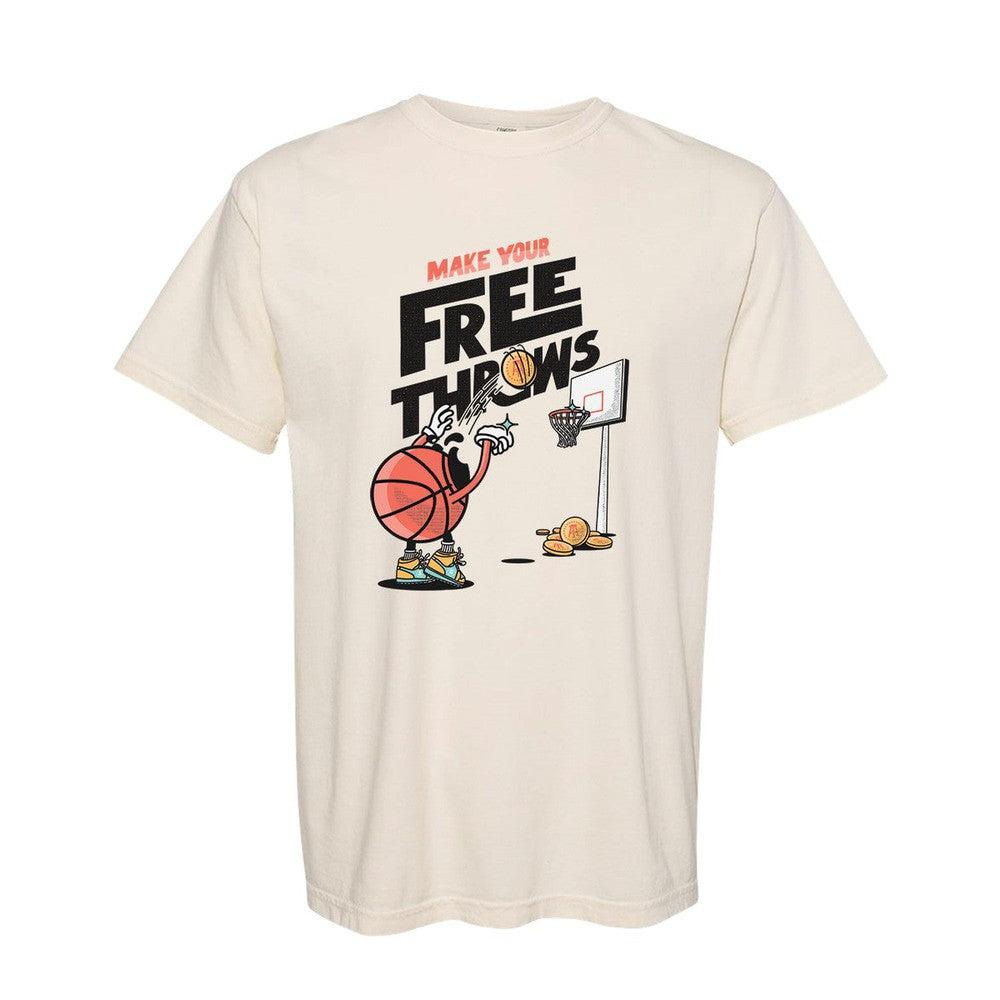
Not all fabrics work well with every print. Cotton is best for most prints. Polyester may cause colors to look dull. Thin fabrics can wrinkle and ruin designs. Choose shirts that fit your print style and purpose.
Credit: store.barstoolsports.com
Tips For Selling Your T-shirts
Selling graphic t-shirts can be exciting and profitable. Success depends on smart choices and clear plans. This section offers simple tips to help you sell your t-shirts well. Follow these steps to reach more buyers and grow your business.
Pricing Strategies
Set a price that covers your costs and earns profit. Check prices of similar t-shirts online. Avoid setting prices too high or too low. Offer discounts for bulk orders or special events. Keep prices clear and fair to attract buyers.
Marketing Your Designs
Show your designs on social media platforms. Use photos that highlight your t-shirts well. Share stories behind each design to connect with customers. Ask friends or customers to share your posts. Join groups or forums where people like your style.
Building An Online Store
Create an easy-to-use website for your t-shirts. Use clear images and simple descriptions. Organize shirts by style, size, or theme. Make sure the checkout process is quick and safe. Add customer reviews to build trust with buyers.
Frequently Asked Questions
What Materials Are Needed To Make Graphic T-shirts?
To make graphic T-shirts, you need blank T-shirts, fabric paint or ink, brushes or screen printing tools, and stencils or designs. Quality materials ensure vibrant, long-lasting prints and comfortable wear.
How Do I Choose The Best Design For T-shirts?
Select designs that reflect your style or brand. Simple, bold graphics work best. Ensure high contrast and clarity for printing success.
What Printing Methods Are Best For Graphic T-shirts?
Popular methods include screen printing, heat transfer, and direct-to-garment printing. Each offers different durability, cost, and color options.
Can I Make Graphic T-shirts At Home Easily?
Yes, with basic tools like fabric paint and stencils, you can create custom T-shirts at home. Practice helps improve results.
Conclusion
Making graphic T-shirts can be fun and simple. Choose your design, pick good materials, and use the right tools. Practice helps you improve each time. Creating your own shirts lets you show your style and ideas. Keep trying new techniques to find what works best.
Enjoy the process, and soon you will have unique T-shirts to wear or share. This skill can save money and bring joy. Start today and see where your creativity takes you!
