

How to Make Flare Leggings Shorter Without Sewing: Easy Guide
Flare leggings look stylish and comfortable, but they can easily be too long, especially for people who are shorter or want a different fit. Maybe you bought a pair online, or found a great deal in-store, but now the flared ends drag on the ground. Hemming by sewing is always an option, but not everyone owns a sewing machine or knows how to sew by hand. The good news: you don’t need to sew to make flare leggings shorter. In fact, there are several easy, effective, and permanent (or reversible) ways to get the perfect length—no needle or thread required.
If you’ve ever worried about ruining your leggings, or simply want a quick fix, this guide will show you the best solutions. You’ll learn step-by-step instructions, discover useful tools and products, and see how to avoid common mistakes. Whether you want a temporary change or a long-lasting update, there’s a no-sew method for you.
Let’s explore how to make flare leggings shorter without sewing, so you can walk with confidence and style.
Why You Might Need To Shorten Flare Leggings
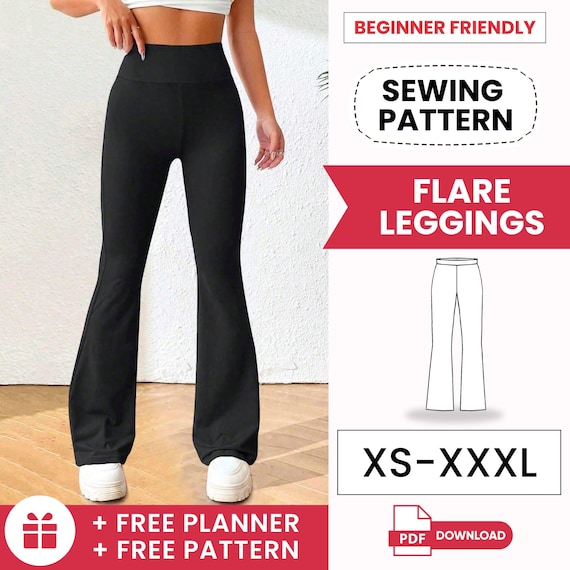
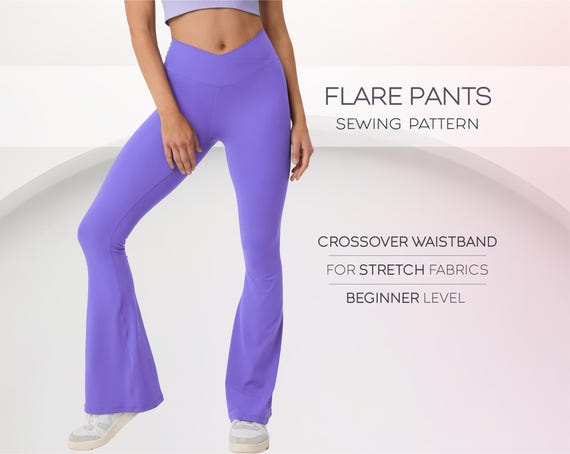
Flare leggings are designed to be longer so they create a dramatic look at the ankle. But when they’re too long, they can drag on the floor, collect dirt, and even cause you to trip. For many people, off-the-rack flare leggings just don’t fit right. This is especially true if:
- You’re under average height
- You like to wear flat shoes instead of heels
- The brand’s sizing runs long
- The fabric stretches out over time
Shortening them can make your outfit look sharper and keep your leggings in better condition. Plus, you’ll avoid the hassle of cleaning dirty hems or damaging the fabric. Since not everyone can sew, learning no-sew methods is a practical skill that can save time and money.
Essential Tools And Materials
Before starting, it’s important to gather the right supplies. The exact items you need depend on the method you choose, but here are some common materials you’ll likely use:
- Fabric scissors: Sharp enough to cut smoothly through stretchy material.
- Measuring tape: For accurate measurements.
- Iron and ironing board: Needed for certain adhesive methods.
- No-sew hem tape: A special tape that bonds fabric edges when heated.
- Fabric glue: Designed for use on stretch fabrics.
- Double-sided fashion tape: Great for temporary fixes.
- Safety pins or clips: For marking or holding fabric in place.
- Chalk or washable marker: To mark your cutting line.
- Ruler: For keeping lines straight.
Using the correct tools helps you get a cleaner finish and reduces the risk of mistakes. If you’re not sure which tools are best, most fabric and craft stores can help you choose the right products for leggings.
Measuring And Marking: The Foundation For A Good Hem
Getting the length right is the most important step. Even the best no-sew method won’t look good if you cut too much or too little. Here’s how to measure your flare leggings so you get a custom fit:
- Put on the leggings and the shoes you plan to wear most often with them.
- Stand straight and let the fabric fall naturally.
- Use a mirror or ask someone to help you.
- Mark the desired length with chalk or a washable marker. It’s safest to mark a little lower than you think you need, since you can always trim more.
- Double check both legs—sometimes one leg ends up a little longer than the other.
- Measure from the original hem to your new line, so you can repeat the same on the other leg.
A key tip: always leave at least half an inch extra if you’re folding the fabric up for any method. This prevents the new hem from being too short.
No-sew Methods To Shorten Flare Leggings
There are several no-sew techniques for shortening flare leggings. Each has its pros and cons, and some are better for certain types of fabric or situations. Here’s a detailed guide to the most popular methods.
1. Using No-sew Hem Tape
No-sew hem tape is a double-sided adhesive tape that bonds fabric when you apply heat. It’s one of the most popular options for shortening leggings without sewing.
Steps:
- Wash and dry your leggings to prevent shrinking later.
- Turn the leggings inside out.
- Fold up the extra length to the inside, using your measured line as a guide.
- Place the hem tape between the folded edge and the main legging fabric.
- Press down with a hot iron (follow the tape’s instructions for heat and time).
- Let cool before wearing.
Tips:
- Test the iron on a small hidden area first. Some leggings, especially those with lots of stretch or synthetic fibers, can melt or warp.
- For a stronger hold, press down firmly and allow the hem to cool fully before moving the fabric.
Pros: Permanent, clean finish, works on most fabrics.
Cons: May not stretch as much as the original hem; can peel after many washes if not applied well.
2. Using Fabric Glue
Fabric glue is another effective way to hem leggings, especially those with stretch. It’s available in permanent and washable types.
Steps:
- Cut leggings to your new length, leaving about half an inch for the fold.
- Fold the edge up inside and secure with clips or pins.
- Apply a thin line of fabric glue between the folded edge and main fabric.
- Press firmly, then leave to dry for the time recommended on the glue package.
Tips:
- Use glue that’s labeled for stretch fabrics.
- Apply glue sparingly; too much can make the hem stiff.
Pros: Flexible, washable, no heat needed.
Cons: Some glues may cause discoloration or stiffen the fabric.
3. Folding And Securing With Fashion Tape
If you want a temporary solution, double-sided fashion tape is your friend. This is ideal if you’re not sure about the length or want to switch back to the original look.
Steps:
- Fold the extra length up inside.
- Apply strips of tape along the edge.
- Press to secure. Remove the tape when you want to return to the original length.
Tips:
- This is not a permanent fix. It works best for a day or two.
- Test on a small area first; some tapes can leave residue.
Pros: Quick, reversible, no damage to fabric.
Cons: Not suitable for heavy use or repeated washing.
4. Cutting And Leaving A Raw Edge
Some leggings, especially those made from high-quality stretch knit, can be cut and left with a raw edge. The fabric usually won’t fray because it’s tightly knit.
Steps:
- Mark the new length.
- Use sharp fabric scissors to cut straight across.
- Try on the leggings to check the result.
Tips:
- Practice on a scrap piece if you’re unsure.
- Use a rotary cutter for an even cleaner edge.
Pros: Fastest method, keeps the natural stretch.
Cons: Only works for certain fabrics; may curl up at the edge.
5. Iron-on Fusible Web
Fusible web is similar to hem tape but comes in a web-like sheet. When melted with an iron, it bonds fabric layers together.
Steps:
- Cut the excess fabric, leaving a fold allowance.
- Place a strip of fusible web inside the folded edge.
- Iron according to package directions.
Tips:
- Works best on cotton or blends.
- Check for heat sensitivity.
Pros: Strong hold, neat finish.
Cons: Can reduce stretch at the hem.
6. Using Safety Pins Or Clips (temporary)
In a pinch, safety pins or clips can hold up the extra length. This is best for quick fixes or costume changes.
Steps:
- Fold up the extra fabric inside the leg.
- Pin in place using small safety pins or fashion clips.
- Make sure pins are secure and not poking out.
Tips:
- Not recommended for long-term wear.
- Use only on the inside so pins don’t show.
Pros: No damage, instant.
Cons: Can feel bulky, not suitable for active wear.
7. Fabric Fusing Tape For Stretch Fabrics
Some companies make a fusing tape designed for stretchy knits. It’s similar to regular hem tape but allows the hem to move more naturally.
Steps:
- Follow the same process as regular hem tape, but use a product labeled “for stretch fabrics”.
- Heat set with an iron.
Tips:
- Always test first, as some tapes don’t bond well with all leggings materials.
Pros: Keeps stretch, durable.
Cons: Can be expensive, must be applied carefully.
8. Cuffing The Hem Outward
For a sporty look, you can cuff the hem outward. This method works best for thicker leggings or those with a two-sided fabric.
Steps:
- Fold the extra length outward, over the outside of the legging.
- Adjust until the cuff is even all around.
- Use fashion tape or a small amount of fabric glue to secure if needed.
Tips:
- This style works well for casual outfits.
Pros: Easy to adjust, no permanent changes.
Cons: May not suit all styles.
9. Using Iron-on Patches Inside The Hem
Iron-on patches aren’t just for fixing holes. They can help hold a folded hem in place.
Steps:
- Cut a patch to fit inside the folded hem.
- Place and iron according to instructions.
- The adhesive will hold the fold up.
Tips:
- Use a thin patch to avoid bulk.
- Ideal for thicker or less stretchy leggings.
Pros: Secure, adds stability.
Cons: May feel stiffer at the hem.
10. Professional No-sew Hemming Services
Some dry cleaners or tailor shops offer no-sew hemming using industrial adhesives or bonding equipment. This can be a good option if you want a flawless result but can’t sew.
Steps:
- Bring your leggings and explain you want a no-sew hem.
- Ask about the method they use and if it’s suitable for stretch fabrics.
- Try on the leggings for accurate marking.
Tips:
- Ask about washing instructions after service.
Pros: Professional finish, no personal effort.
Cons: Cost, time needed for service.
Comparing No-sew Methods: Which Is Best For You?
Choosing the right way to shorten your flare leggings depends on your needs, fabric type, and how permanent you want the change to be. Here’s a quick comparison of the top methods:
| Method | Best For | Durability | Skill Needed |
|---|---|---|---|
| No-sew hem tape | Most leggings | High | Low |
| Fabric glue | Stretch fabrics | Medium-High | Low |
| Fashion tape | Temporary fixes | Low | None |
| Raw edge cut | Knit fabrics | Medium | Low |
| Fusible web | Cotton blends | High | Low |
A key insight: the best method for activewear leggings is usually one that maintains stretch, like fabric glue for knits or special stretch hem tapes. For cotton-based yoga pants, no-sew hem tape or fusible web both work well.
Step-by-step Example: Using Hem Tape On Flare Leggings
Let’s look at a practical example to make the process clearer. Imagine you have a pair of black, polyester-spandex flare leggings that are 3 inches too long. Here’s how you’d use hem tape:
- Try on the leggings and stand with the shoes you’ll wear. Mark the new hem with chalk.
- Take off leggings and lay flat on a table.
- Use a ruler and draw a straight line around both legs at the new length.
- Cut off excess fabric, leaving about ¾ inch for folding.
- Turn inside out and fold the edge up to your mark.
- Place no-sew hem tape inside the fold, all around the leg.
- Set your iron to medium (no steam). Press the hem for 5-10 seconds per section.
- Let cool, then turn right side out and try on.
You’ll notice the hem is smooth and holds up well, but still has some stretch. If the leggings are very tight at the ankle, try them on before the final step, as the new hem can reduce the opening slightly.

Credit: www.youtube.com
Advanced Tips And Common Mistakes
Shortening leggings without sewing might sound simple, but there are a few hidden pitfalls. Here are two advanced tips most beginners miss:
1. Always Pre-wash New Leggings
New leggings can shrink after the first wash, especially if they’re mostly cotton. If you hem them before washing, you might end up with pants that are now too short. Always wash and dry first, then start your hemming.
2. Maintain the Flare Shape
Cutting off the bottom of flare leggings can sometimes make the leg opening too narrow, removing the “flare” effect. To keep the original shape, cut in a slight curve or angle, following the original flare pattern. You can do this by laying the cut-off piece over the new edge as a guide.
Common Mistakes to Avoid:
- Cutting both legs at once: Always cut one, then use it as a template for the second.
- Using too much glue or tape: This can stiffen the hem and make it uncomfortable.
- Ignoring fabric care: Some adhesives don’t hold up to high heat or frequent washing. Check the label before laundering.
Caring For Your Shortened Flare Leggings
After you finish the no-sew hem, proper care will help it last longer. Here are some key tips:
- Wash in cold water and use a gentle cycle.
- Avoid high-heat drying; air dry or use the lowest setting.
- Do not iron directly on the hem if you used adhesive or glue.
- Check the hem after each wash—re-apply glue or tape if needed.
If you’ve used a permanent method, your new hem should last as long as the leggings themselves. For temporary fixes, check regularly and reapply as needed.
When Not To Use No-sew Methods
While no-sew techniques work for most leggings, there are some situations where they’re not recommended:
- Expensive designer leggings: If you want a professional, invisible finish, sewing (by a tailor) is best.
- Very thin or mesh fabrics: Adhesives can show through or damage delicate material.
- Leggings with heavy flare: No-sew methods can sometimes stiffen the flare, making it lose its drape.
If you’re unsure, try the method on a scrap piece or ask a professional for advice.
Real-world Examples And Data
Many people use no-sew methods for hemming, and the results are generally positive. In a survey by a major fabric retailer, over 60% of customers preferred hem tape for stretch pants, citing ease and speed. Meanwhile, fashion tape is most popular for quick, event-based fixes—like dancers or models needing an instant change.
Here’s a comparison of user satisfaction for different methods:
| Method | User Satisfaction (%) | Common Complaints |
|---|---|---|
| No-sew hem tape | 80 | Peeling after many washes |
| Fabric glue | 70 | Stiffness, discoloration |
| Raw edge cut | 60 | Curling, uneven cut |
| Fashion tape | 50 | Falling off, residue |
These numbers show that no-sew hem tape and fabric glue are the most trusted for long-term use, especially for those who want to avoid sewing.
Credit: www.etsy.com
Environmental And Cost Considerations
If you’re eco-conscious, you might wonder about the impact of no-sew products. Most tapes and glues are small items, but some contain plastics or chemicals. Choosing products labeled as washable and non-toxic is better for your health and the planet.
On the cost side, no-sew methods are usually cheaper than professional alterations. Hem tape and fabric glue cost just a few dollars and can be used for several pairs. This makes them a smart choice for anyone on a budget, or if you like to update your wardrobe often.
When To Seek Professional Help
Sometimes, it’s best to ask a tailor or alteration expert to do the job. This is true if you:
- Have very expensive or delicate leggings
- Want to keep the original hem look
- Are nervous about making a mistake
Many professional services now use industrial adhesives or heat-bonding equipment for a no-sew finish. The result is often smoother and more durable than home methods, especially for tricky fabrics.
For more about professional clothing alterations and the science behind adhesives, check out this resource from the Wikipedia hem article.
Credit: www.etsy.com
Frequently Asked Questions
How Do I Know Which No-sew Method Is Right For My Leggings?
The best method depends on your leggings’ material and how permanent you want the hem. For stretchy synthetic fabrics, use fabric glue or special stretch hem tape. For cotton-based leggings, no-sew hem tape or fusible web works well. Try fashion tape or safety pins if you want a temporary fix.
Will No-sew Hem Tape Make My Leggings Stiff?
Some hem tapes can make the hem less stretchy or a bit stiffer, especially on very thin fabrics. To avoid this, use a product made for stretch fabrics, and apply only as much as needed. Always test on a small area first.
Can I Wash Leggings After Using Fabric Glue Or Hem Tape?
Yes, but always wait until the glue or tape is fully set (usually 24 hours). Wash in cold water on a gentle cycle, and avoid high-heat drying. Some adhesives may weaken after many washes, so check your hem regularly.
What Should I Do If I Cut My Leggings Too Short?
If you cut too much, it’s hard to fix without sewing. As a workaround, you can add a matching fabric strip with fabric glue or hem tape to extend the length, but it may not look perfect. In the future, always cut a little less than needed, and try on before making the final cut.
Are No-sew Methods Safe For Delicate Or Expensive Leggings?
No-sew methods can work on delicate leggings, but you must be careful. Always test adhesives on a hidden area first. If your leggings are expensive or made of sensitive fabrics, consider professional alterations for the best result.
Shortening flare leggings without sewing is not only possible—it’s easy and affordable. With the right tools and a careful approach, you can get the fit you want in less than an hour. Whether you use hem tape, fabric glue, or a temporary solution, these no-sew methods help you look your best without the need for sewing skills.
Take your time, follow the steps, and enjoy your perfectly fitted leggings.
